PODCAST
CHI WING LO: THE ARTIST WHO TEACHES US HOW TO LIVE AND ALLOWS US TO SELF REFLECT
LISTEN NOW


The story of Uncanny Studio began in London, over a shared dinner. A spontaneous conversation parked a natural collaboration, guided by a shared visual language and a mutual sensitivity to detail.
Églantine Sicat graduated from the École nationale supérieure des arts décoratifs in Paris (ENSAD) and Ravensbourne College of Art in London. She began her career with Pierre-Yves Rochon (PYR) in Paris before relocating to London in 2014, where she founded her first studio, Maison August. Alongside her own practice she was a creative consultant on hospitality projects for the edyn group. Her influences include the formal purity of Tadao Ando, the boldness of Gae Aulenti and the visionary modernism of Charlotte Perriand.She is especially drawn to the delicate palettes of Hilma af Klint and the sensual colours of Luis Barragán.
Pauline Dellemotte is a graduate of the École nationale supérieure d’architecture Paris-Malaquais and London Metropolitan University. A qualified architect (ARB) and interior architect, she built her career at Michaelis Boyd Associates in London before co-founding Atelier Ochre, where she led numerous large-scale projects. Her inspirations span the cinematic spaces of Wes Anderson, the elegance of Villa Kerylos by Emmanuel Pontremoli and the vibrant expressiveness of David Hockney.
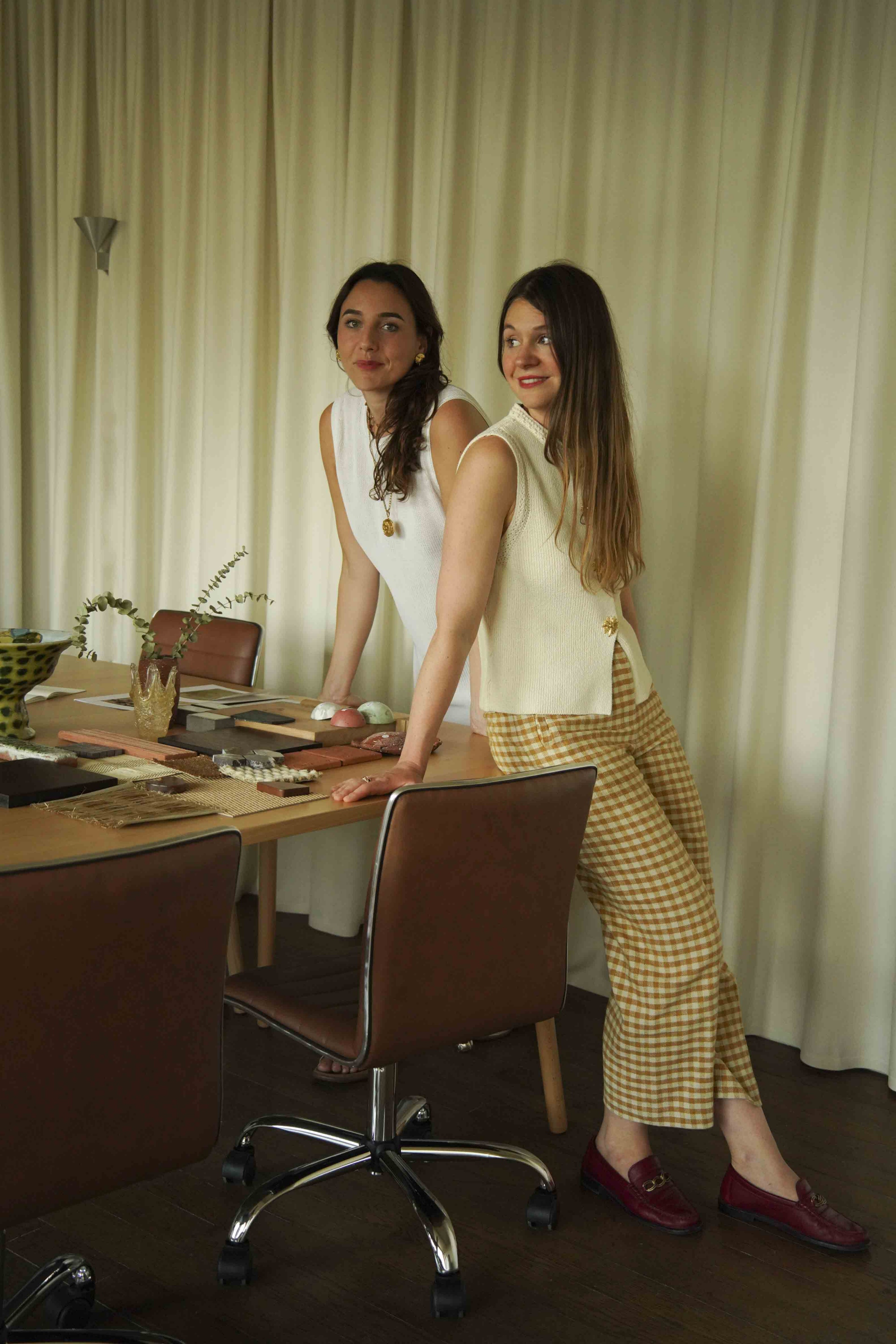
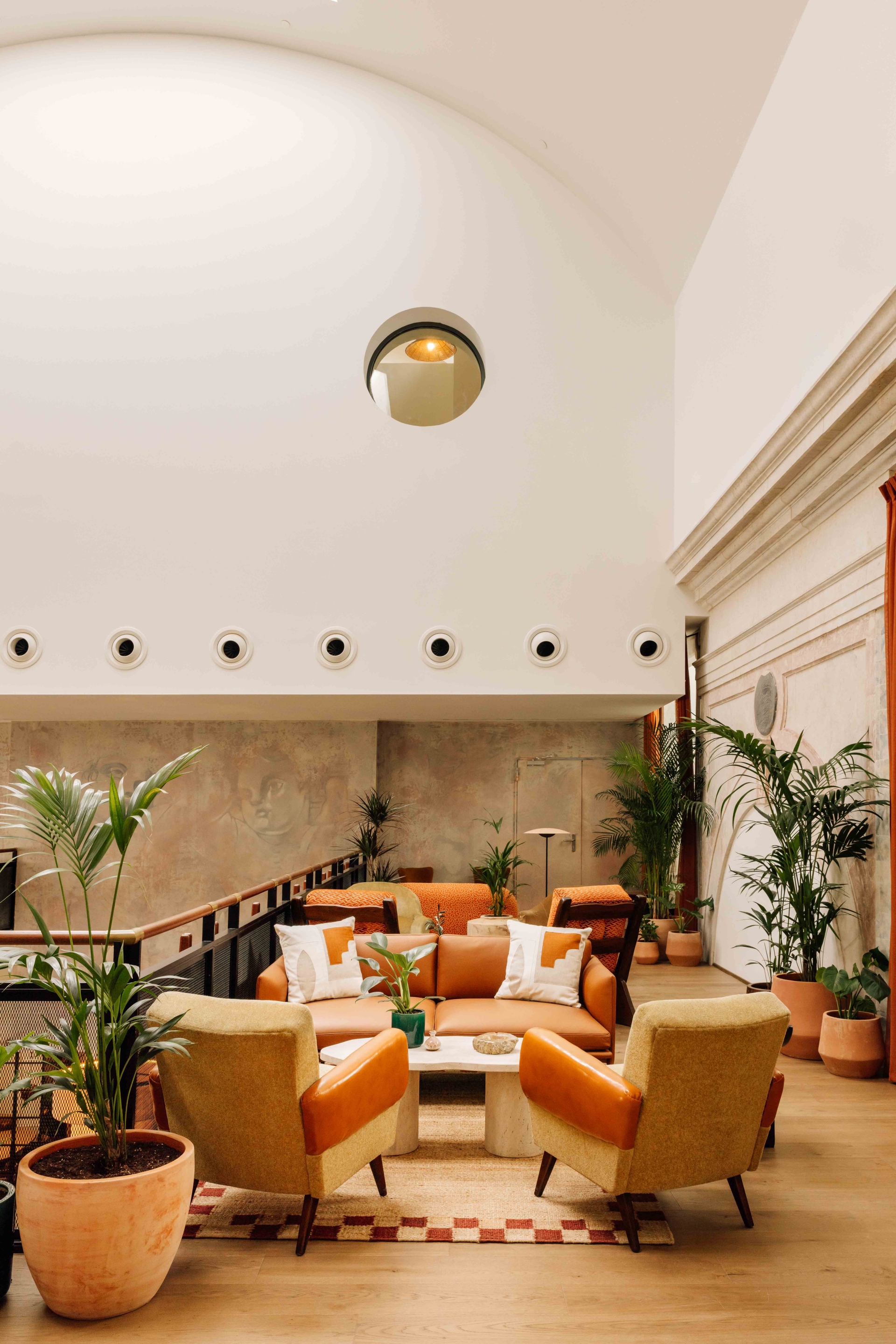
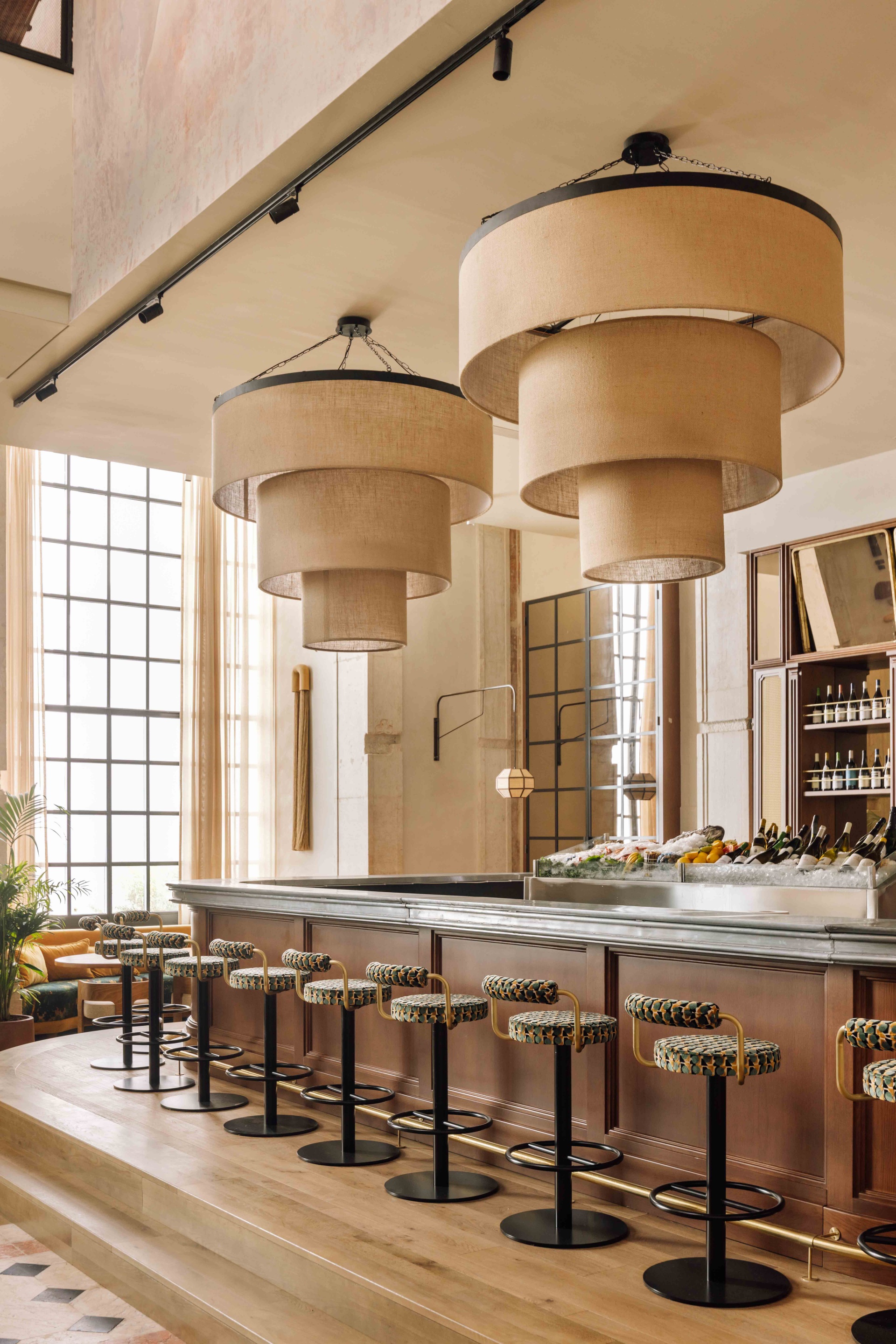
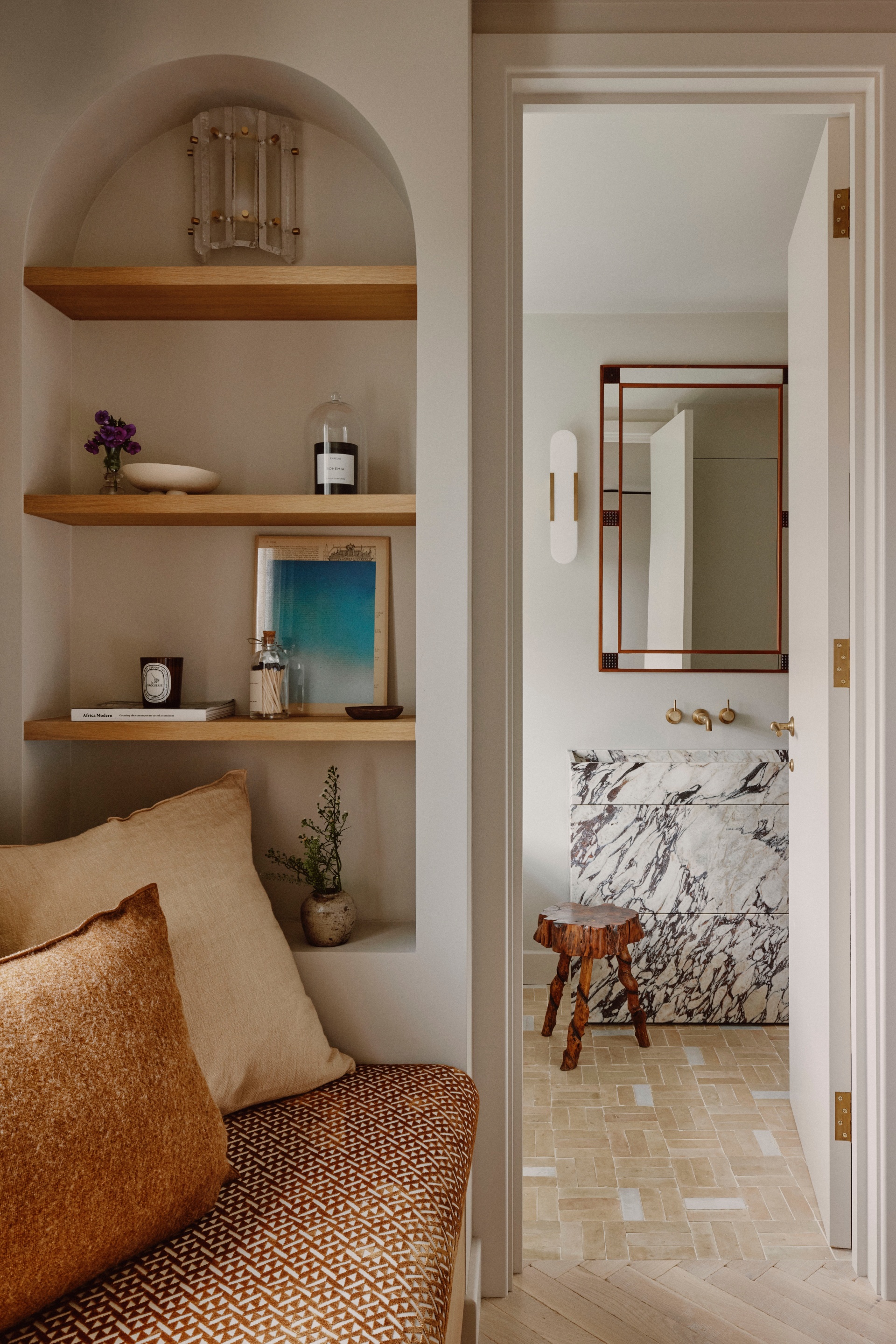
The name Uncanny speaks to a particular emotional register: the sense of something both familiar and unexpected. It suggests a quiet kind of intrigue, a resonance that lingers without clear explanation. Sicat and Dellemotte are drawn to this subtle in-between - crafting spaces that feel deeply comfortable even if you cannot quite say why.
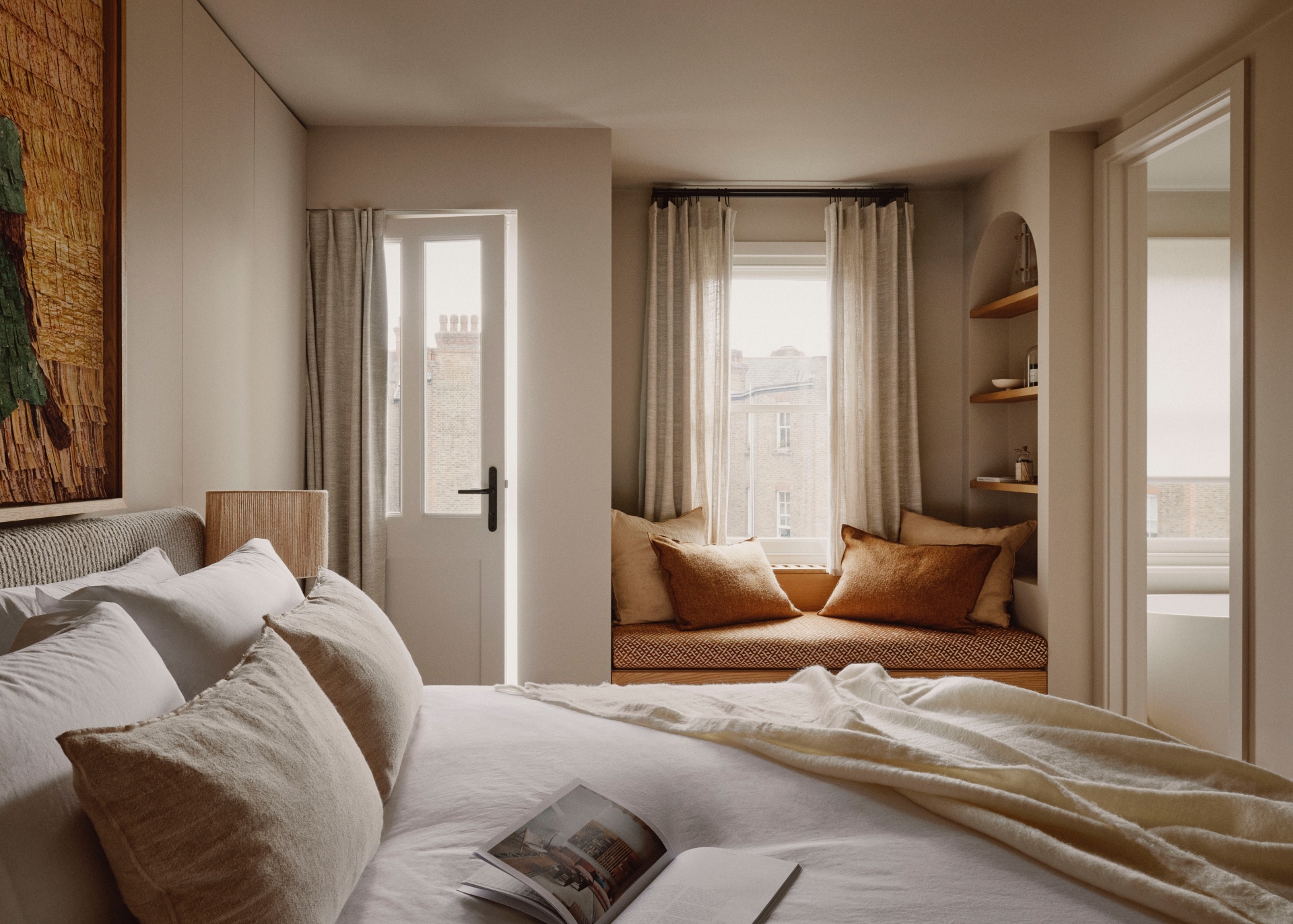
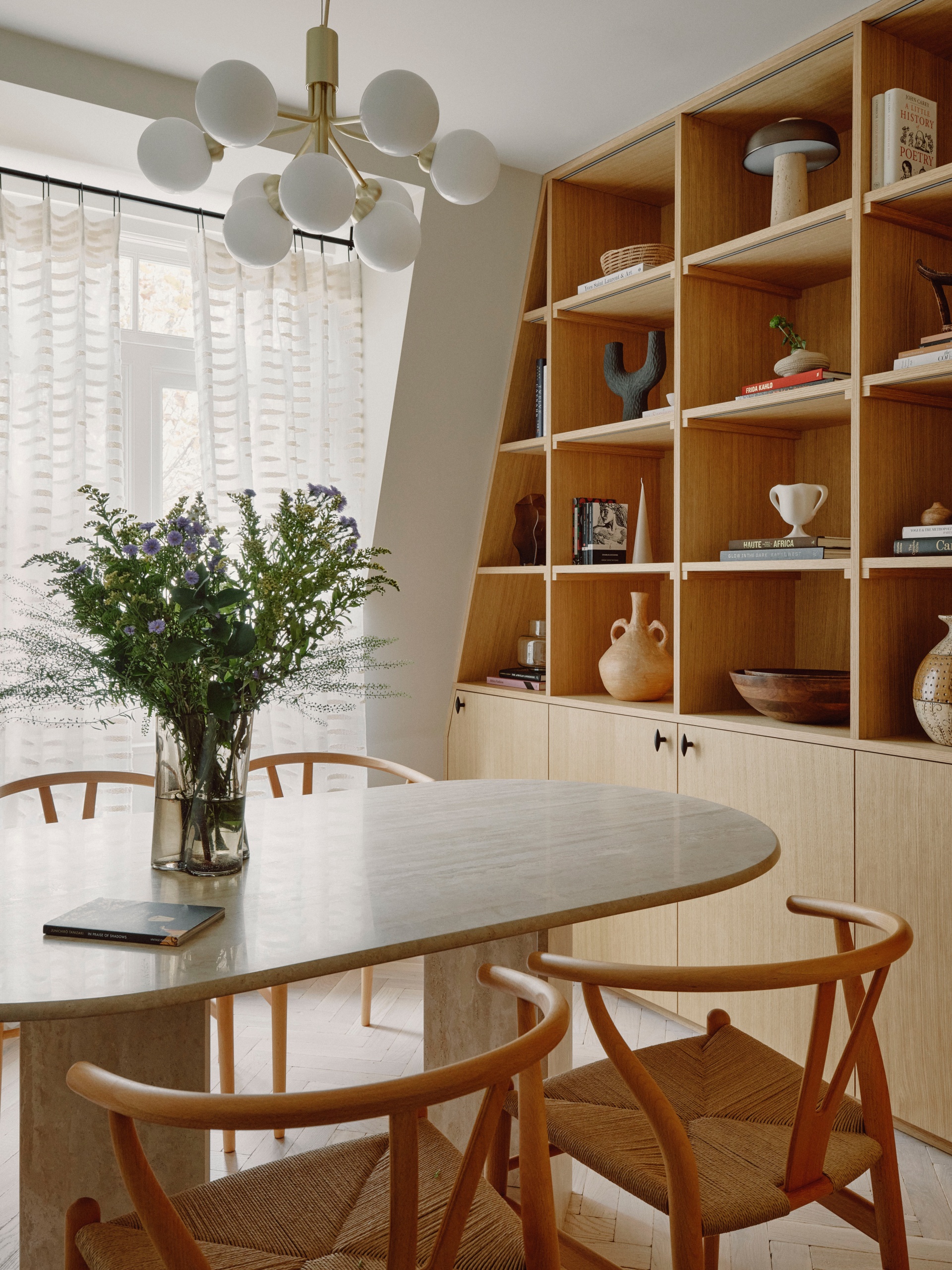
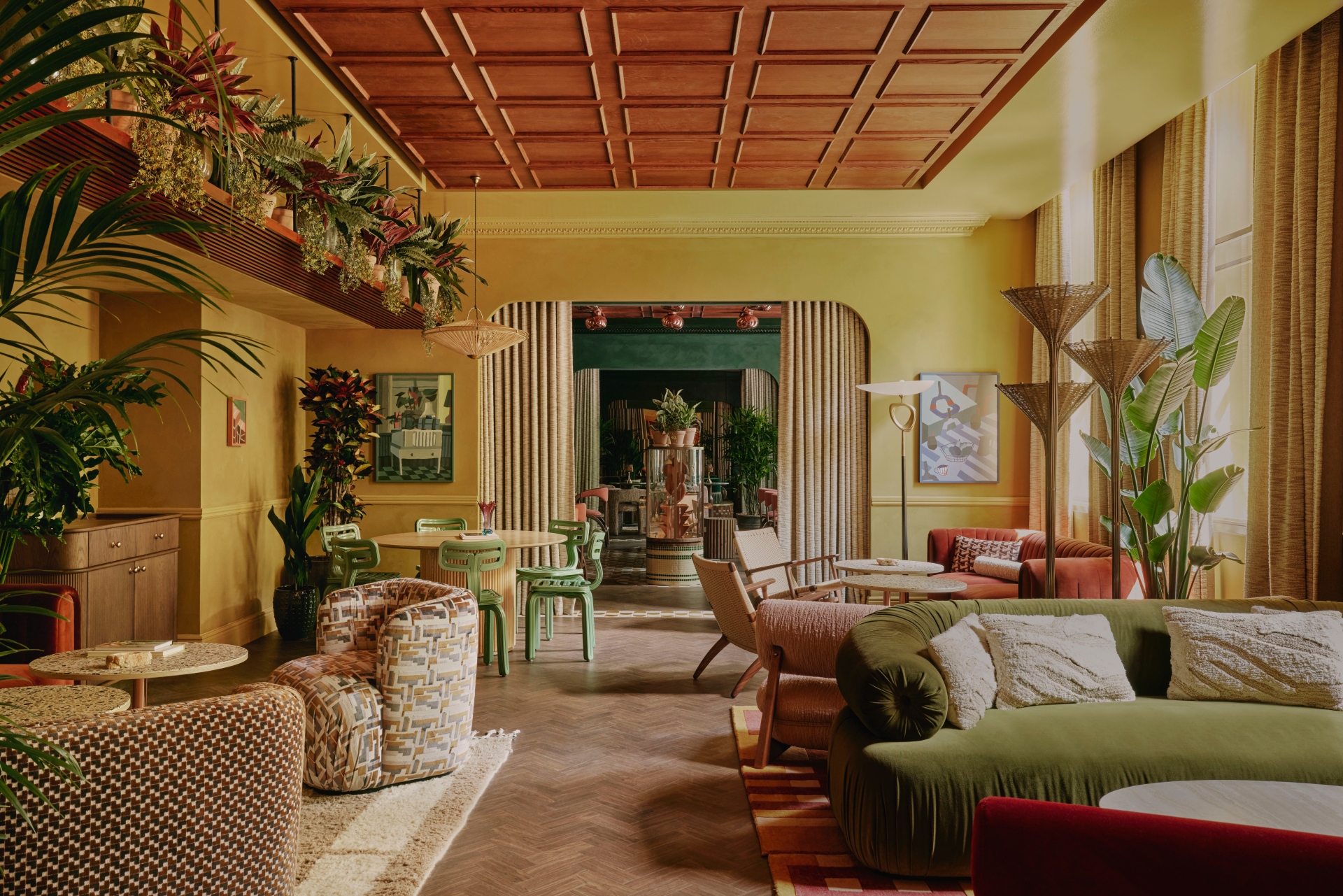
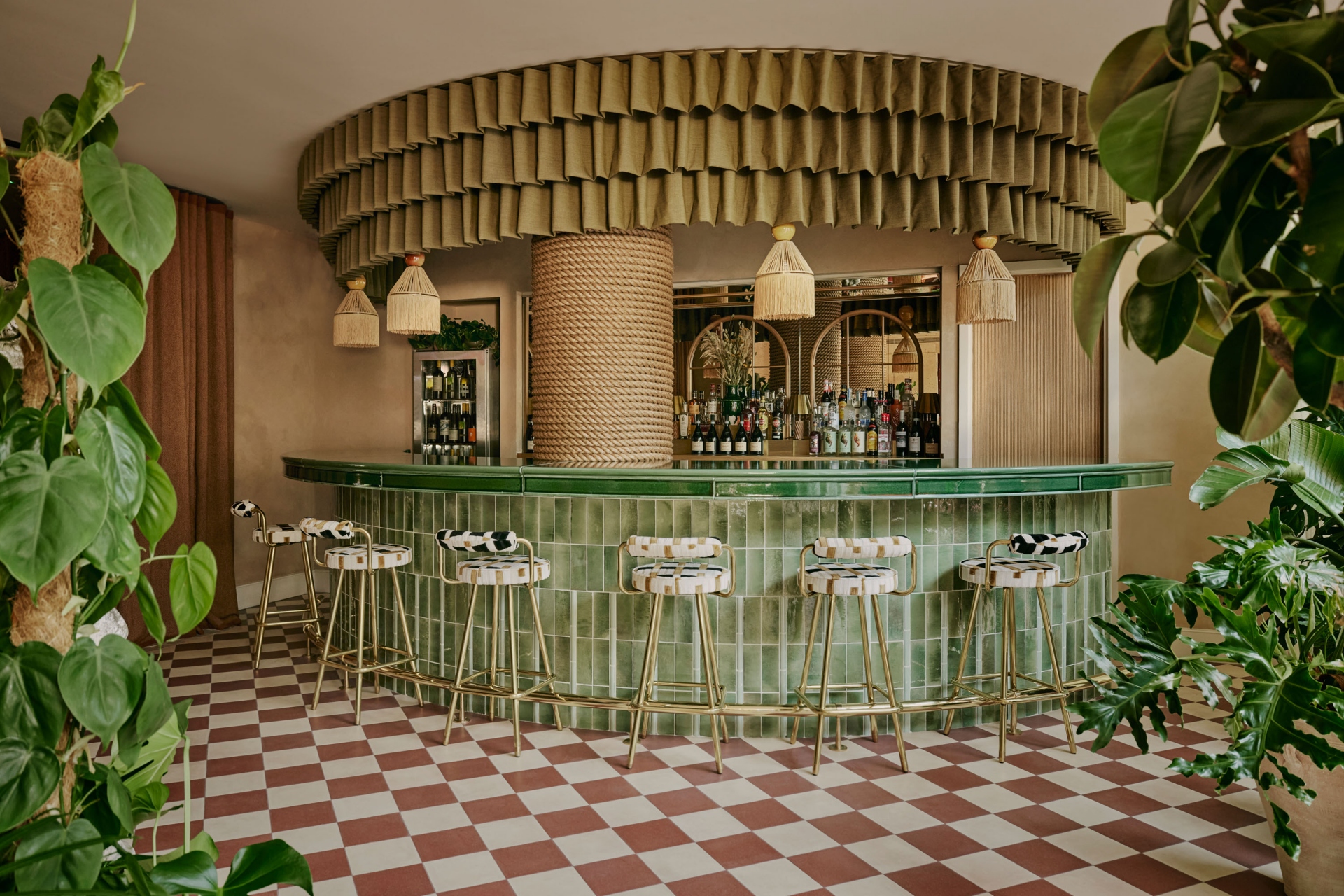
Every project begins in dialogue. Working collaboratively, they sketch, collage and assemble images and materials to shape a singular narrative. Their architectural language is marked by open volumes, gentle curves and striking juxtapositions of texture and tone. Materials such as charred wood, mosaic, chamotte clay, natural fibres, patinated metal and glazed volcanic stone combine to create spaces that are as tactile as they are expressive. They also collaborate regularly with galleries such as Partnership Editions in London and Amélie Maison d’Art in Paris. “Without that emotional and spiritual layer,” the co-founders explain, “our work would be no more than an empty shell.”
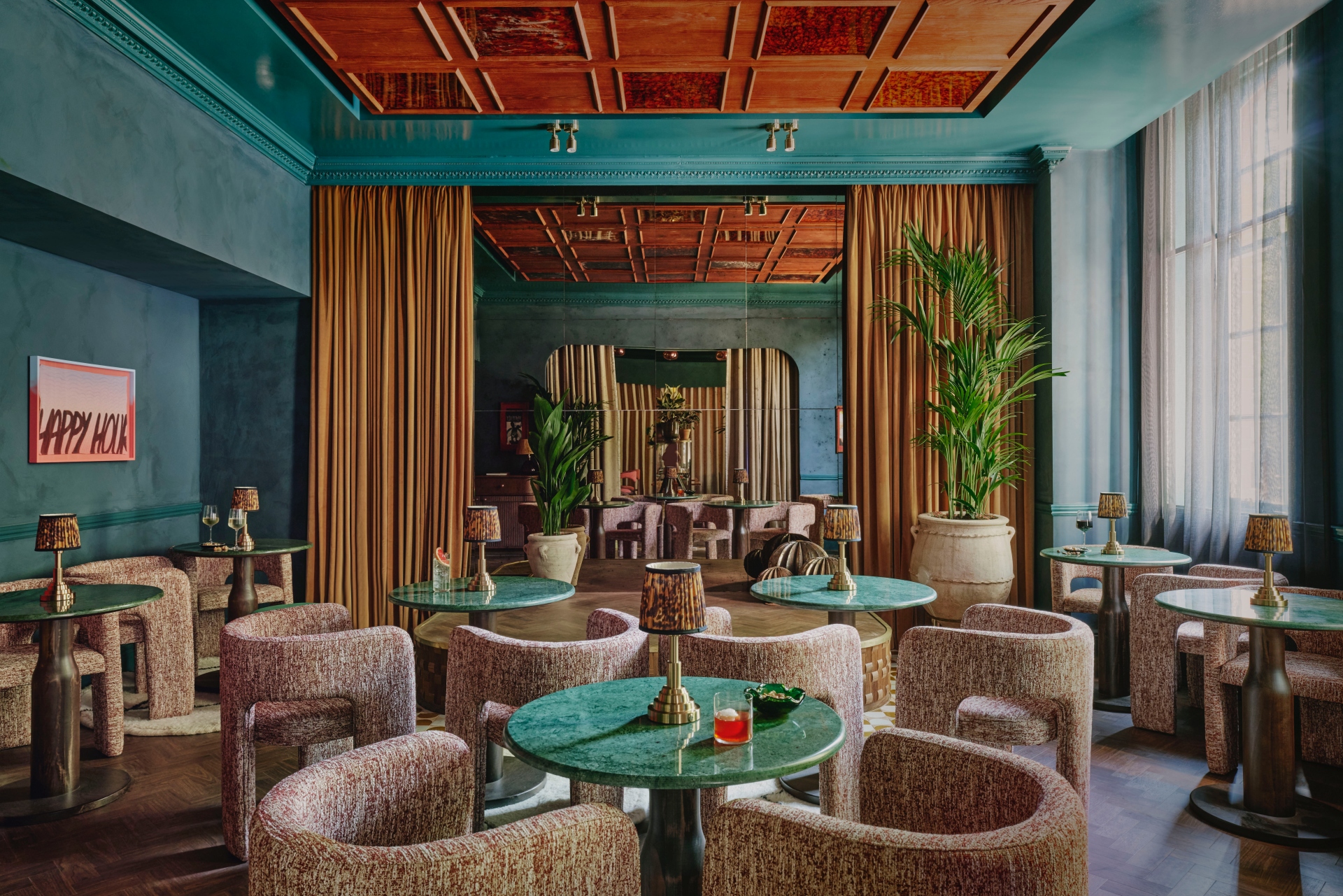
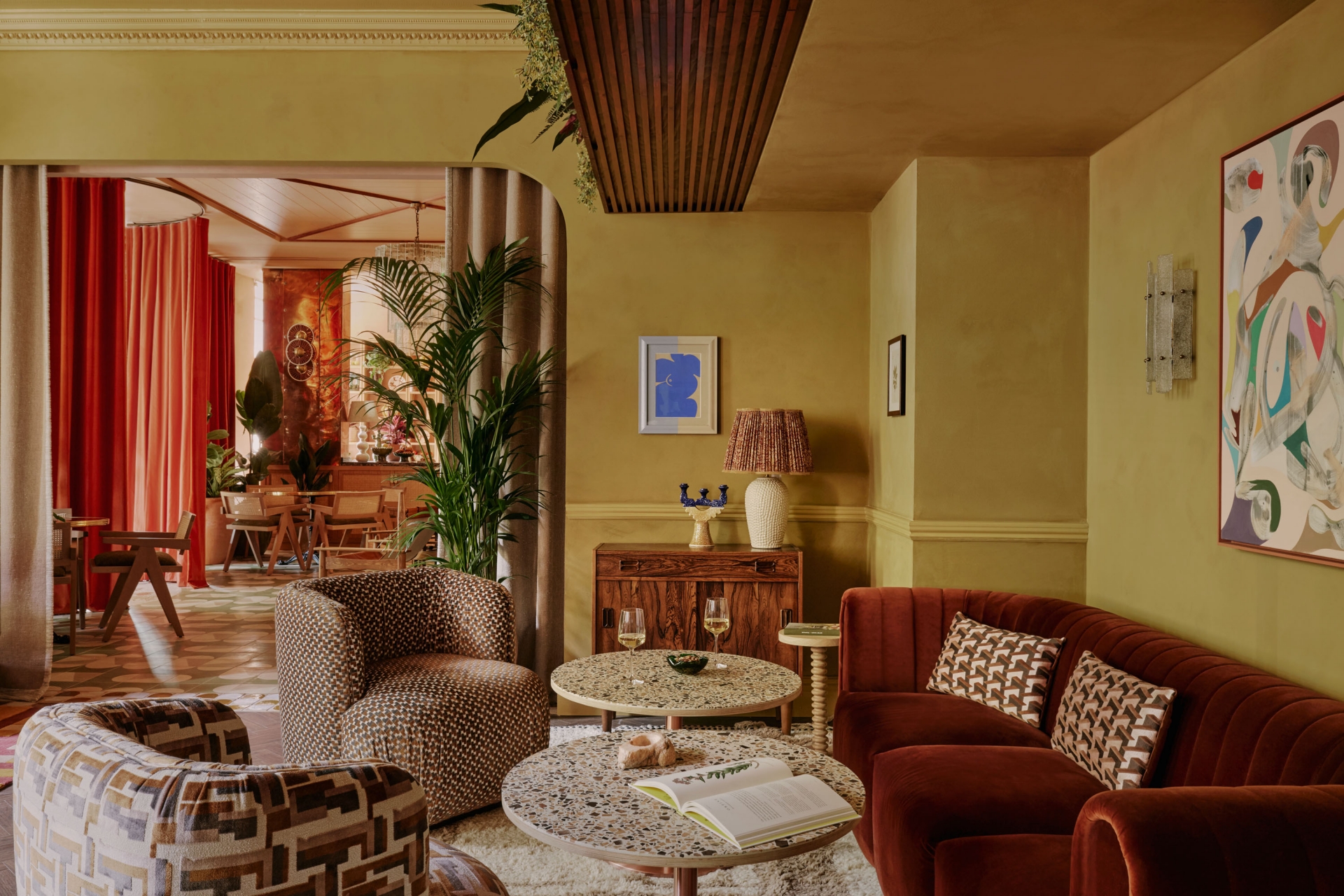
Your studio started from a dinner conversation. What made you both feel this could grow into a lasting partnership?
It felt natural almost immediately. What began as a casual dinner turned into a long conversation about life, creativity, and how we both experience spaces. We realised we shared the same sensitivity to atmosphere, detail, and storytelling, but also a similar way of working - intuitive, honest, and deeply collaborative. There was a sense of ease and trust from the very beginning, and a feeling that together we could build something meaningful. That emotional alignment, as much as our shared vision, is what made us believe this could grow into a lasting partnership.
The name Uncanny suggests something familiar yet surprising. How do you bring that feeling into your designs?
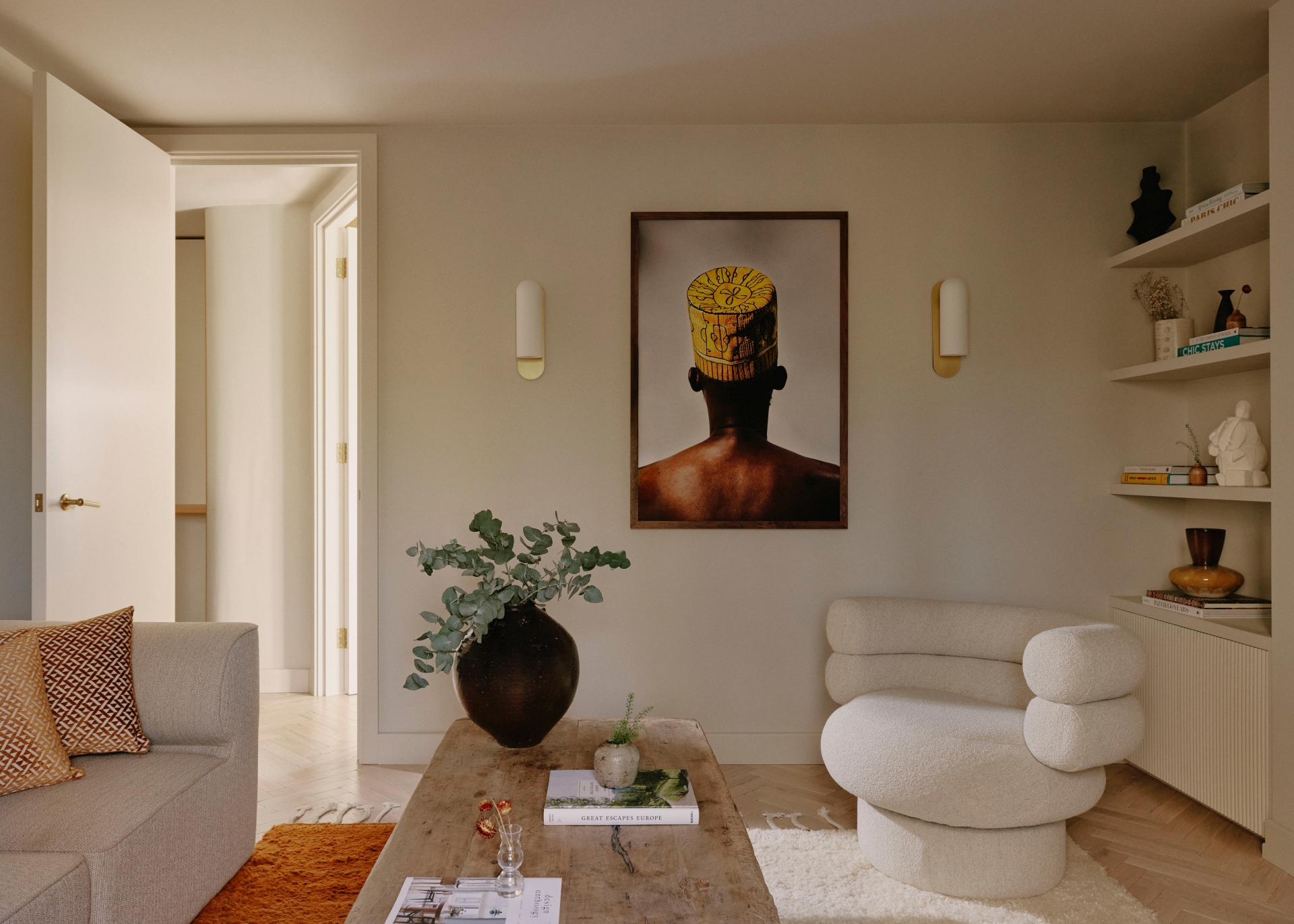
We’re drawn to a quiet kind of intrigue - spaces that feel immediately familiar yet subtly unexpected. Each project begins as a dialogue, gradually shaping a singular narrative rooted in the people who will inhabit it. We work with intuitive layouts and open volumes, then introduce moments of gentle disruption through curved forms, shifts in scale, or striking juxtapositions of tone and texture. Materials play a key role in creating that uncanny feeling: charred wood, mosaic, natural fibres, patinated metal. These elements resonate on an emotional level, even if you can’t quite put your finger on why. The goal is never to surprise for the sake of it, but to create spaces that feel comforting, curious, and memorable - places that reveal themselves slowly over time.
You work between Paris and London. How do these two cities influence the way you design?
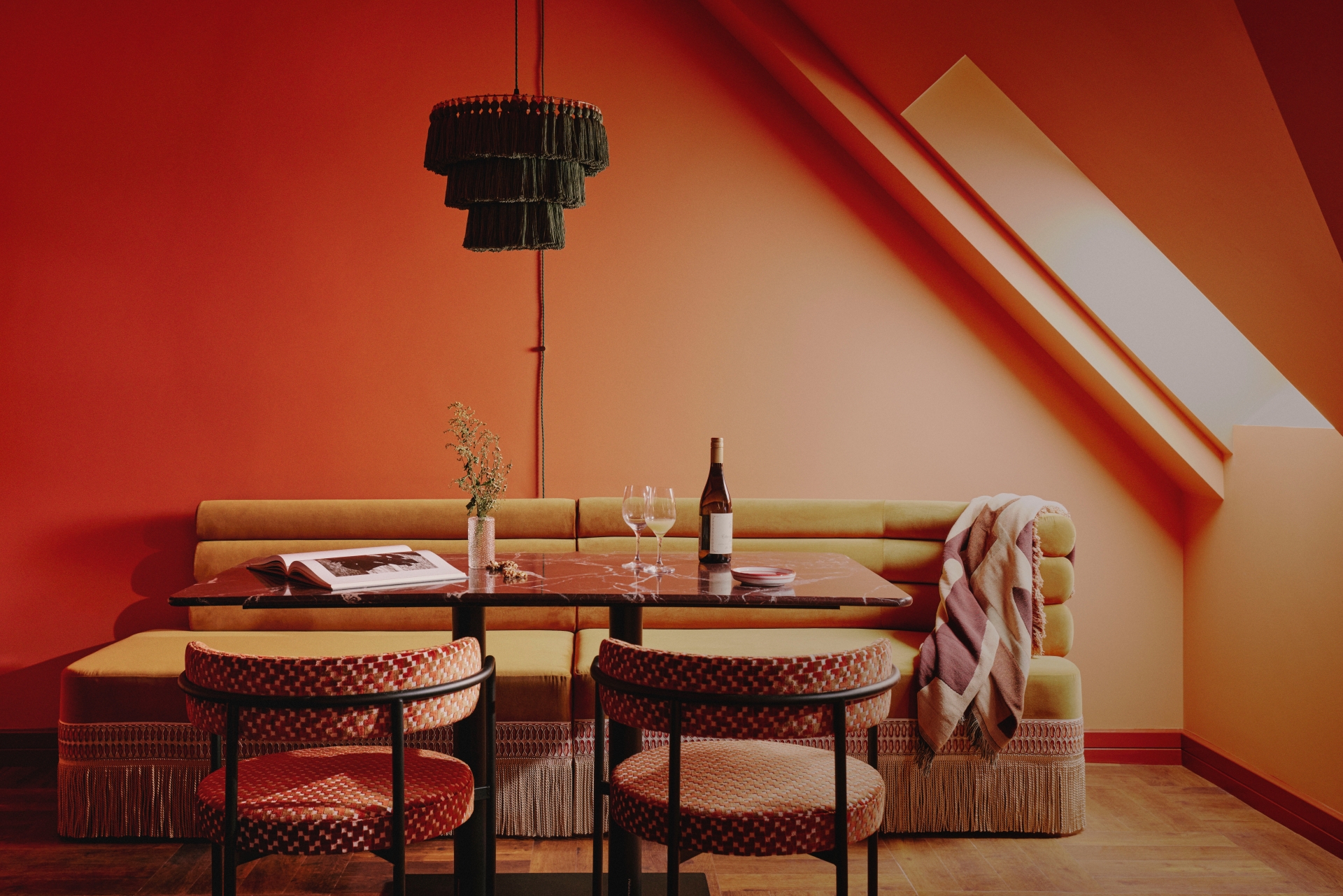
Working between Paris and London gives us a constant dual perspective. Paris brings a strong sense of proportion, materiality, and a knowledge and craftsmanship that is amongst the most refined - a respect for history and detail that informs how we layer spaces. London, on the other hand, feels more instinctive, wild and experimental. It’s a city that embraces contrast, hybridity, and cultural diversity, which encourages us to be bolder in our narratives and more fluid in our approach. Moving between the two keeps our work balanced: disciplined yet expressive, rooted yet open. It allows us to design spaces that feel both considered and alive, shaped by tradition but always looking forward.
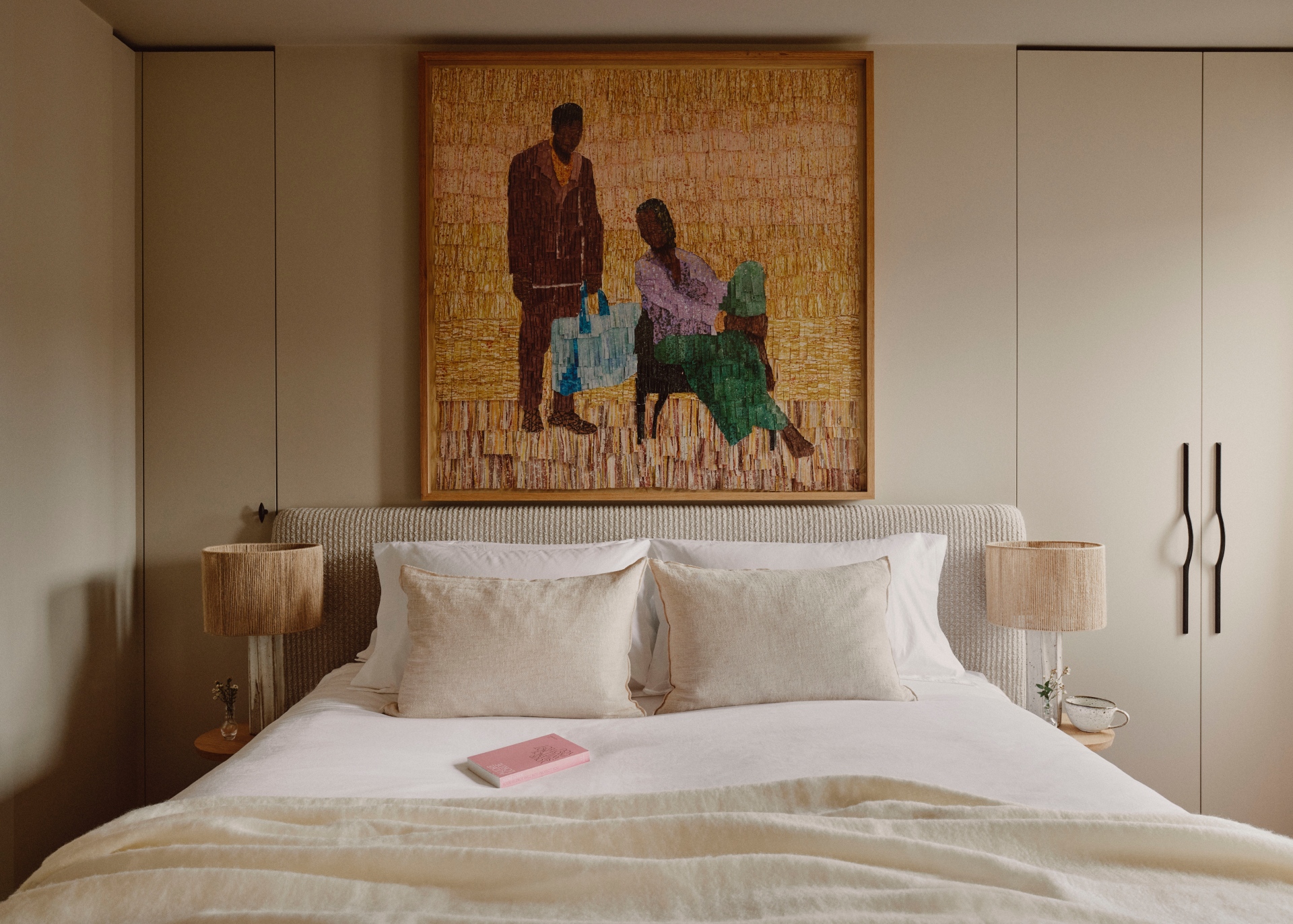
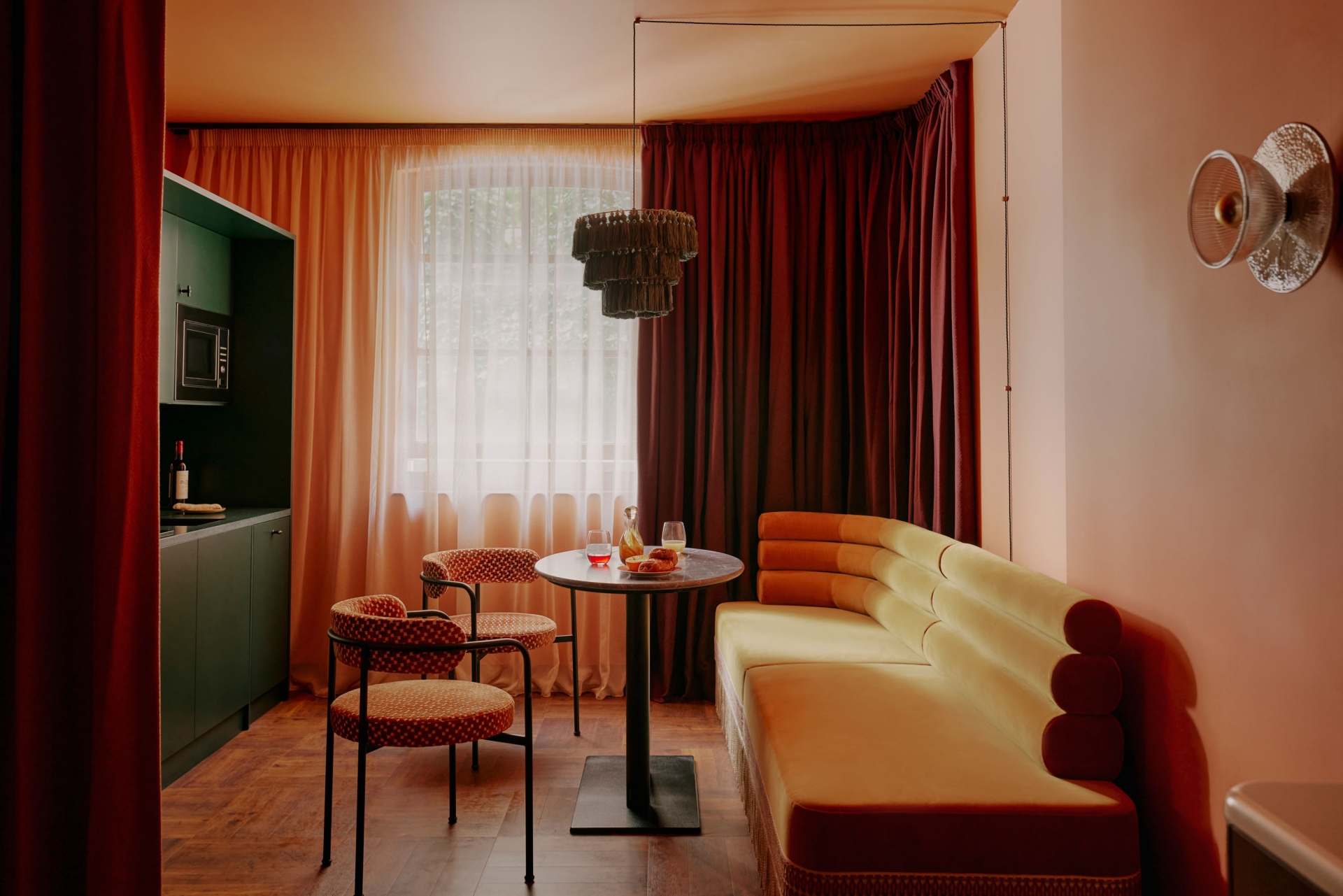
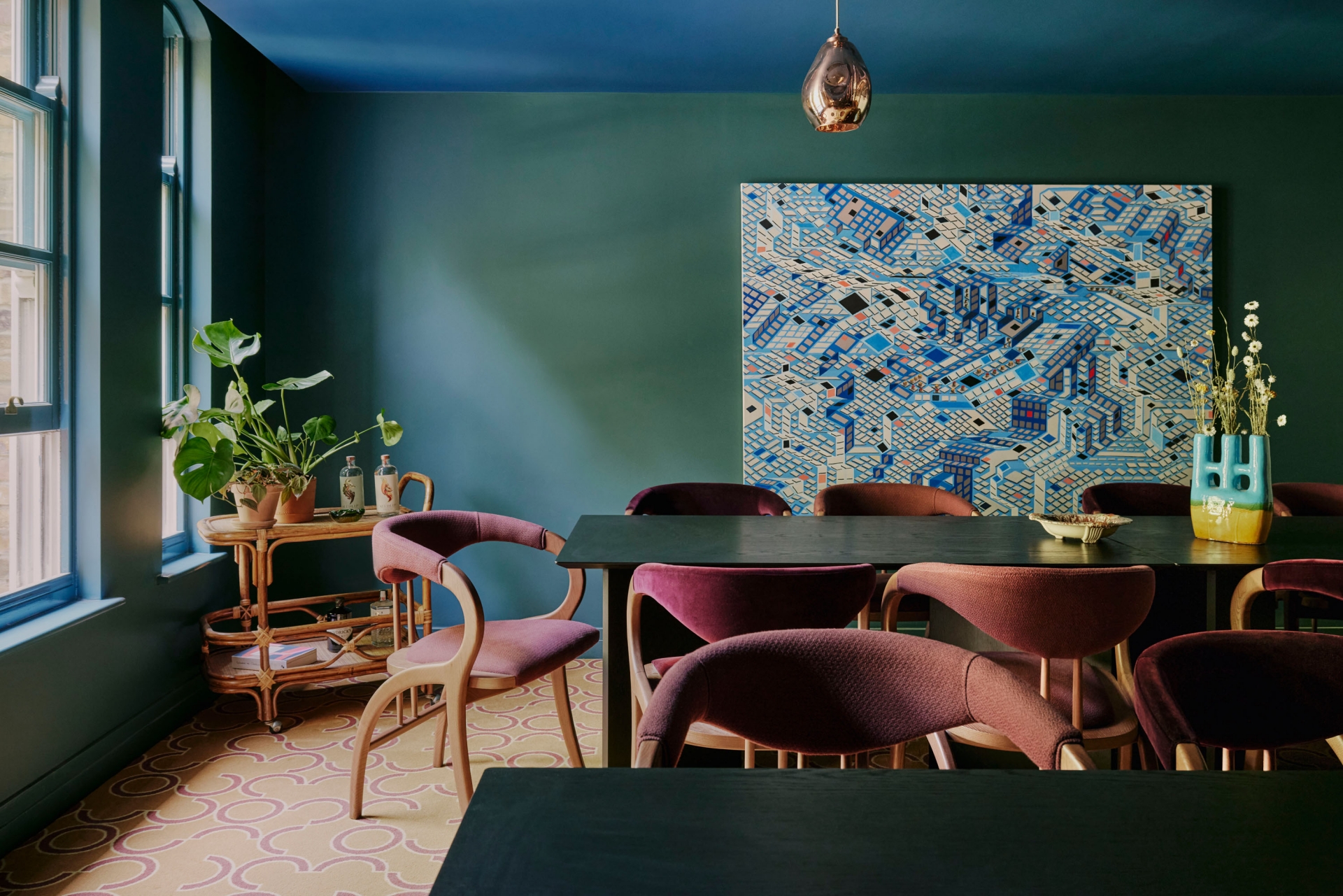
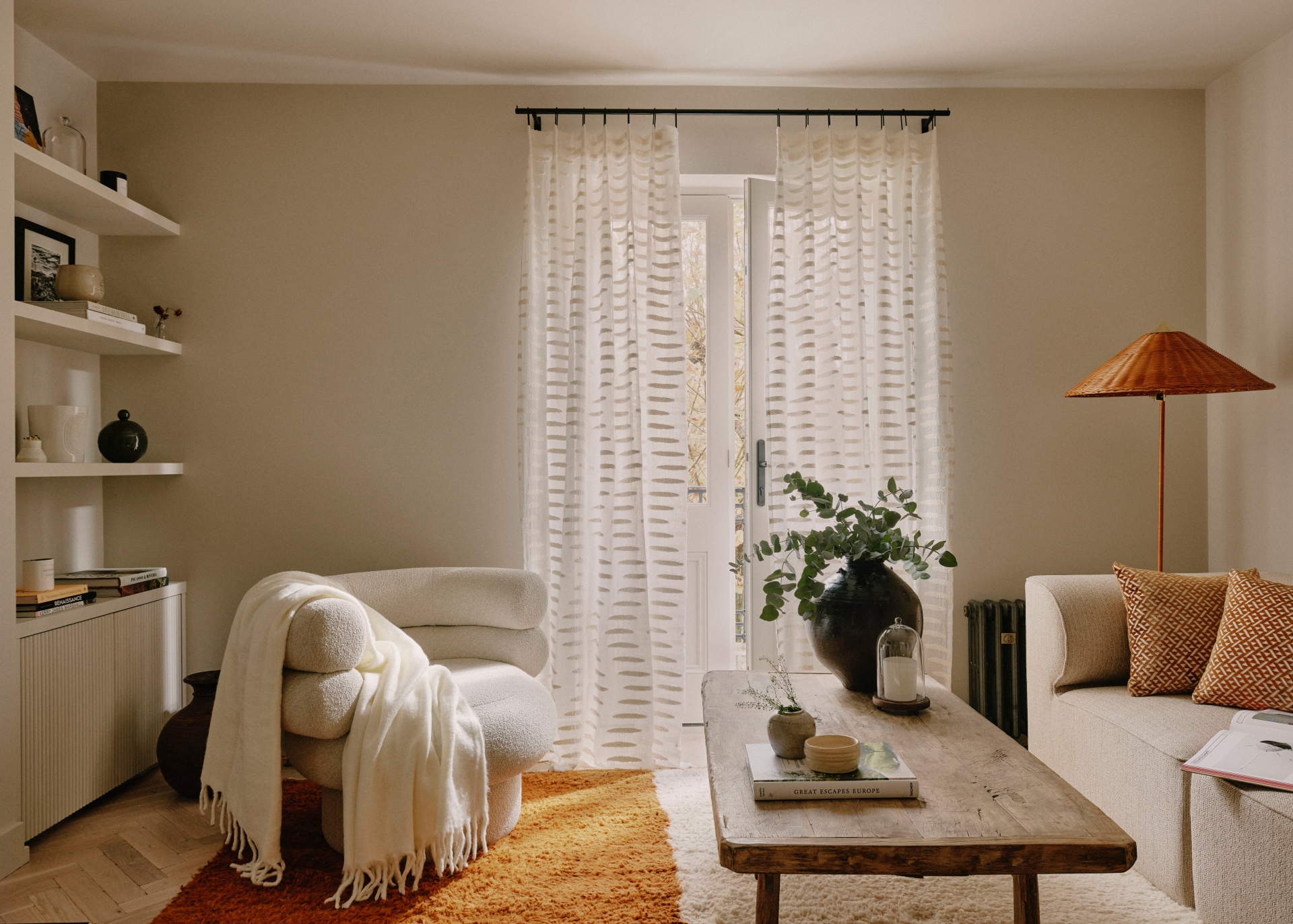
At Ember Locke, you created spaces that feel both cozy and lively. What was the hardest part of balancing those moods?
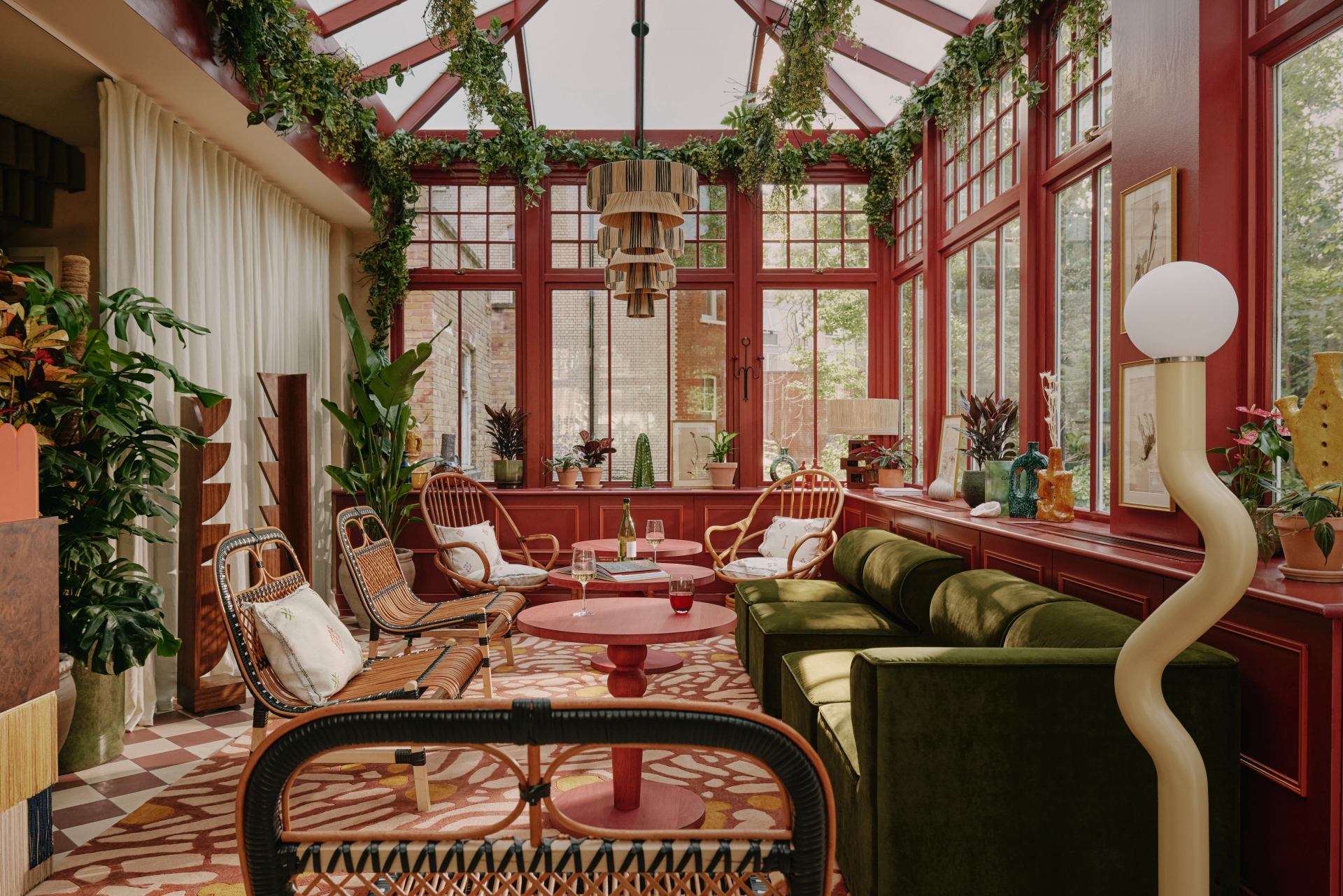
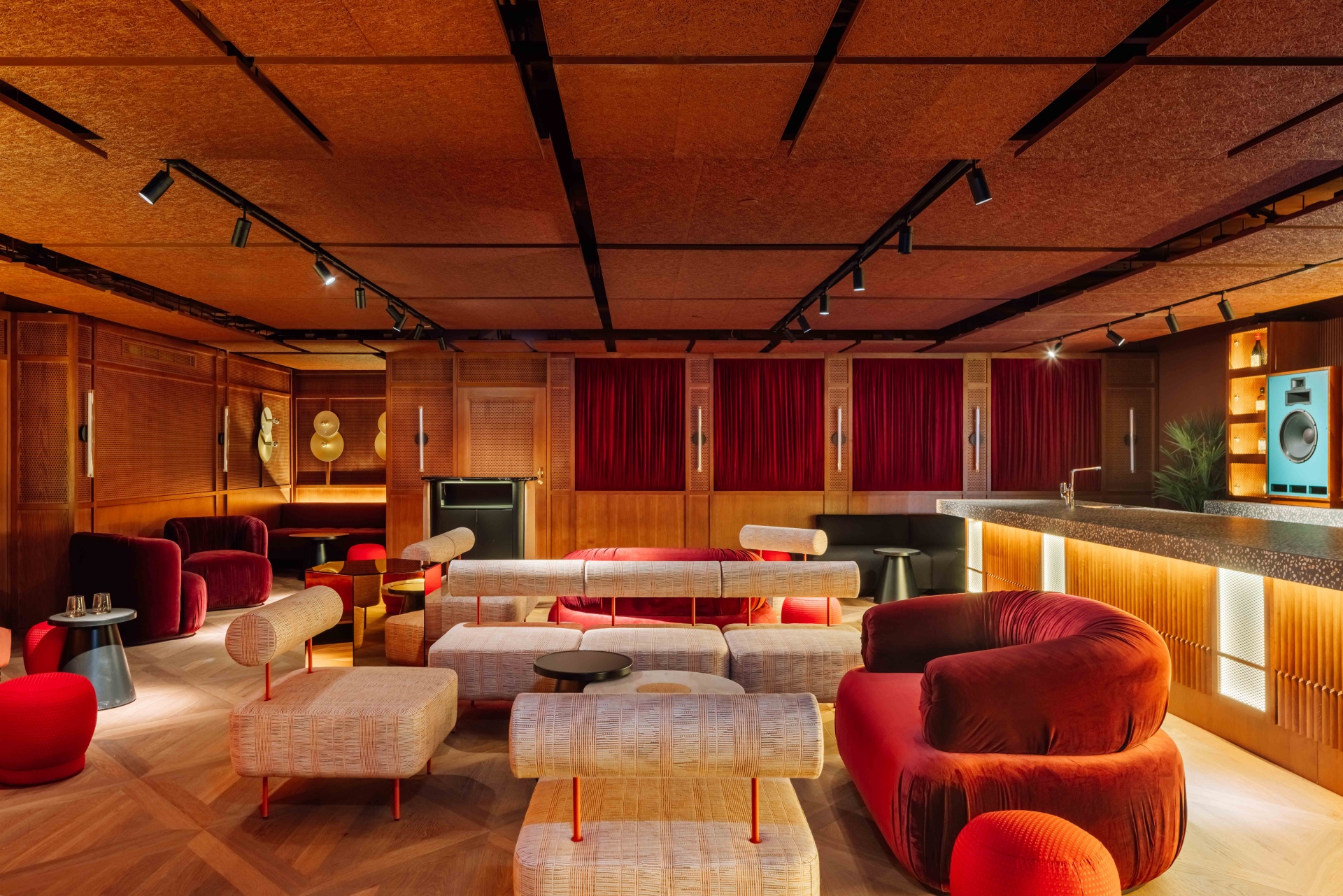
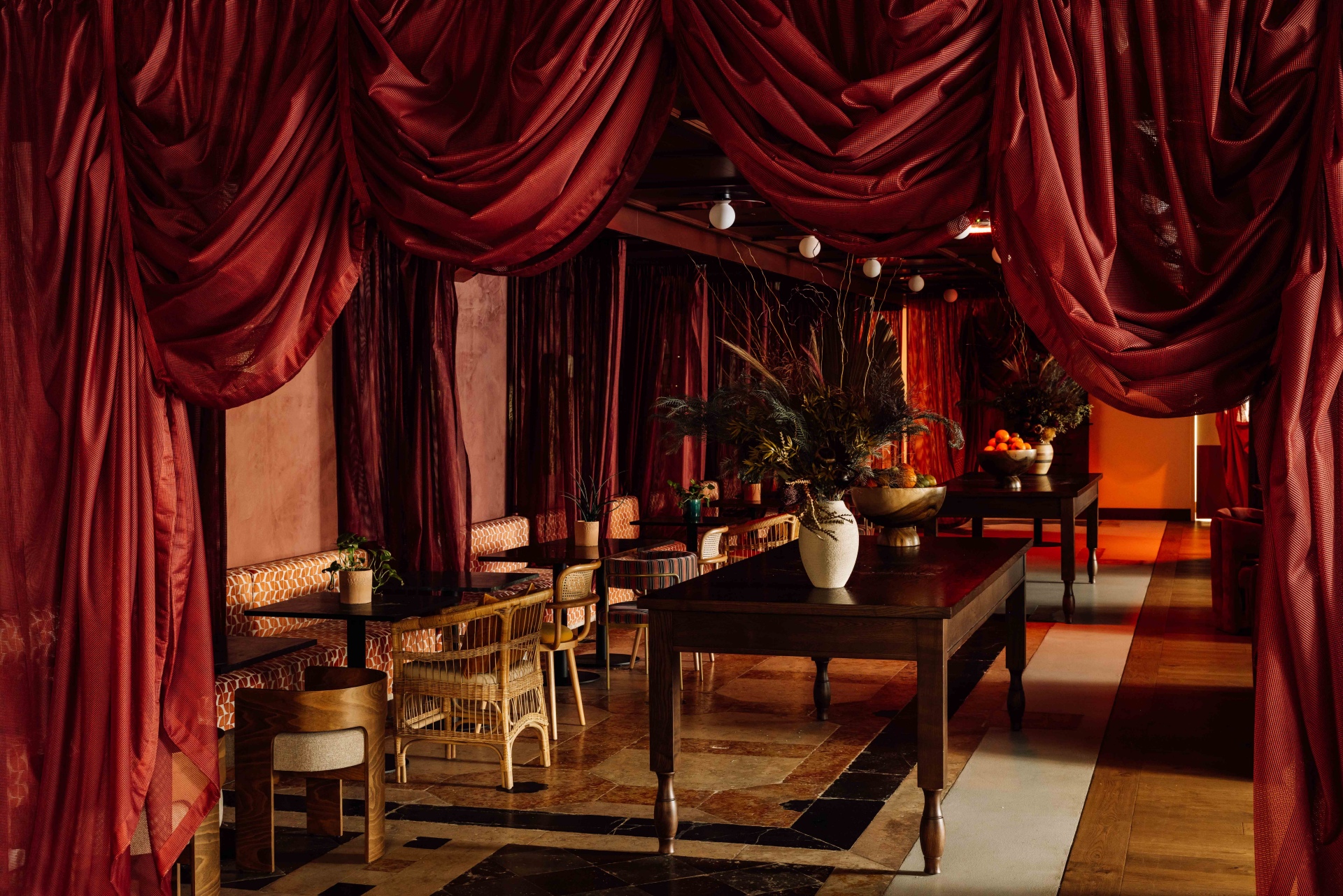
One of the key challenges was layering flamboyant patterns, rich textures and bold hues - while still crafting spaces that feel warm, relaxed and cocooning. Balancing opulence with intimacy meant carefully orchestrating vintage elements with contemporary details, and embracing colour in a way that remains comforting, not overwhelming. Framing views, using soft partitions, and sculpting flow with textiles and plants were all central to this balance.
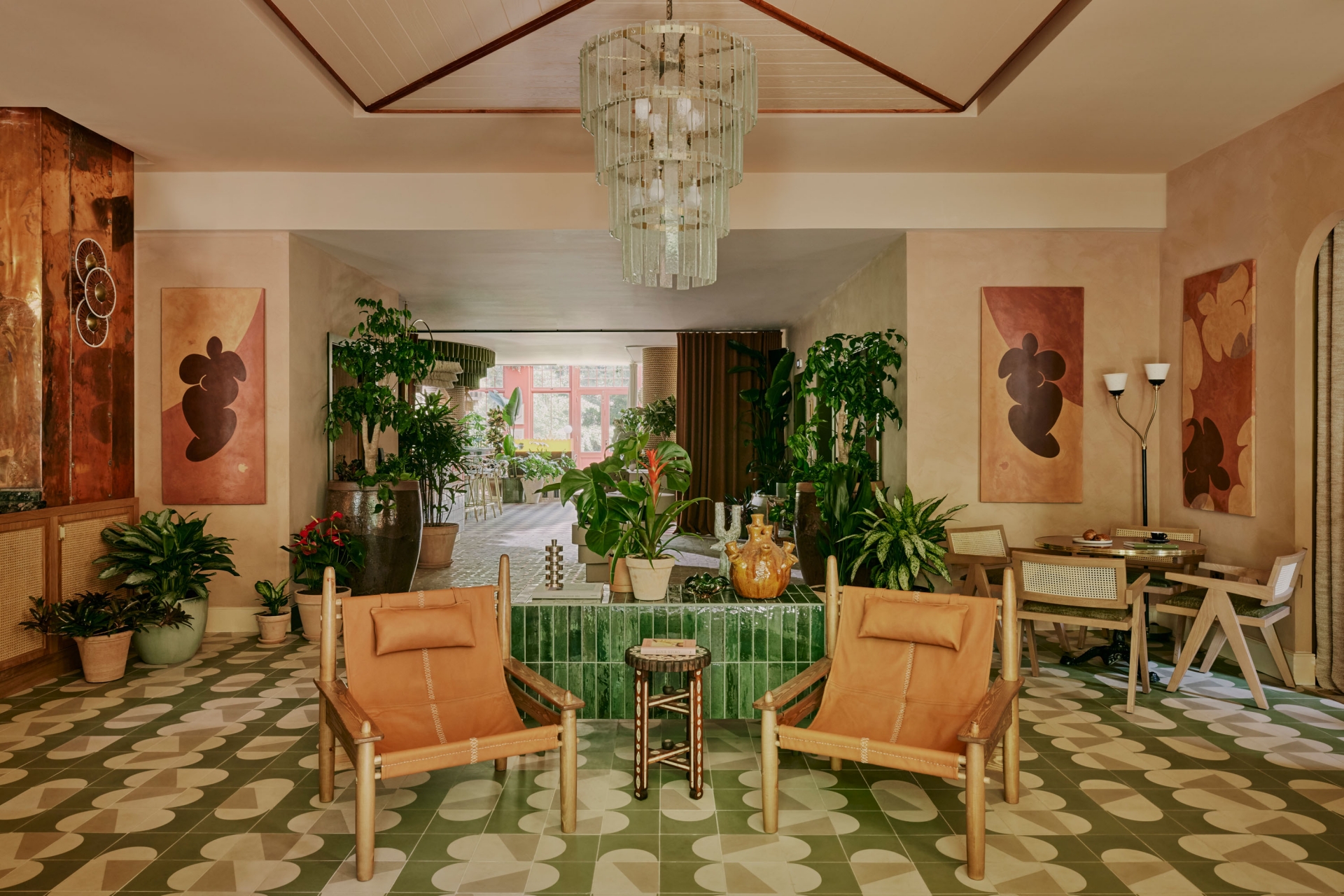
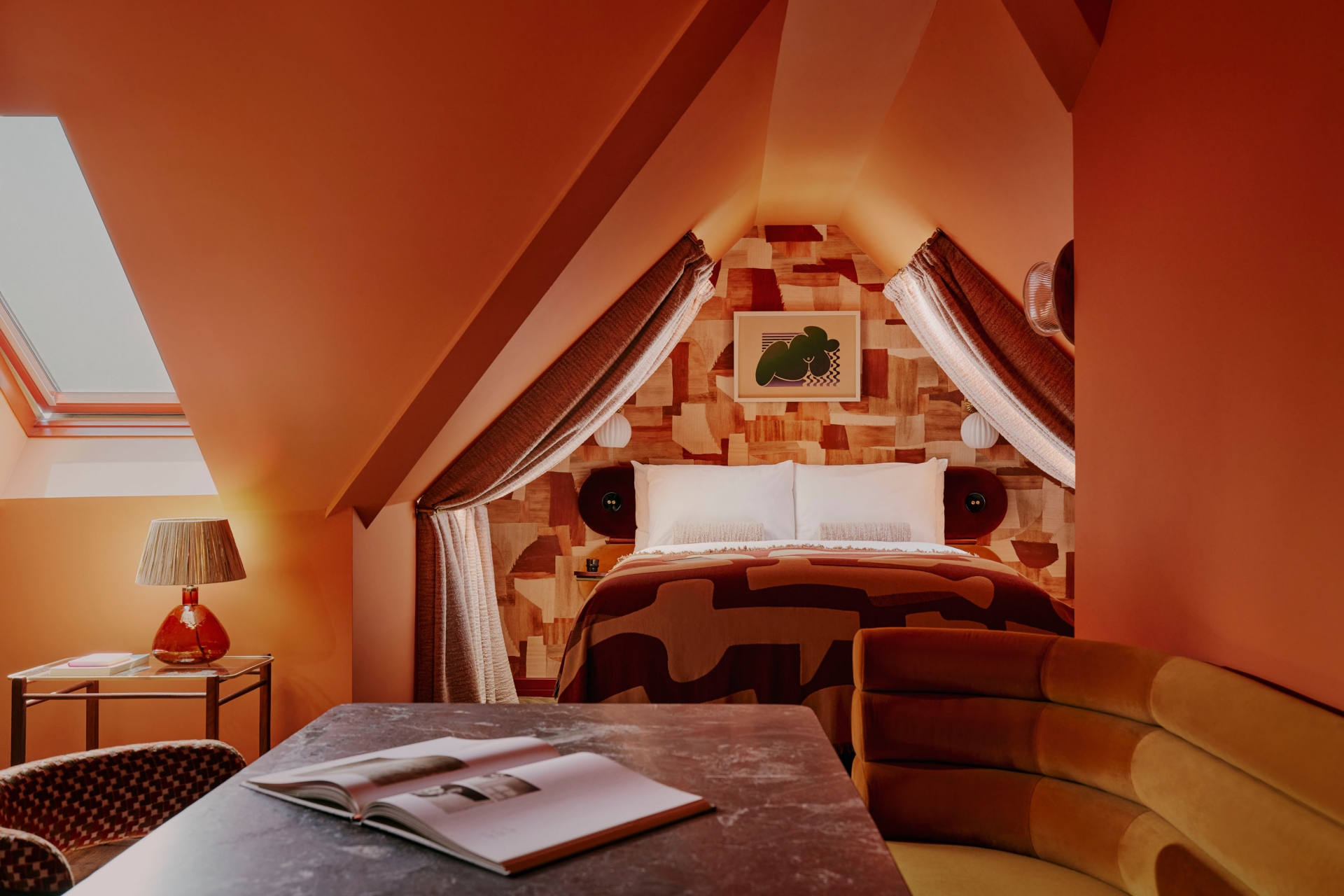
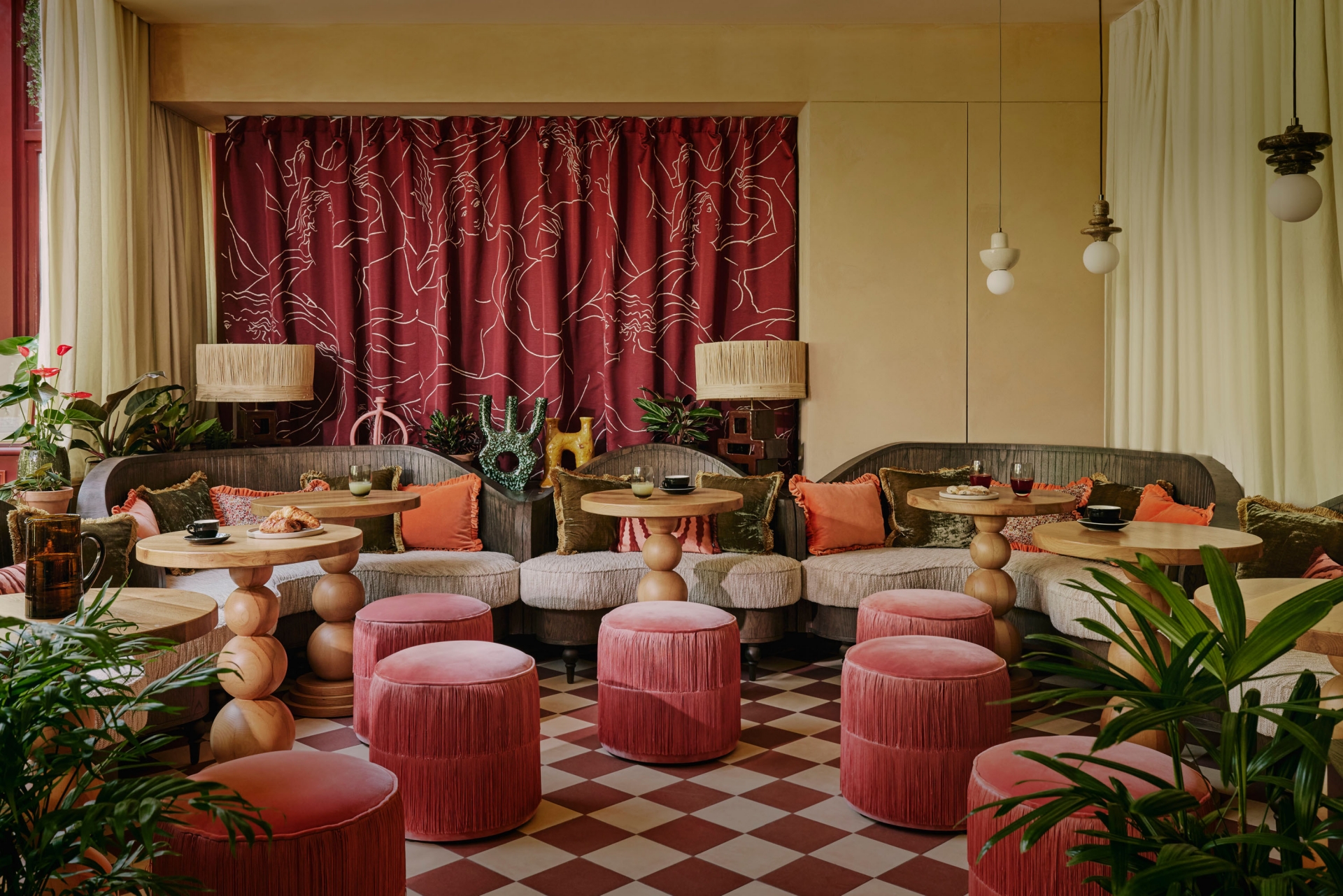
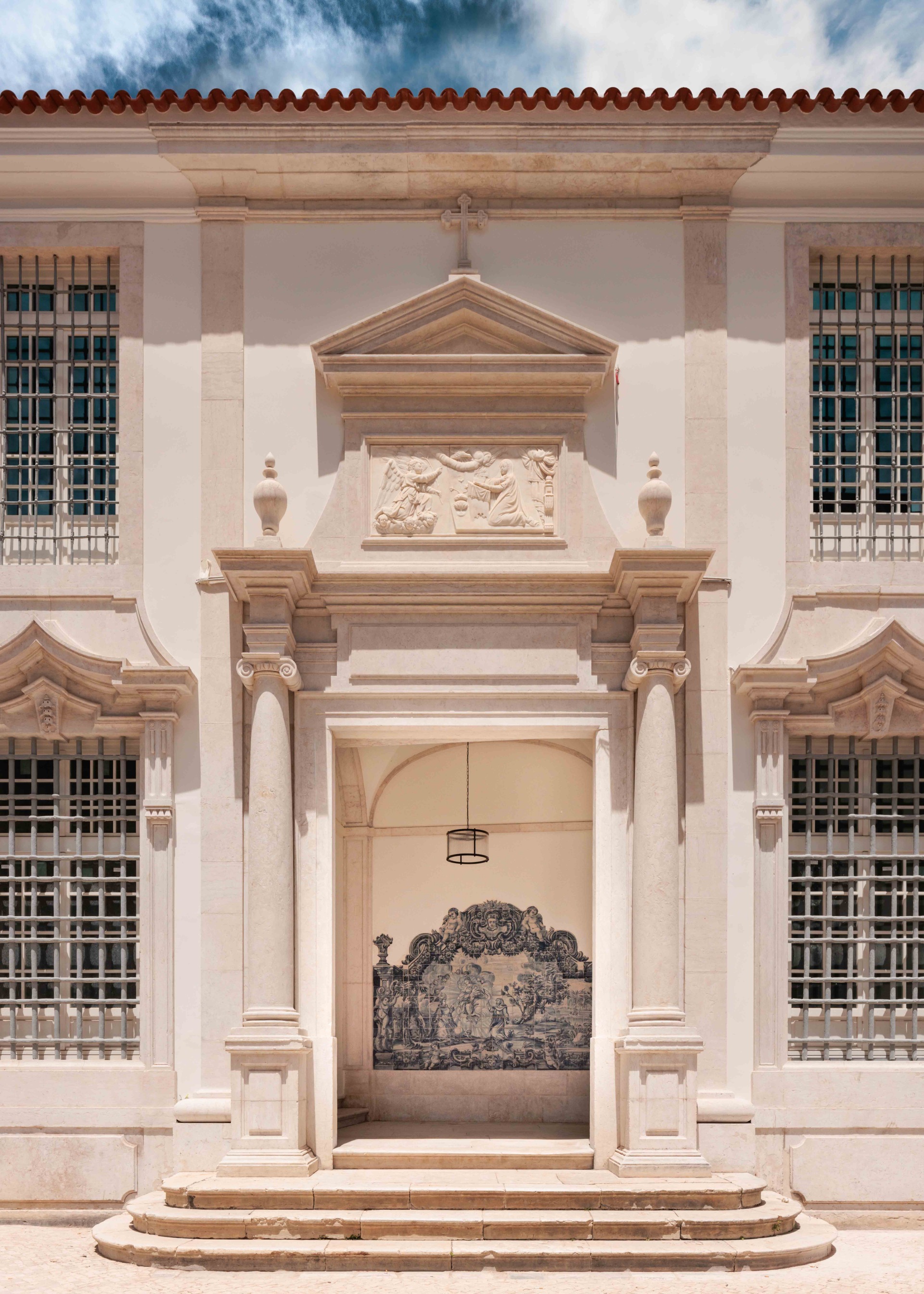
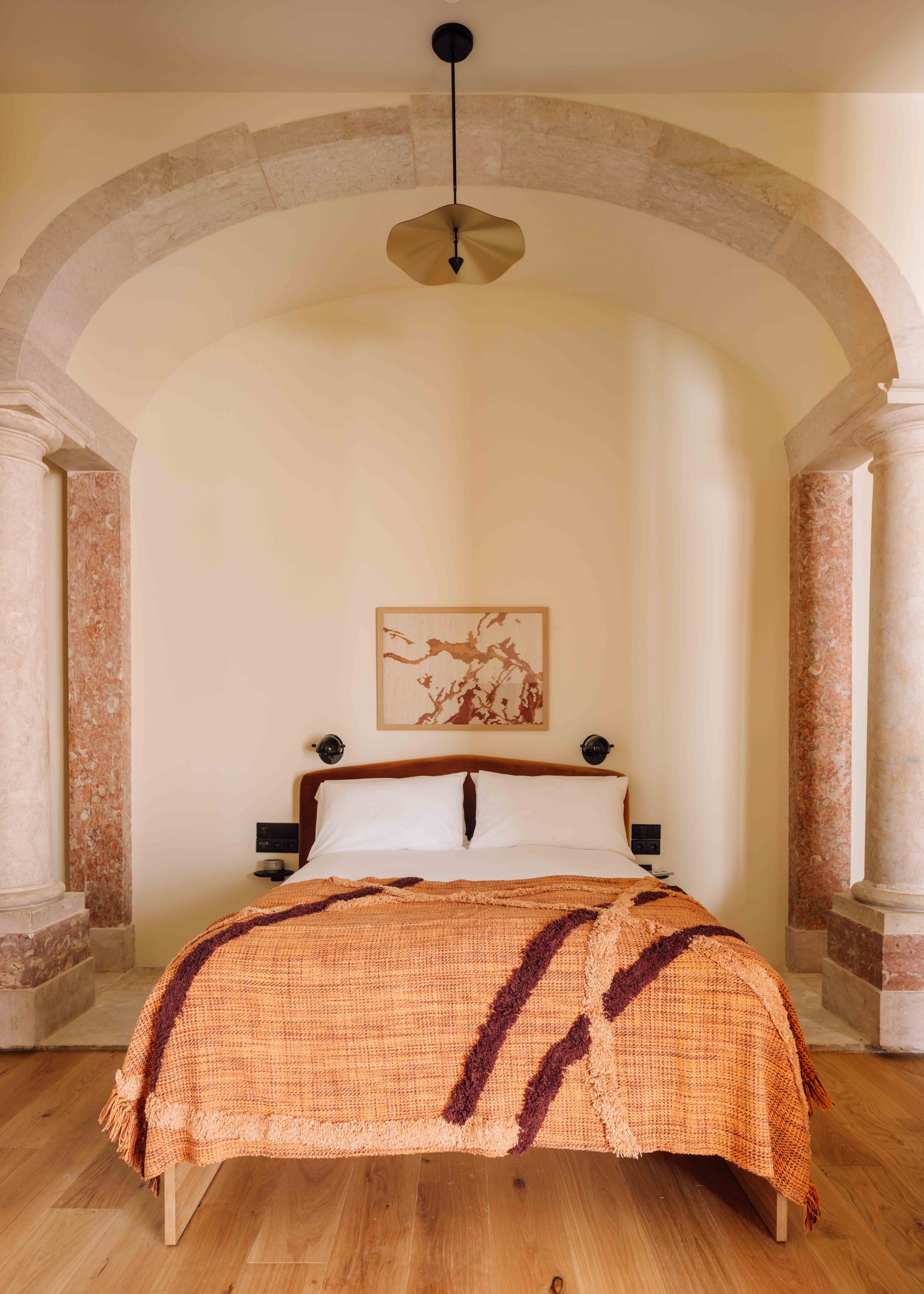
In Lisbon, you redesigned a former convent into a hotel. How did you respect its history while making it fresh and modern?
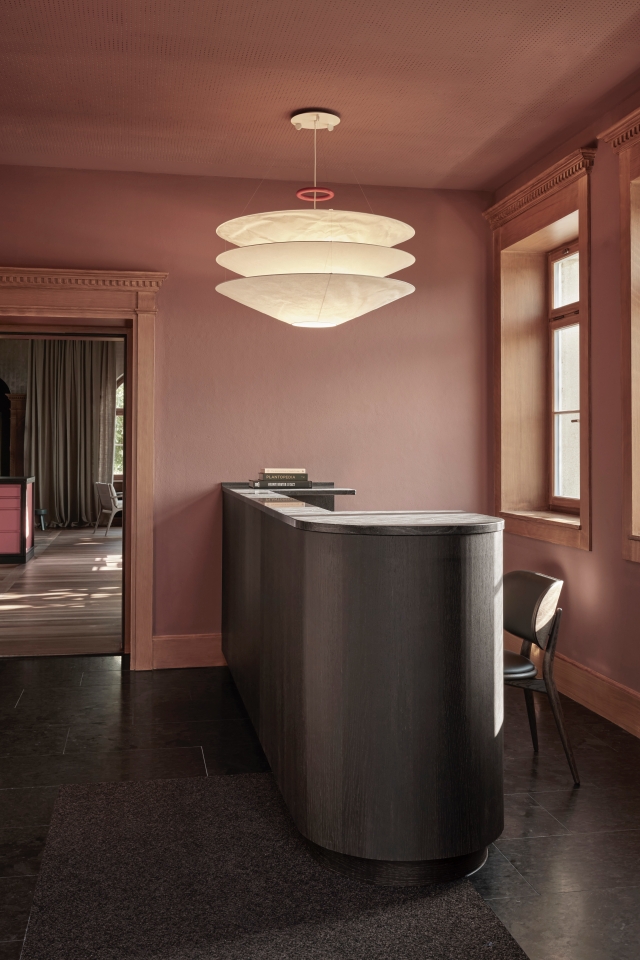
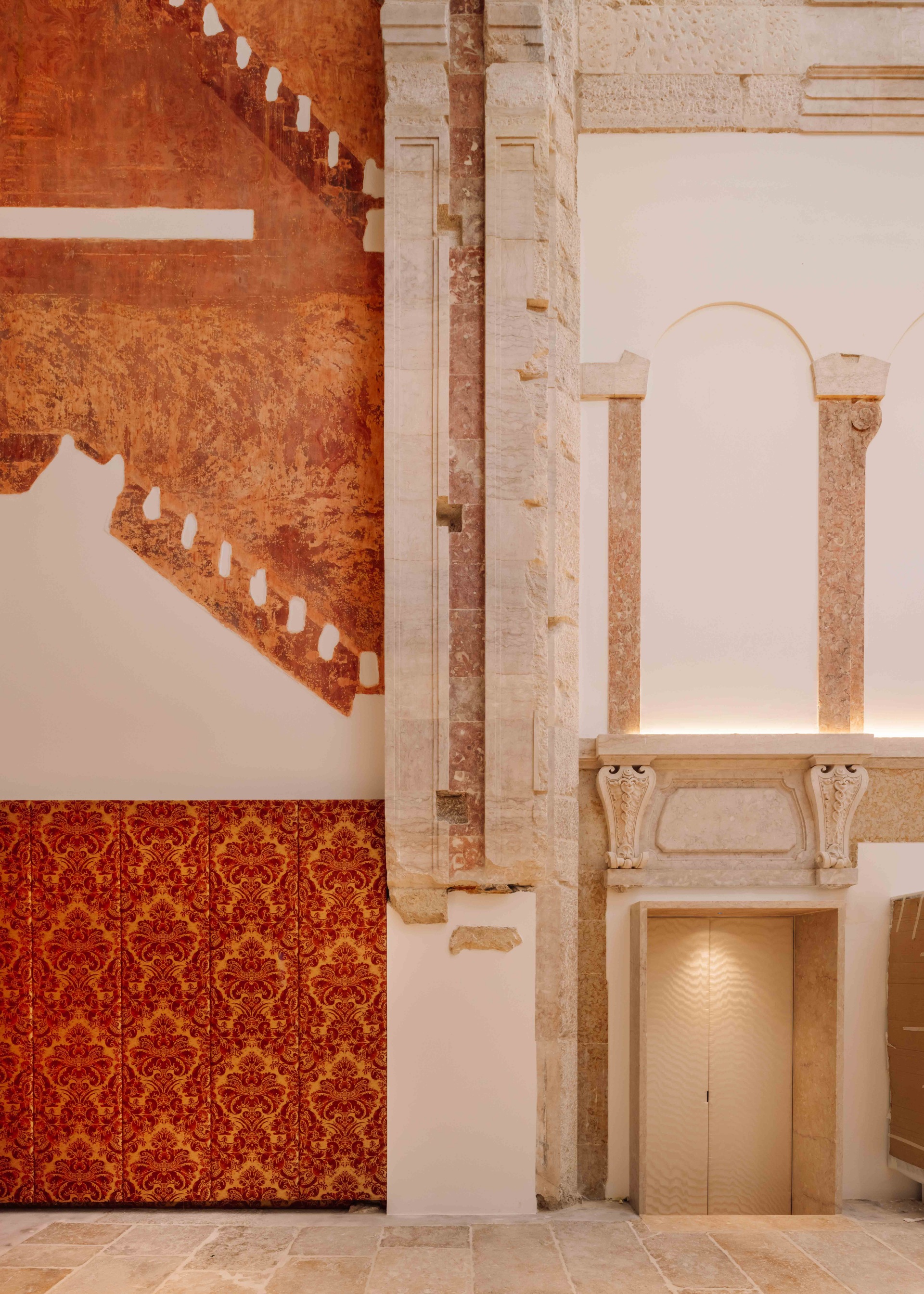
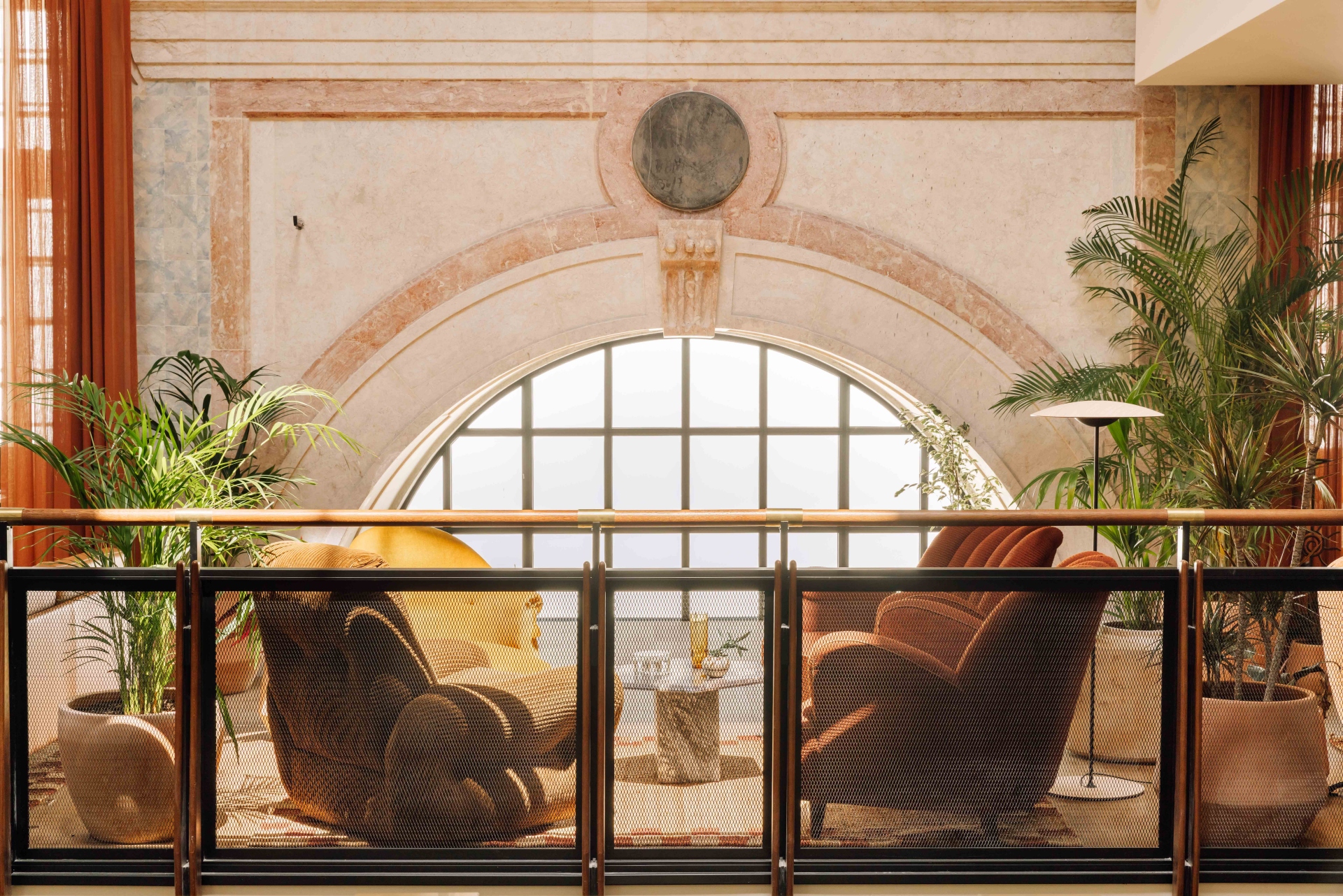
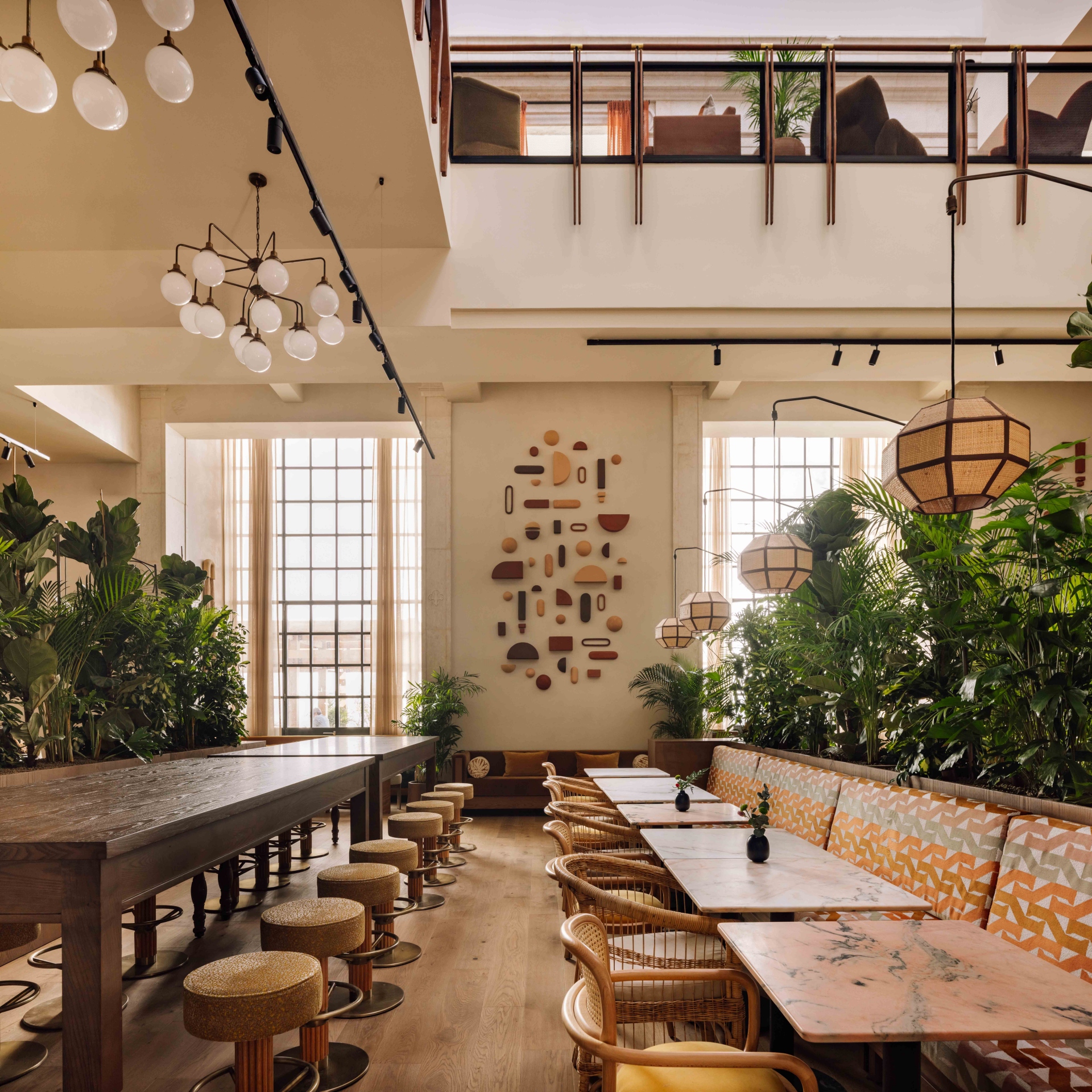
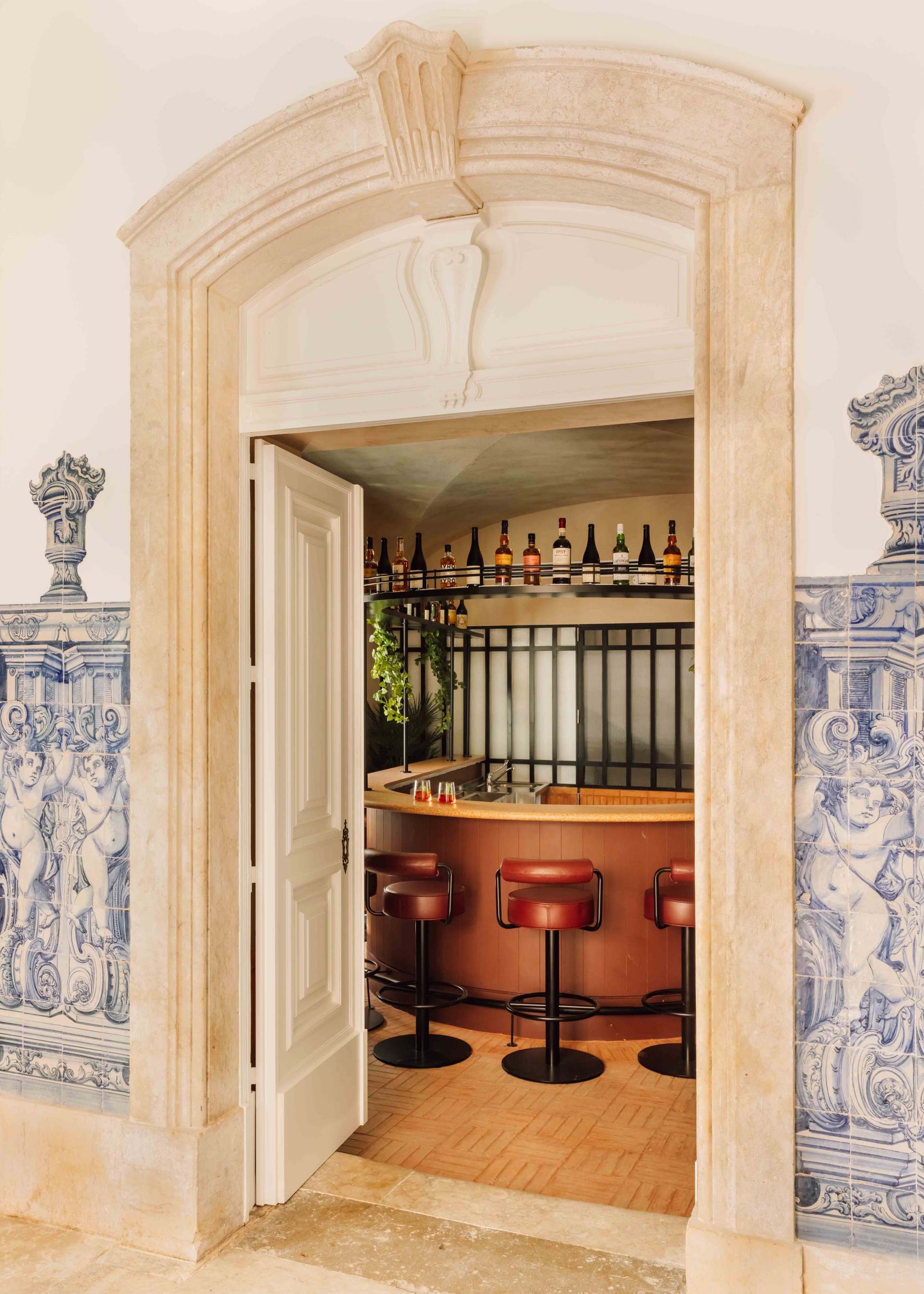
We approached the site with a deep emotional sensitivity, embracing Lisbon’s light and history through vibrant colours and tactile materials. Respecting the convent’s history was central to our approach. We preserved key architectural features - stone walls, vaulted ceilings, and original courtyards - so the building’s character and sense of place remained intact. At the same time, we introduced contemporary interventions through materials, lighting, and custom furniture, creating a dialogue between old and new. Our goal was to make the space feel fresh and modern without erasing its soul, we wanted to create a new page, so guests experience both the history of the building and a carefully crafted, sensory environment that feels alive, intimate, and distinctly layered.
You use materials like wood, clay, and stone. Why is touch and texture so important in your work?
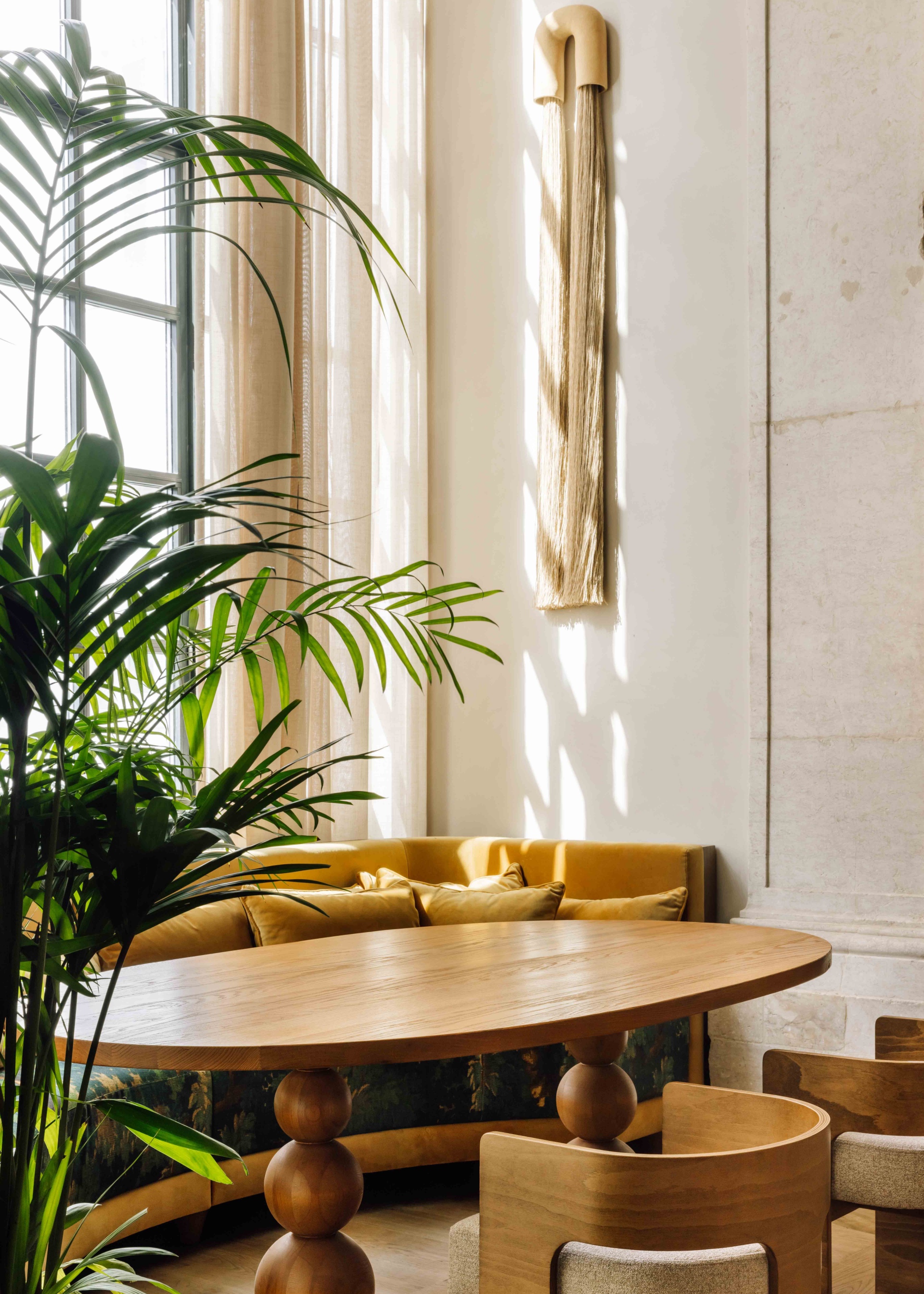
Texture connects people to space on an instinctive level. We use materials such as chamotte clay, natural fibres, volcanic stone, and hand-finished metal to provoke a sensory response. Touch and texture are central to how we design. Engage the senses and create an emotional connection to a space. Humans relate deeply to memories, and over a lifetime we store millions of them—through touch, textures, and even smells. For us, these sensory experiences are a subtle way to surface memories, to evoke feelings, and to let a space quietly tell the story of life lived within it.
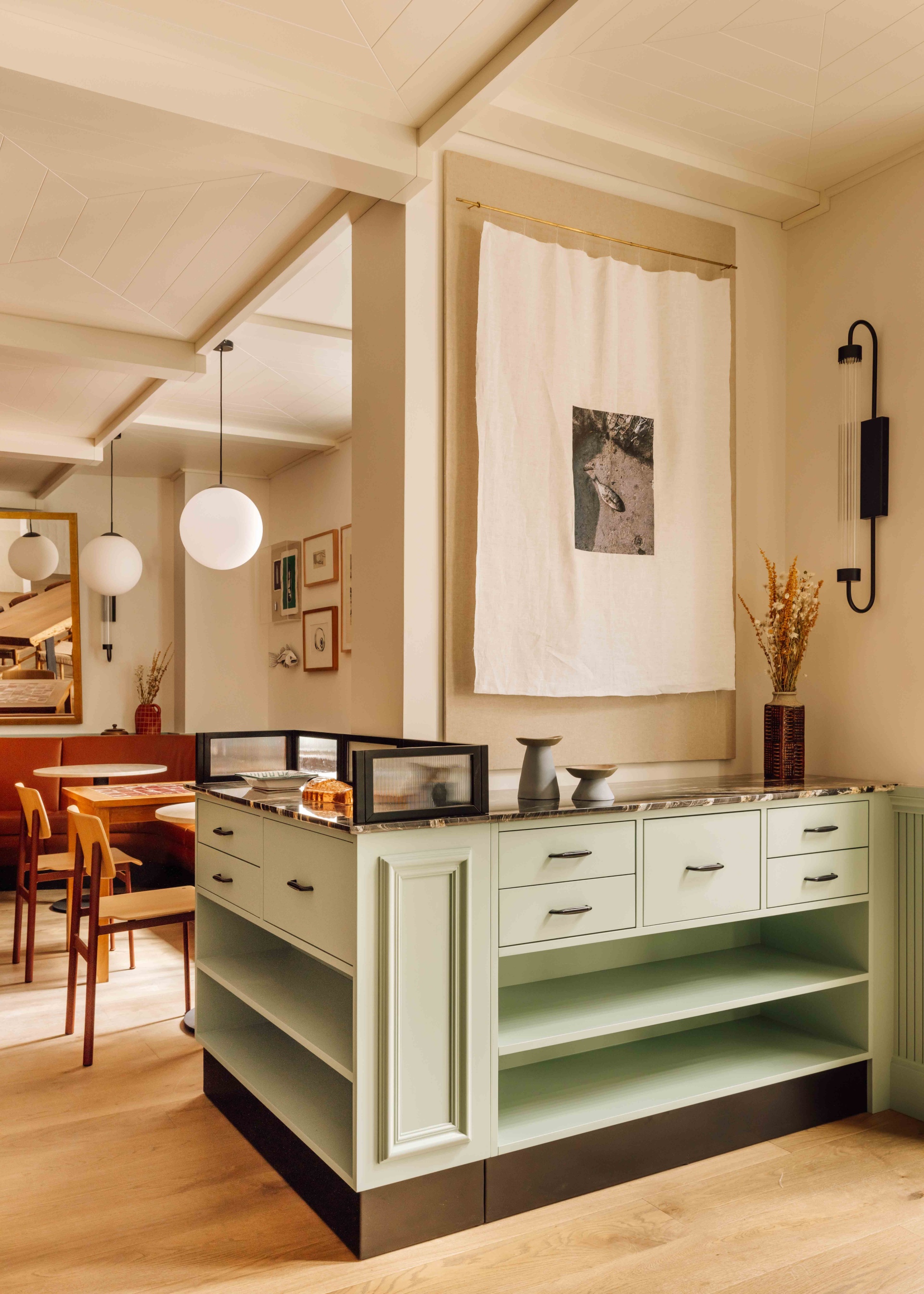
Art plays a big role in your projects. How do you decide when art should stand out, or when it should blend into the space?
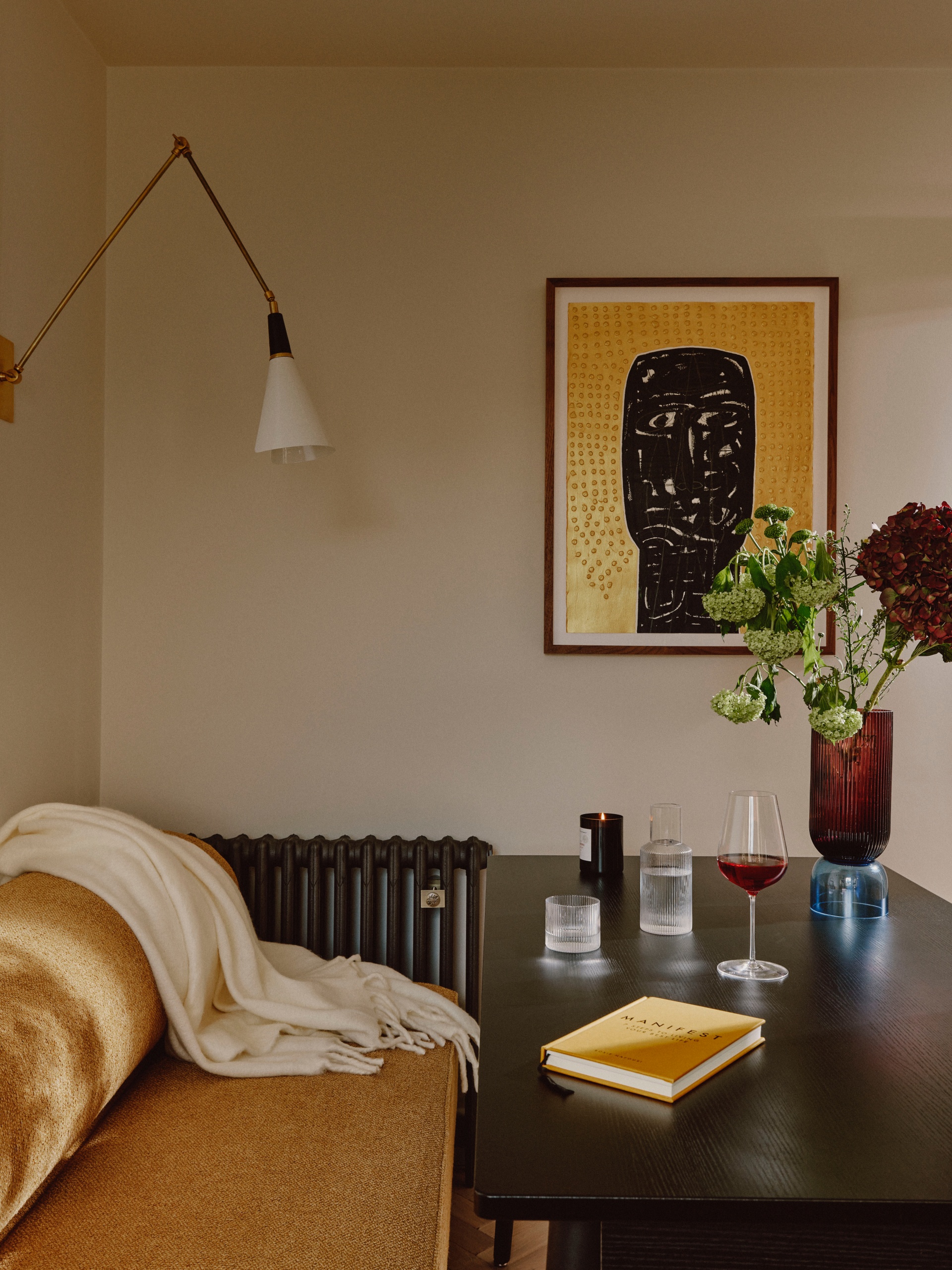
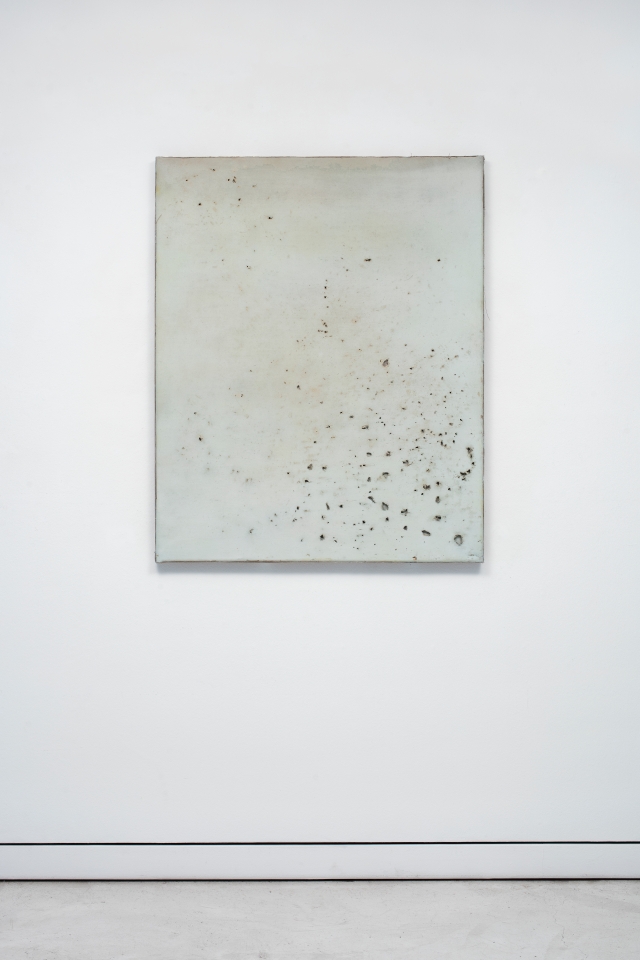
Art is part of the conversation from the very beginning, shaping the narrative of each space. Some works become anchors, drawing the eye and defining the rhythm of a room, while others blend quietly into the material palette or architectural elements. We were fortunate to work with a client deeply sensitive to very different artistic universes, which expanded our own perspective. Some pieces sparked an immediate connection, others were a challenge to integrate, yet each held real emotional value for her, guiding our vision based on the feelings they would evoke. At Locke de Santa Joana, we collaborated with local artists to create site-specific works that root the hotel in its context, while subtle references to other artists introduce a cosmopolitan layer. We always consider how art can either ground a space or elevate it, depending on the emotional atmosphere we’re building, ensuring that each piece feels intentional, meaningful, and part of the larger story.
You’ve said design needs an emotional layer. How do you keep that feeling alive when projects get busy with deadlines and details?
For us, the emotional layer is key. A space that feels soulless isn’t worth developing, so even amidst the busy rhythms and deadlines of a project, we constantly confront our decisions through the narrative we want to build. We ask: how should this space feel? What do you notice first? What is the impression when you enter? What would you want to touch? Sketches, mood boards, and material samples help keep us connected to these questions, ensuring every choice serves the story we’re telling. This ongoing questioning evolves throughout the project, guiding us to create spaces that are both functional and alive - places that evoke feeling, memory, and delight.