
PODCAST
WHAT MAKES A GOOD CONVERSATION? LOOK NO FURTHER THAN OUR ART OF THE CONVERSATION, FEATURING UNCONVENTIONAL STORIES AND PEOPLE WHO MOVE AND INSPIRE
LISTEN NOW


Inspired by Milanese interiors, the project draws on the tradition of enfilade spaces and the city’s rich material palette to create a layered and immersive experience. Conceived as an architectural interpretation of the brand’s essence, the design translates Polène’s dedication to craftsmanship, natural sensibility, and sculptural form into a refined spatial language.
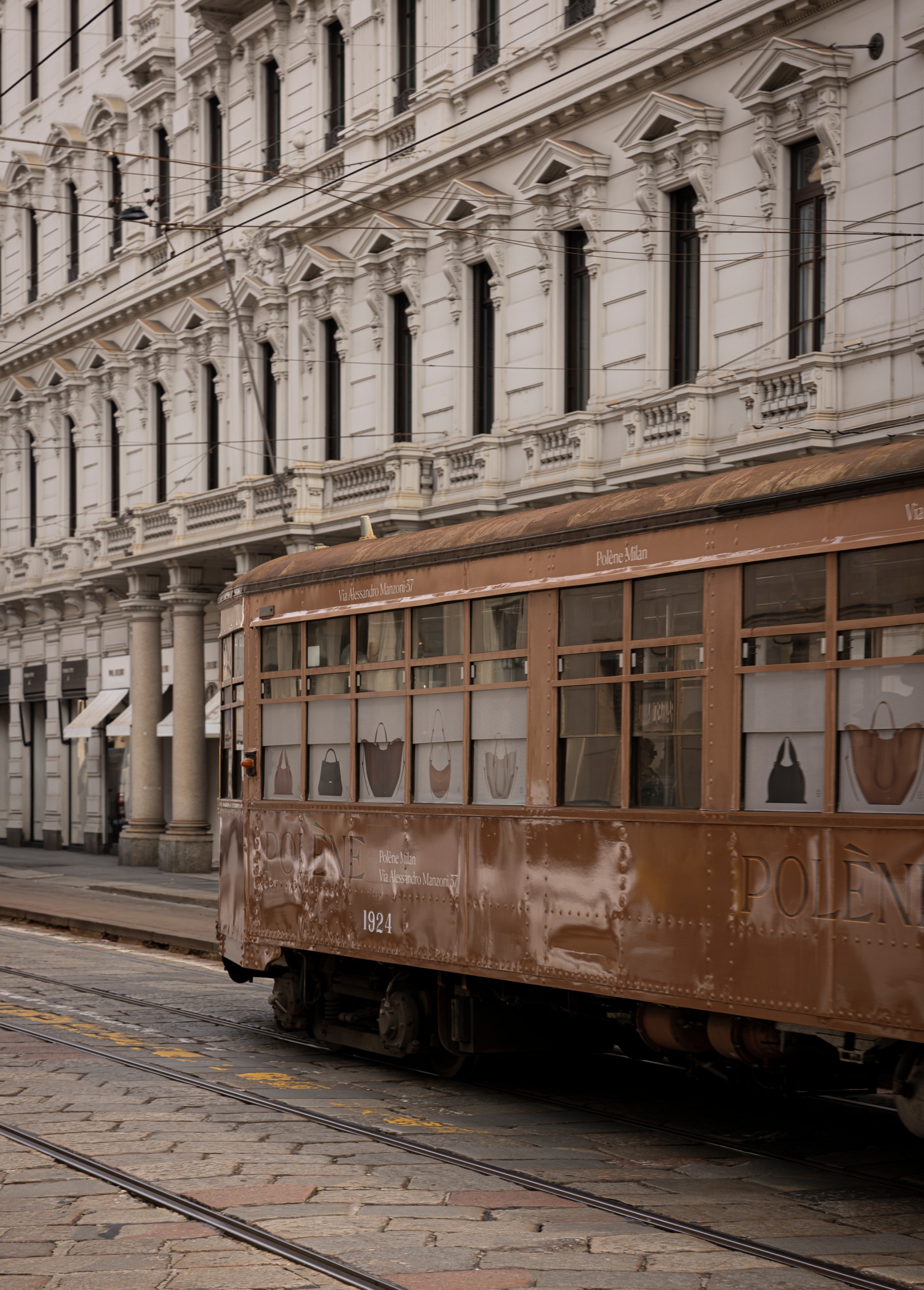
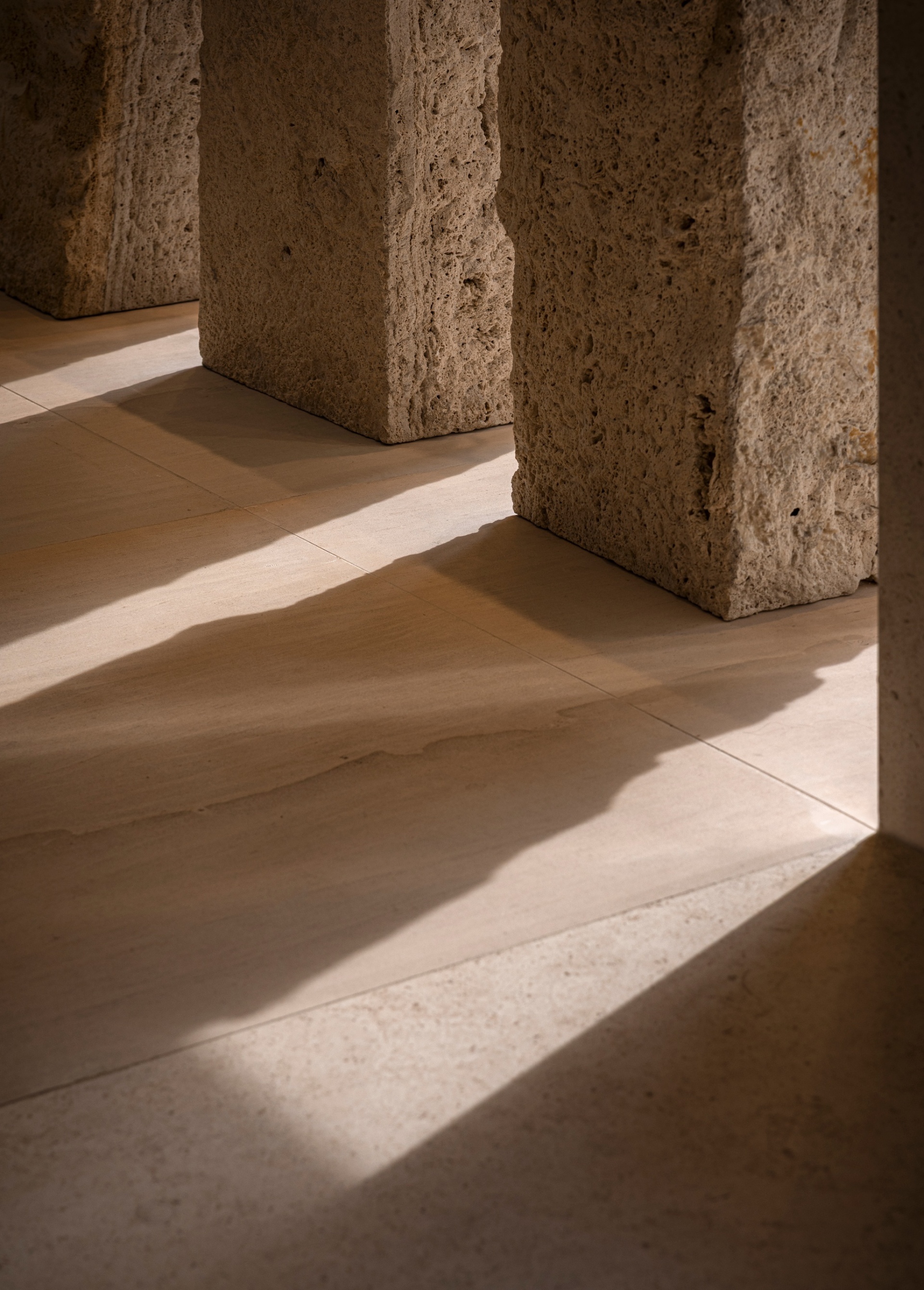
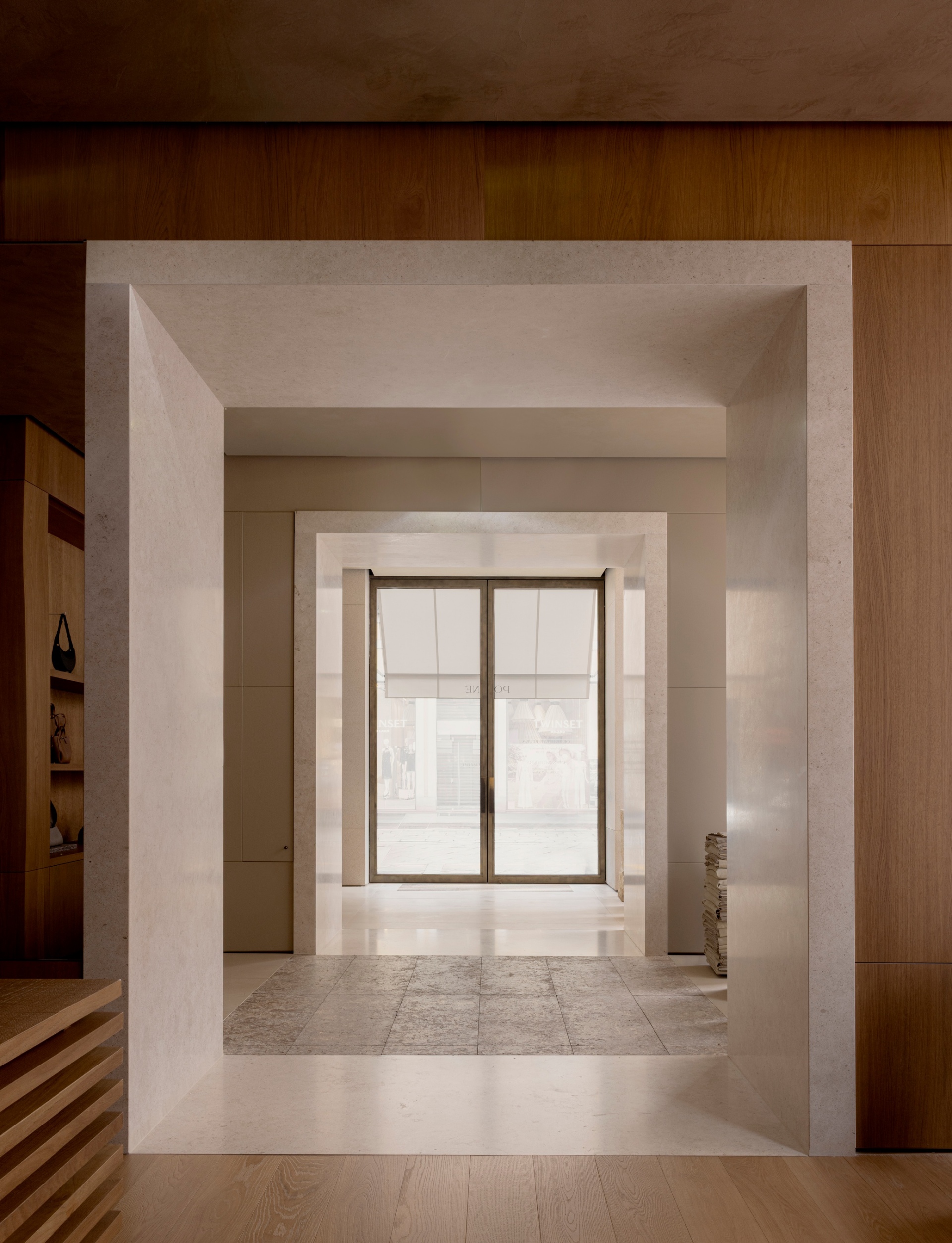
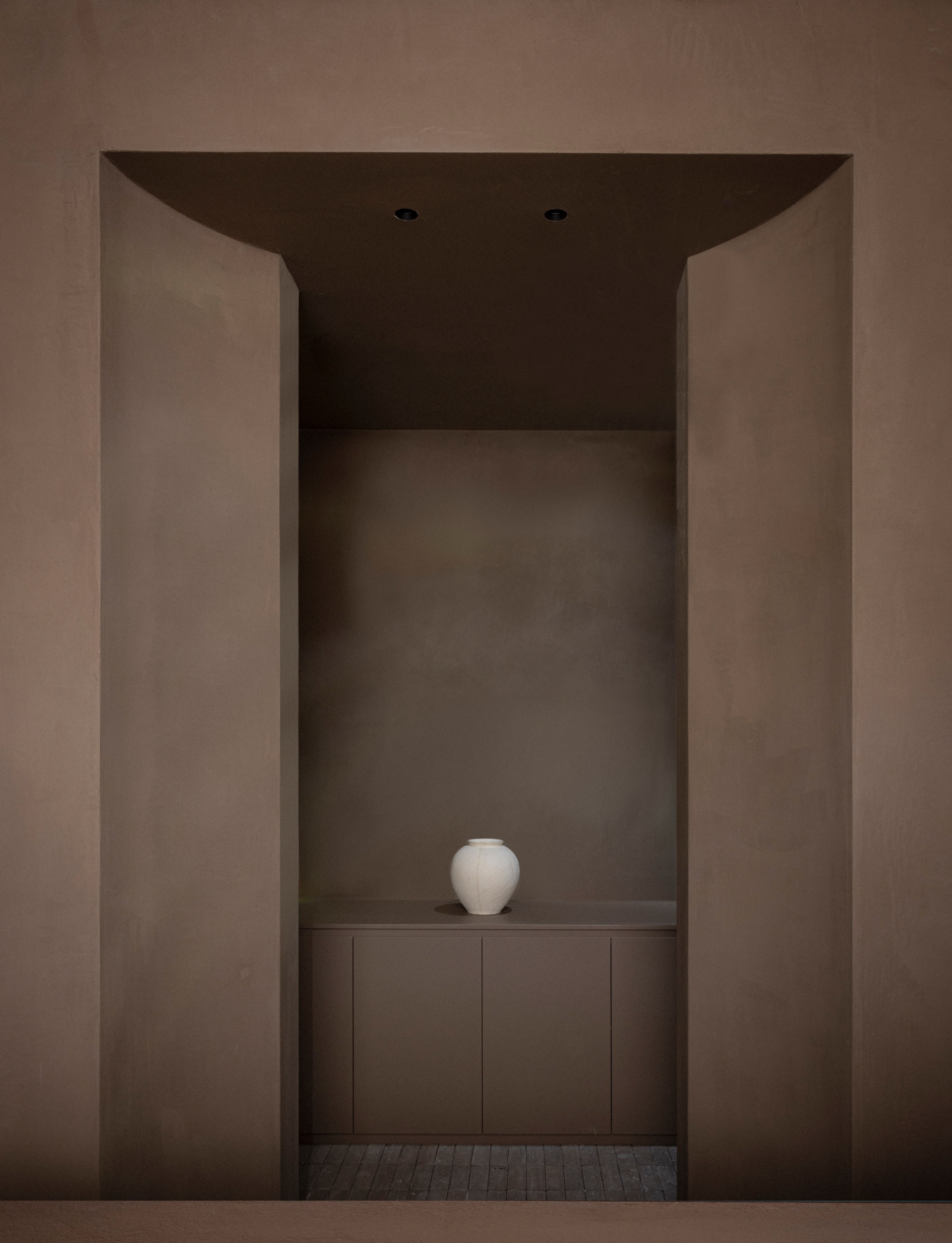
Drawing from Milan’s distinctive architectural character – where restrained façades often conceal richly articulated interiors – the new Polène store reveals itself gradually. Beyond its calm exterior, a series of rooms aligned in enfilade, inspired by traditional Milanese interiors, establishes a clear visual axis, guiding the body intuitively through space while allowing moments of pause and discovery along the way. Each threshold frames the next, creating a layered progression where perspective, proportion, and materiality work in harmony. reveal the beauty of transformation as matter is shaped, softened, and elevated through craft. Subtle curvatures and softened geometries echo the organic language of the brand, while carefully choreographed moments such as the discreet movement of staff behind curtain-like thresholds introduce a quiet theatricality to the experience. At the end of the sequence, a ceramic installation anchors the space, drawing the eye forward and offering a contemplative pause that gathers the journey into a single, resonant moment.
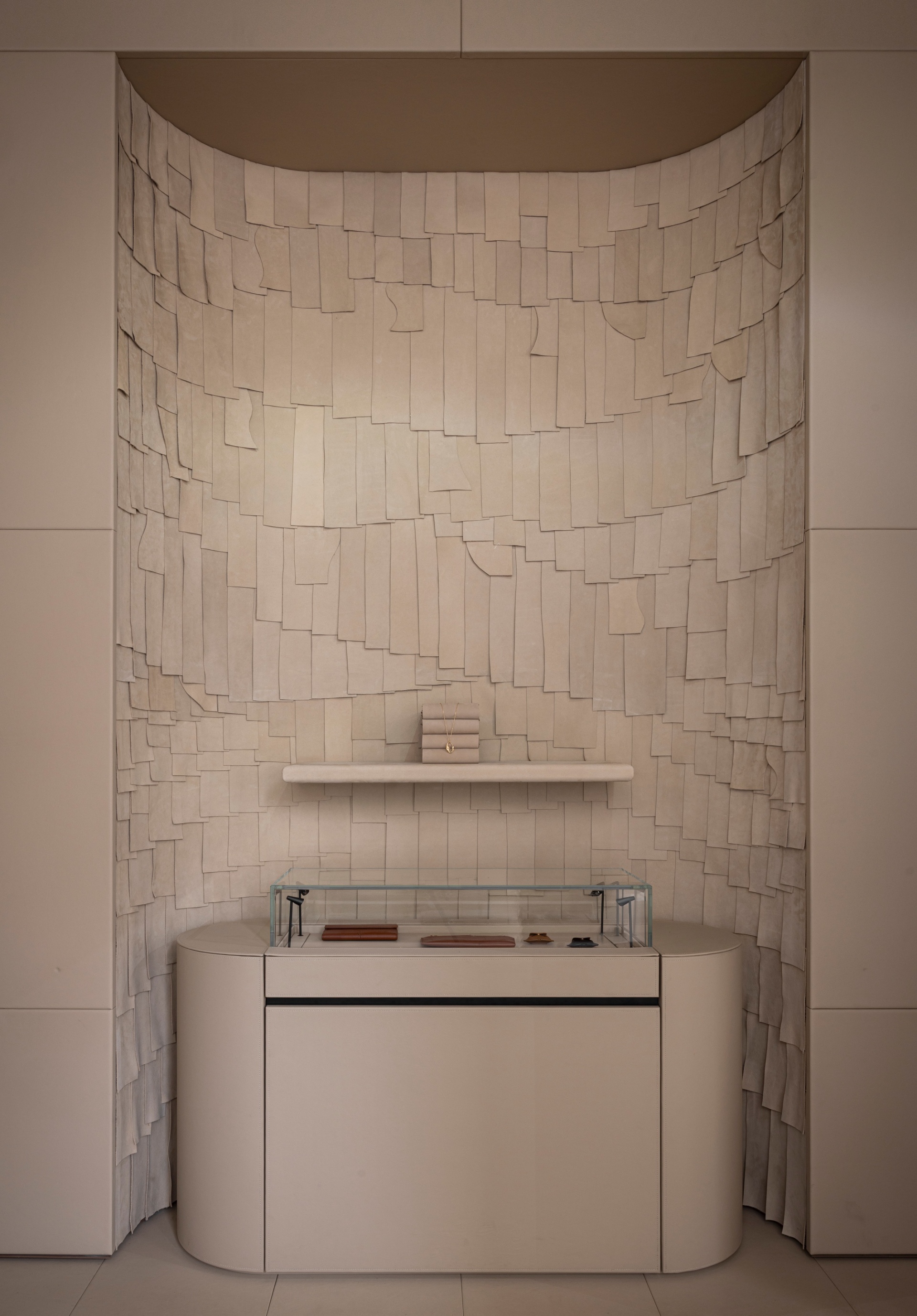
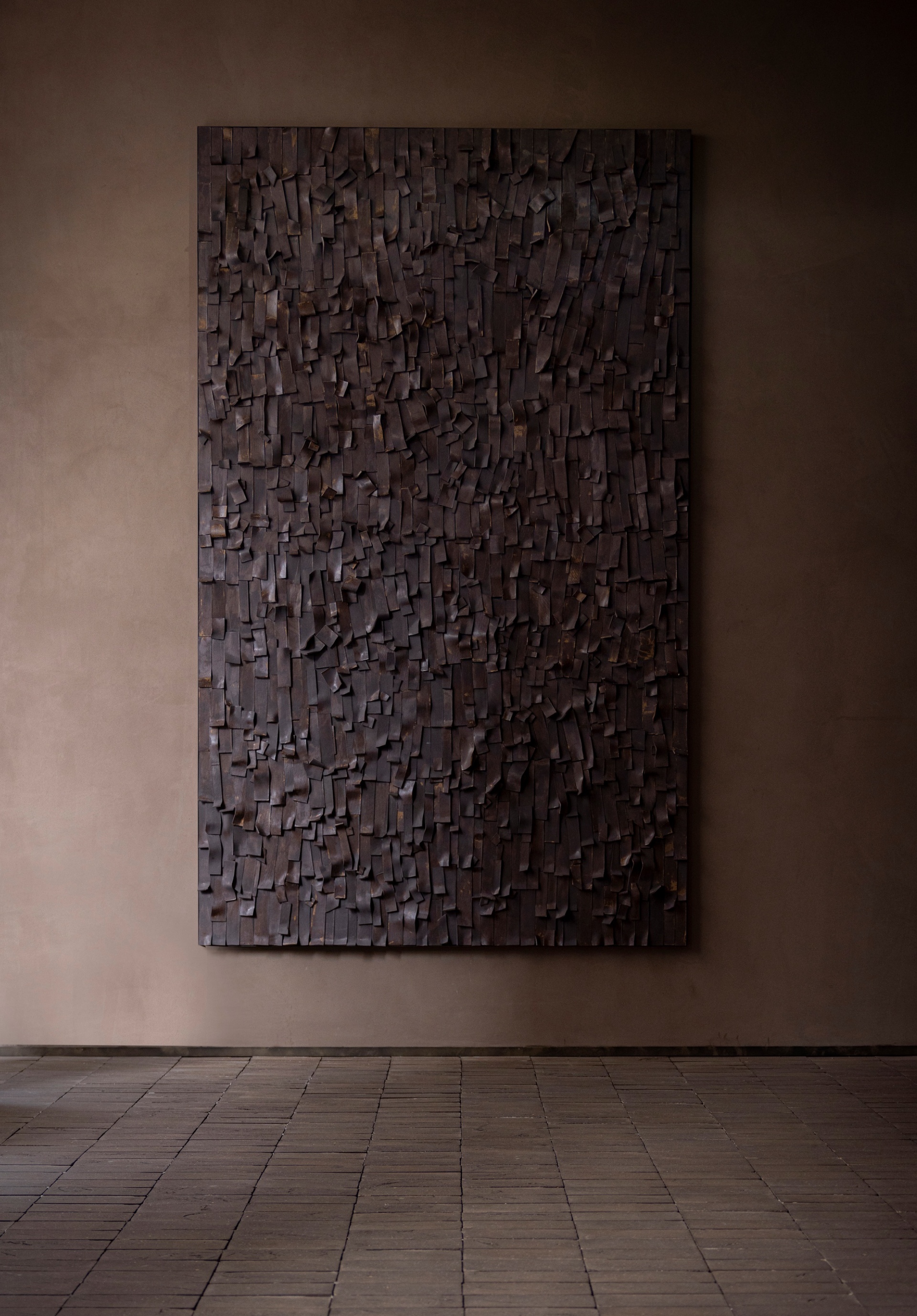
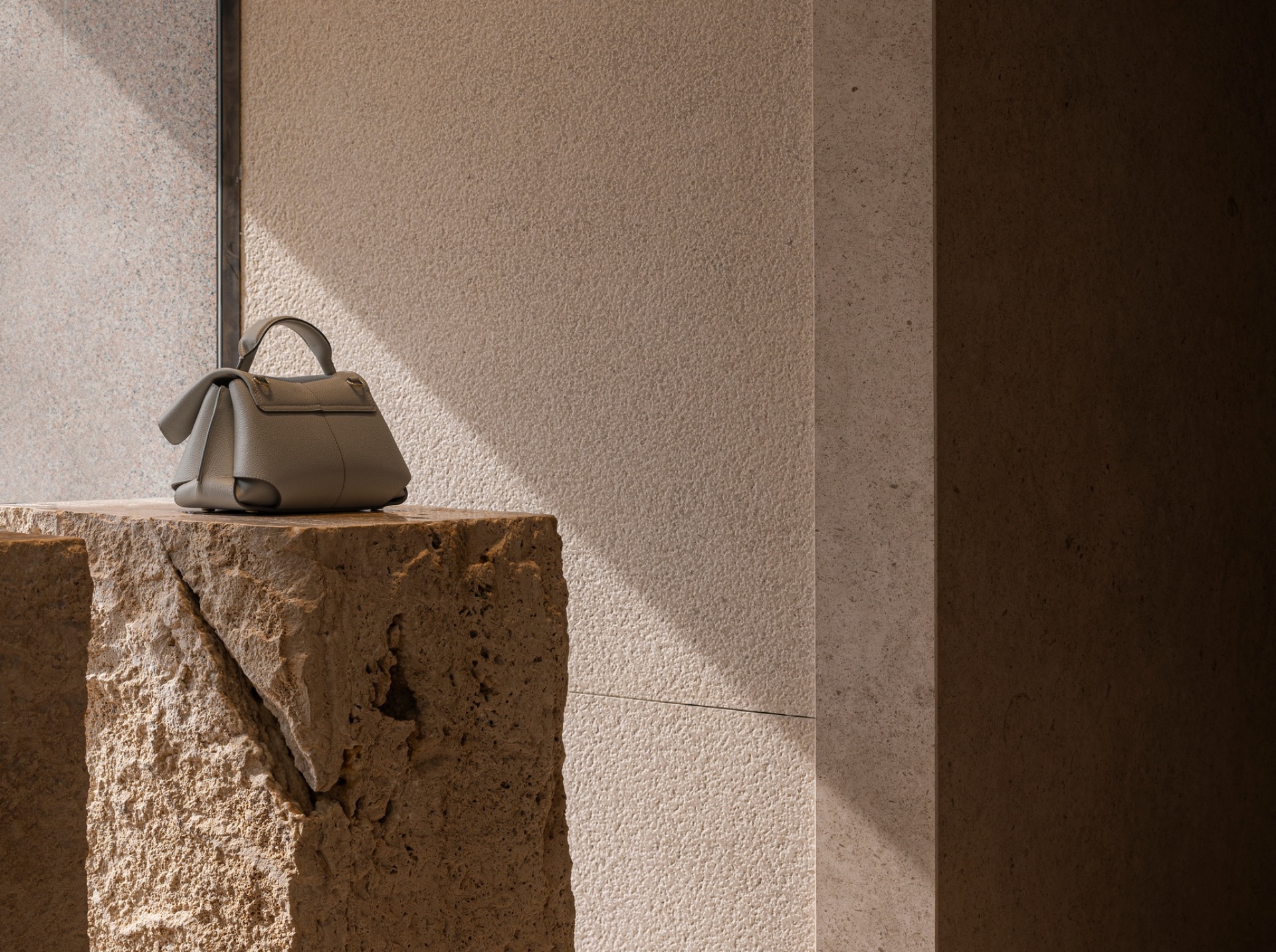
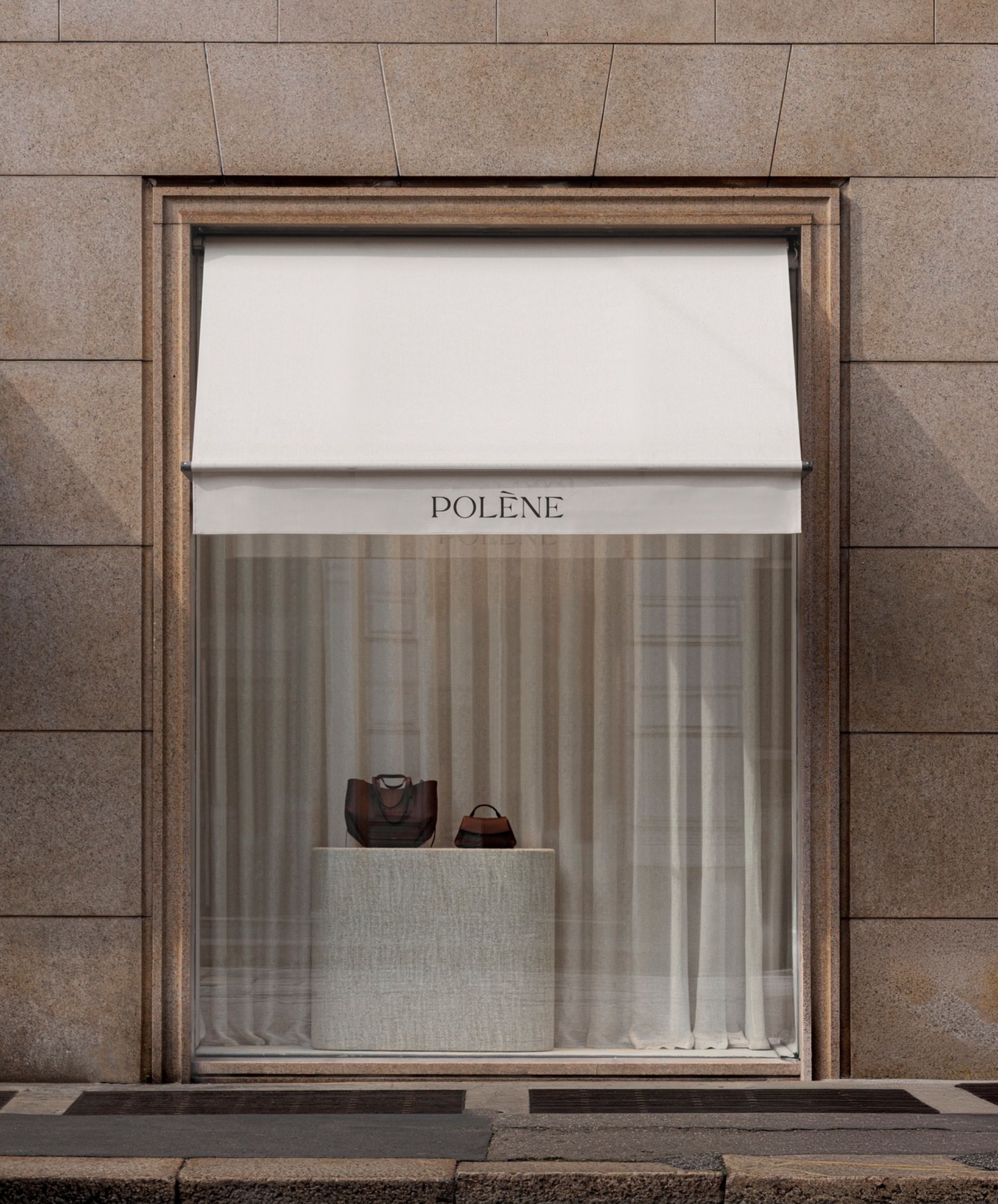
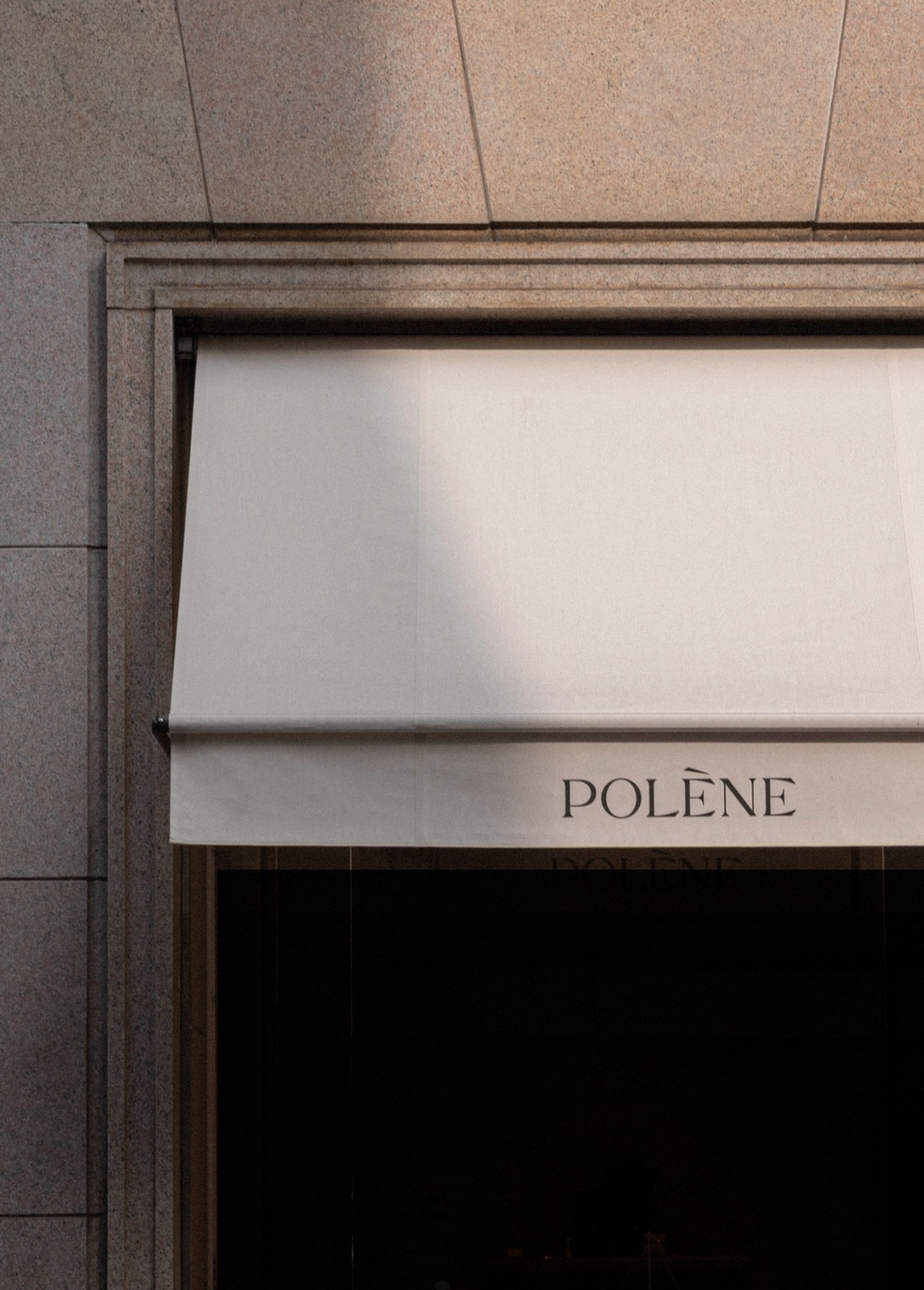
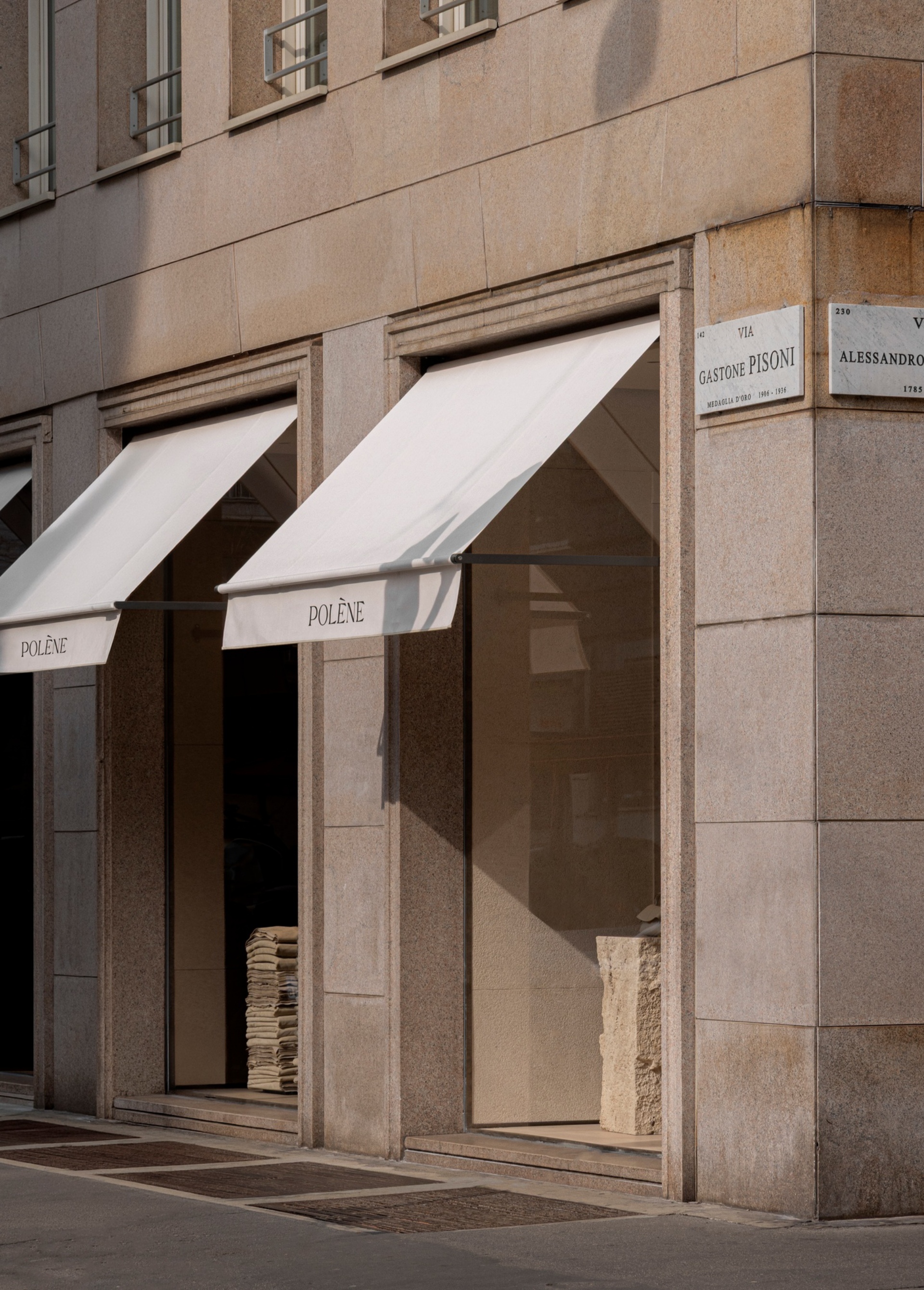
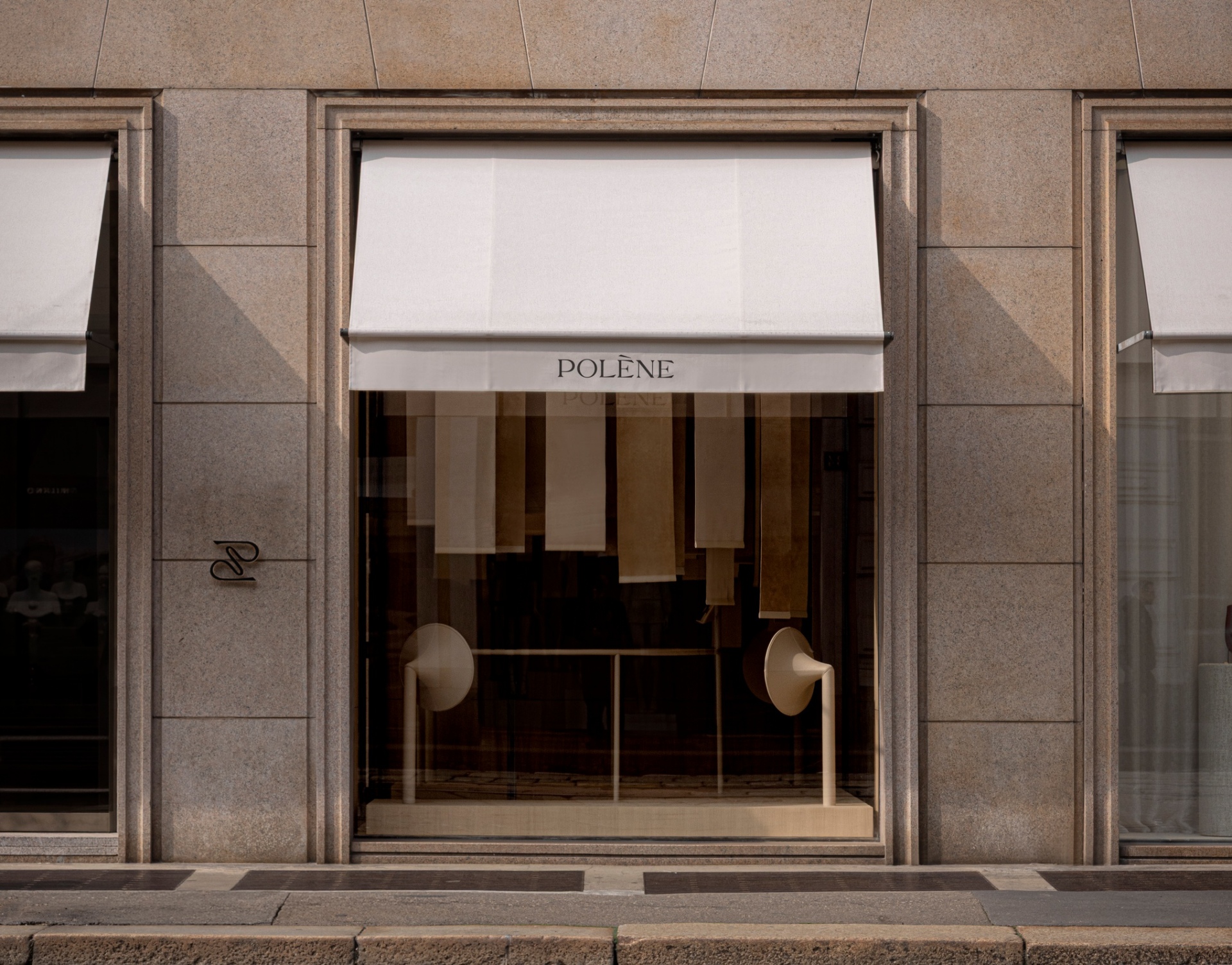
"Framed in stone and softened by textile awnings, the façade offers a subtle glimpse into the world within, revealing just enough to invite curiosity. Rather than competing with its context, the store aligns with the rhythm and discipline of the street, allowing the interior narrative of material and craft to unfold gradually beyond the threshold”, says Norm Architects.
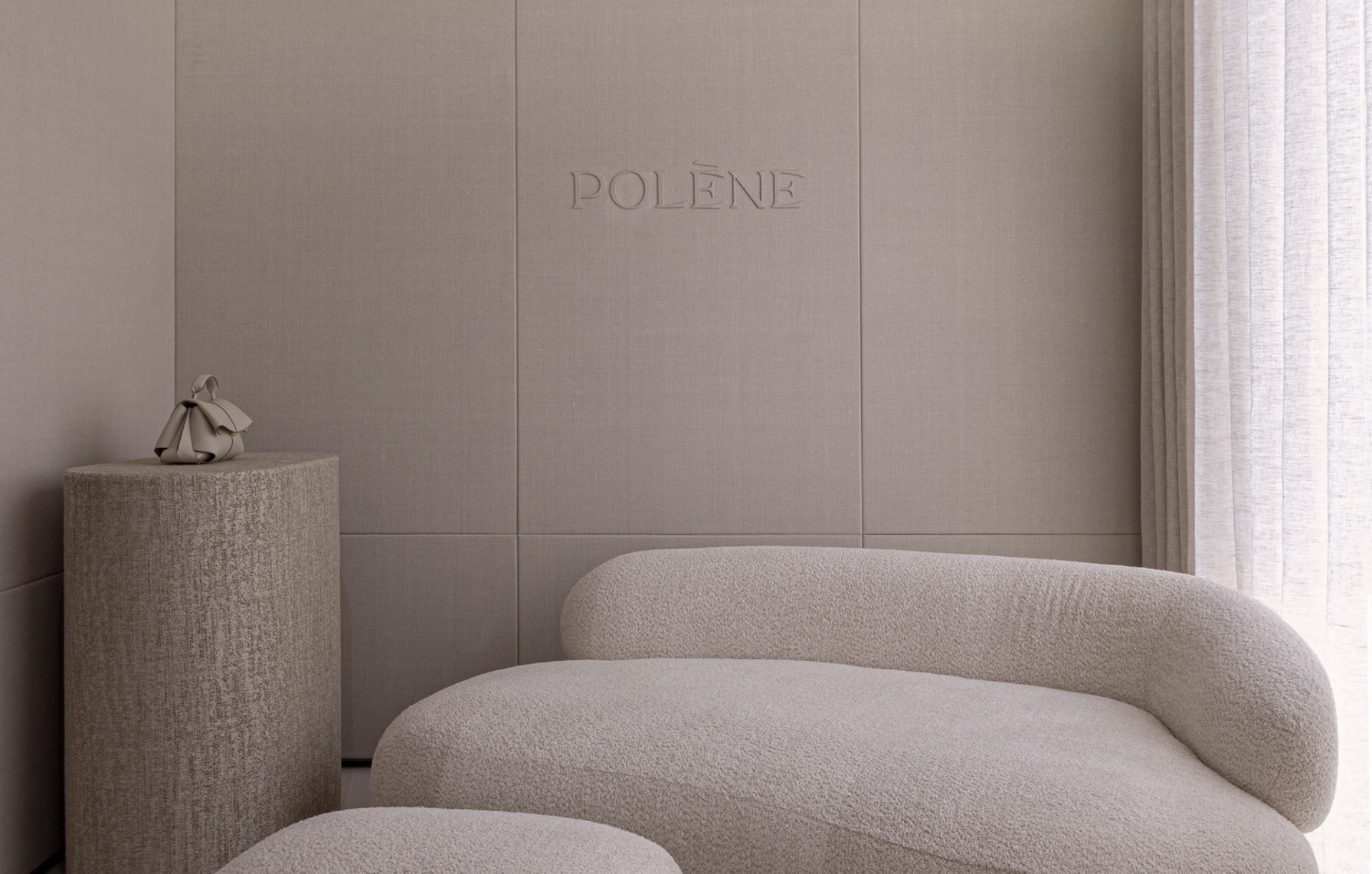
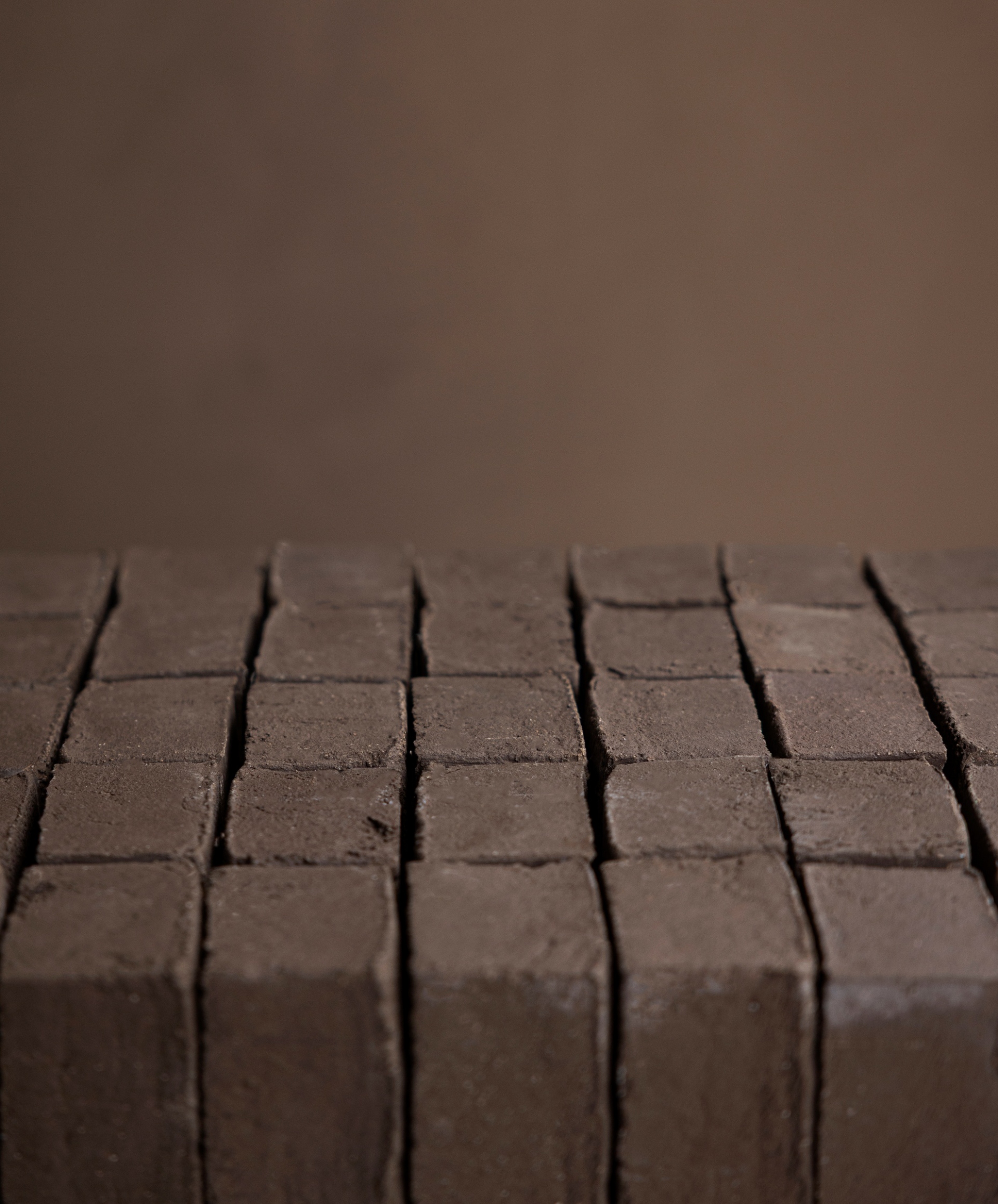
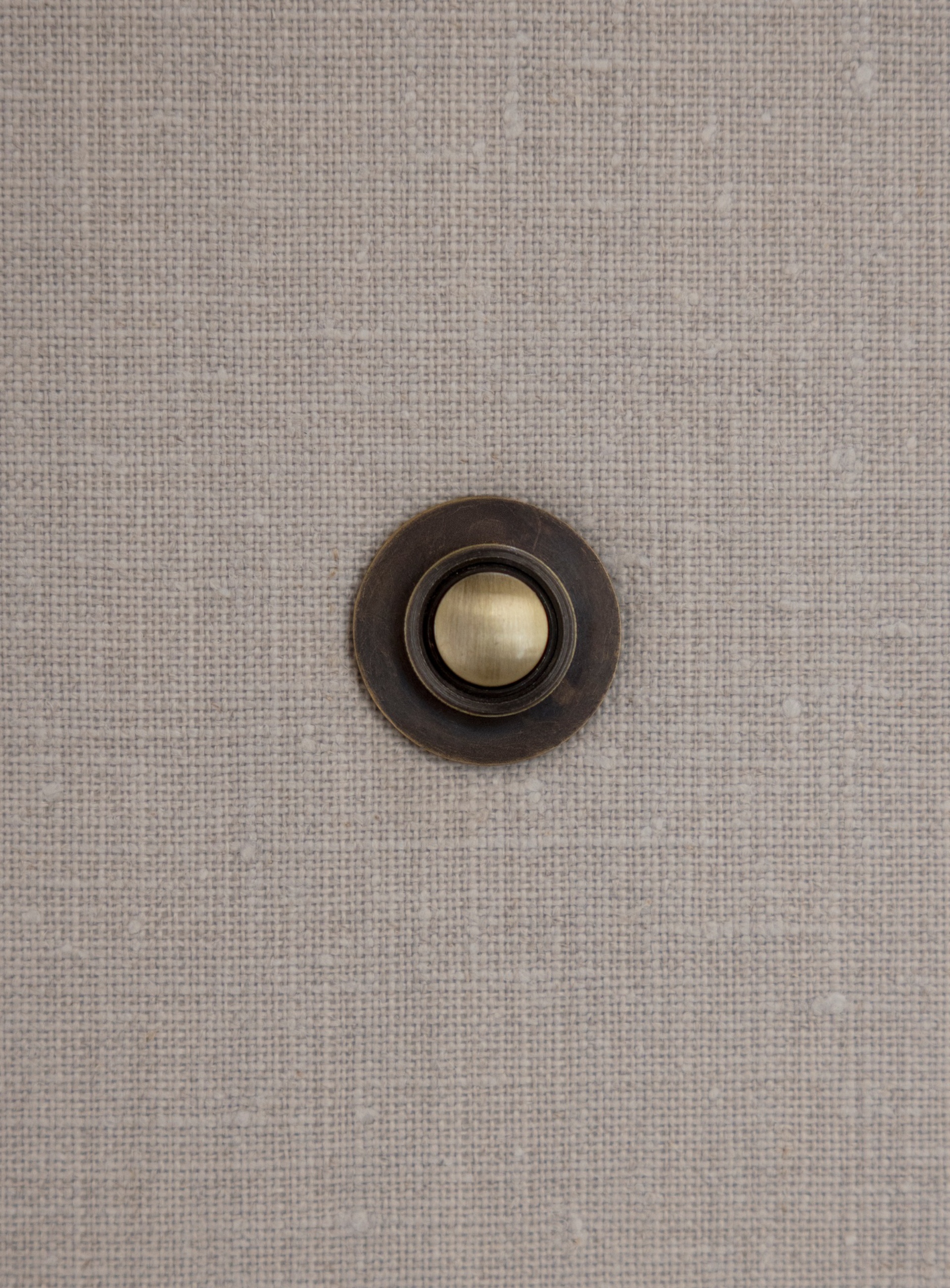
At the core of the concept lies a journey through materials, rooted in Milan’s rich material culture. From the pale tactility of stone to the warmth of timber, supple leather, brick, and textile surfaces, each room explores a single material in its transition from raw origin to refined expression. This gradual deepening of tone and texture mirrors the making of the brand’s leather goods, establishing a direct dialogue between product and space. Reveal the architects, “As the palette shifts from one room to the next, thresholds become essential – framing transitions and allowing each material to emerge while remaining part of a cohesive whole”.
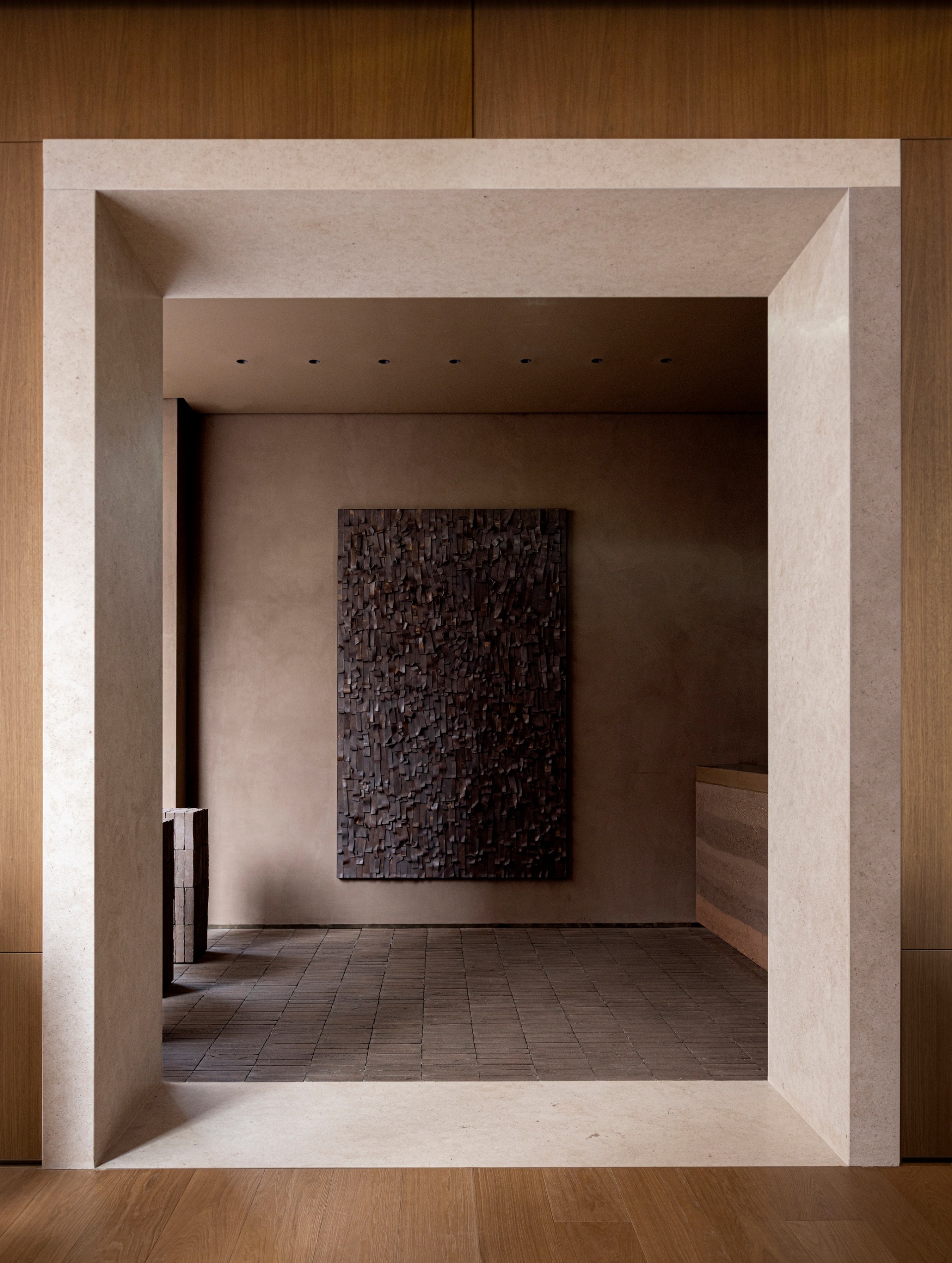
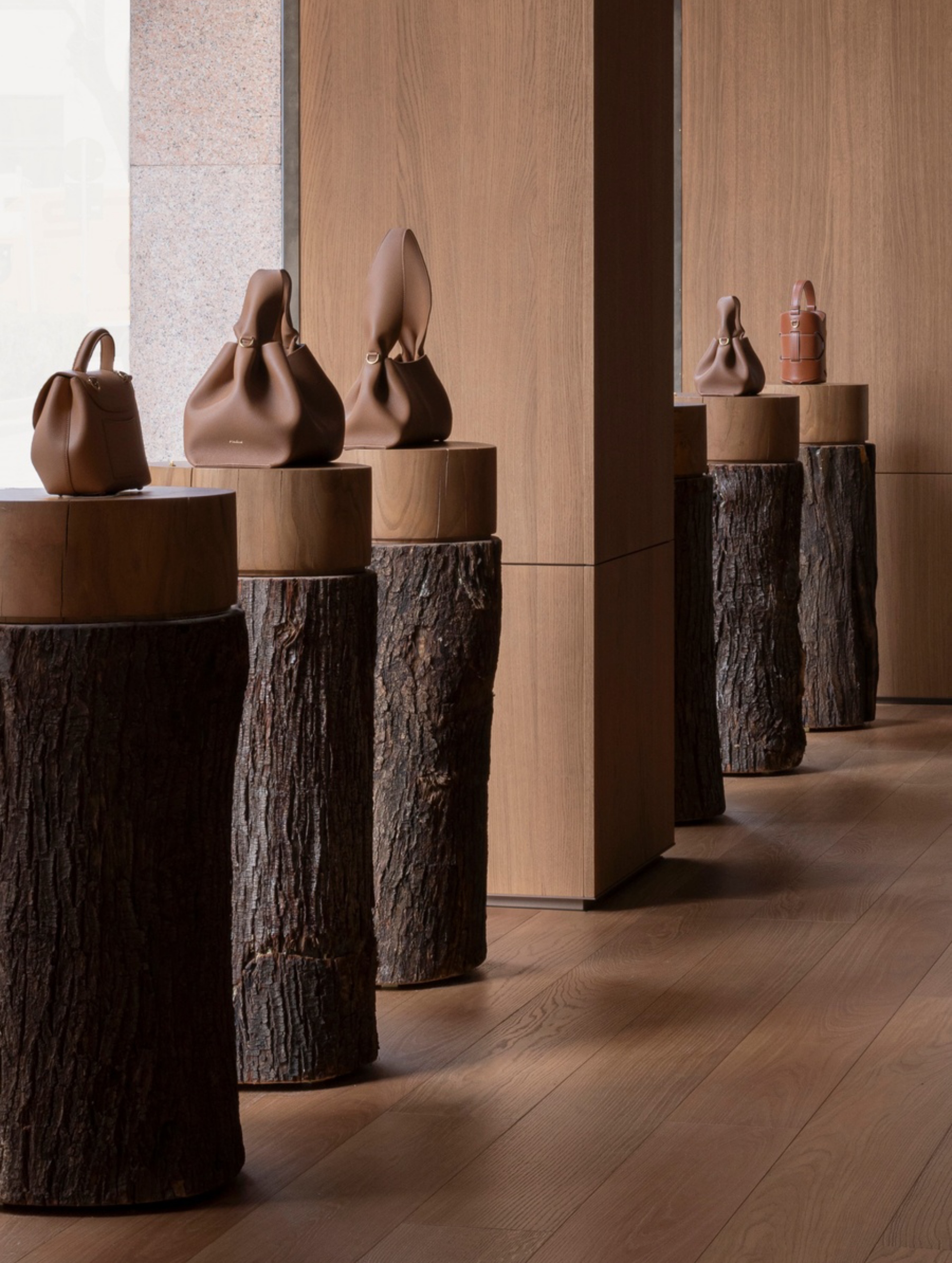
Rather than a conventional retail interior, the Milan flagship is conceived as an environment to be felt as much as seen – a place where material, light, and proportion come together to create a calm, tactile landscape that invites visitors to slow down, engage the senses, and experience the enduring relationship between form, hand, and material.
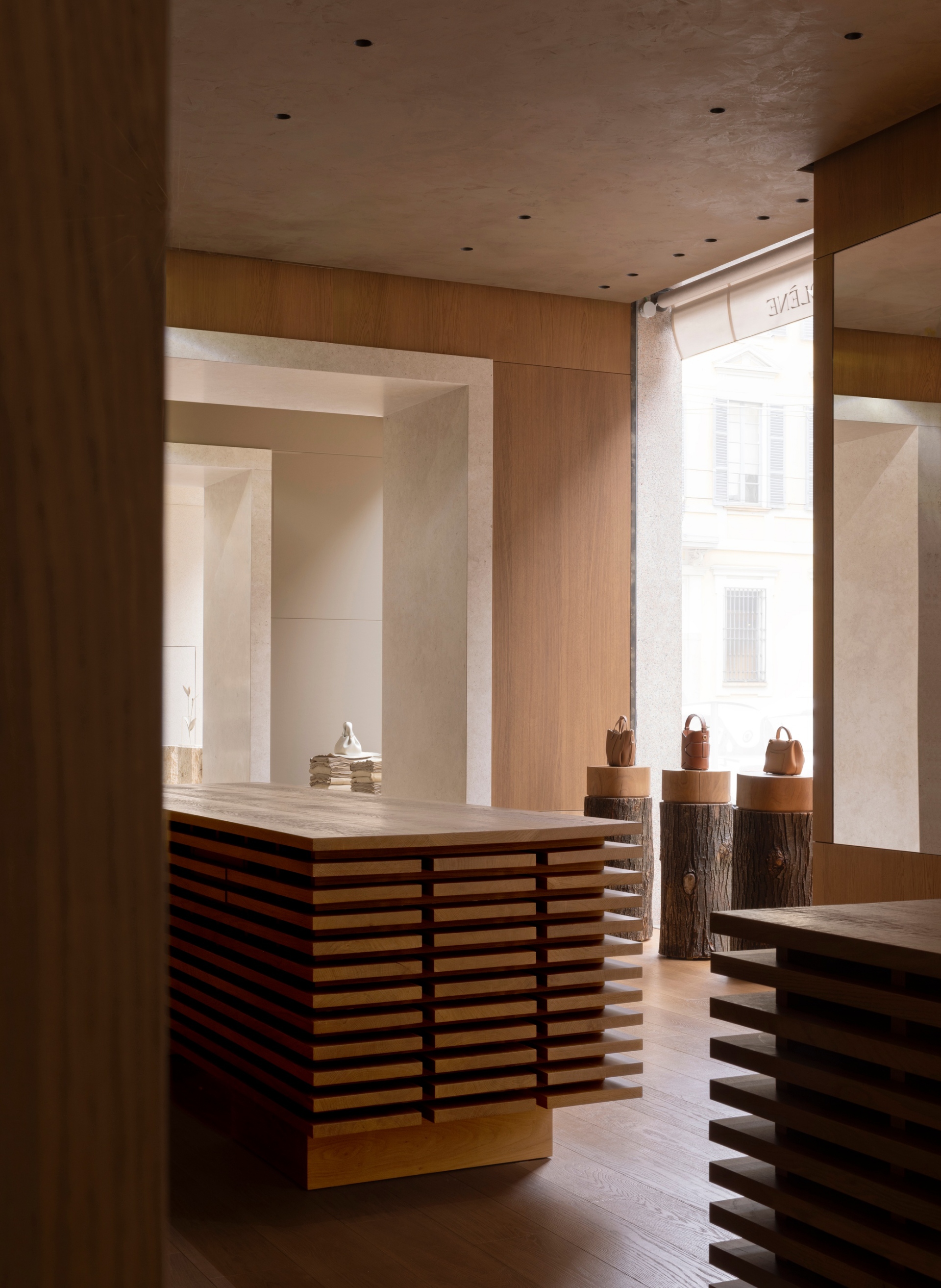
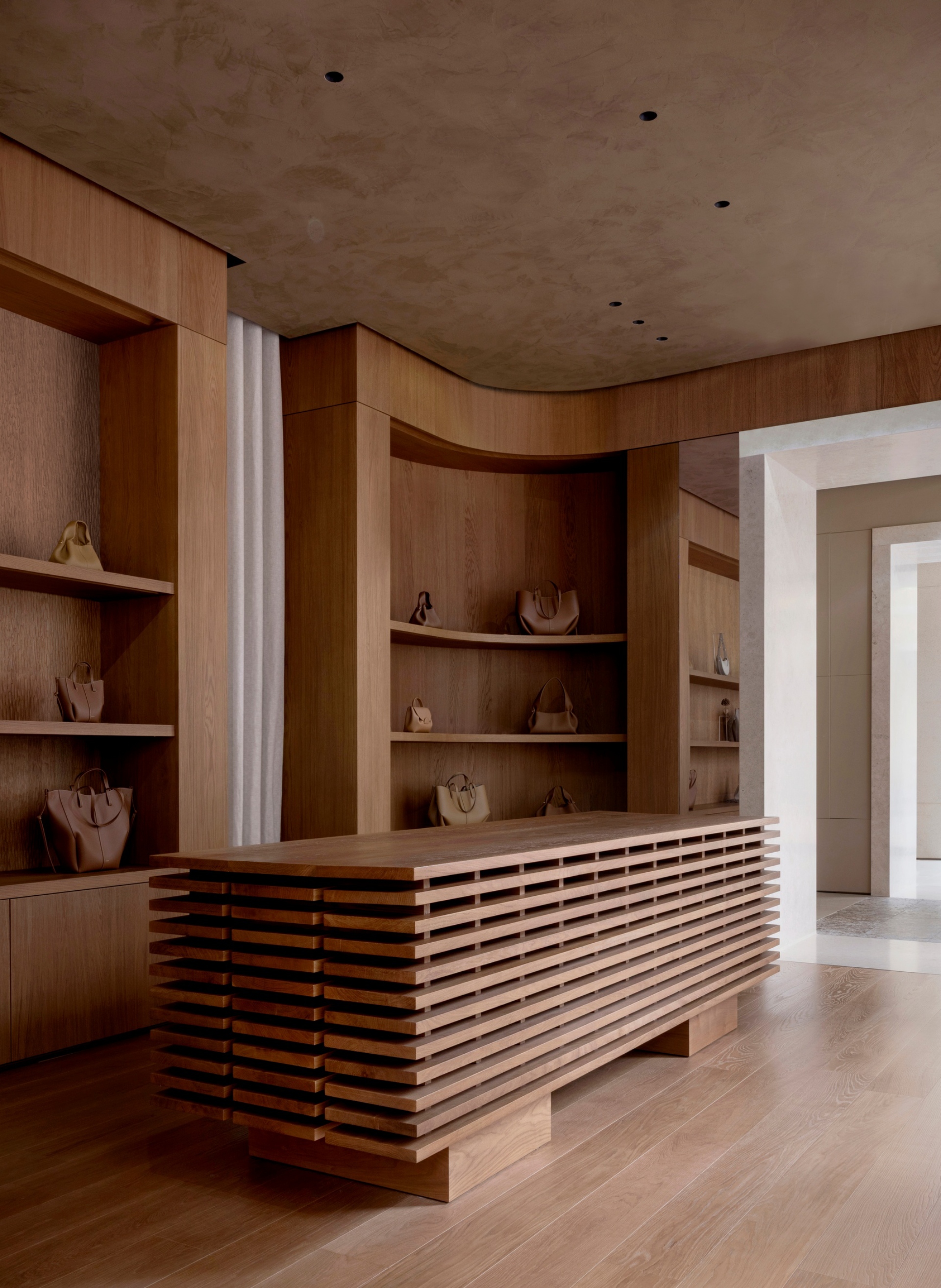
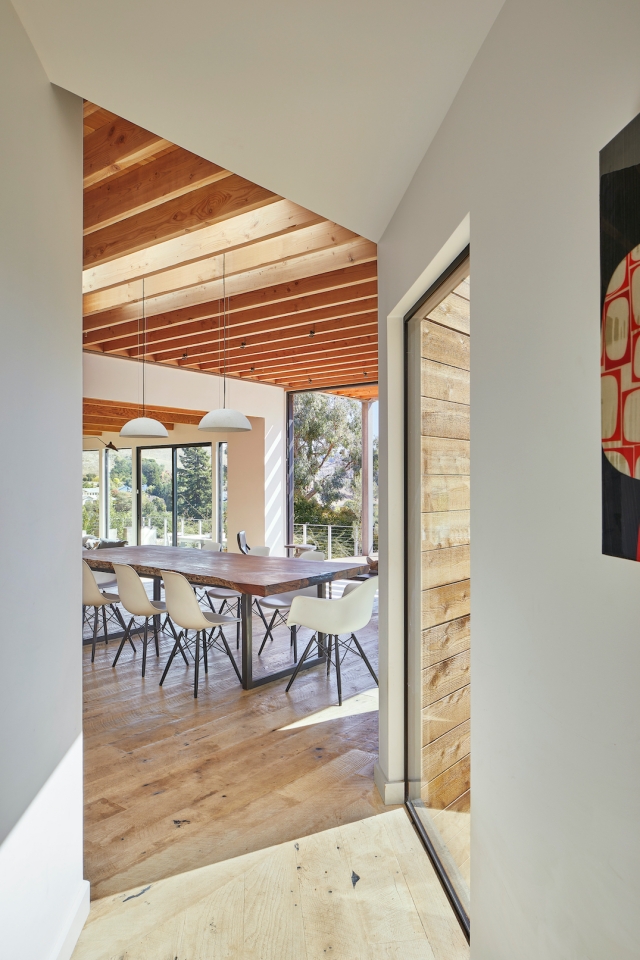
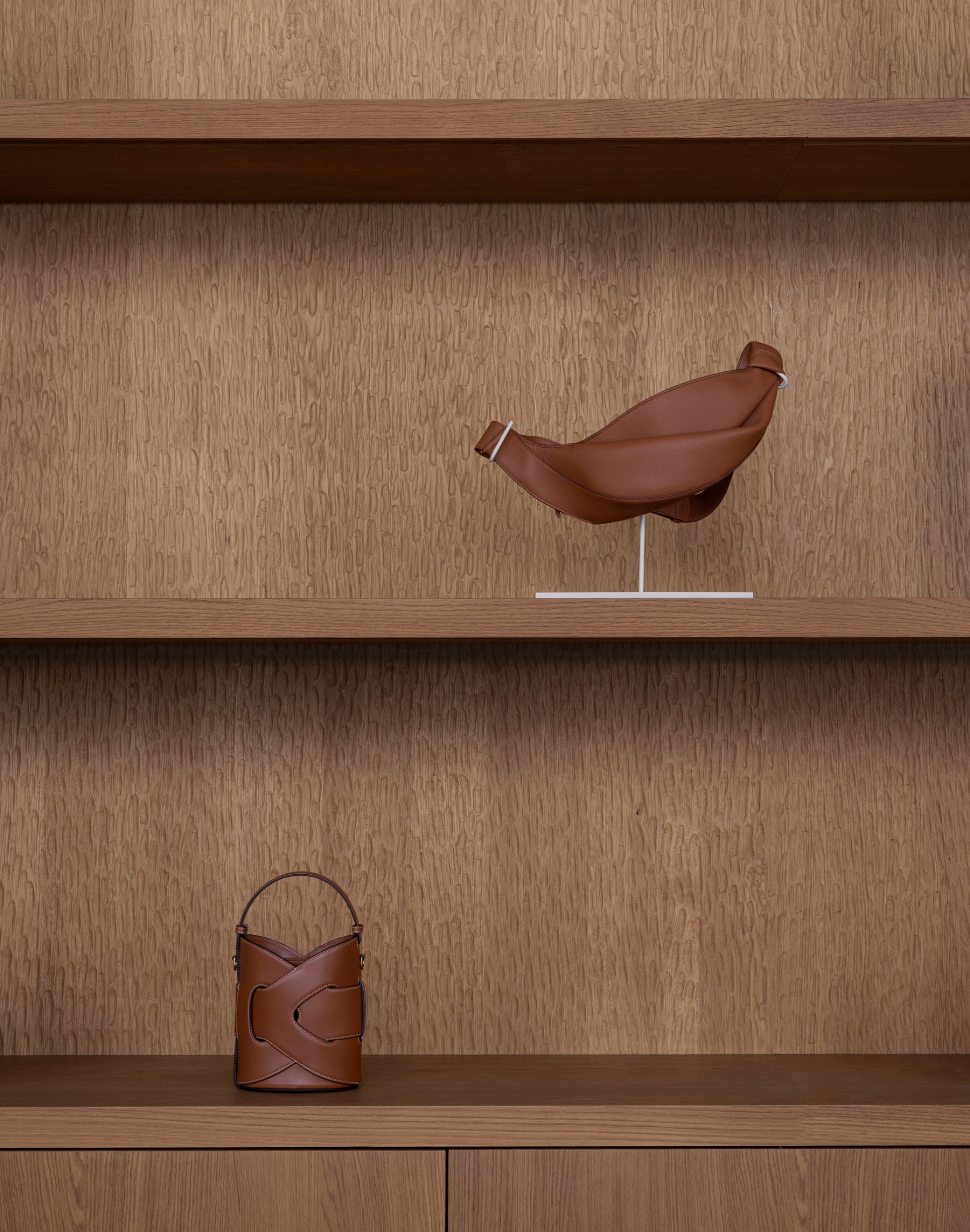
Following the leather room, the timber room opens as the main retail space, defined by a warm, honey-toned oak that unfolds across walls, floors, and furniture. The material is explored through a series of carefully articulated surfaces—raw tree log pedestals with milled tops, tables referencing stacked lumber, and hand-chiselled back panels that reveal the depth and grain of the wood. From smooth oak finishes to more tactile interventions, the timber is treated in varied ways to express its inherent richness. Subtle curvatures soften the space, guiding movement while echoing the organic language of the brand.
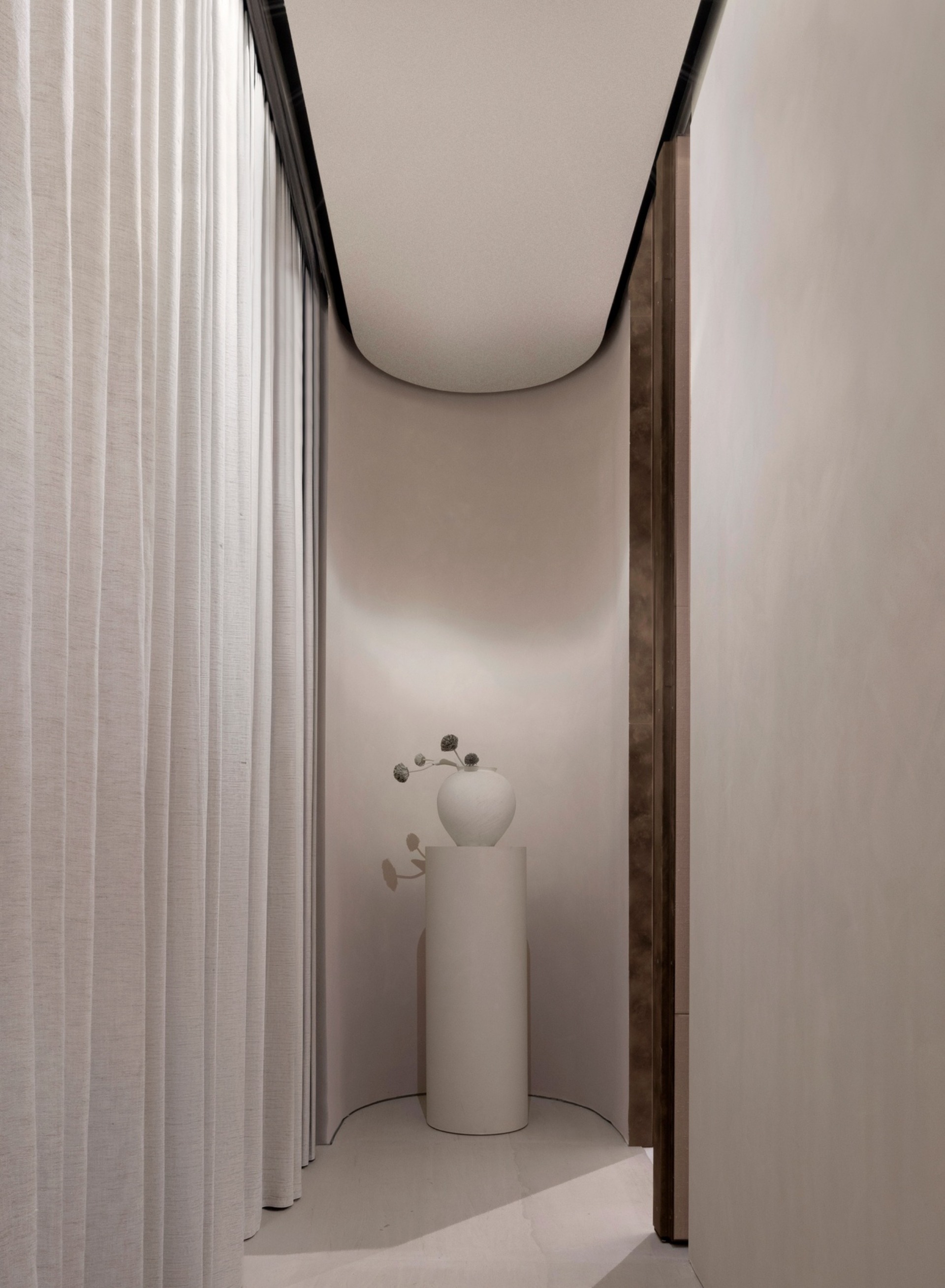
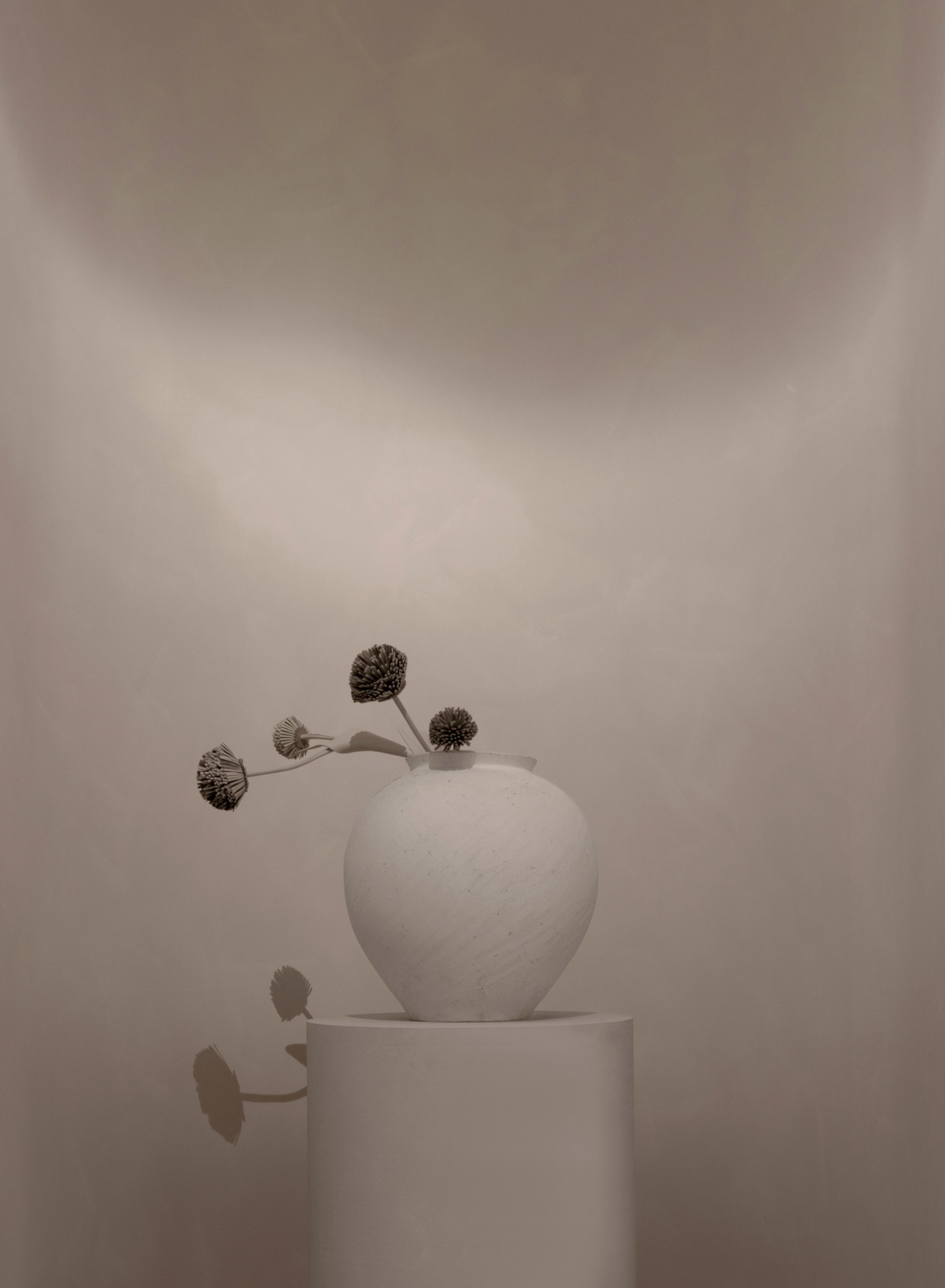
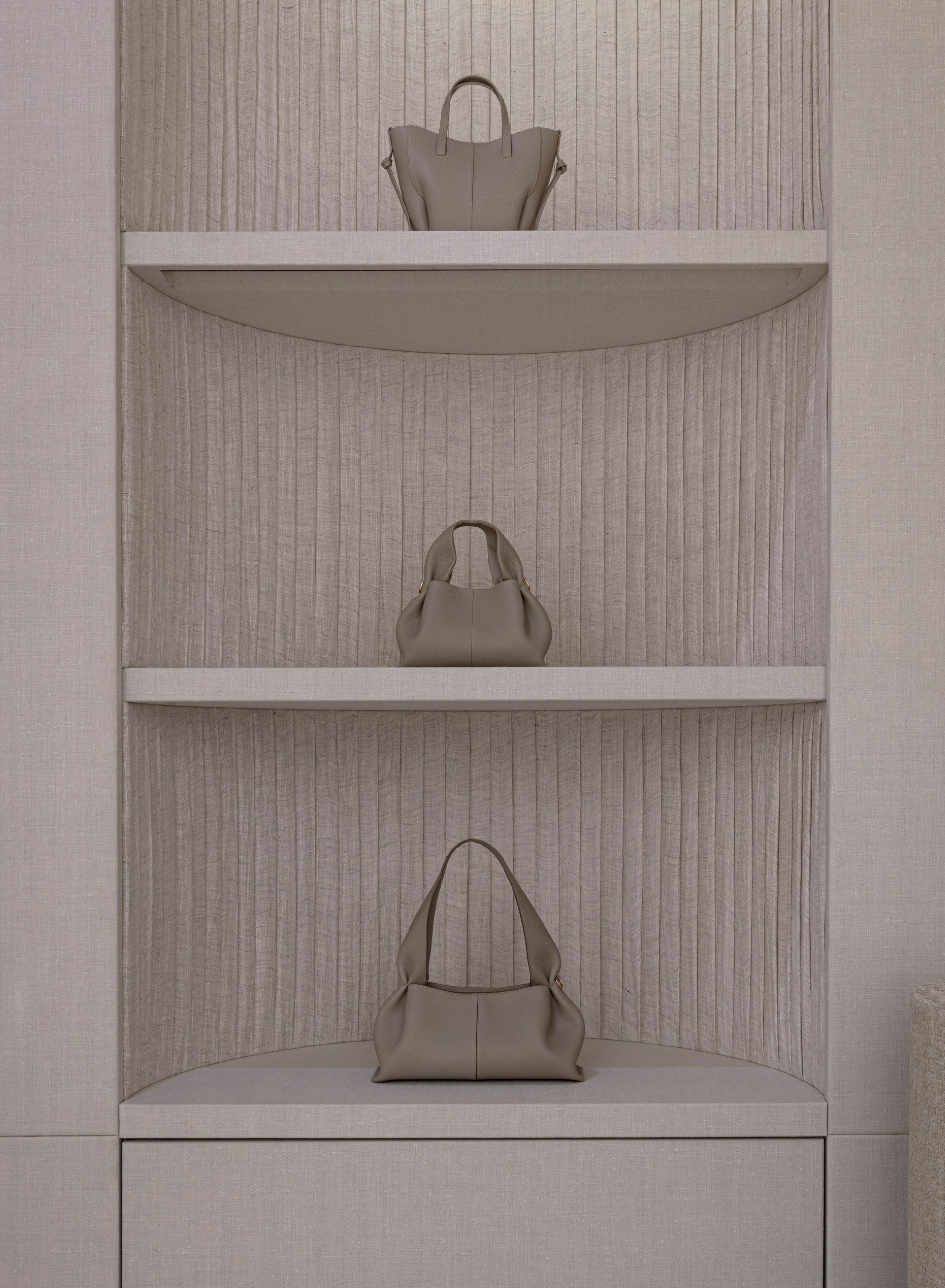
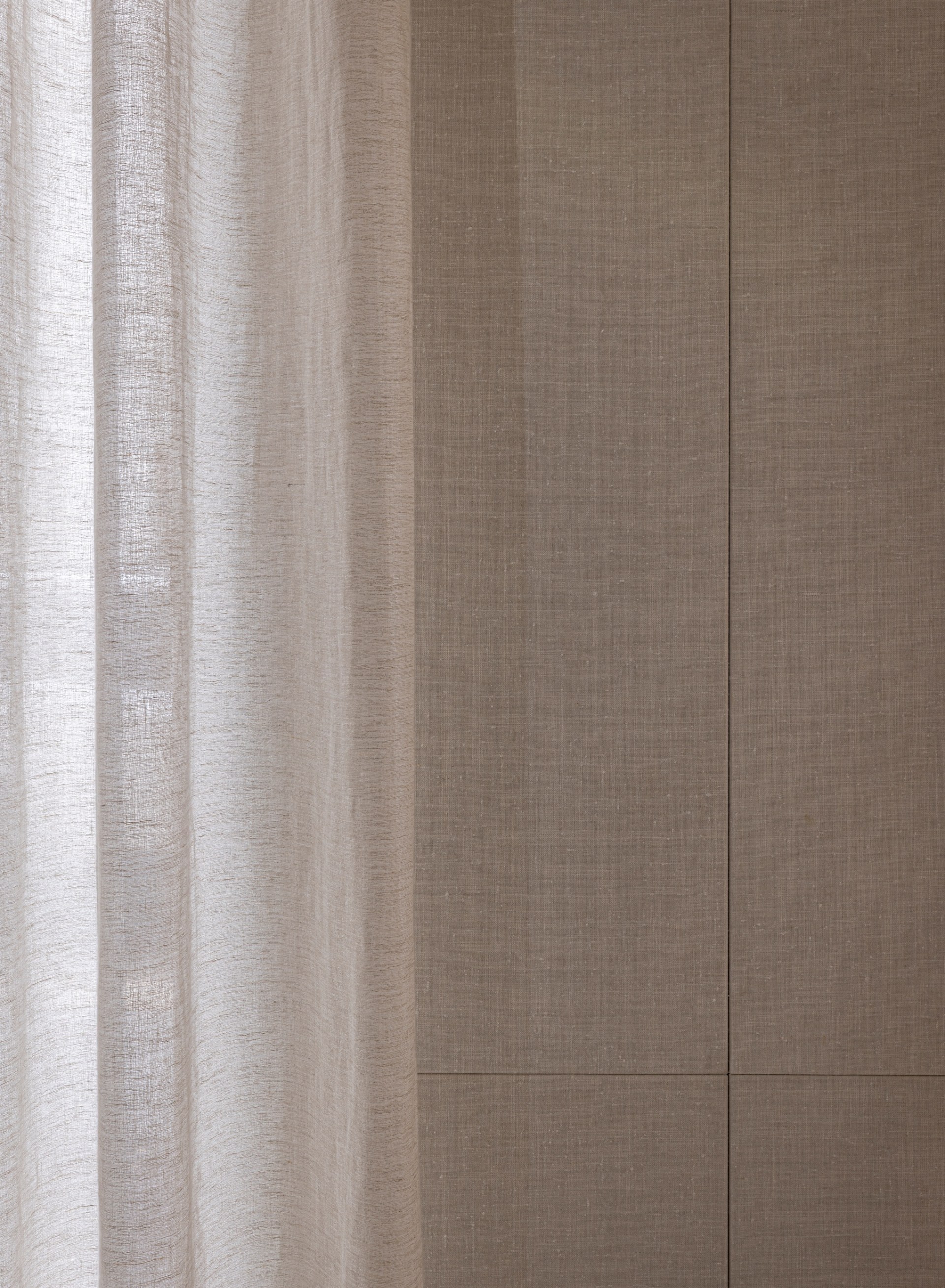
"Through the slightest gestures, the wood is given form – its surface carved to catch light and shadow, as the material moves from raw expression to refined surface, mirroring the soft, sculptural qualities of the objects it frames” the architects reveal.
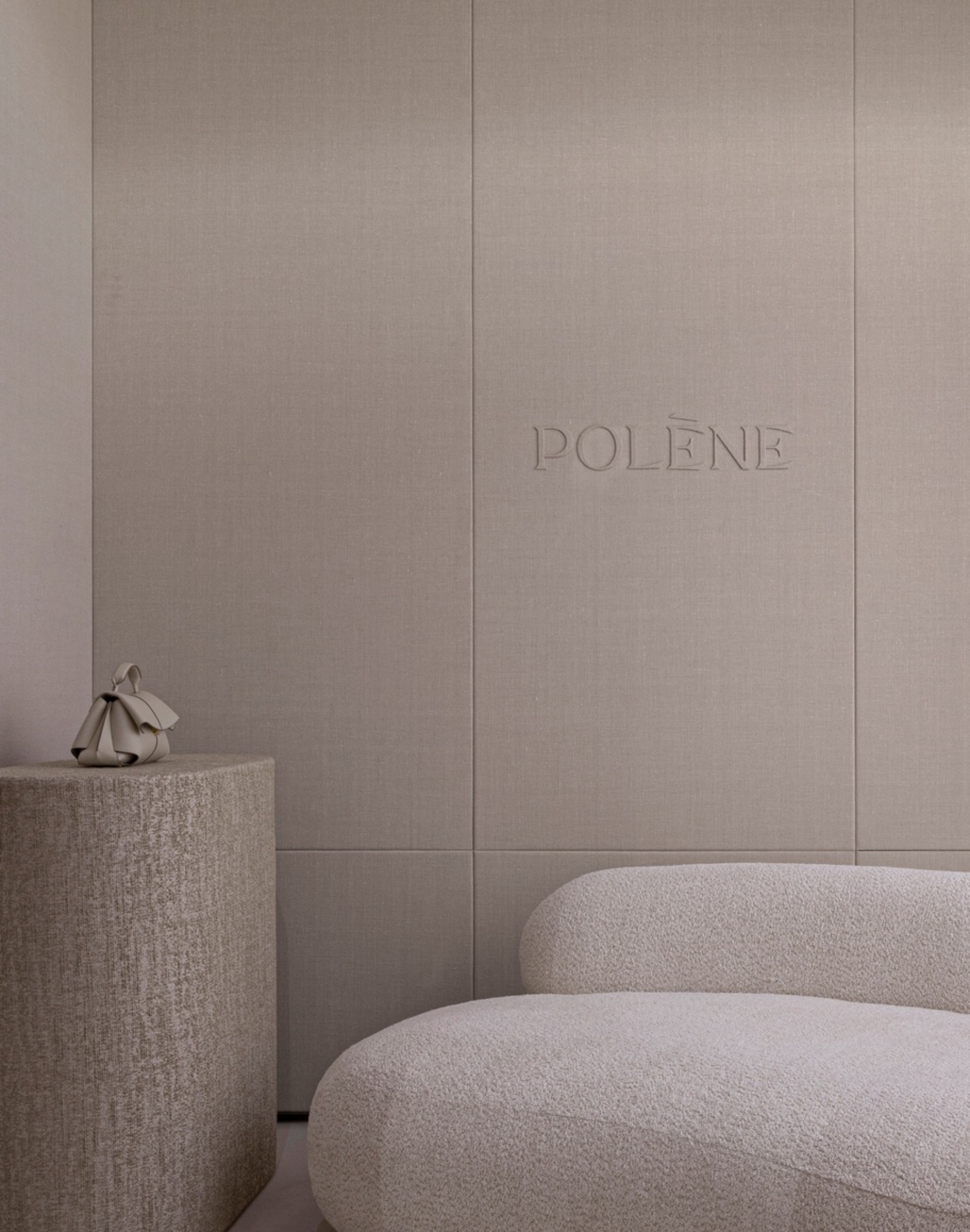
Throughout the store, the sequence of rooms is not only defined by material, but by the spaces in between – where thresholds, openings, and framed views establish a continuous dialogue across the interior. Carefully aligned sightlines allow visitors to look beyond the immediate, revealing glimpses of adjacent rooms and anchoring elements that draw the body forward.
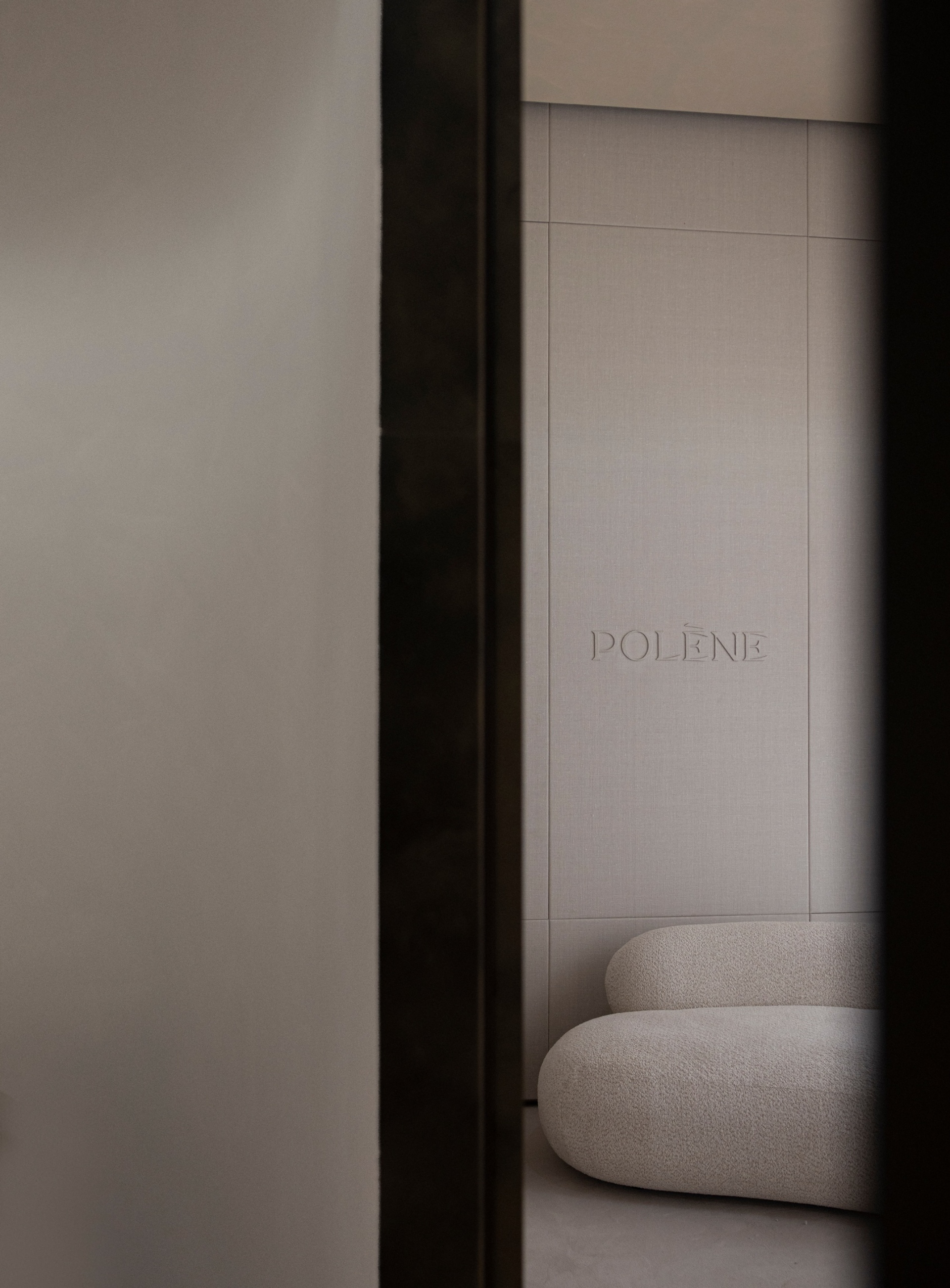
These visual connections create a layered spatial experience, where each room exists both independently and as part of a larger whole. Moments of compression and release – moving from more intimate zones into open volumes – introduce a subtle rhythm that guides movement intuitively, without the need for explicit direction.
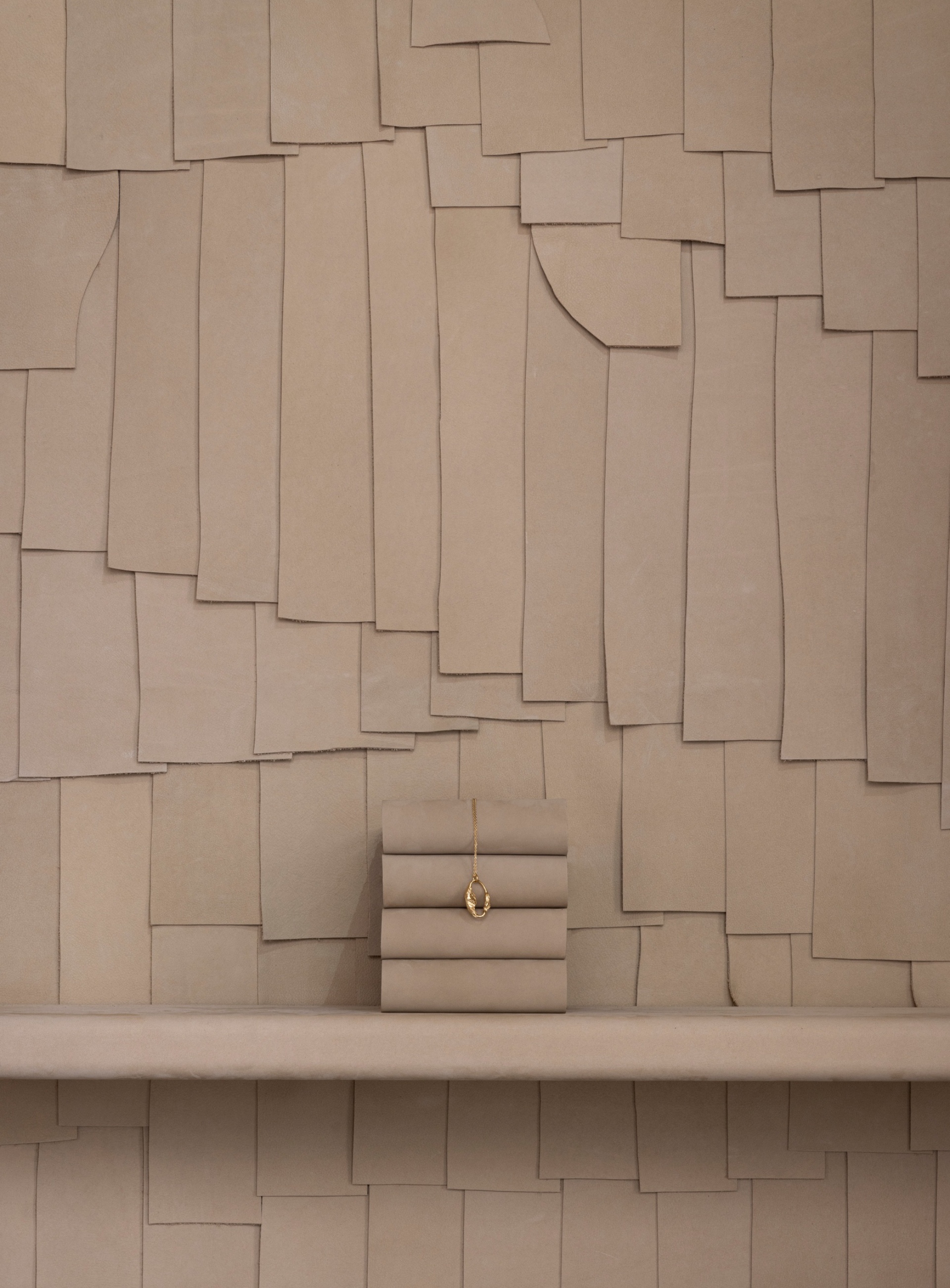
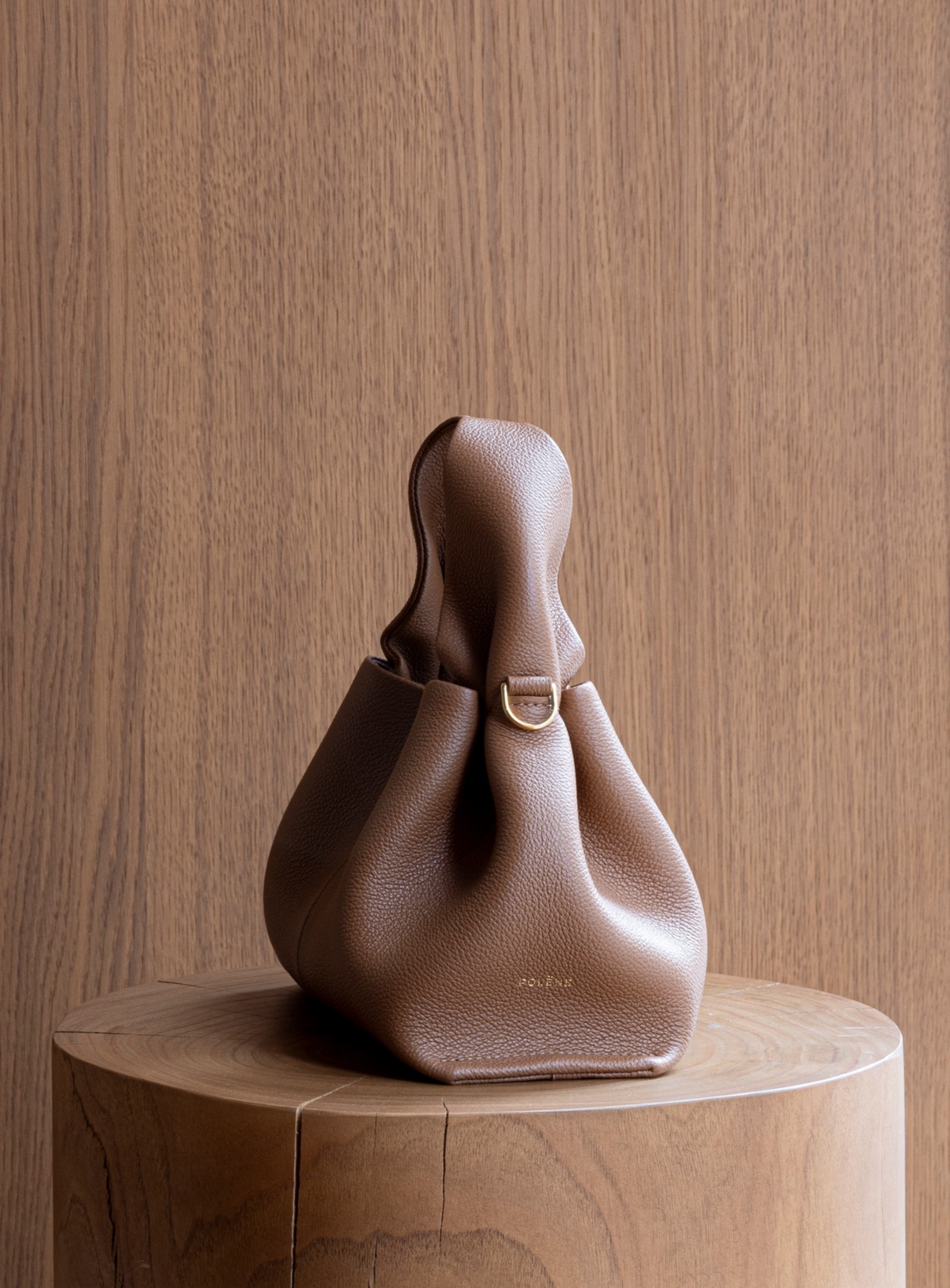
Within this framework, smaller pockets of space emerge; areas for pause, reflection, and closer engagement with the materials and objects on display. Here, architecture recedes to the background, allowing the interplay of light, proportion, and texture to take precedence. Together, these transitions and visual linkages form a cohesive spatial narrative, where movement is guided by curiosity and continuity rather than boundaries, inviting visitors to explore the space as a fluid and unfolding journey.