
PODCAST
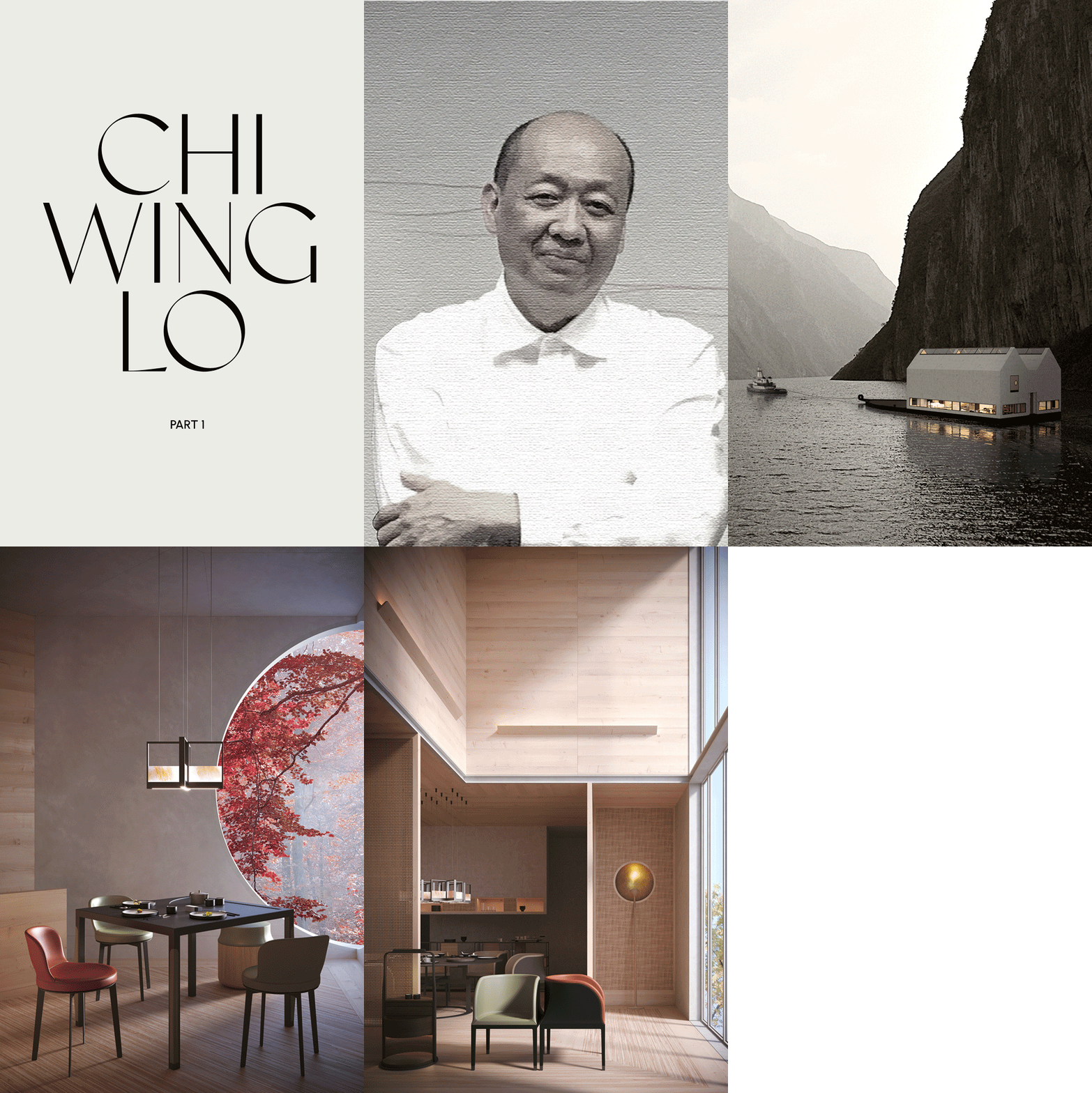
CHI WING LO: THE ARTIST WHO TEACHES US HOW TO LIVE AND ALLOWS US TO SELF REFLECT
LISTEN NOW


At Milan Design Week, the conversation around craftsmanship often centers on the tension between heritage and the avant-garde. This year, however, Yves Salomon Éditions and the American designer Michael Bargo have found a third way, presenting Kentucky, Paris: An American Private Room. The collection is transatlantic dialogue, where the vernacular language of American quilting meets the unparalleled savoir-faire of the historic Parisian fur house.
The creative spark was found in the late Reverend Jesse Jackson’s enduring metaphor: “America is not like a blanket — one piece of unbroken cloth, the same color, the same texture, the same size. America is more like a quilt – many patches, many pieces, many colors, many sizes, all woven and held together by a common thread”.
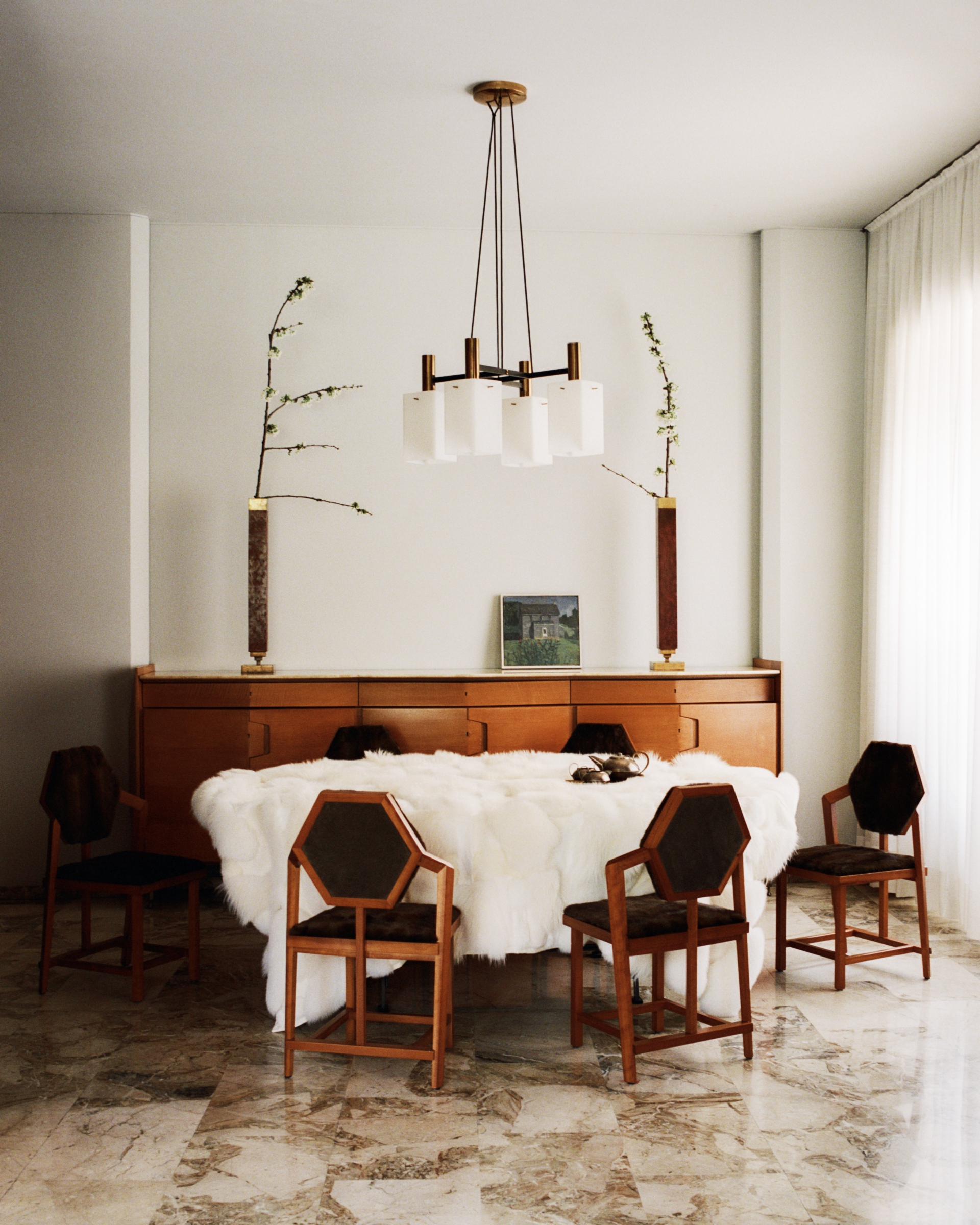
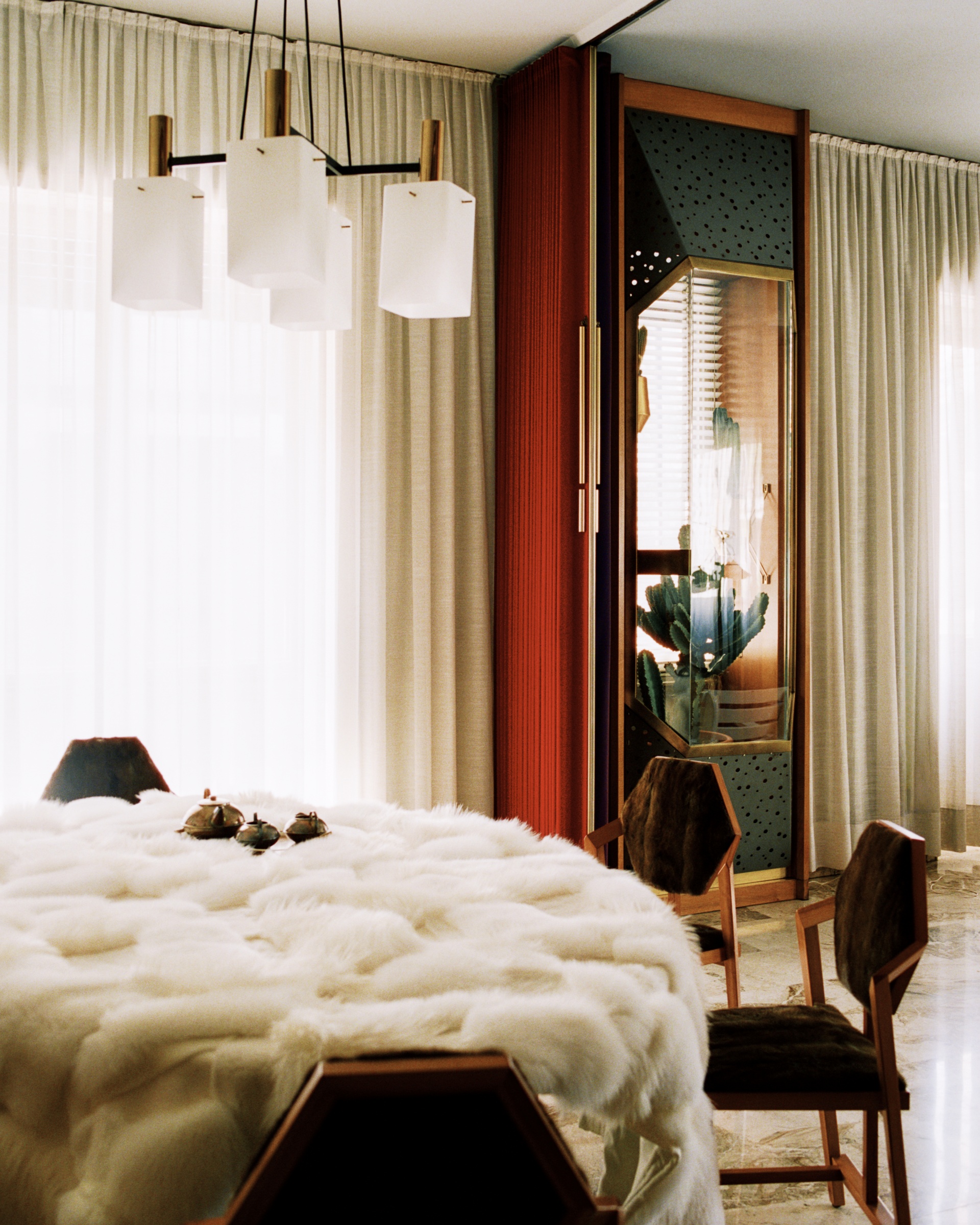
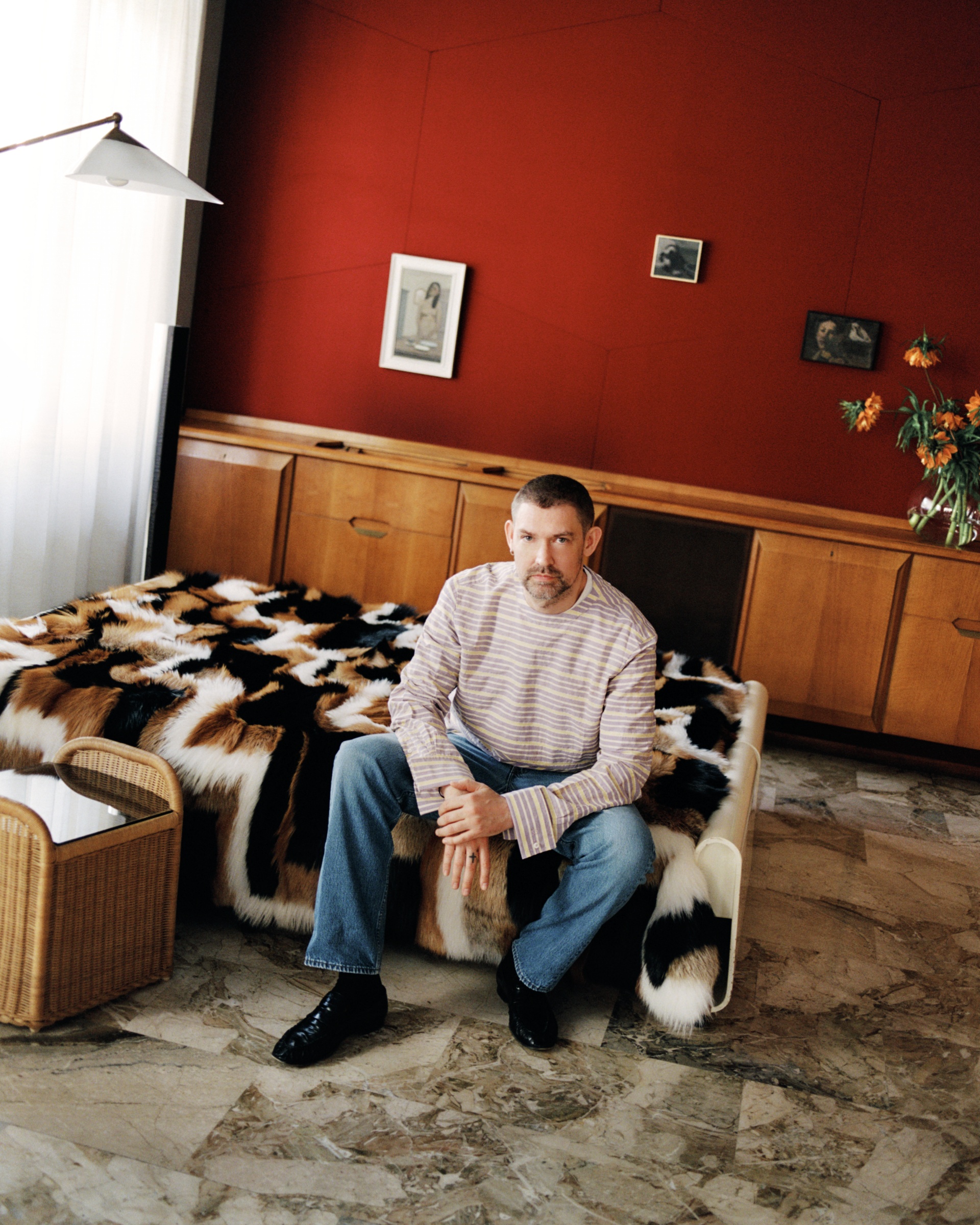
For Bargo, a designer known for his discerning eye and self-taught rigor, the metaphor resonated deeply. Growing up in the South, he was surrounded by the domestic intimacy of handmade quilts. "It embodies an intergenerational reverence for craft," Bargo notes, reflecting on the heirlooms passed down by his grandmothers.
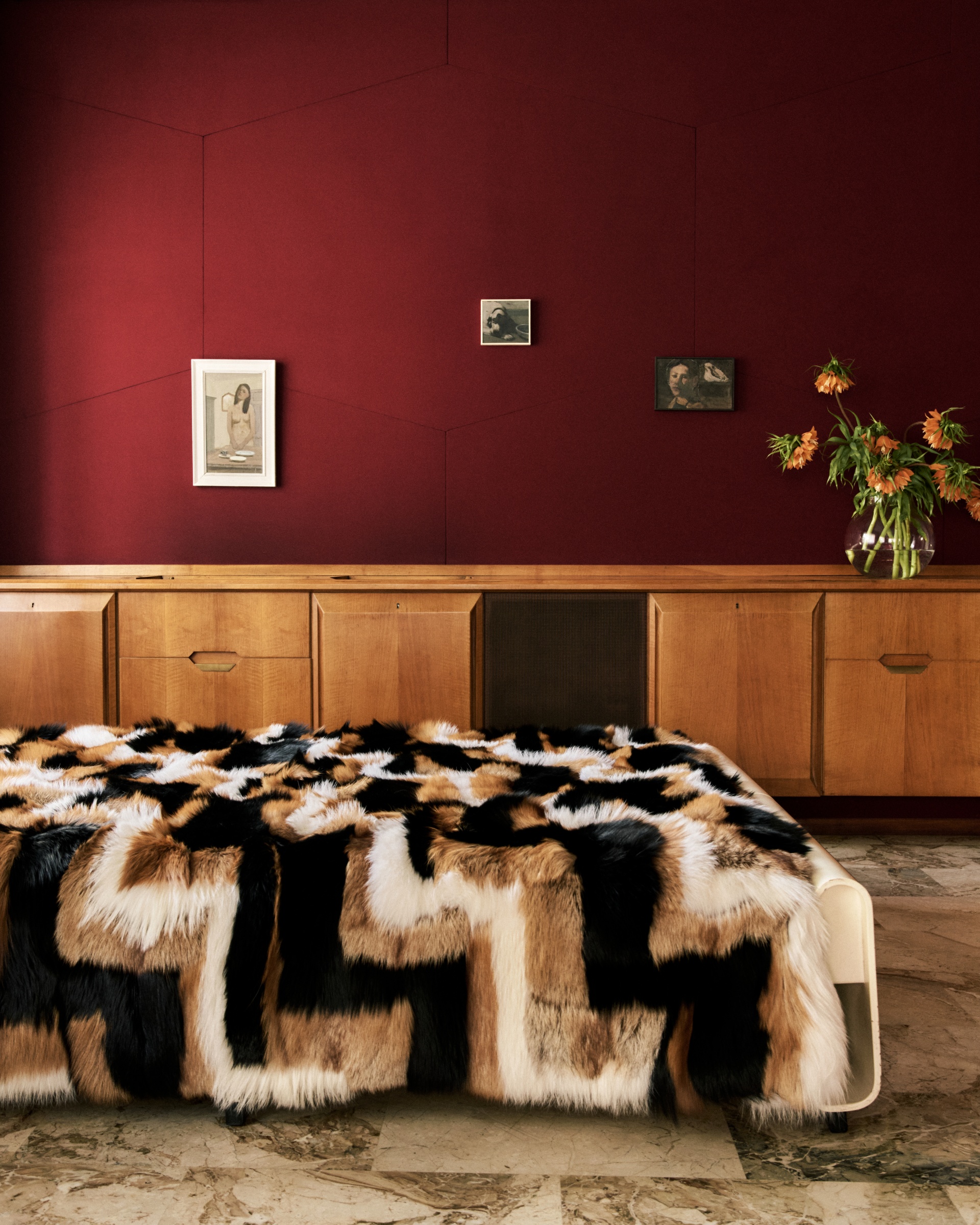
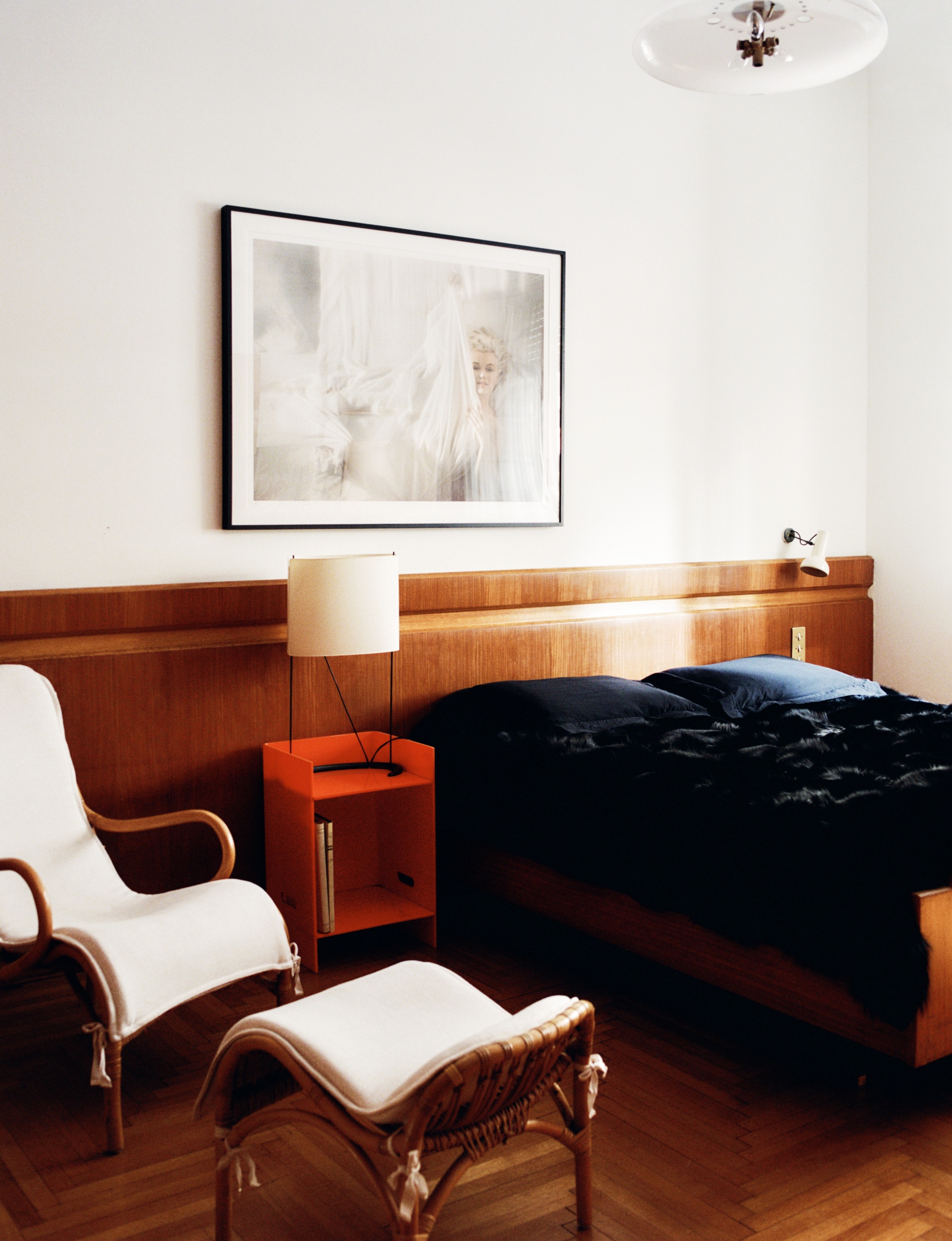
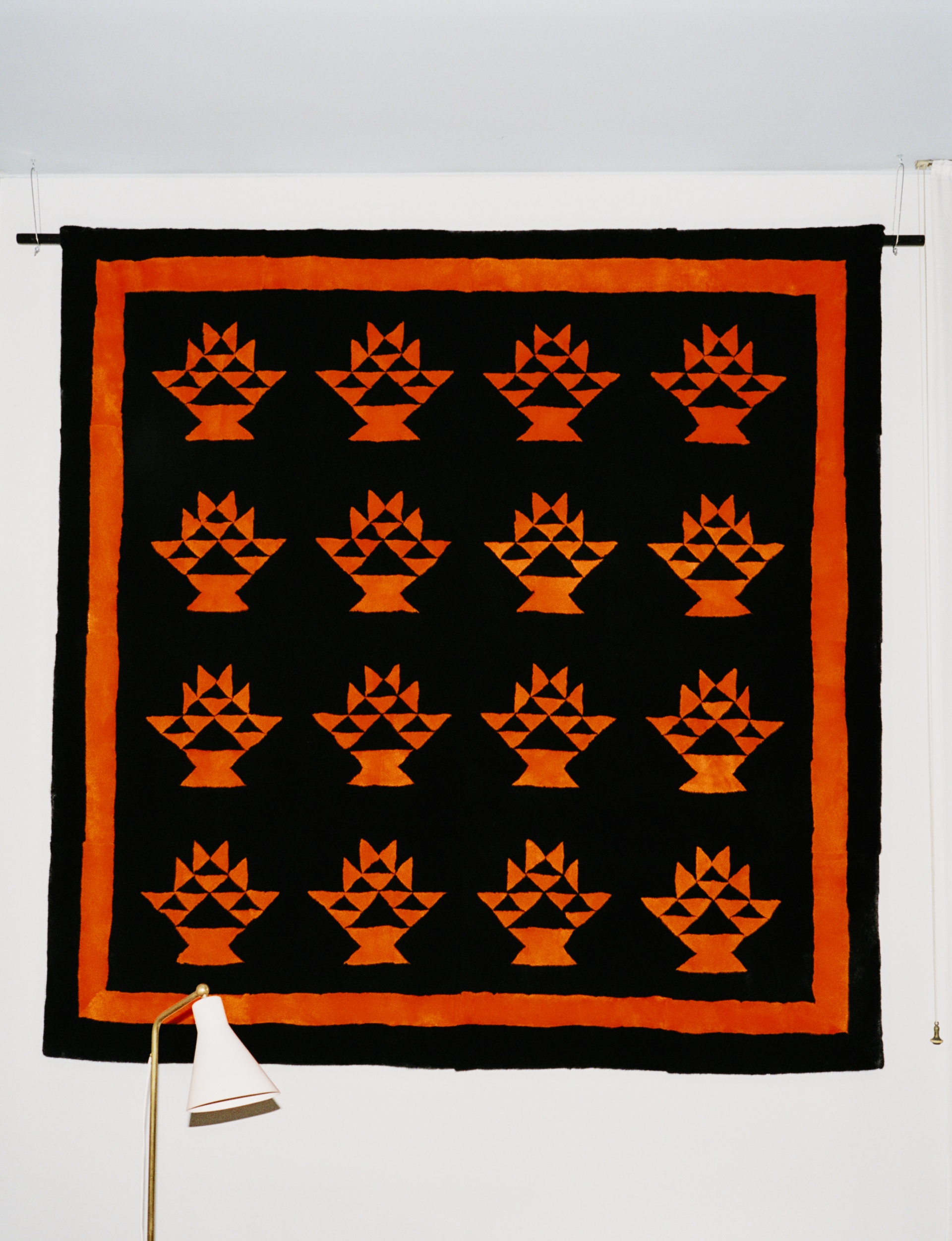
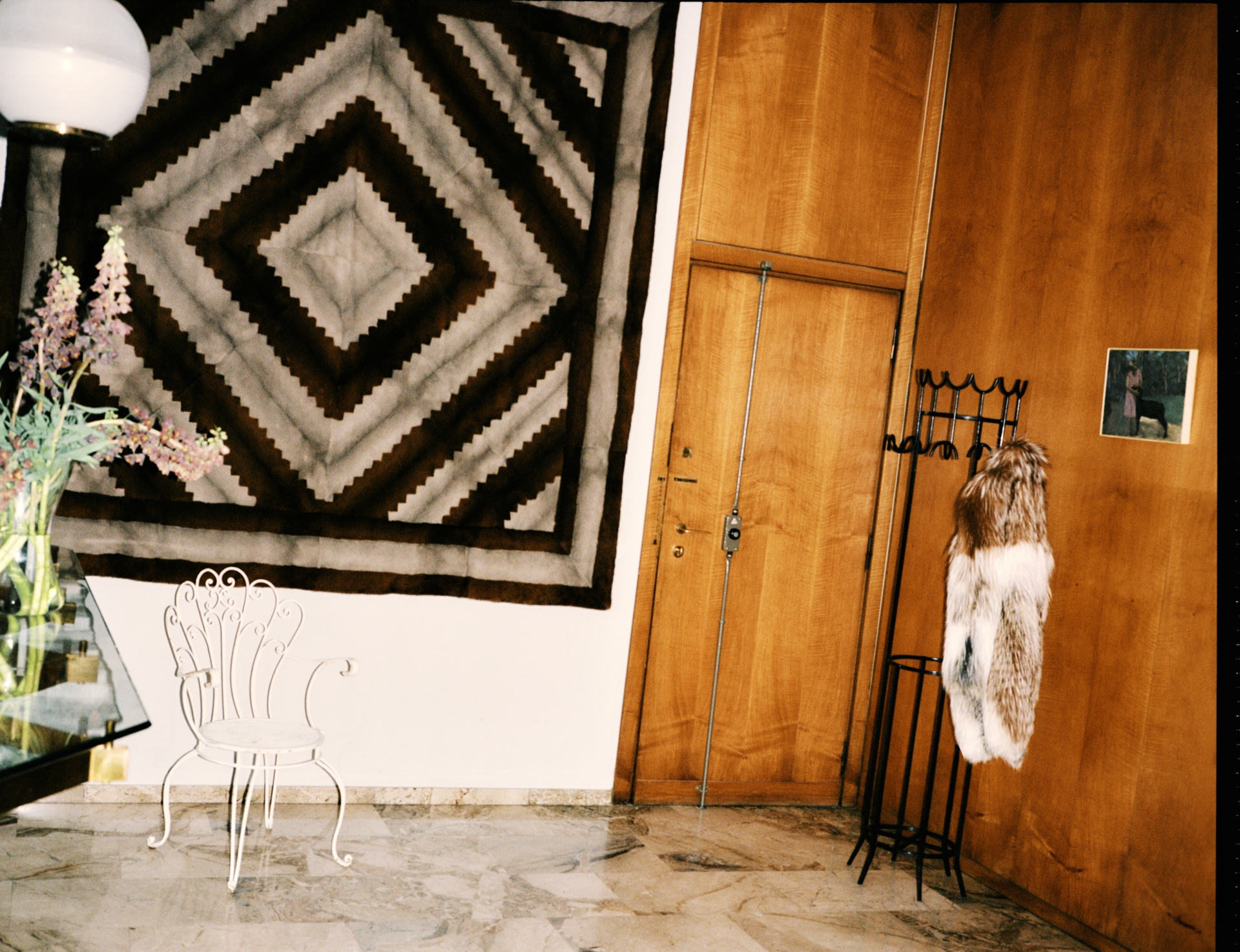
Bargo’s historical study led him to the Metropolitan Museum of Art’s archives, where he immersed himself in the geometric patterns of flower-basket motifs and the painterly asymmetry of the "crazy quilt" tradition. These orderly yet disparate forms have been materially reimagined through nine fur quilts. Utilizing mink, fox, marmot, and rex rabbit—often sourced from archival hides—the Parisian ateliers have translated a humble American tradition into a language of rarefied luxury.
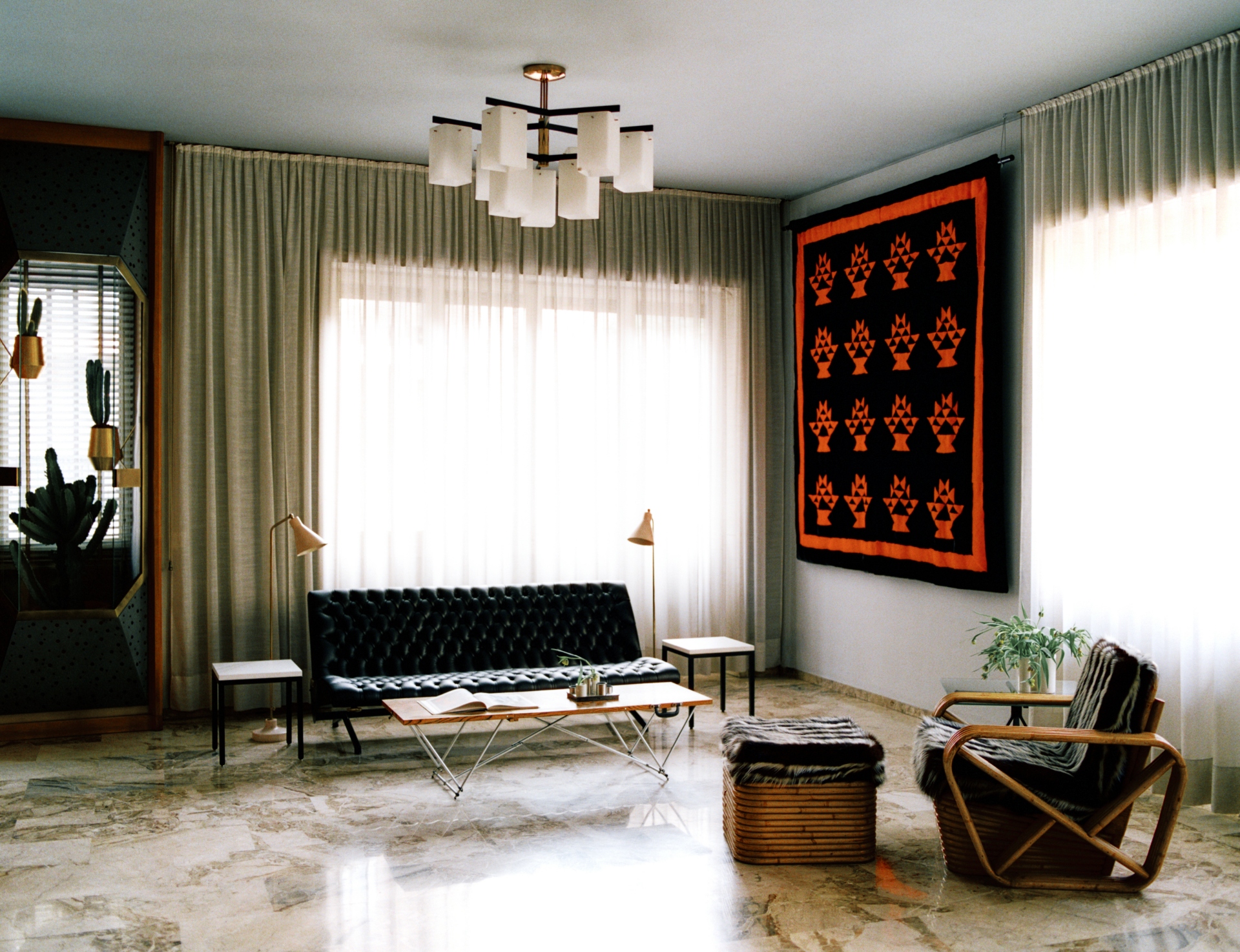
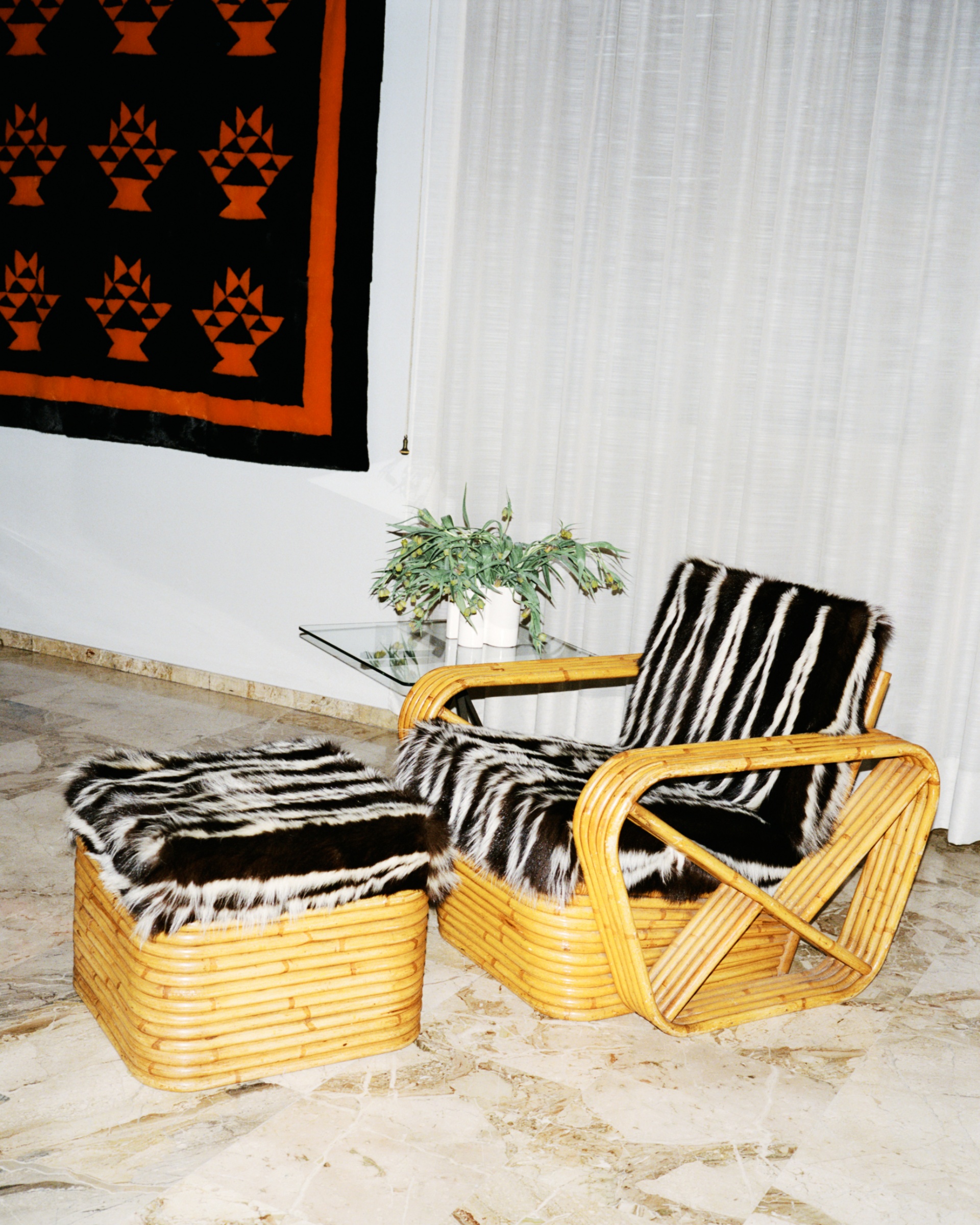
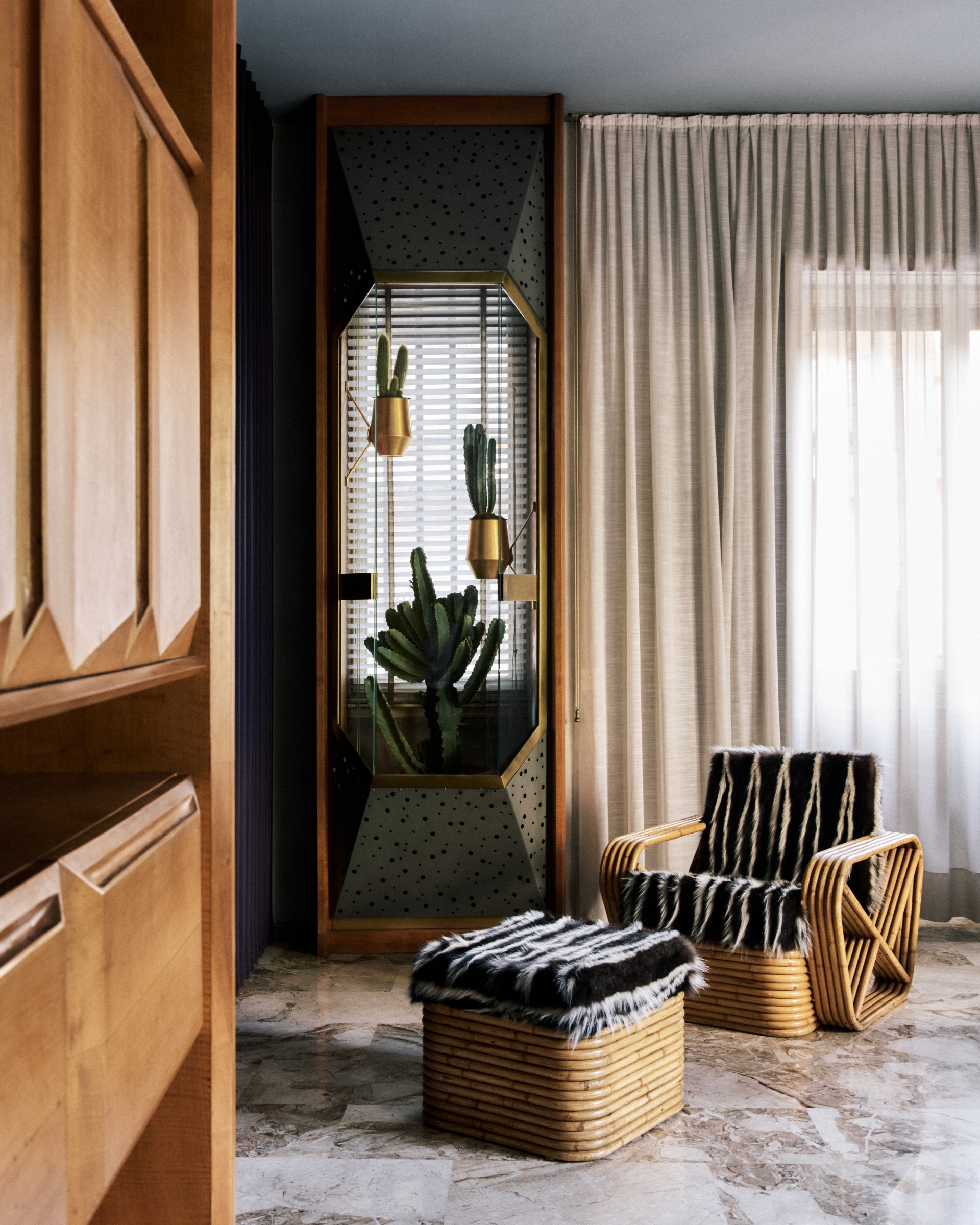
The material intelligence extends to three iconic furniture forms selected by Bargo to anchor the collection. A Frank Lloyd Wright wooden chair, characterized by its disciplined octagonal geometry, is softened by deep green mink, adding a velvety richness without compromising its structural clarity. A Paul Frankl rattan lounge chair is elevated through the theatrical use of skunk hide; its natural black-and-white striping echoes the linear sweep of Frankl’s frame. Finally, Eero Saarinen’s Tulip chair is reinterpreted with pale astrakhan, its irregular texture lending a sculptural calm to the mid-century icon.
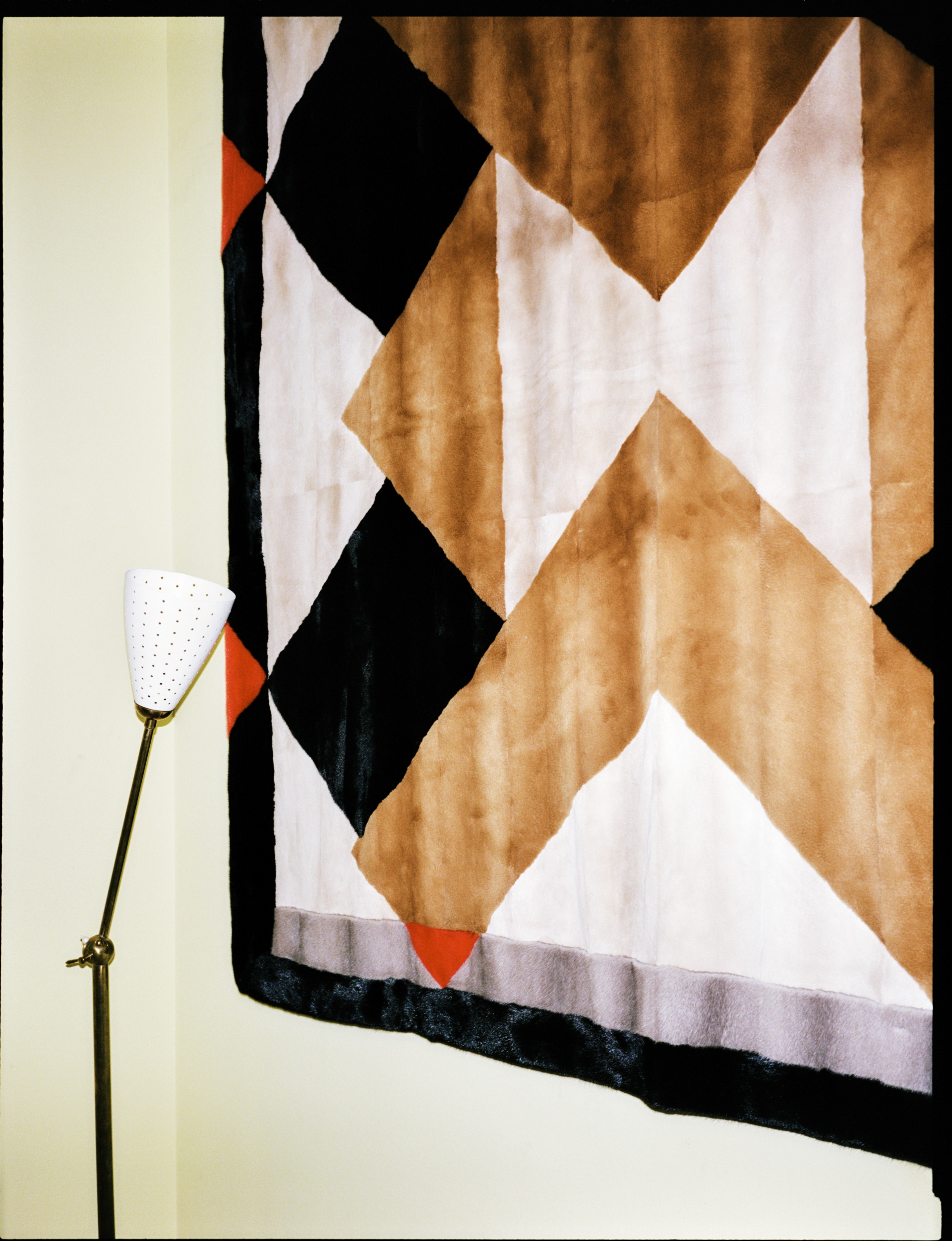
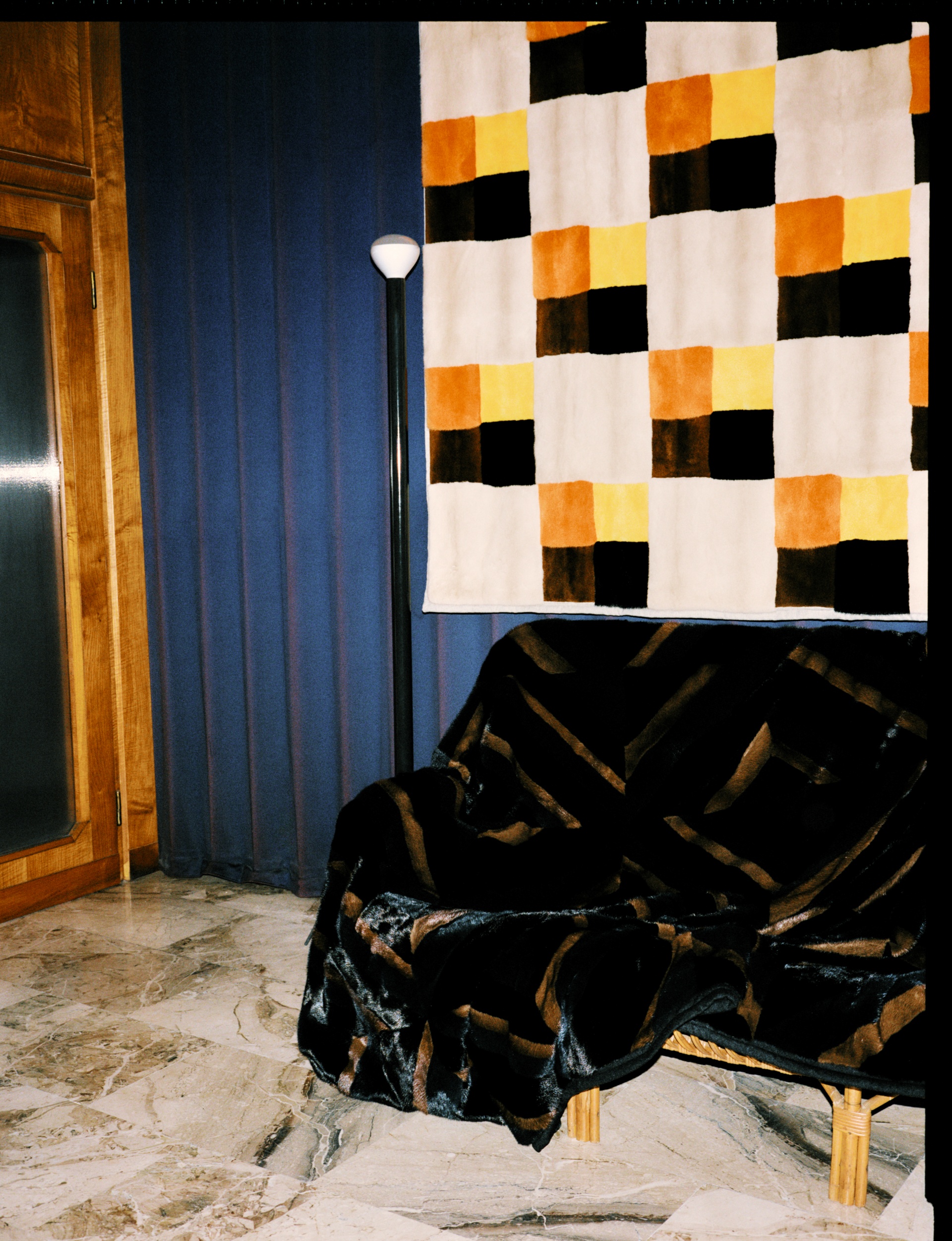
The presentation at Casa Mascagni—a 1960s Milanese residence—is the project's most evocative element, staging the collection as a lived-in domestic fiction and an autobiographical fantasy of the home Bargo might have created as an heir to the Yves Salomon lineage. By placing the works within a lived interior logic, the installation transforms them from mere display into participants in a psychological and emotional narrative. Here, American and French legacies—alongside new and vintage pieces—share memory and craft, refracting and sharpening one another. As Creative Director Marcellin Boyer notes, this project reflects an "expanded vision" of the Maison’s practice: "to create, but also to observe, select, and transmit," highlighting Bargo’s unique ability to bridge creation and curation.