PODCAST
CHI WING LO: THE ARTIST WHO TEACHES US HOW TO LIVE AND ALLOWS US TO SELF REFLECT
LISTEN NOW


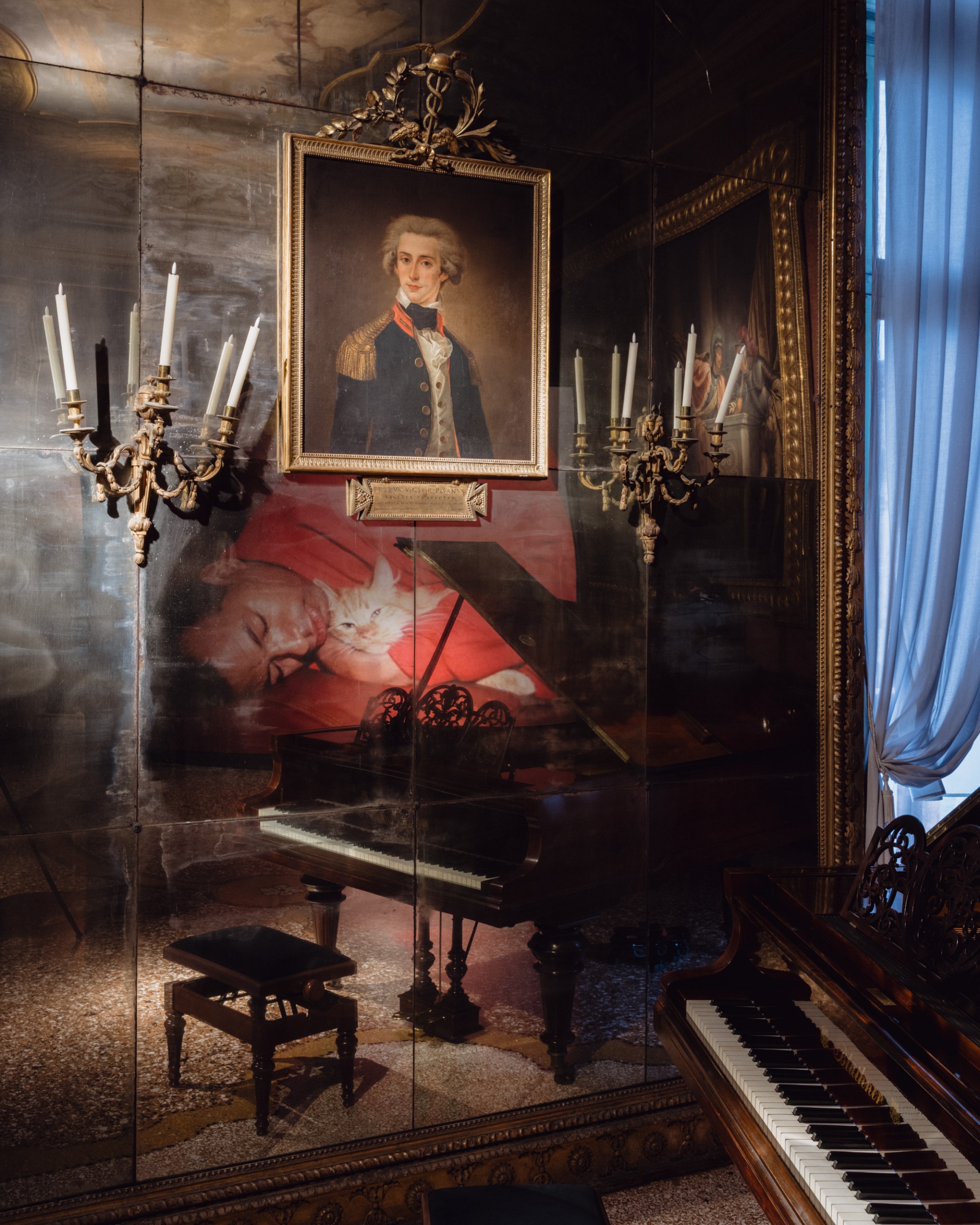
Curated by Dries Van Noten, the Presentation explores craftsmanship as a language of expression and a conduit for emotion. It moves beyond conventional disciplinary borders, gathering fashion, jewellery, art, collectible design, photography, glass, ceramics, and material experimentation within a shared investigation of beauty’s ability to question norms and disrupt dogma. The Presentation unfolds as a constellation of encounters, where established and emerging talents meet in ever‑shifting dialogue. Spanning the ground floor and the first and second Piano Nobile levels of Palazzo Pisani Moretta, it spreads across a sequence of 20 intuitively composed rooms. Here, more than 200 works enter into conversation with the architecture, history, and decorative language of the Palazzo, shaping a narrative guided by instinct rather than rigid logic.
Selected pieces from established fashion houses' archives are presented together with contemporary textile pieces, underscoring an enduring role as medium of cultural expression and affirming its capacity to generate critical and poetic statements. Collectible art and design objects coexist with experimental works – by both independent creatives and artists represented by internationally renowned galleries – together forging new directions in sensorial storytelling and material exploration. Moreover, Traditional craftsmanship is showcased alongside innovative international voices, reflecting the Fondazione’s commitment to both safeguarding heritage and nurturing new talents and views. Collectively, these artifacts articulate Fondazione's mission: to honor the human dimension of making and the narratives embedded within each object.
More than 20 behind‑the‑scenes videos accompany the Presentation, offering glimpses into the making-of processes and featuring brief conversations with the creators, who reflect on the gestures, intentions, and processes that shape each piece. “We are interested in beauty not as an answer, but as a question” say founders Dries Van Noten and Patrick Vangheluwe. “It is not an escape from reality, but a way of engaging with it.
When beauty allows for ambiguity, slowness, and contradiction, when it disturbs rather than resolves, then it becomes a subtle form of protest. This Presentation is an invitation to look longer, to stay with uncertainty, and to recognize making as a deeply human act in which concept and craft converge, carrying both culture and the memory of the hands.”
HIGHLIGHTS ACROSS THE PRESENTATION
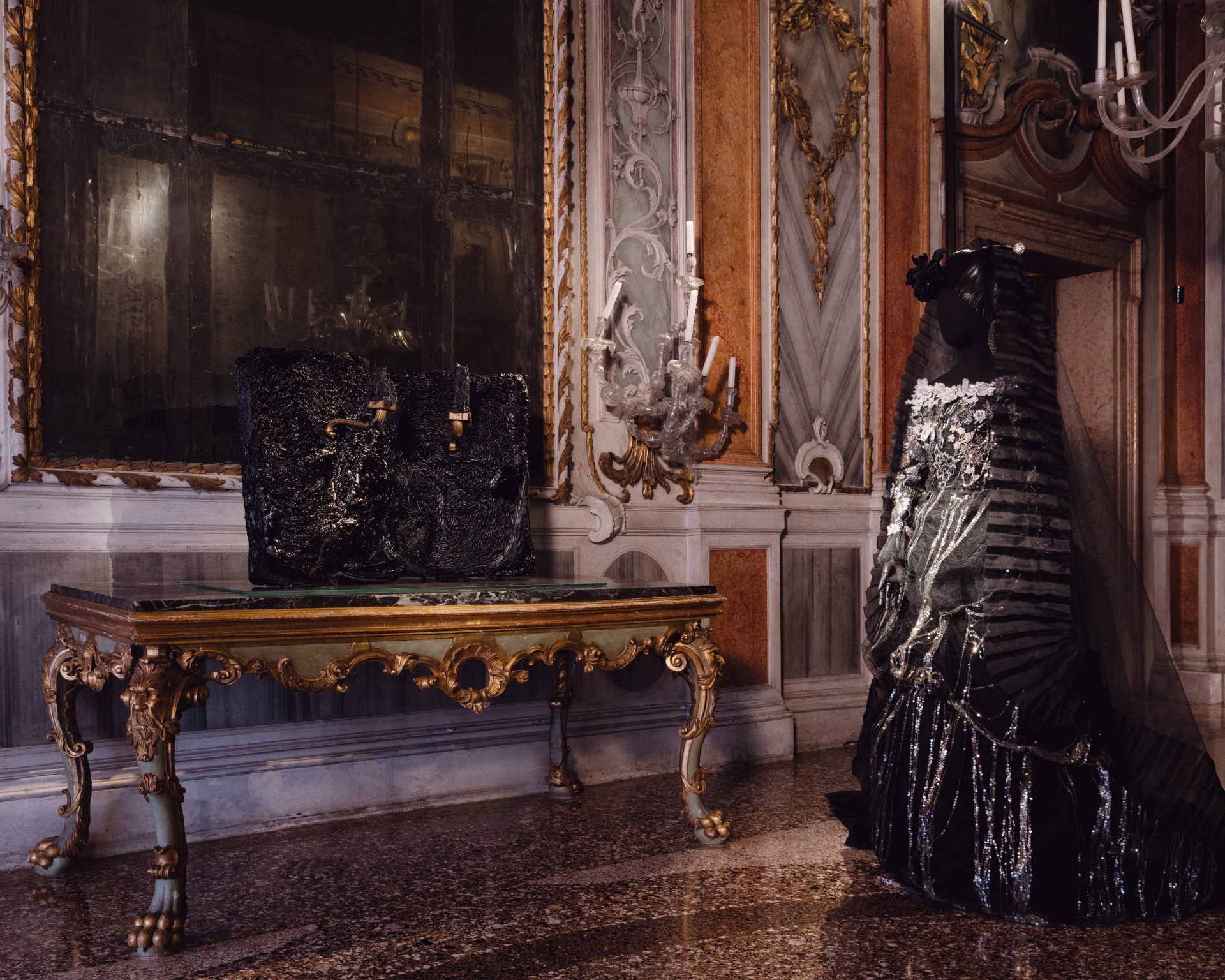
The journey begins in the portego on the ground floor (the axis linking the land entrance to the water gates on the Grand Canal) where an enigmatic sculpture by Peter Buggenhout (Axel Vervoordt Gallery) immediately sets the tone. Its ambiguous, dust‑laden presence invites reflection on the uncertainty and impermanence of human experience, introducing the interplay of contemplation and disturbance that reverberates throughout the Presentation.
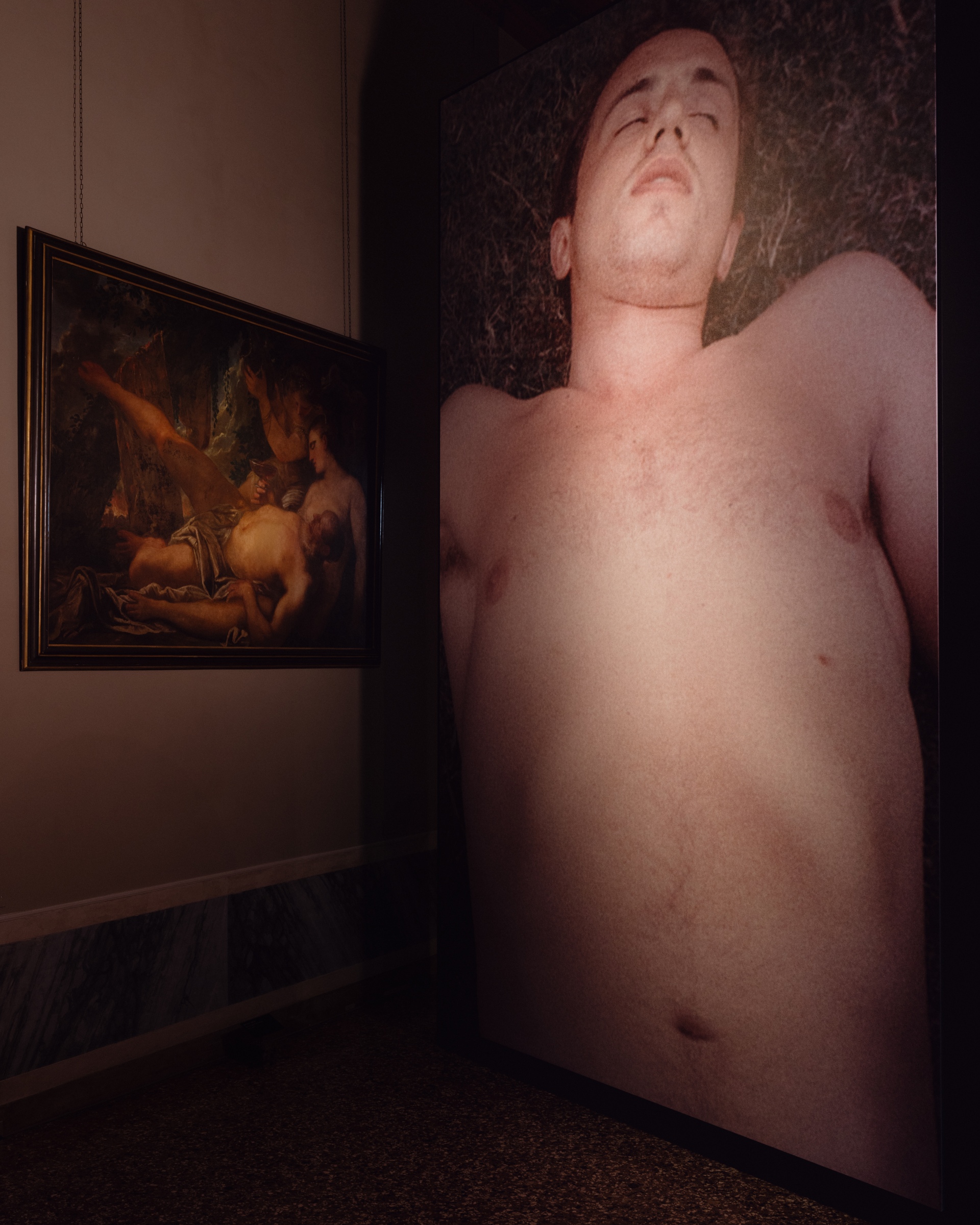
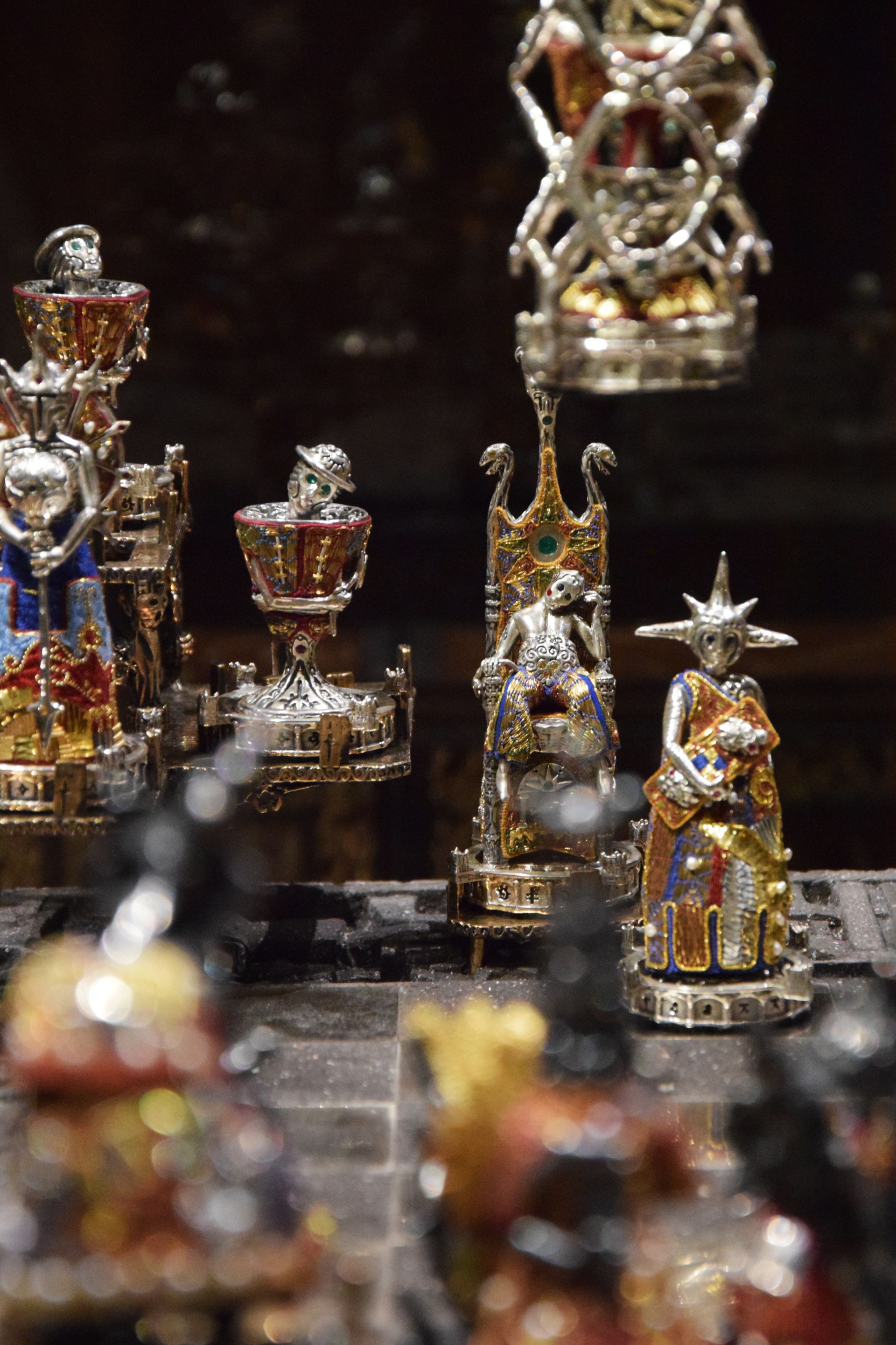
The dialogue between the works and the Palazzo reveals itself immediately: in the first salon on the first Piano Nobile floor, the ceiling depicting The Victory of Light over Darkness by Guarana (a scholar of Giambattista Tiepolo) becomes the canopy under which Steven Shearer’s (David Zwirner and Galerie Eva Presenhuber) contemporary photographs of sleeping subjects enter into dramatic conversation with the Memento Mori–inspired jewellery masterpieces of Codognato, alongside statement couture pieces by Christian Lacroix and Comme des Garçons.
Fashion holds a central, structuring role within the Presentation, appearing from the first room to the last as both medium and method, a vehicle through which beauty becomes inquiry, while simultaneously tracing the transition of Dries Van Noten’s creative career trajectory. Fifteen silhouettes by Christian Lacroix, including long‑unseen sourced from private collections, reveal the designer’s layered constructions, resonating with the Palazzo’s ornamental language and the narratives embedded within its rooms. In parallel, archival silhouettes by Rei Kawakubo for Comme des Garçons (from 2015 onward) showcase sculptural, concept‑driven forms whose voluminous, abstract constructions operate as autonomous presences, questioning conventions of beauty. Extending this conversation to a younger generation, the Presentation introduces the work of Palestinian designer Ayham Hassan, whose practice, shaped by growing up in the West Bank, transforms constraint into a vocabulary of resilience through silhouettes marked by raw, grounded materiality.
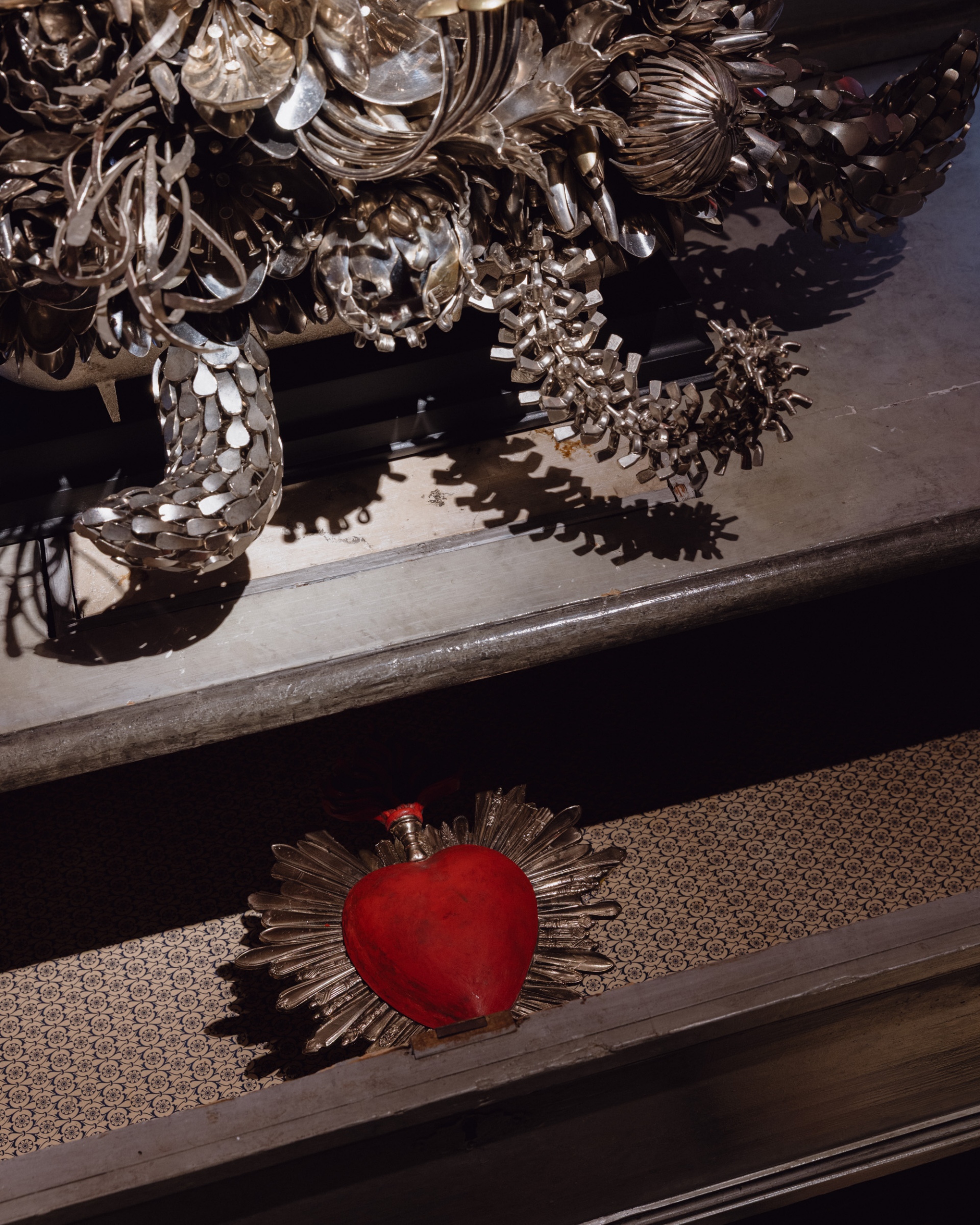
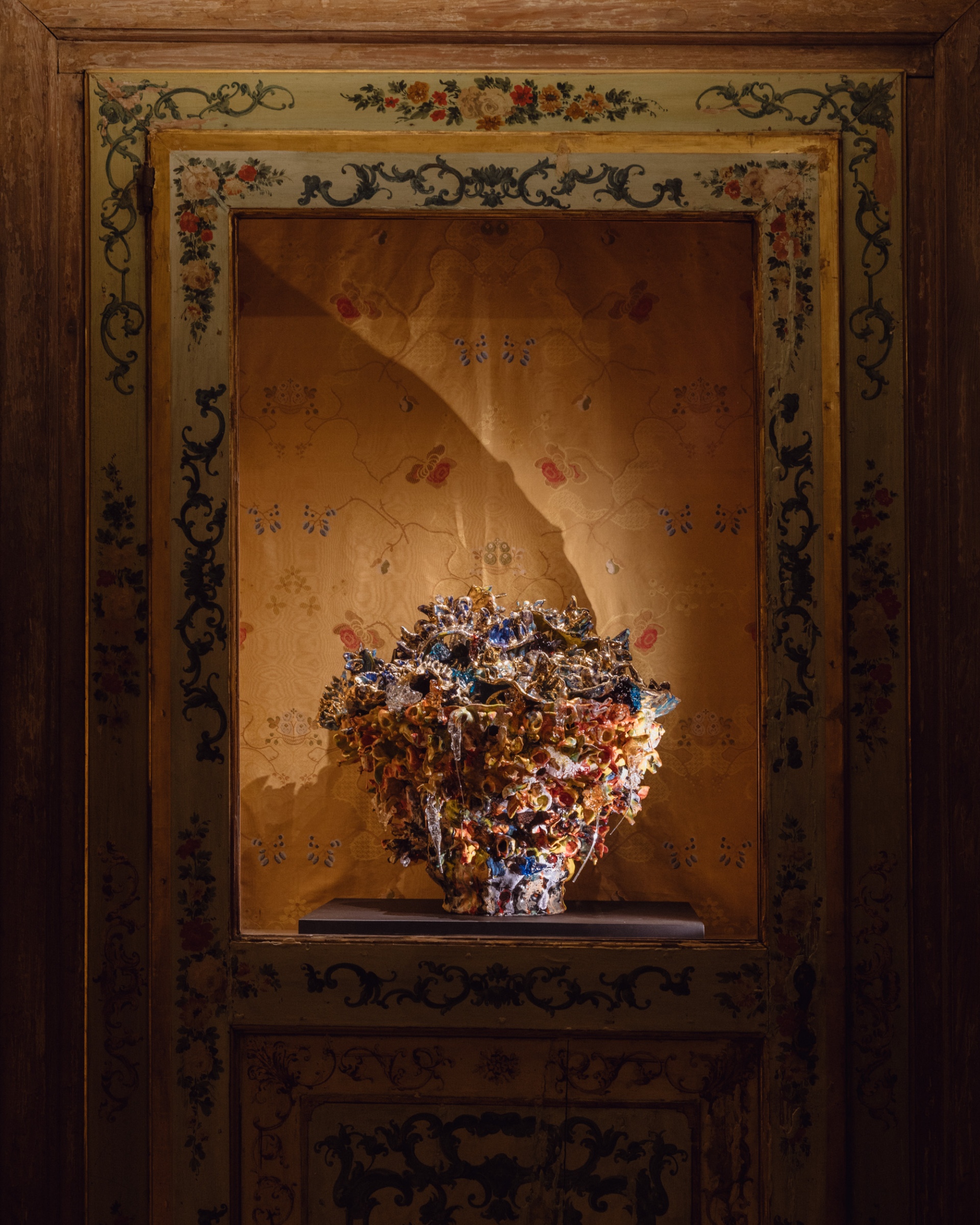
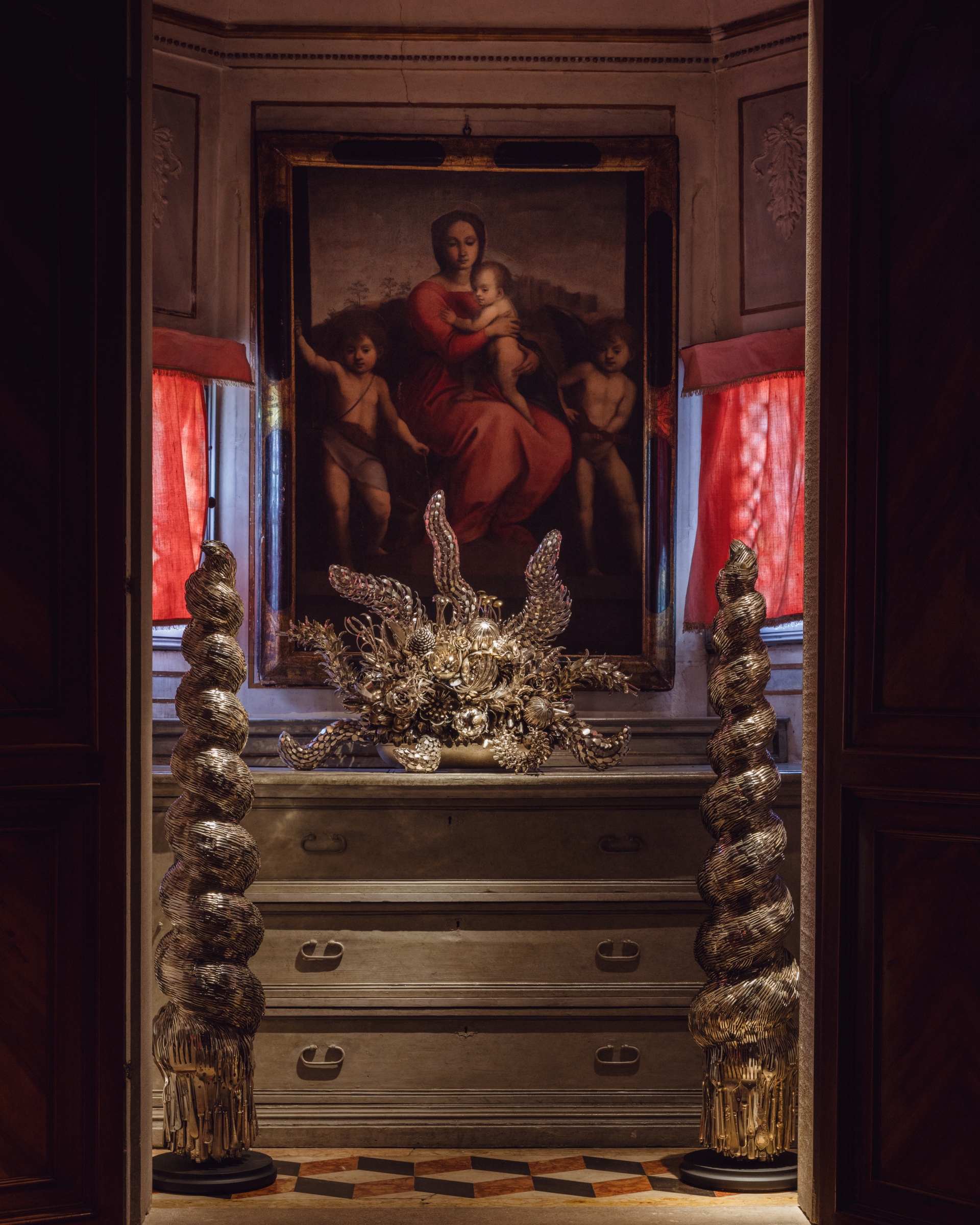
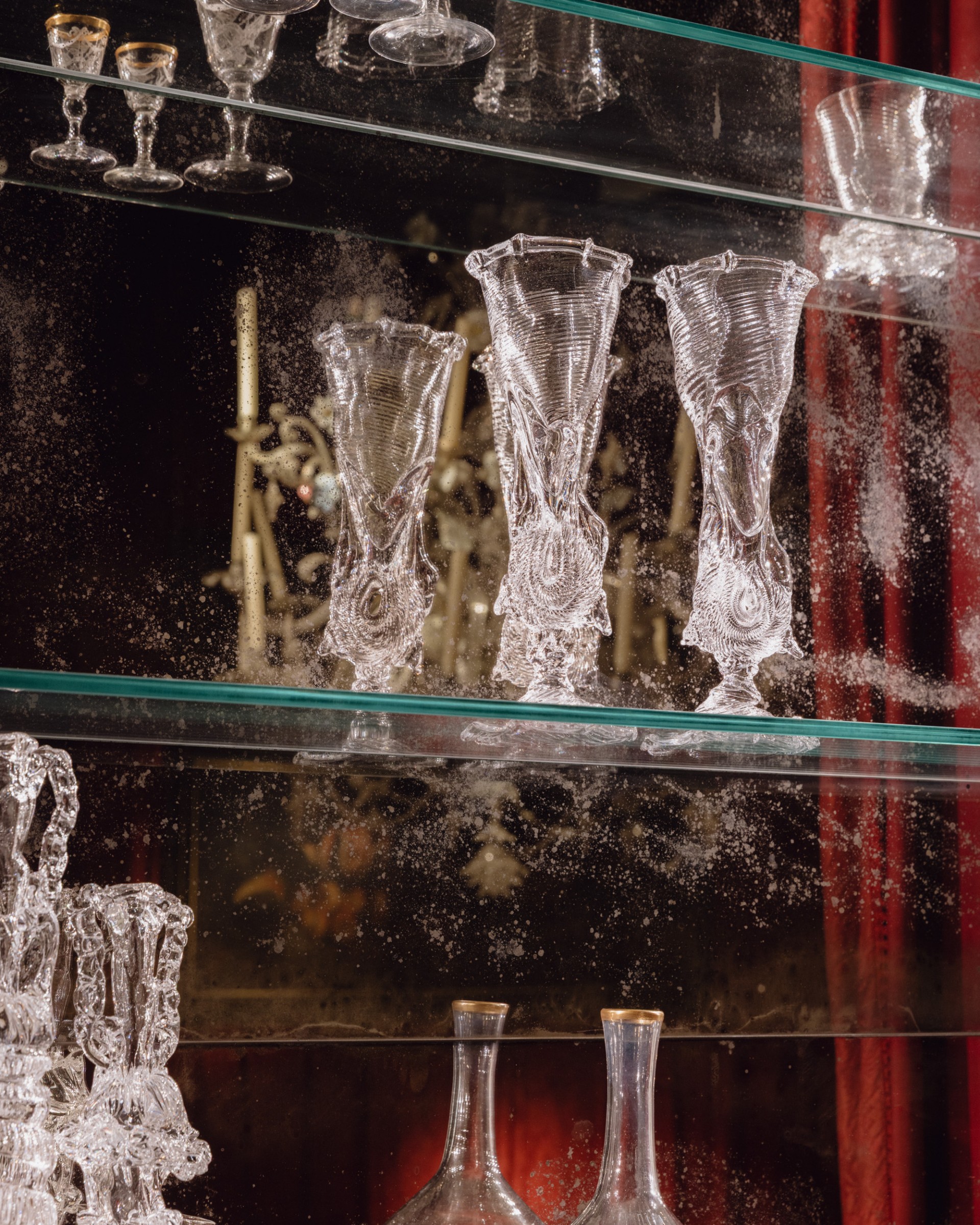
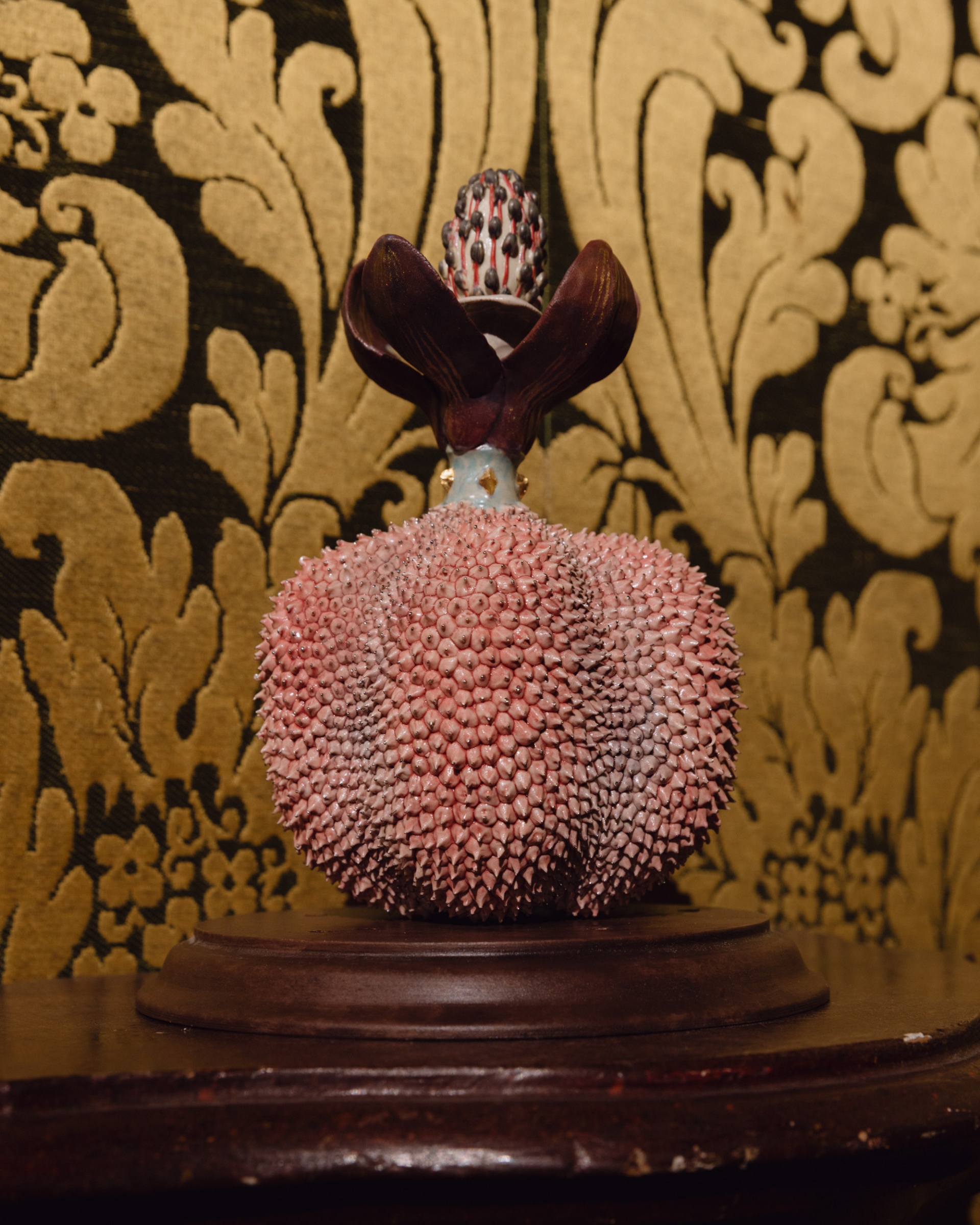
In dialogue with these fashion pieces, objects, artworks, and material explorations coexist in a network of resonances, forming shifting and overlapping dialogues. Opulent frescoes of convivial scenes on the walls open a reflection on organic forms and materiality that echoes in the ceramics of Kaori Kurihara. Nearby, the Pisani Moretta family’s historic glassware collection meets the intricate contemporary works of Alexander Kirkeby (Uppercut), Ritsue Mishima (Pierre Marie Giraud Gallery), and Armand Louis for Wave Murano Glass, creating a continuum of transparency, fragility, and craft. In the chapel alcove, once veiled by drapes that protected the intimacy of prayer, a sculptural assemblage by Misha Kahn (Friedman Benda) introduces a note of playful irreverence, acting as a prelude to Ann Carrington’s opulent compositions made from discarded metal elements, which subtly unsettle the holiness of the space. Along the path, wonders of nature punctuate the Presentation, from the mineral-crystallized vases of Isaac Monté (Spazio Nobile) to Hubert Duprat’s (Art: Concept) Tube de trichoptère, where insects use precious materials such as gold, pearls, rubies and diamonds instead of sand and twigs to build their armour, transforming into 'goldsmiths'. Further on, an exploration of chairs unfolds, placing the antique seating of the Palazzo in conversation with contemporary creations by Guillermo Santomà, Nifemi Marcus-Bello (both Side Gallery), and Lionel Jadot (Objects With Narratives). These pieces probe the relationship between concept, collectability, and functionality, revealing new material meanings and the abstractions that emerge from unexpected assemblies.
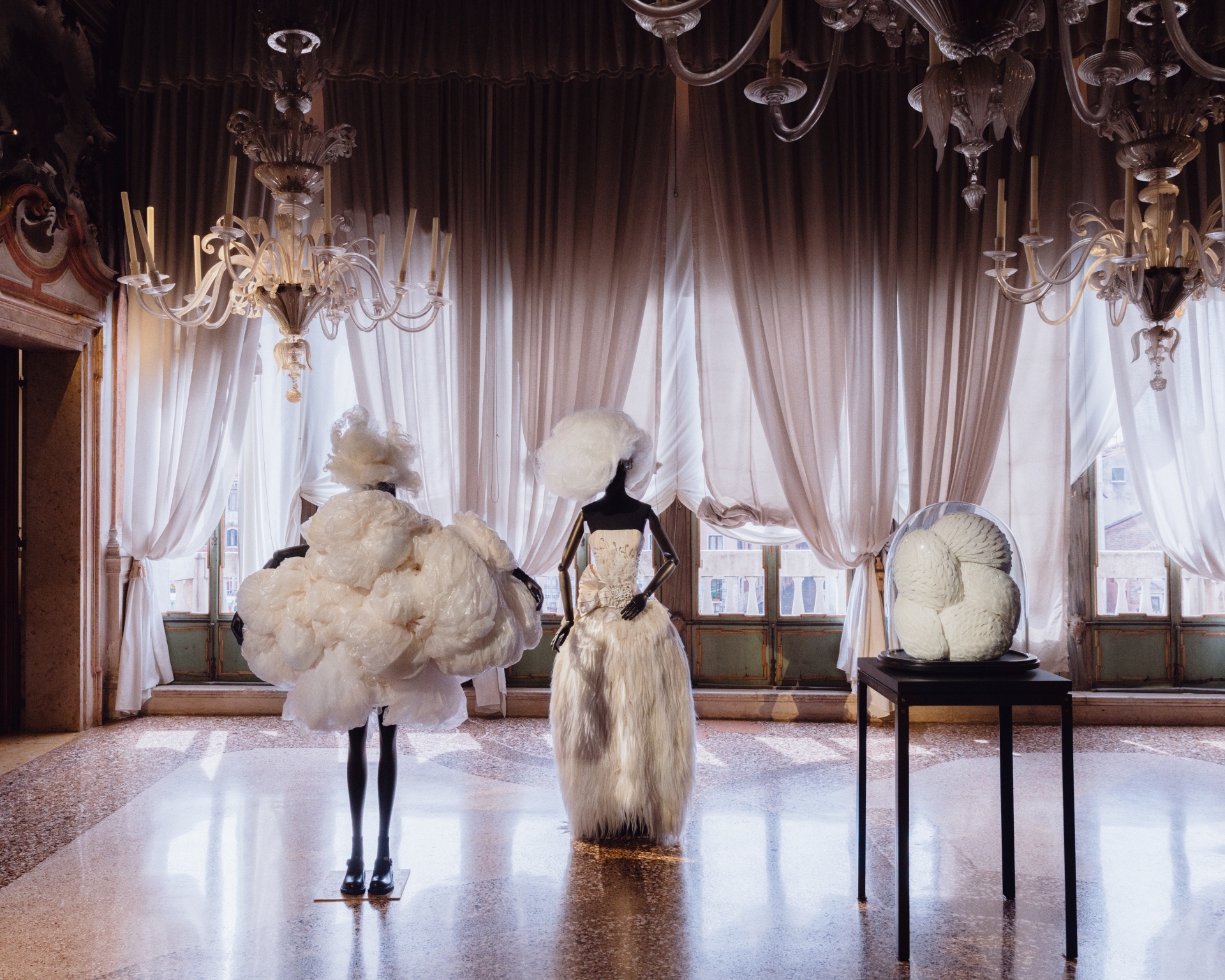
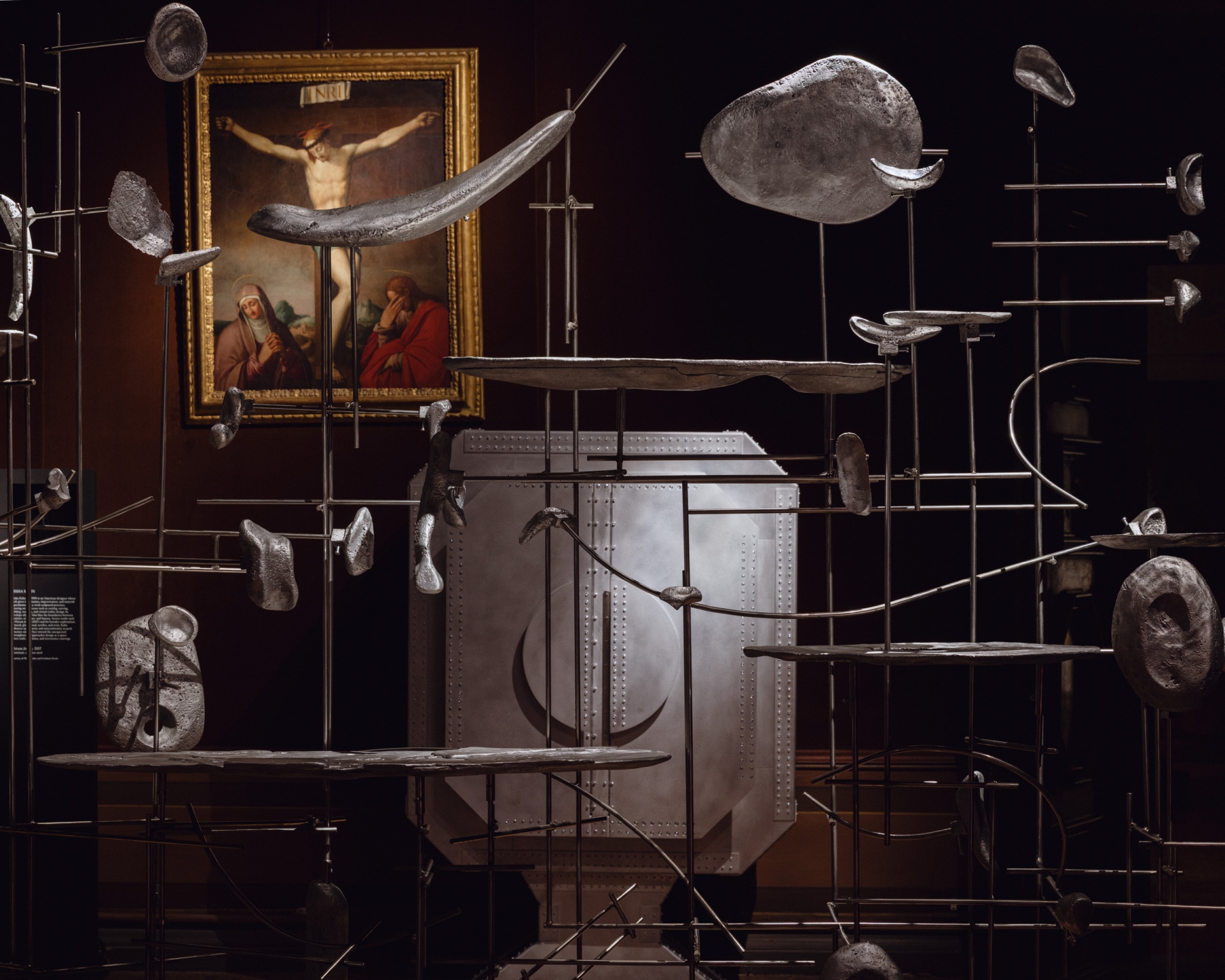
A fil rouge connects these encounters (of which only a few are evoked here) and their culturally charged narratives: the excellence of making, and the tension between harmony and rupture. Whenever the composition risks becoming too serene, a deliberate interruption introduces dissonant or unsettling forms of beauty, transforming it into something provocative, complex, and alive.