



PODCAST
WHAT MAKES A GOOD CONVERSATION? LOOK NO FURTHER THAN OUR ART OF THE CONVERSATION, FEATURING UNCONVENTIONAL STORIES AND PEOPLE WHO MOVE AND INSPIRE
LISTEN NOW
Rio is one of those cities you feel you know before you arrive. Christ the Redeemer high above the city, Sugarloaf rising from the water, the great sweep of Copacabana Beach, and the colour and exuberance of Carnival. The images have been reproduced endlessly in glossy travel magazines. Yet the city itself is rather less predictable.
Visiting as Rio slipped into spring, the beaches were surprisingly quiet, but music was everywhere: samba tumbling out of bars, the softer sway of bossa nova, snatches of sound escaping from taxis and open doors. Both feel woven into the very fabric of the city.
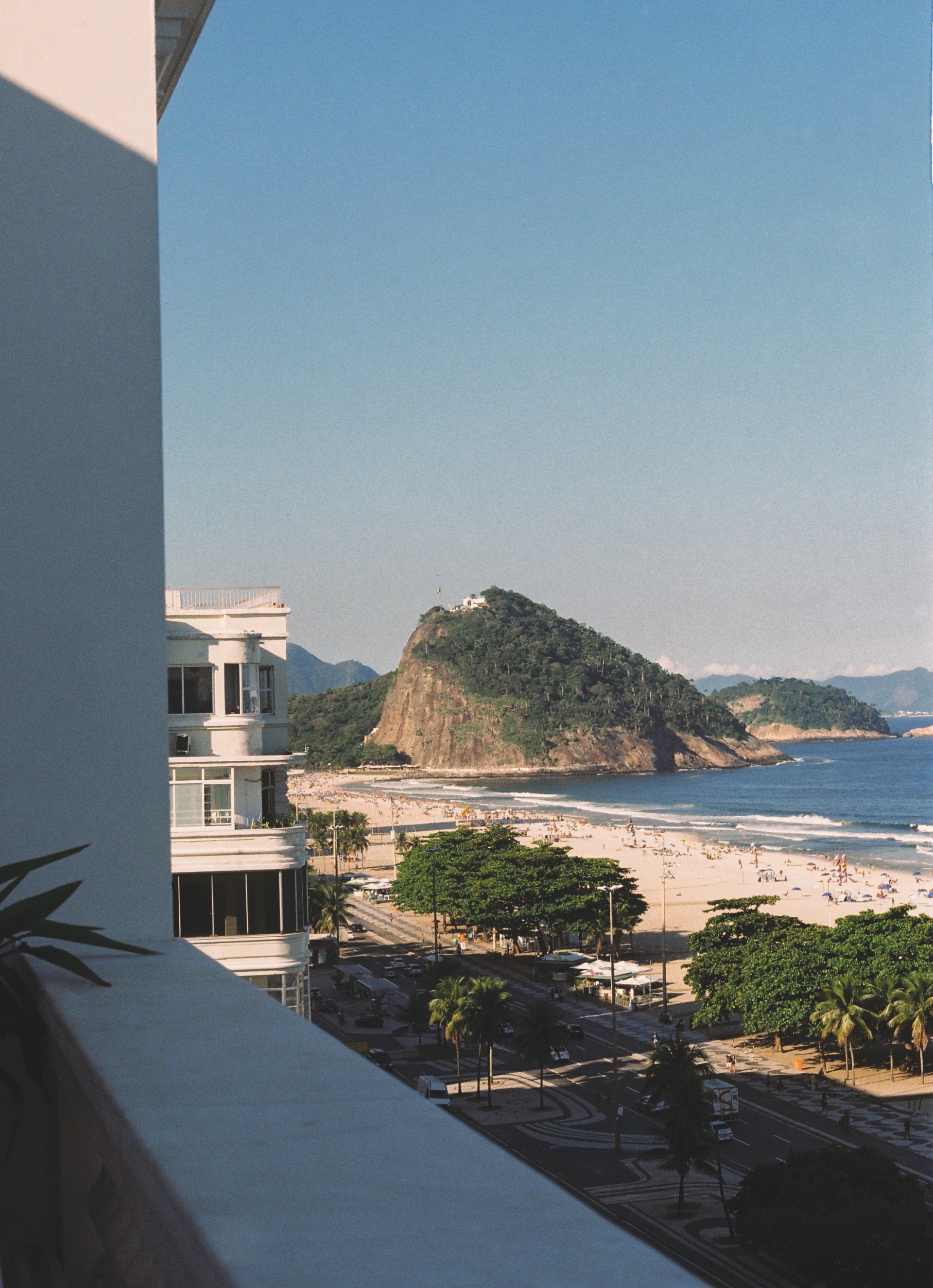
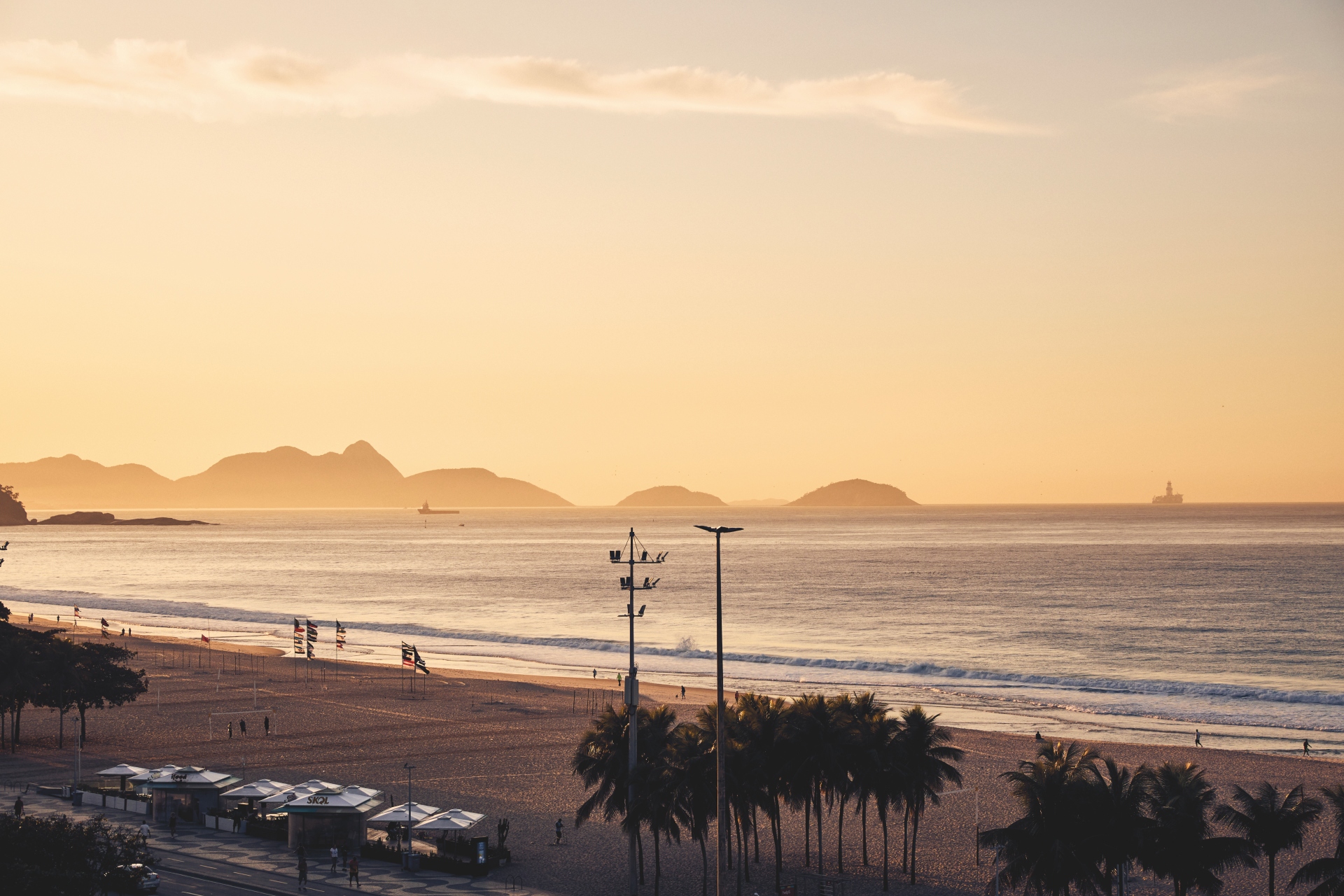
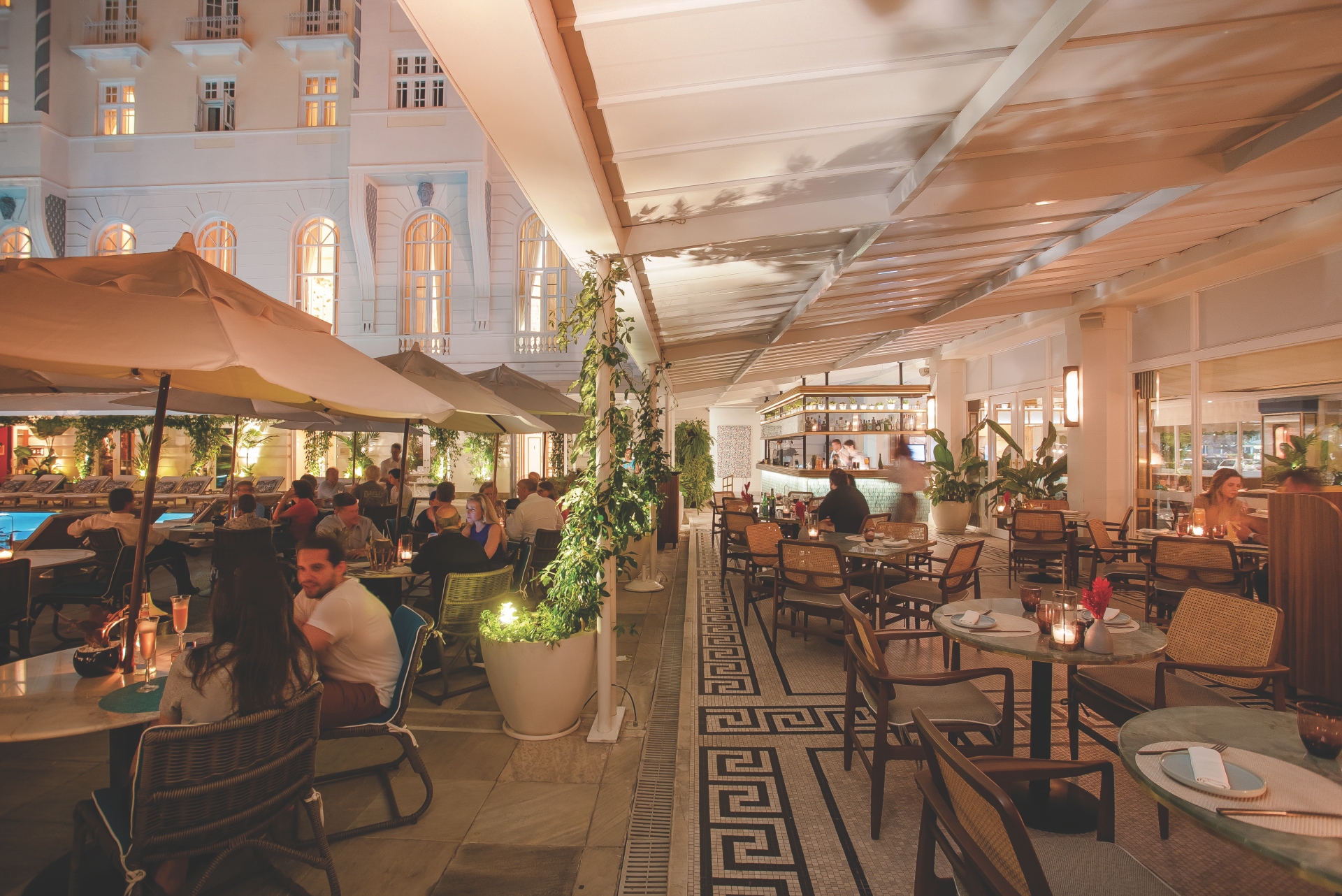
Along Avenida Atlântica, Brazilian landscape architect Roberto Burle Marx’s extraordinary black-and-white mosaic promenade rolls along beside the Atlantic in great abstract waves. And in the middle of this unmistakably Carioca scene stands something wonderfully unexpected: a great white French palace.
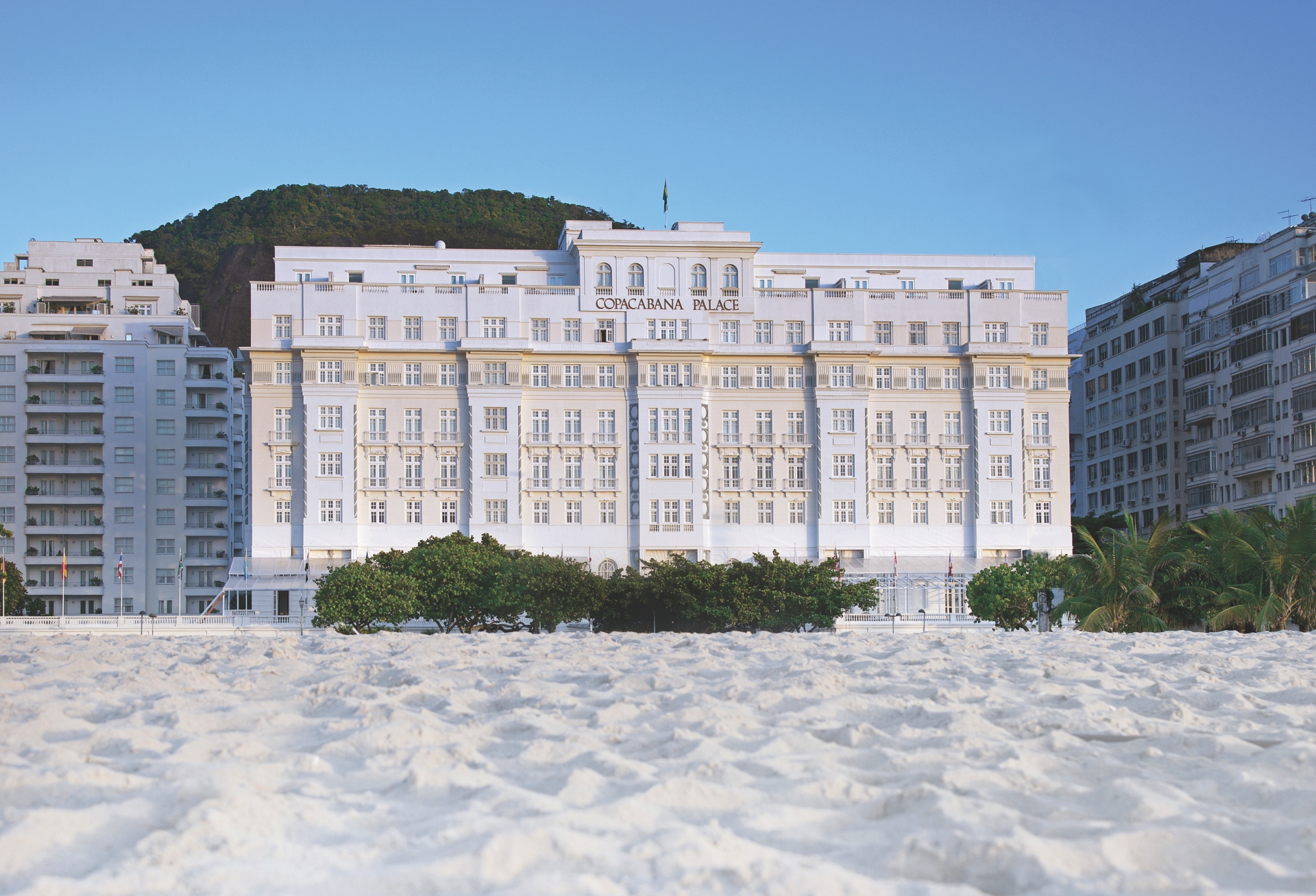
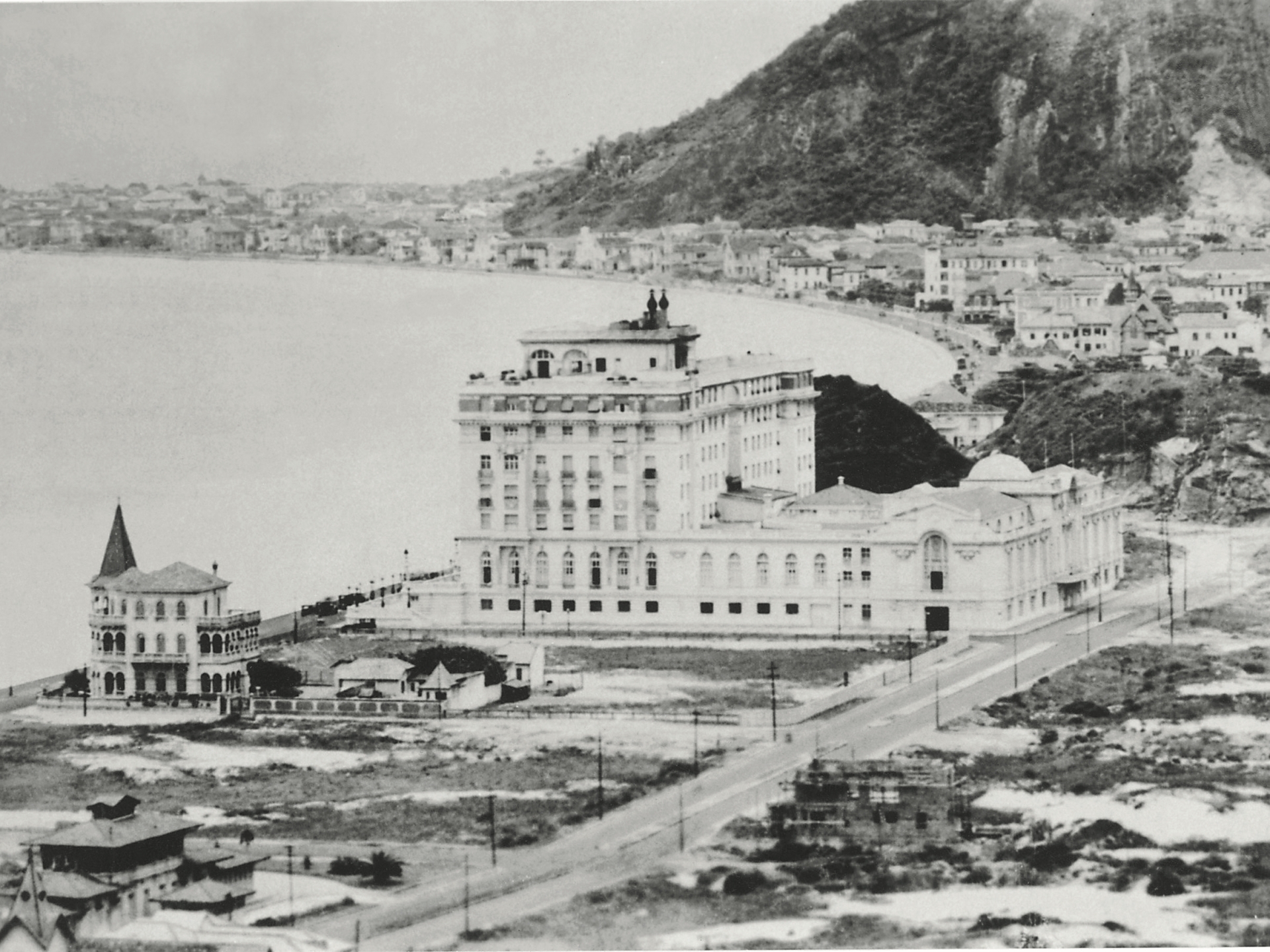
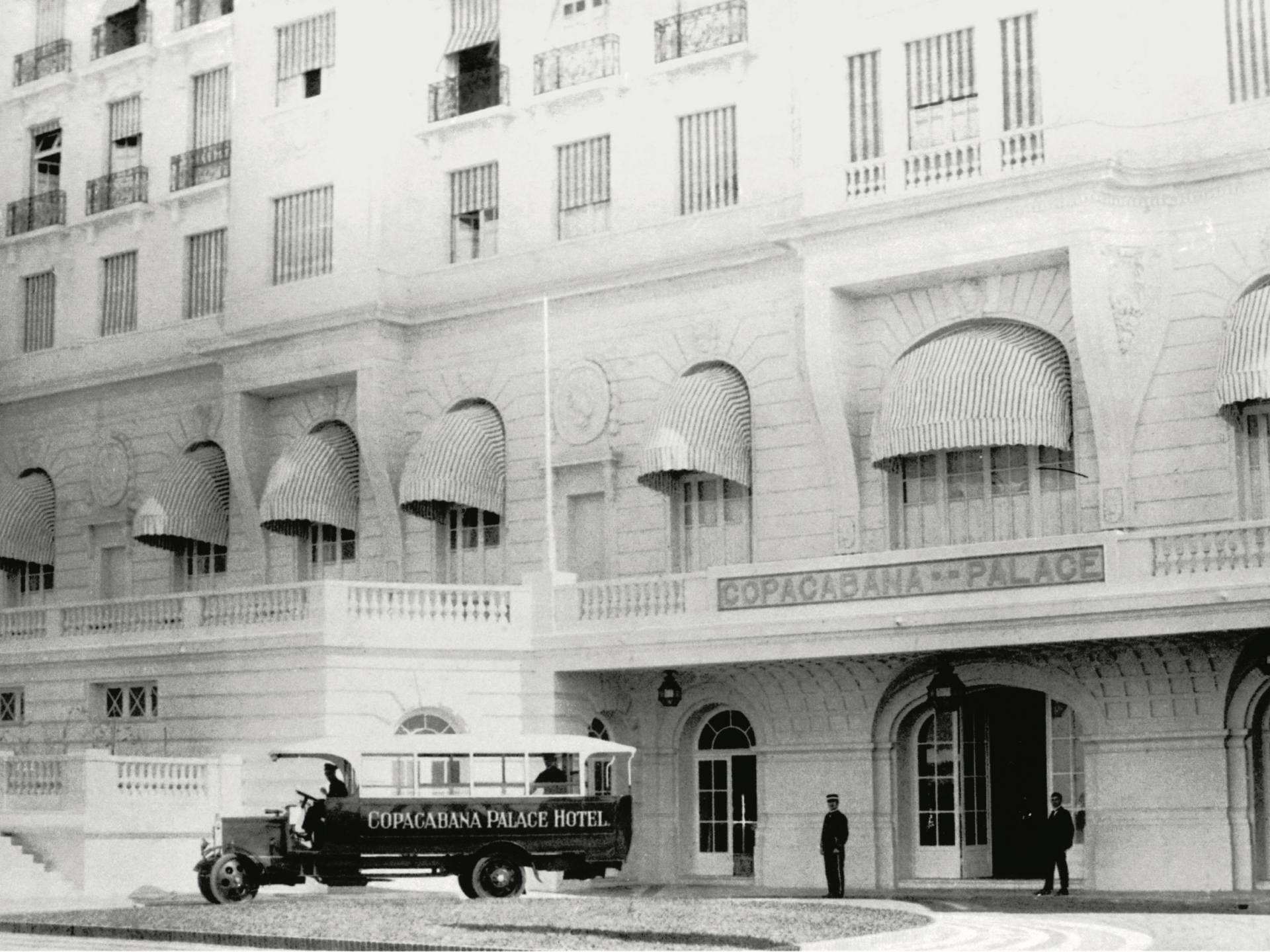
For more than a century, Copacabana Palace has been photographed, filmed, and written about, its magnificent white façade almost inseparable from the beach itself. Behind it lies an extraordinary history of music, glamour, Carnival, and a distinct social culture that has made the Copa one of the world’s most celebrated hospitality icons.
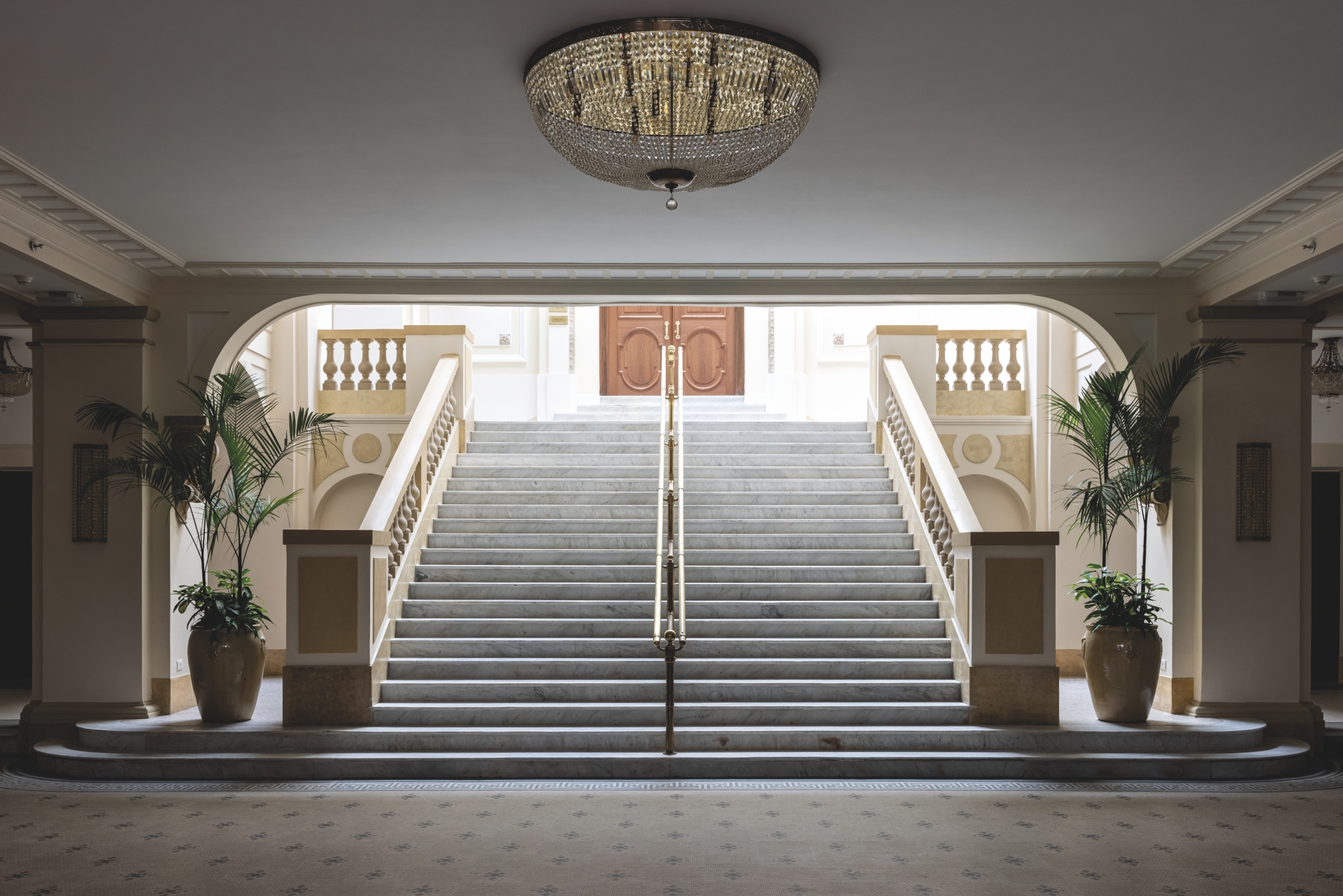
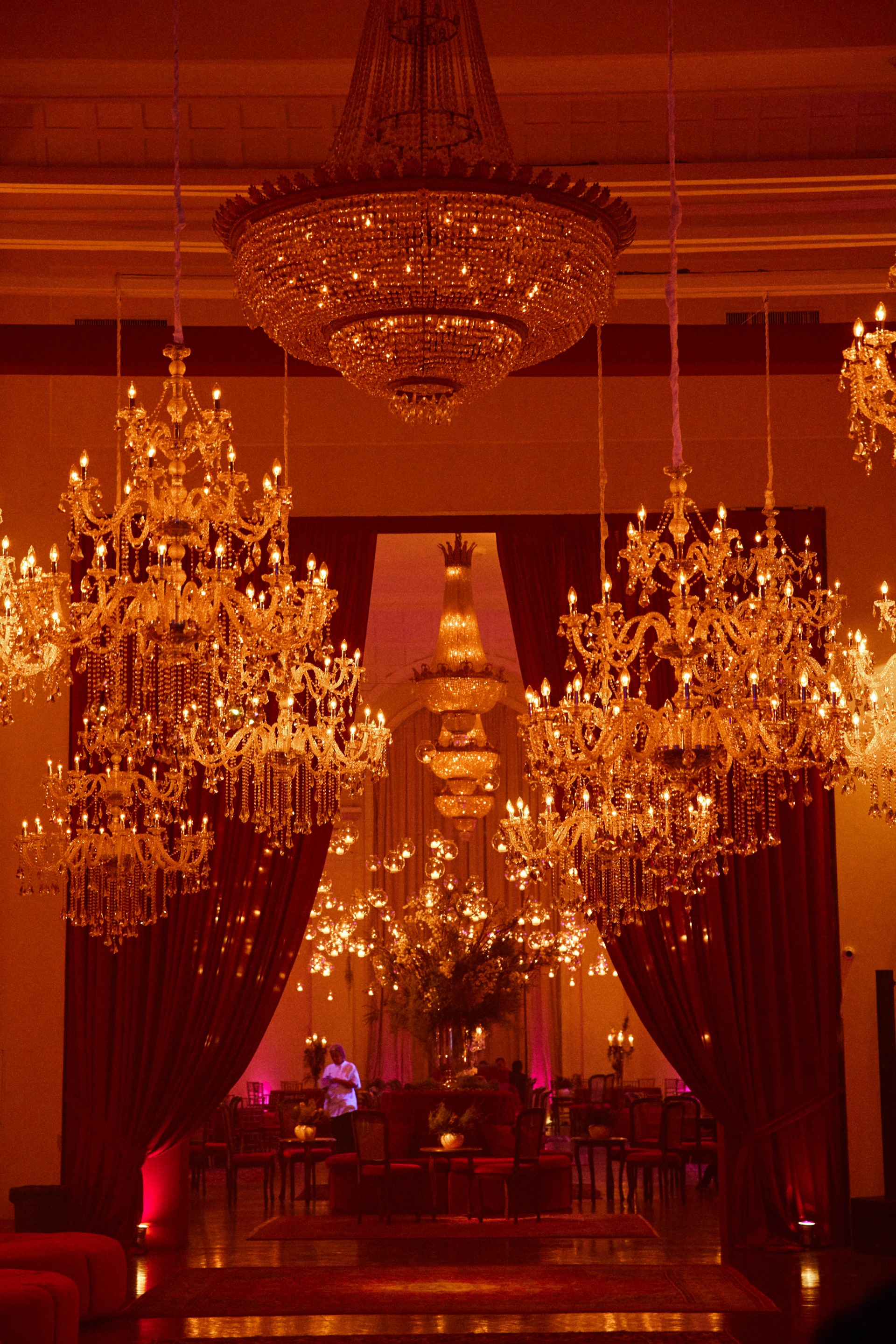
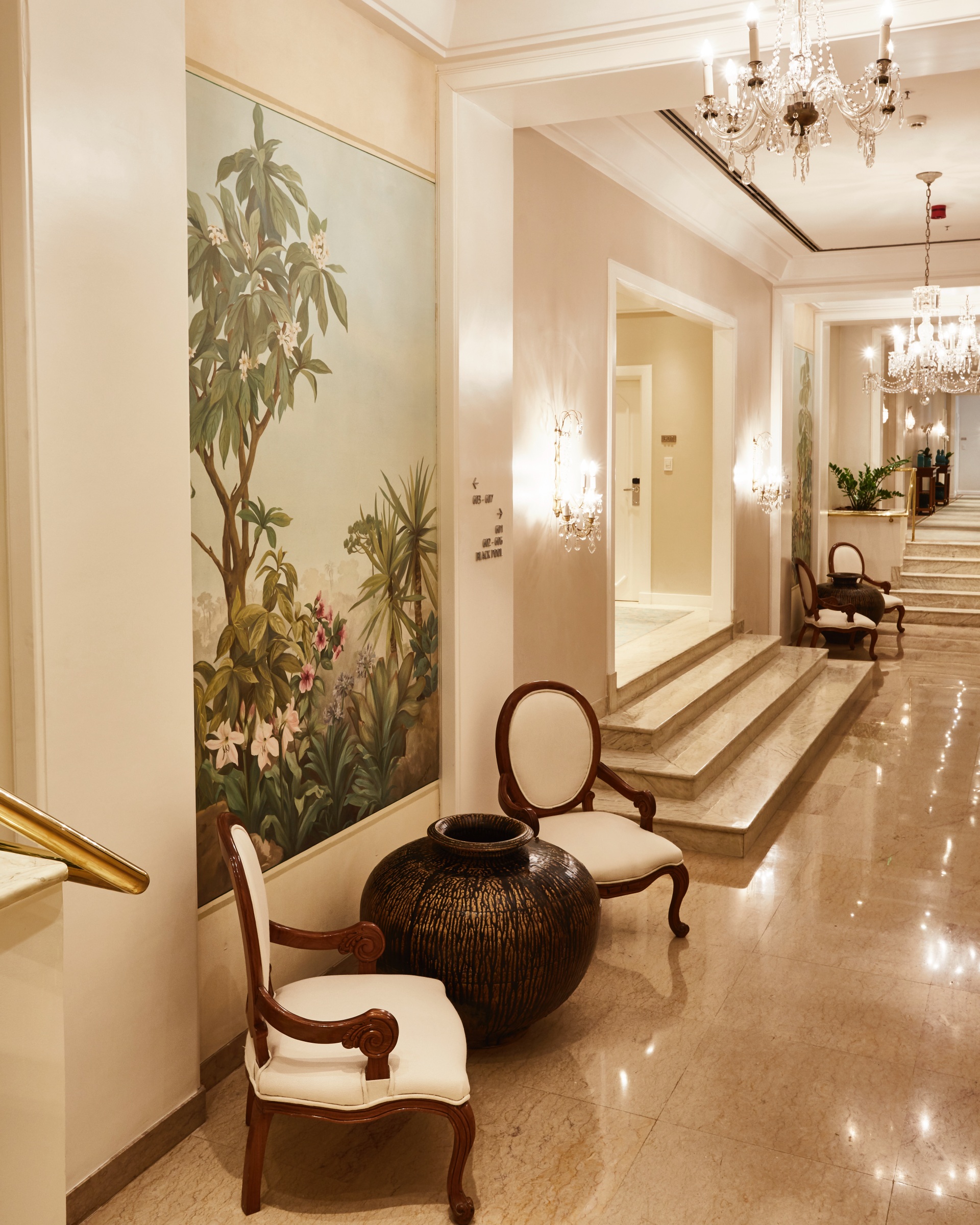
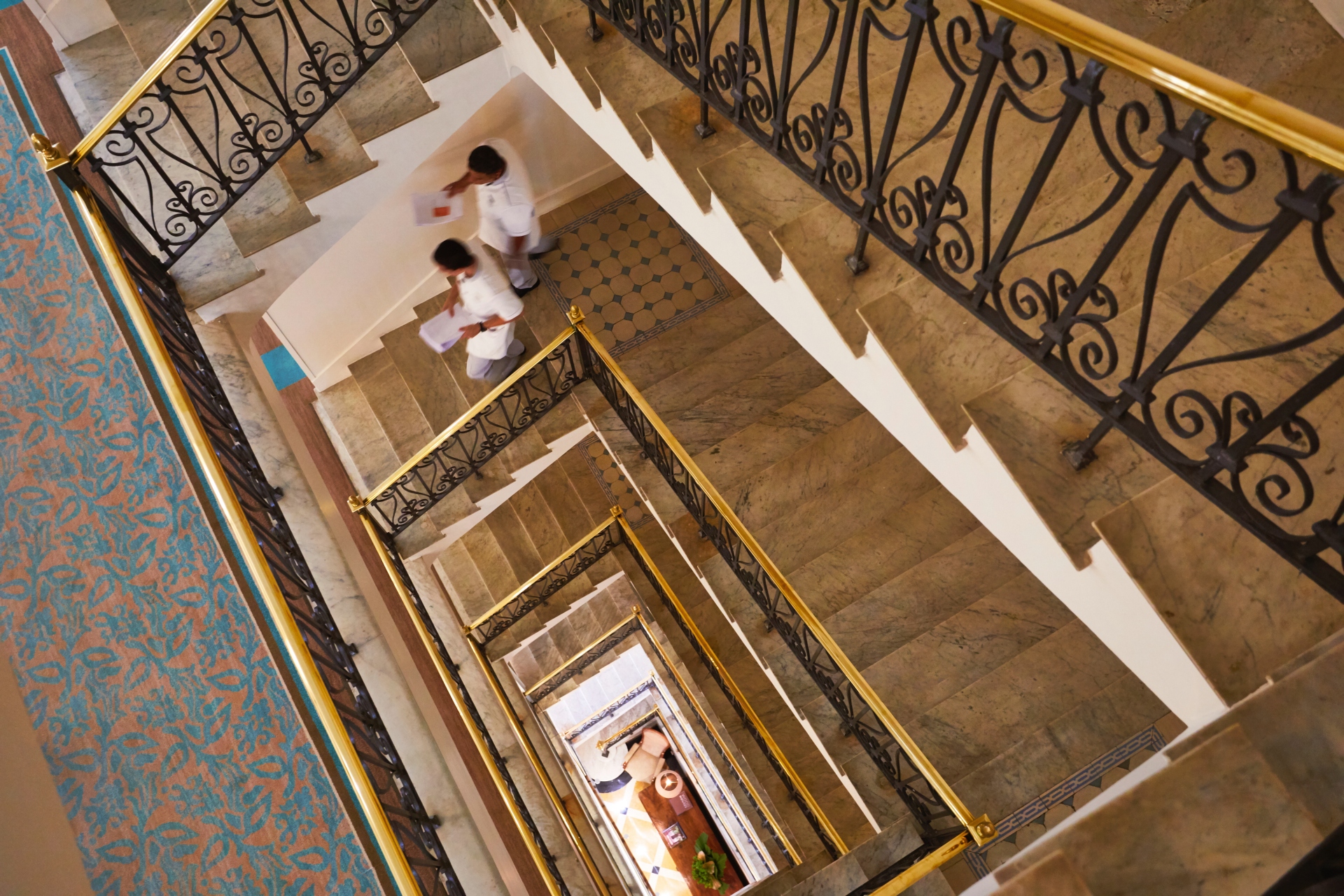
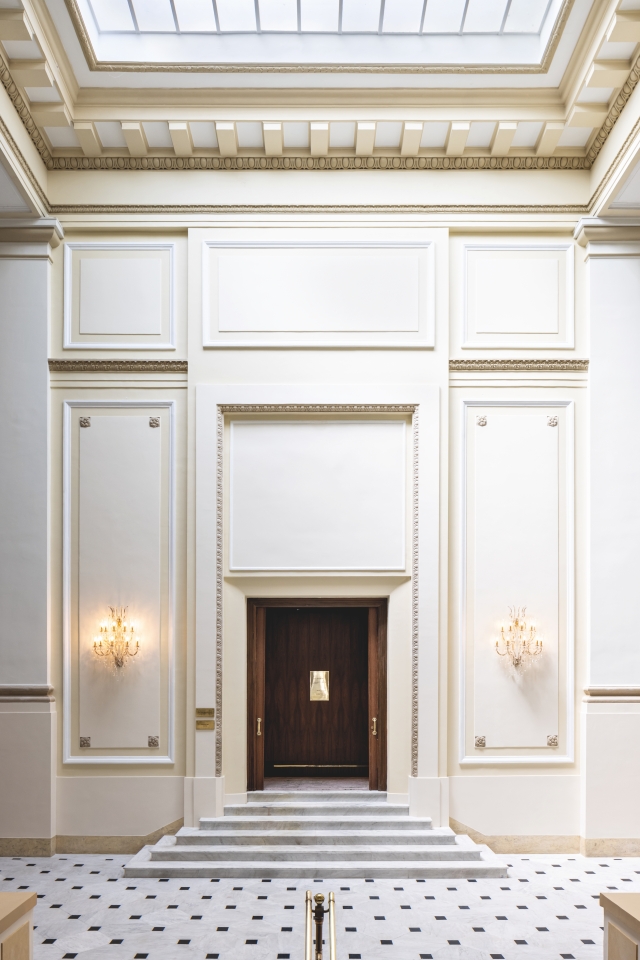
The palace began with a request from Brazil’s president, Epitácio Pessoa, who wanted a grand hotel for the international visitors expected for the centenary of Brazilian independence in 1922. Hotelier Octávio Guinle accepted the challenge, choosing a sparsely developed stretch of Copacabana Beach, while French architect Joseph Gire looked to the Negresco in Nice and the Carlton in Cannes for inspiration. European furnishings, Carrara marble, and magnificent chandeliers completed a palace conceived to rival the great grand dames of the French Riviera.
However, construction delays and a violent storm surge meant it missed its intended opening, finally launching in August 1923. The Guinles soon made up for lost time, throwing the hotel’s first Carnival ball just six months later. Gire’s formal French salons filled with music, dancing, feathers, and sequins. The Baile do Copa quickly established itself as a cornerstone of Rio Carnival, a tradition that continues to this day.
It was an early indication that this European architectural import would embrace a thoroughly Brazilian social life. As Copacabana grew fashionable, the hotel evolved into Rio’s premier meeting place. Its Golden Room attracted legendary performers including Josephine Baker and Ella Fitzgerald, while the salons filled with dancers, socialites, and film stars. The Copa became somewhere to dine, flirt, gossip, and be seen.
Cinema amplified its glamour globally. RKO’s 1933 musical Flying Down to Rio, featuring the first screen pairing of Fred Astaire and Ginger Rogers, recreated the Copa as the fictional Atlantic Hotel, exporting the fantasy of Rio long before long-haul commercial travel was widespread.
That mythology is preserved in the hotel’s Hall of Fame, where roughly 100 photographs—selected from an archive of 1,000—line the corridors. Performers, presidents, footballers, royalty, and writers look back across a century of history. Head Concierge Anderson Azevedo acts as an informal archivist, bringing the hotel’s history alive through the storied personalities who have passed through its doors.
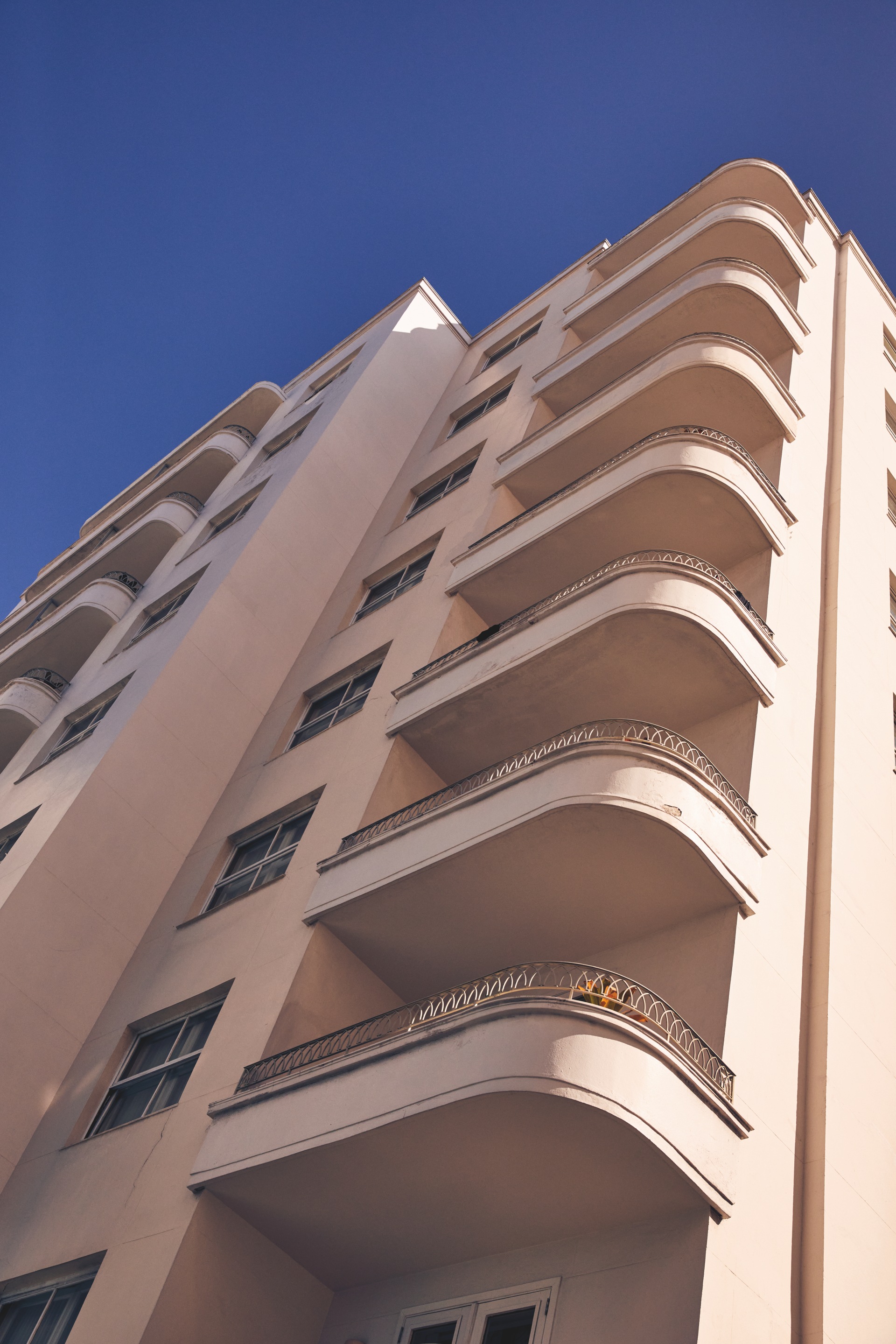
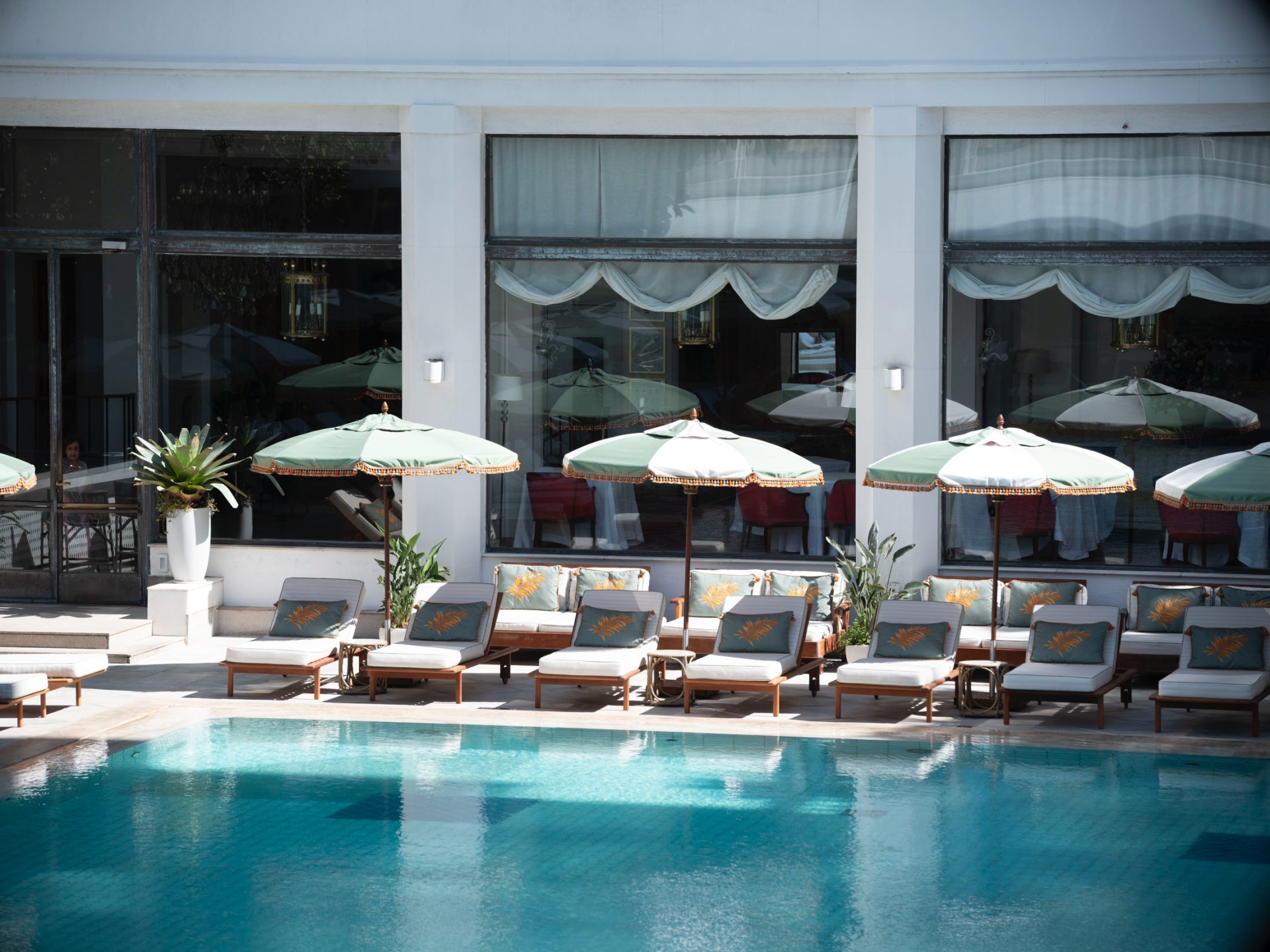
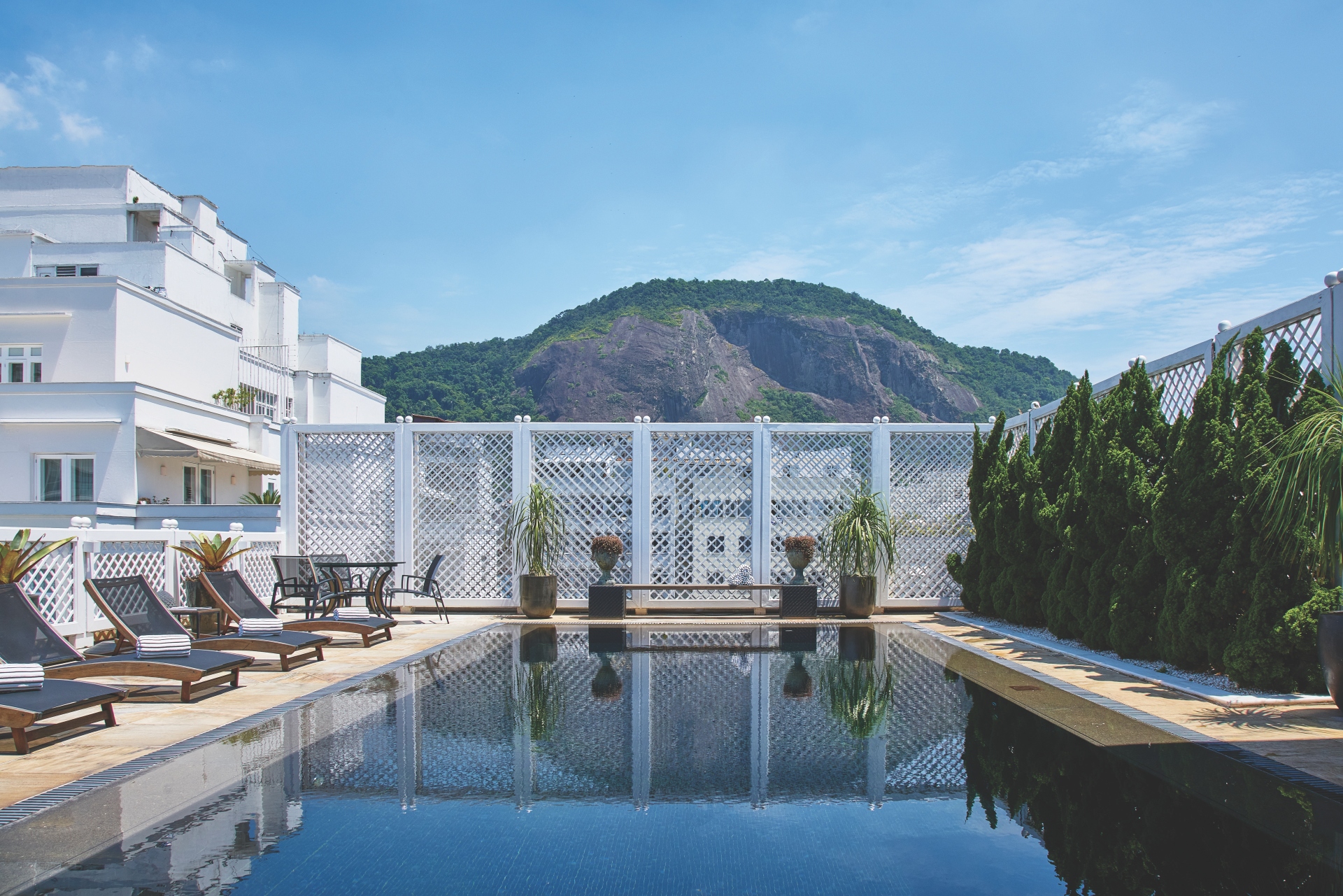
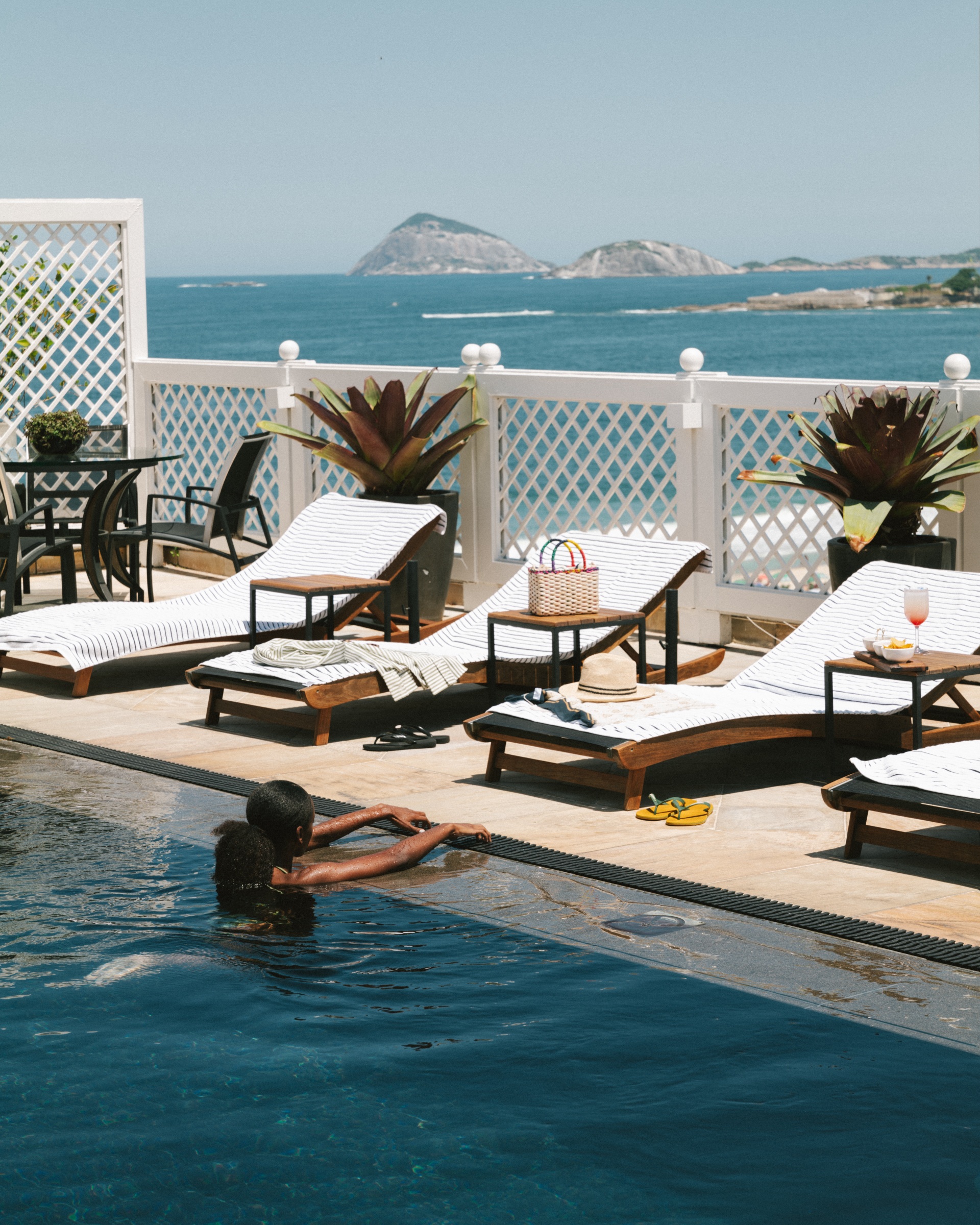
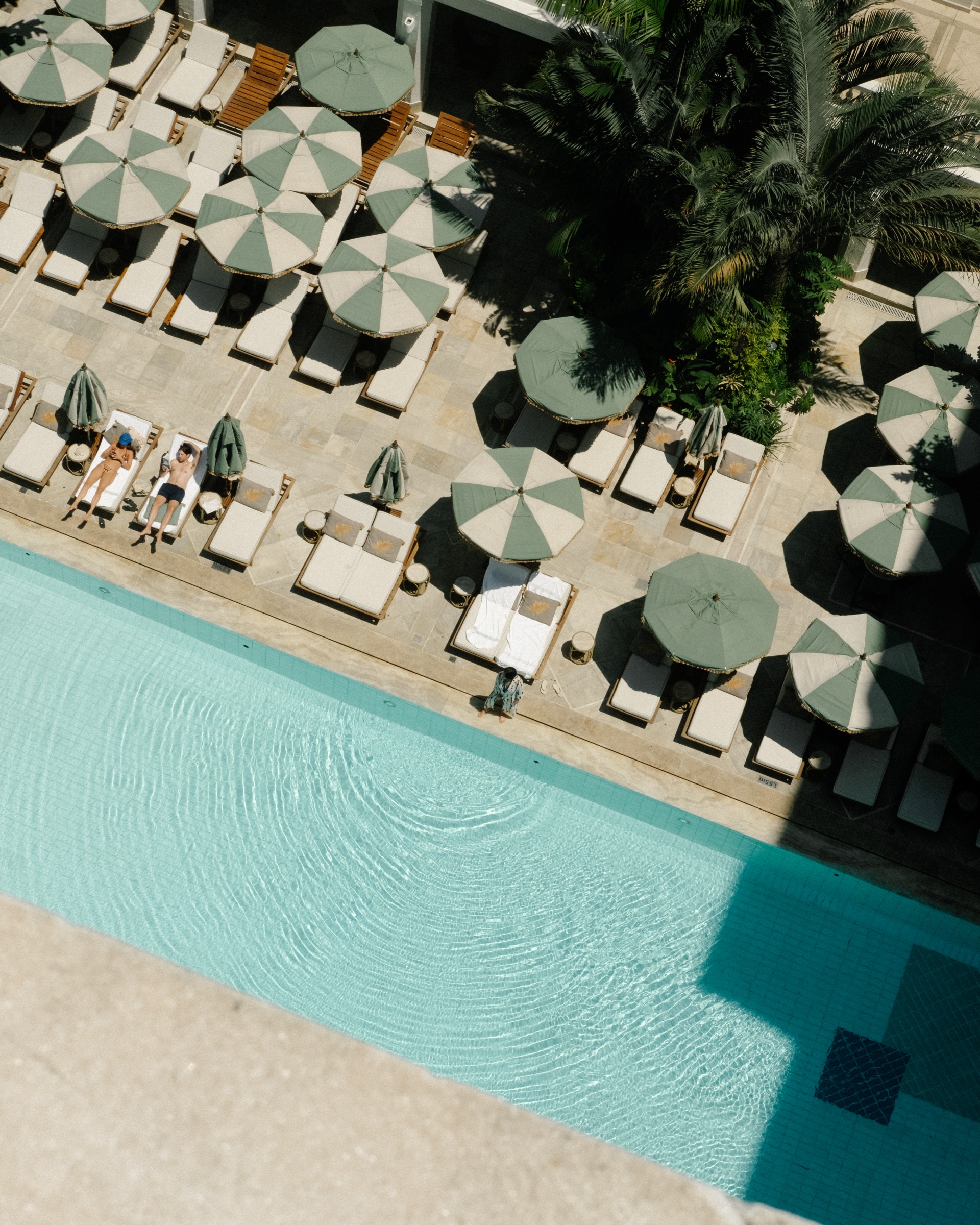
Some of the hotel’s most entertaining anecdotes belong to the swimming pool. Orson Welles notoriously threw furniture into it; Janis Joplin swam in it; Princess Diana requested a midnight swim with the lights extinguished. By 1948, as Carioca social life shifted toward a more outdoor lifestyle, Brazilian architect Wladimir Alves de Souza added the modernist Pool Wing, introducing a striking new architectural language to complement Gire’s French palace.
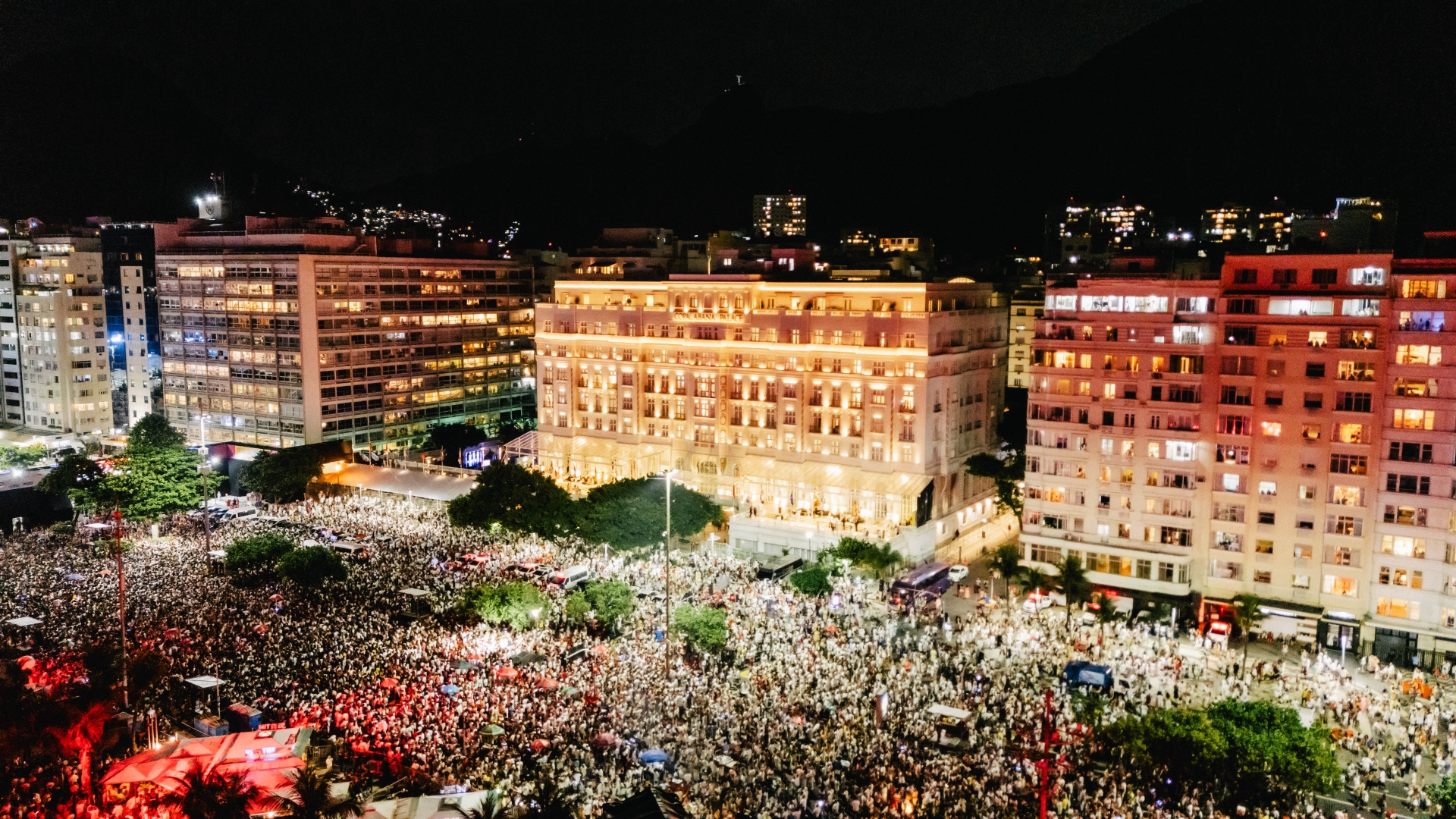
The hotel’s cultural impact has consistently extended beyond its property line. In 2006, the Rolling Stones stayed at the Copa before crossing a specially constructed walkway to perform on Copacabana Beach. Madonna made the same journey in 2024, emerging from the hotel to an audience of 1.6 million, effectively turning the Atlantic seafront into an enormous open-air concert venue.
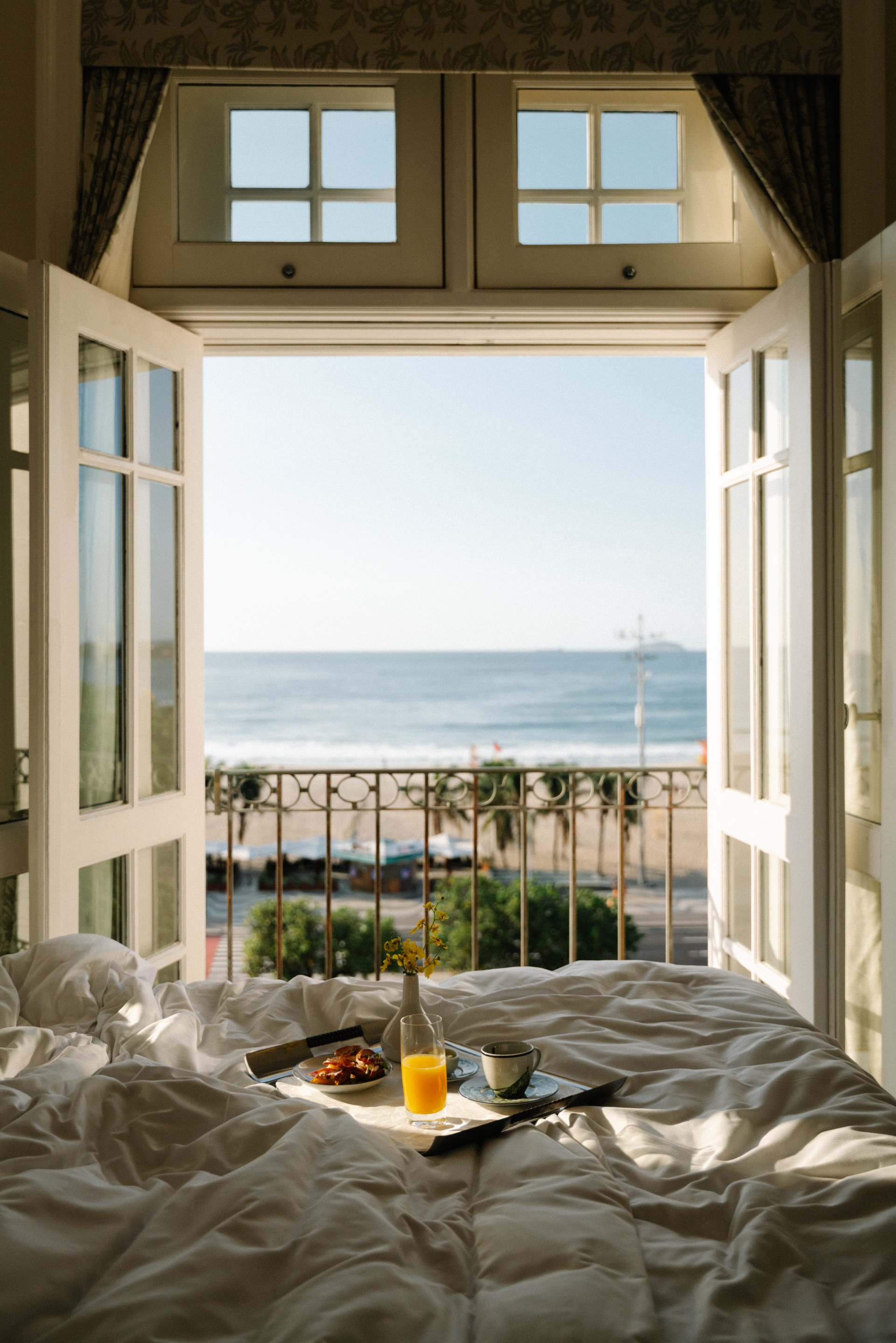
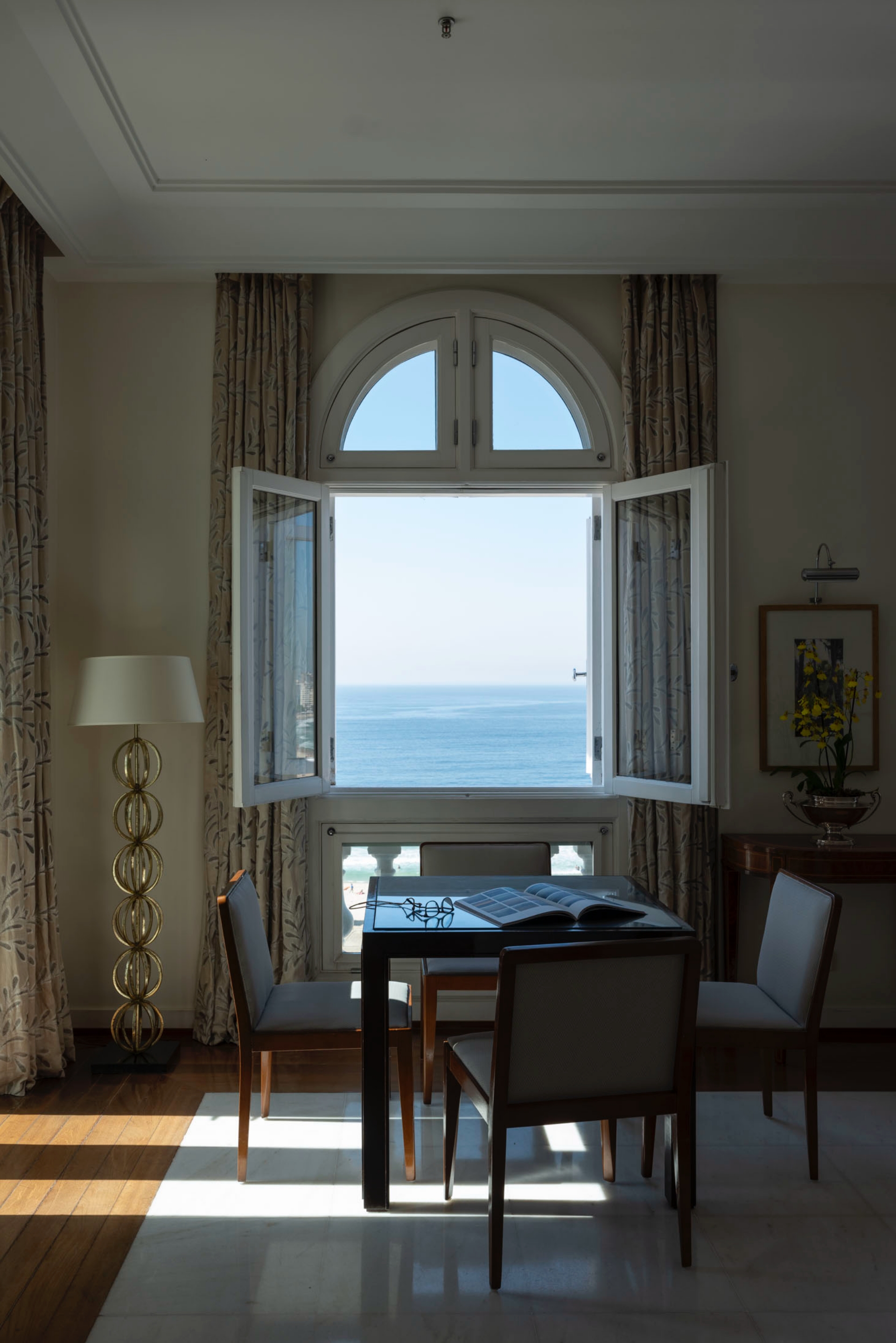
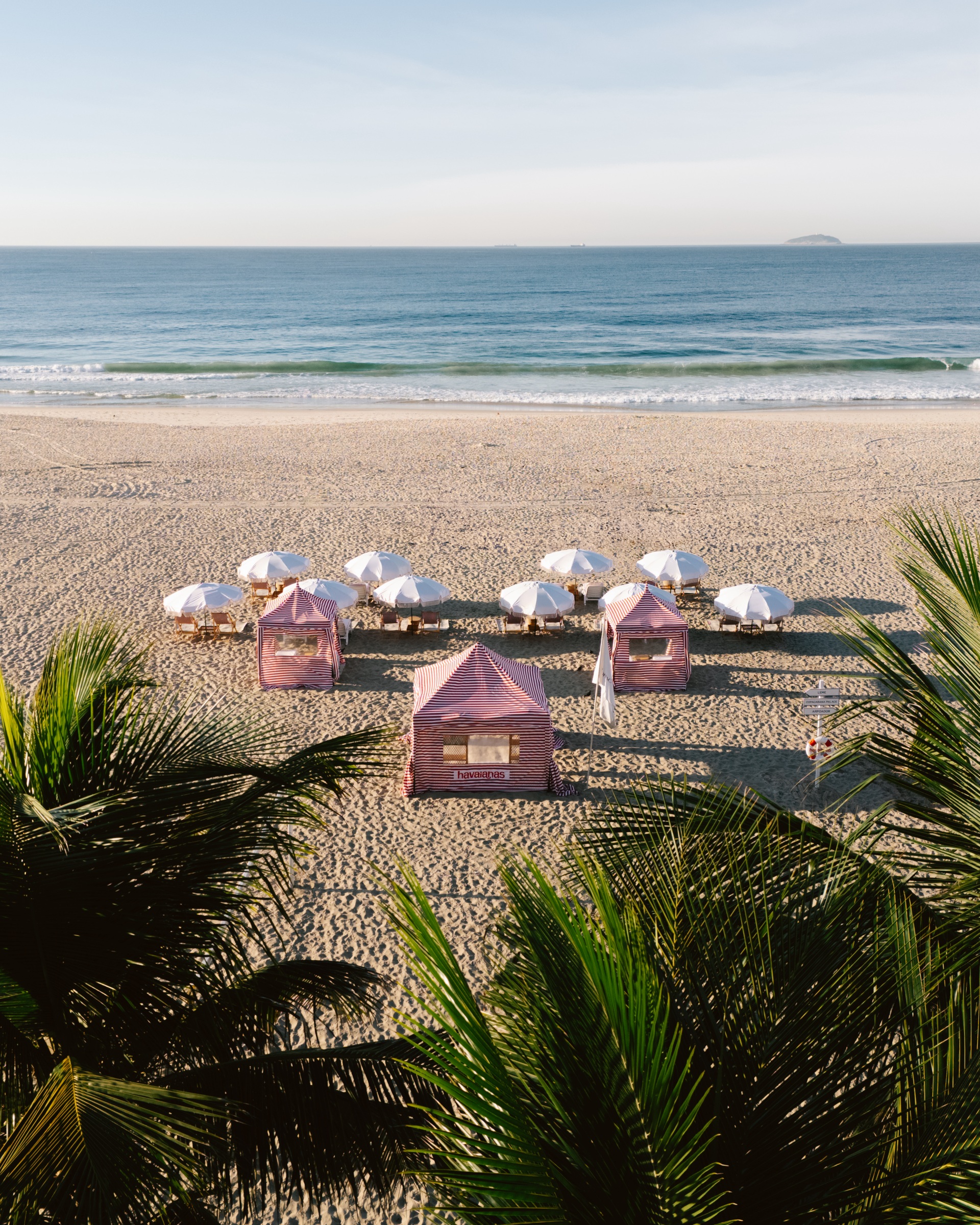
On an ordinary afternoon, the interplay between private luxury and public beach culture remains compelling. From the Copa’s Juliet balconies, the white beach tents and loungers sit directly below. Burle Marx’s promenade ripples along Avenida Atlântica as runners, cyclists, and beachgoers stream past. By night, the lights of Copacabana outline the great sweep of the bay.
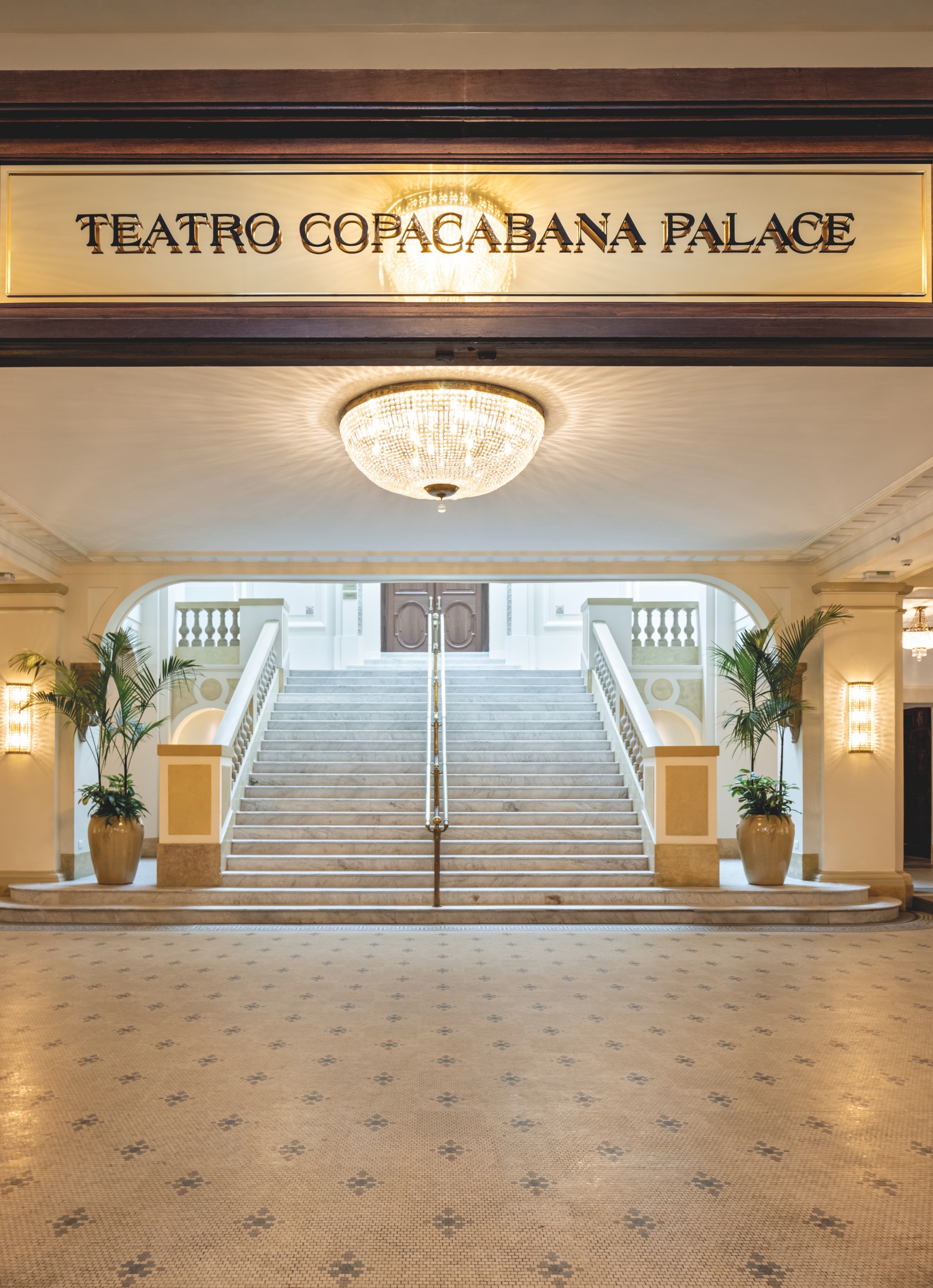
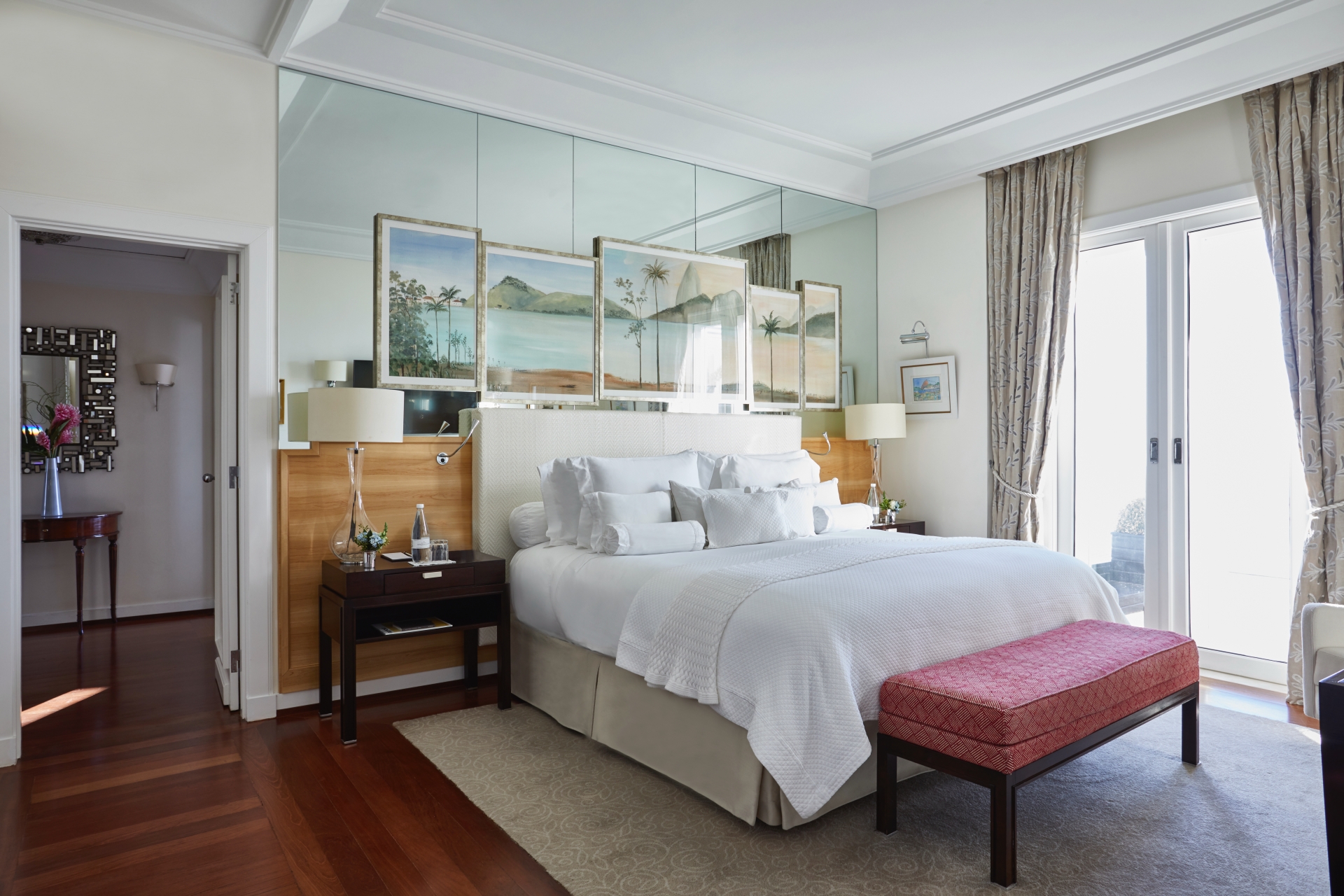
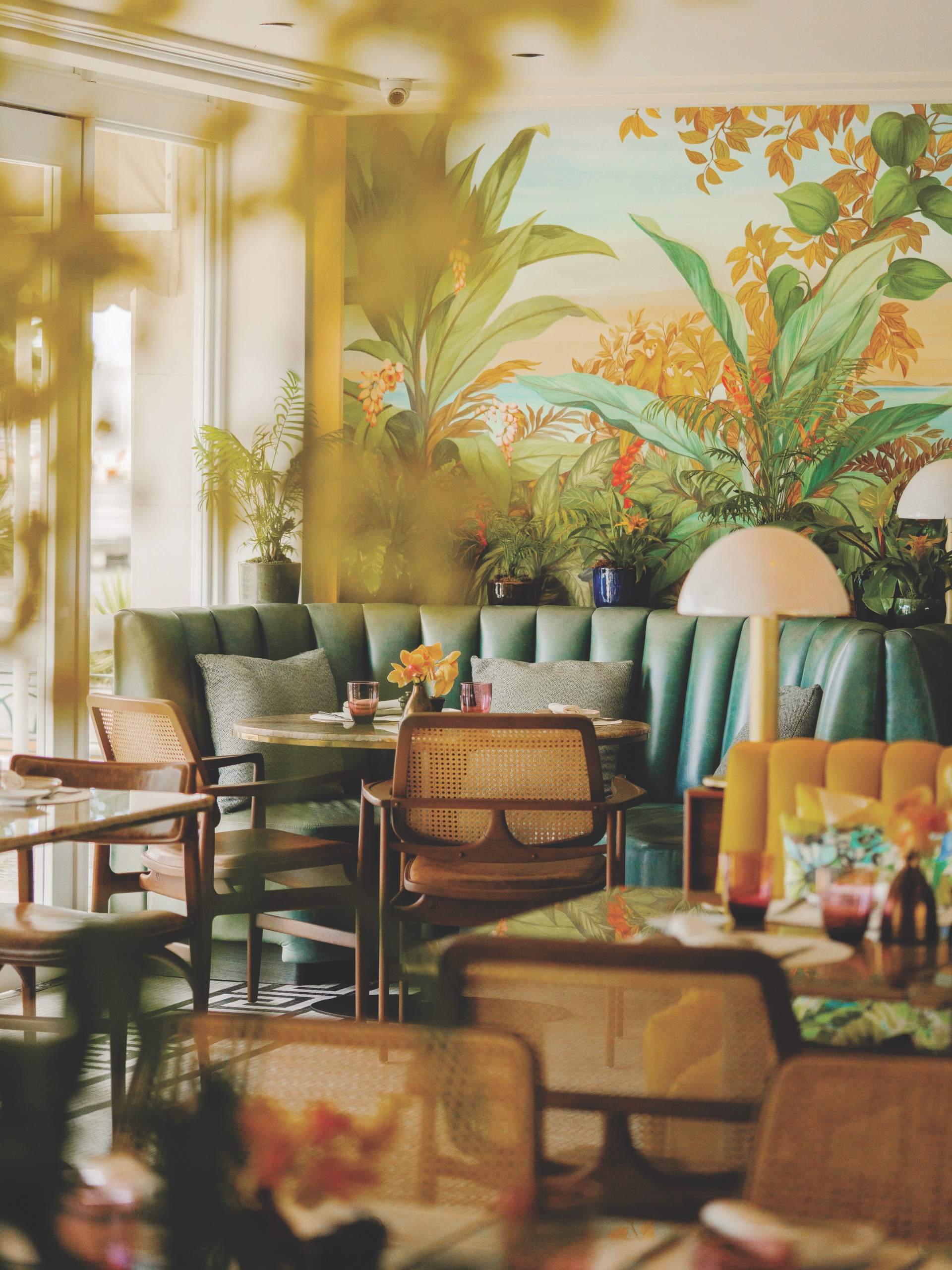
Inside, the atmosphere is refined yet relaxed. Beyond Rio’s urban energy, the light-filled lobby opens into a world of understated luxury. Service is intuitive and quietly assured. General Manager Ulisses Marreiros, an avid runner, frequently invites guests to join him along the coastline toward Leblon—a gesture reflecting the hotel's grounded hospitality style. Spacious guest rooms, cloud-soft beds, proper wardrobe fittings, and thoughtful turndown service underscore a design philosophy centered on functional elegance and genuine comfort.
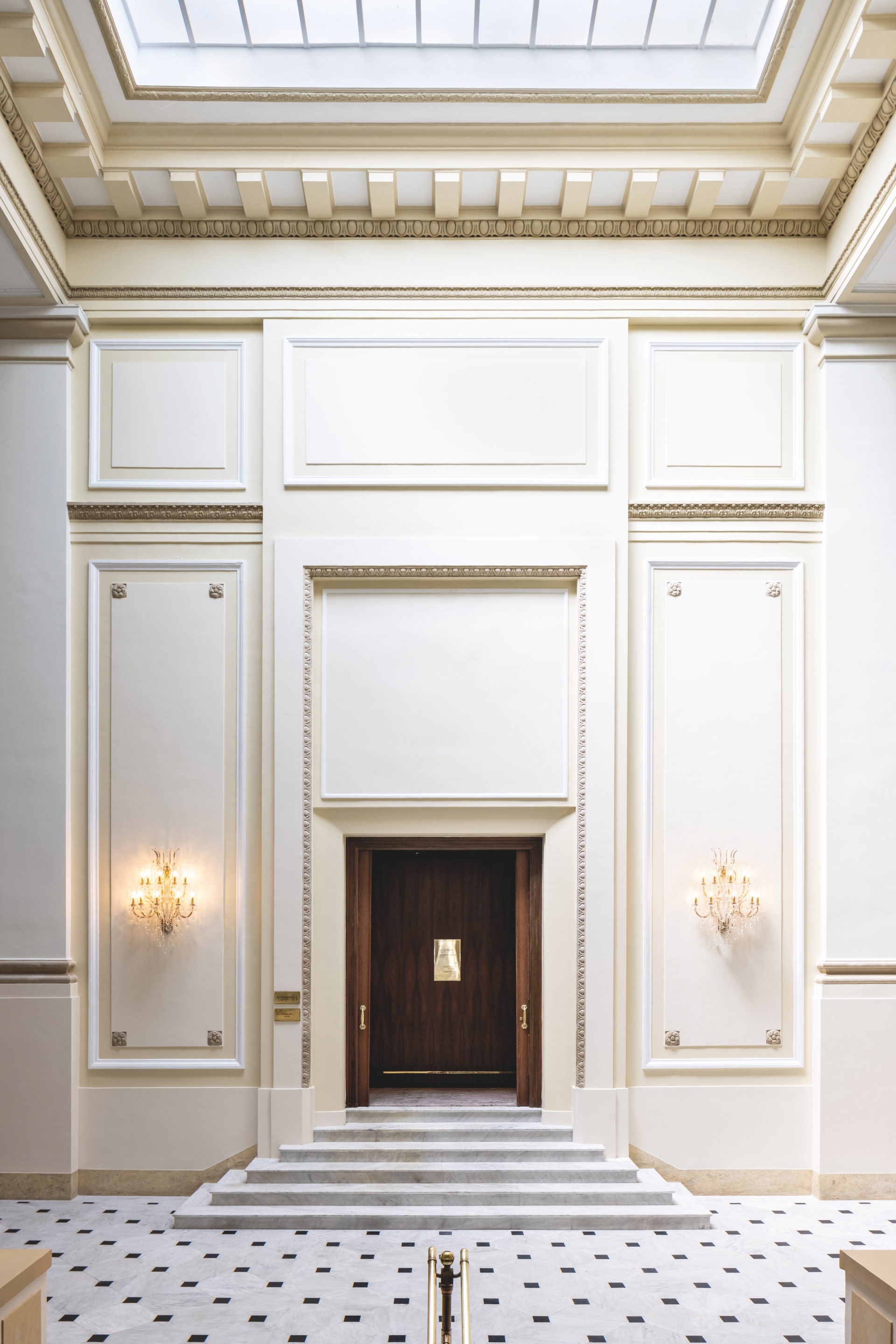
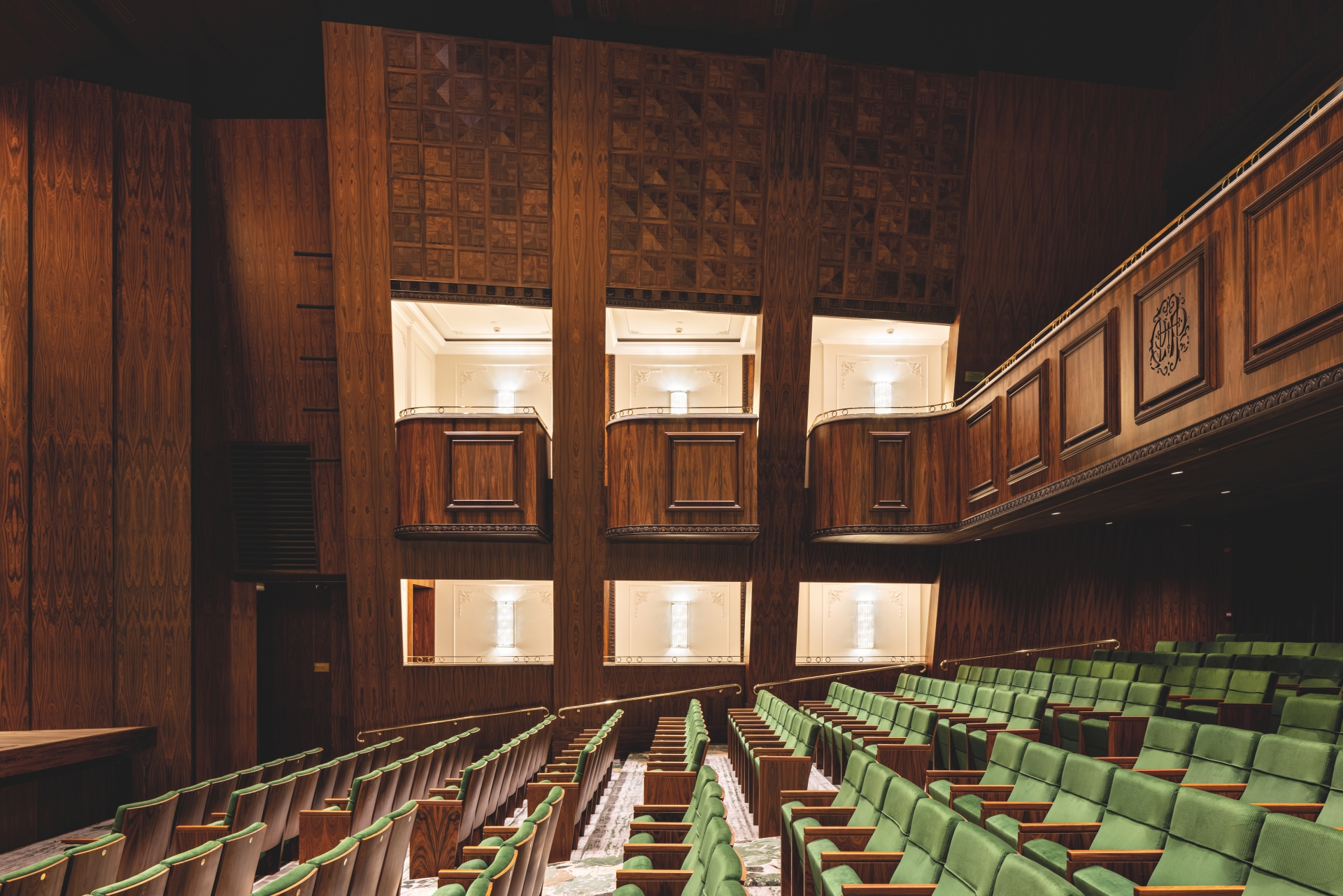
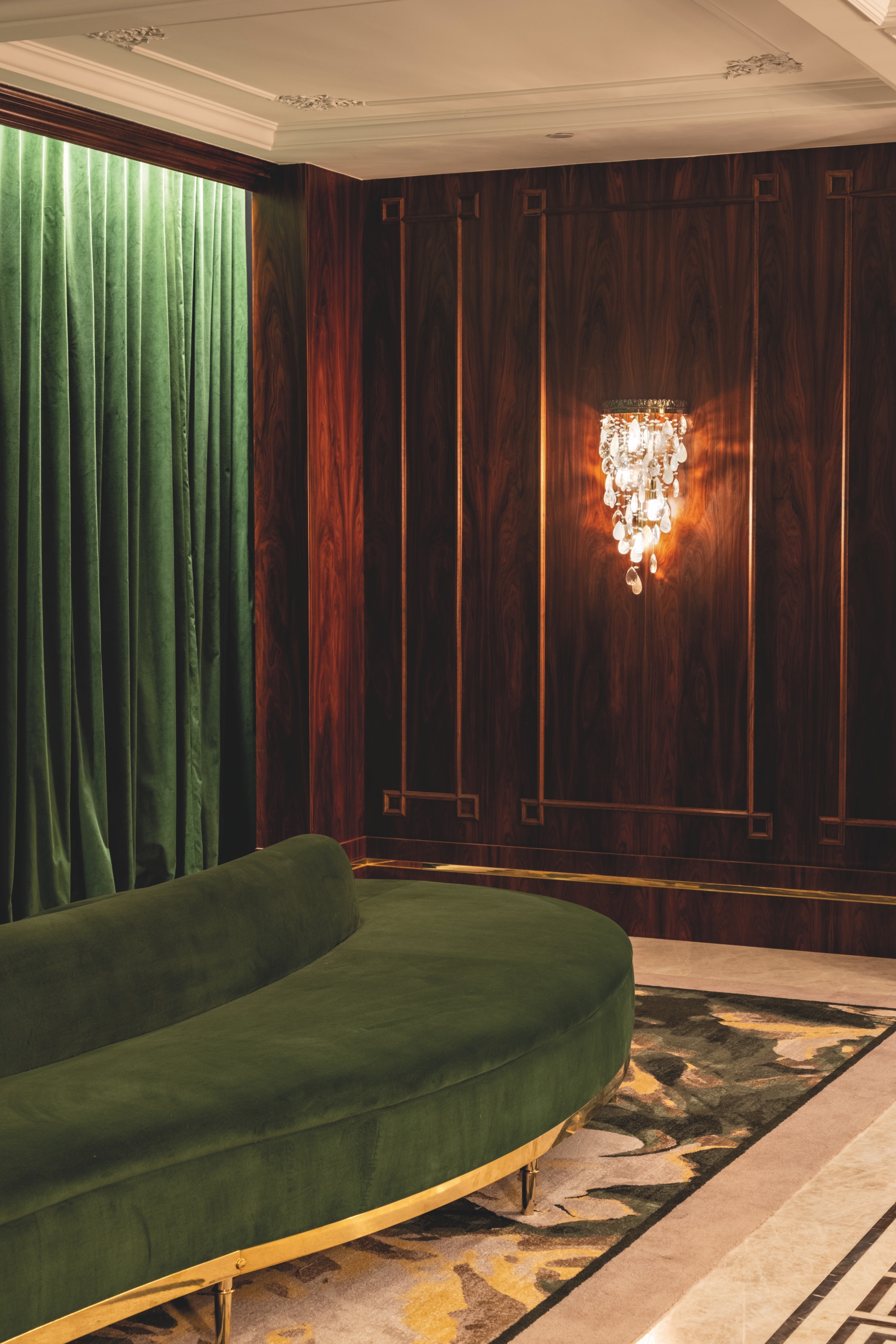
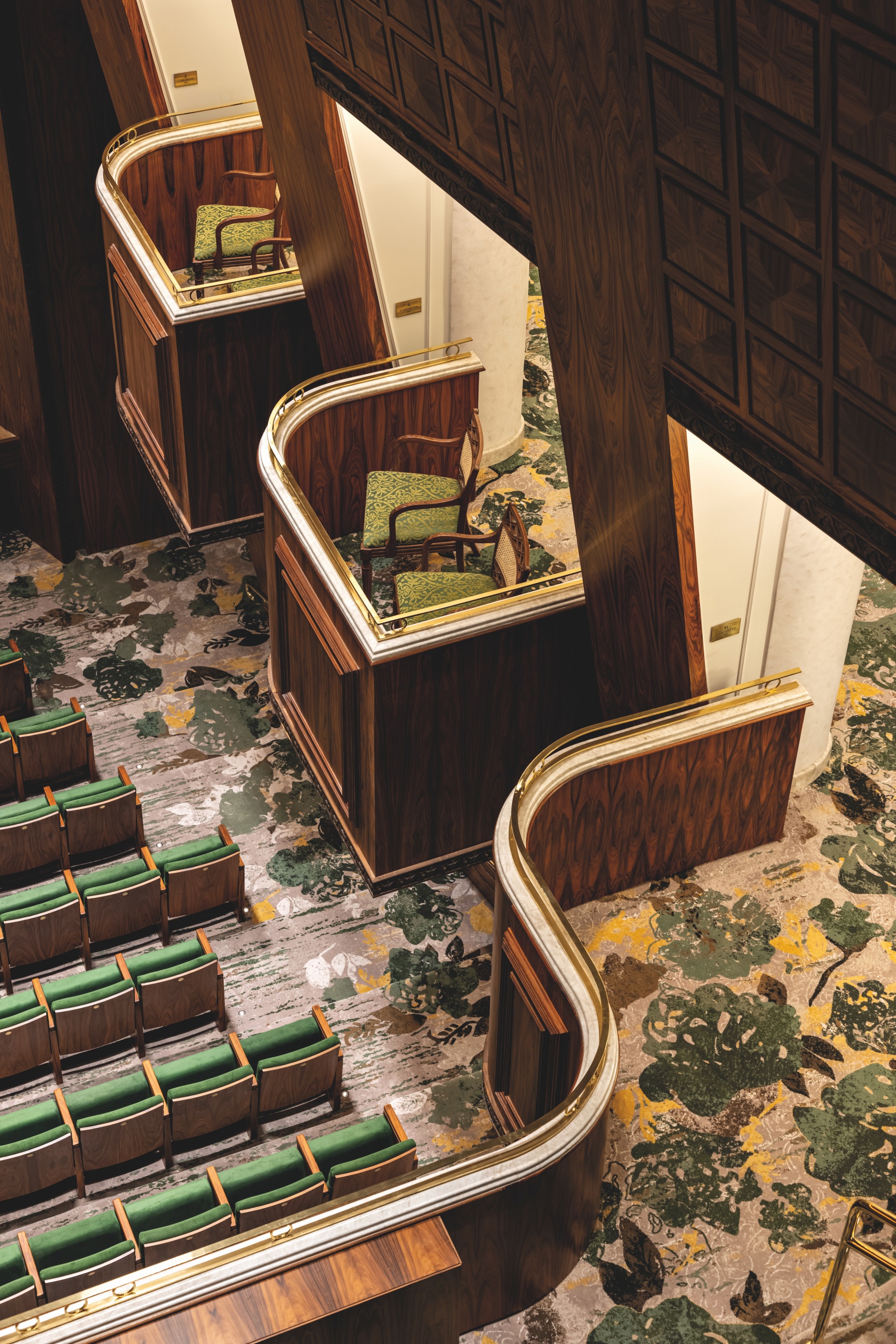
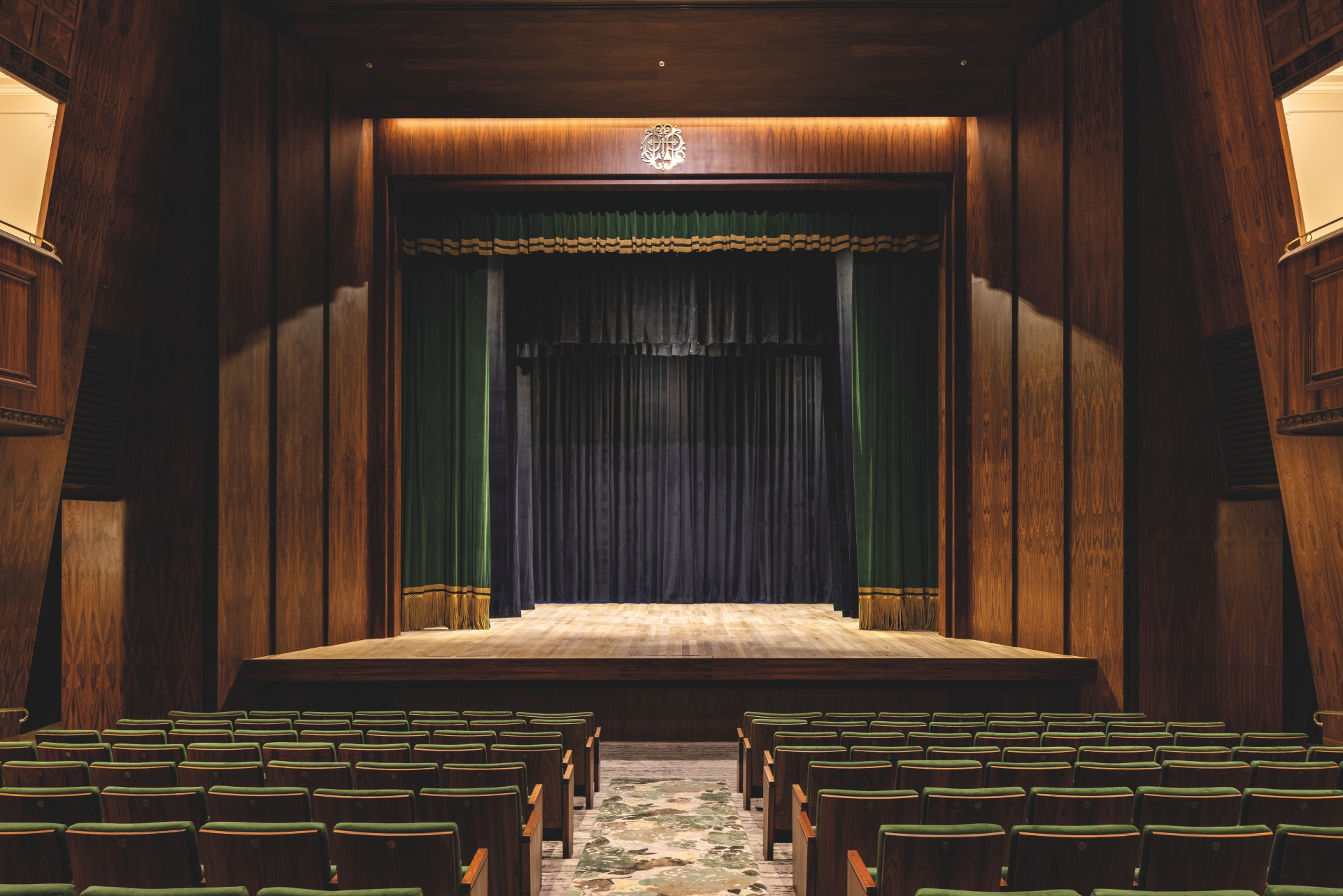
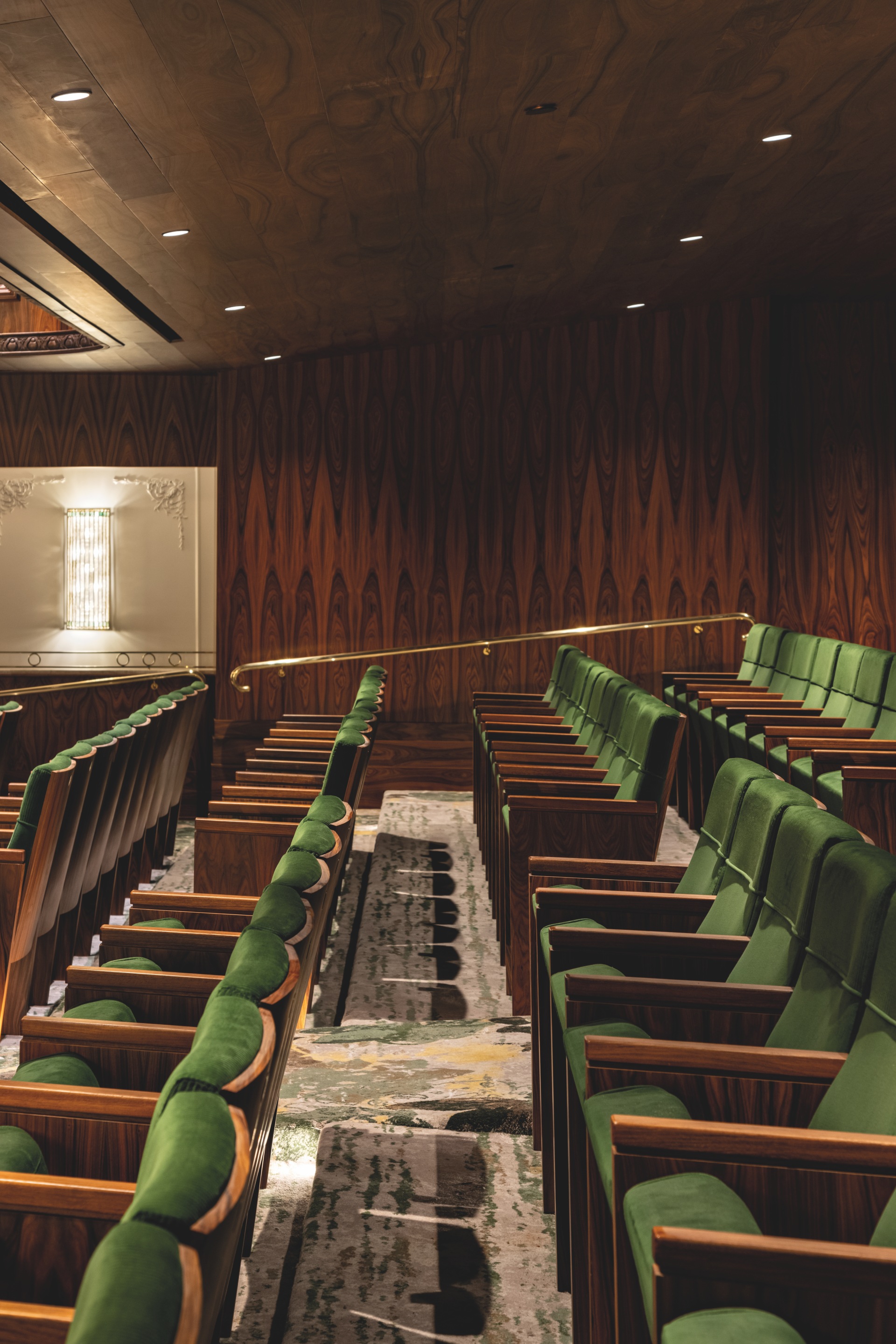
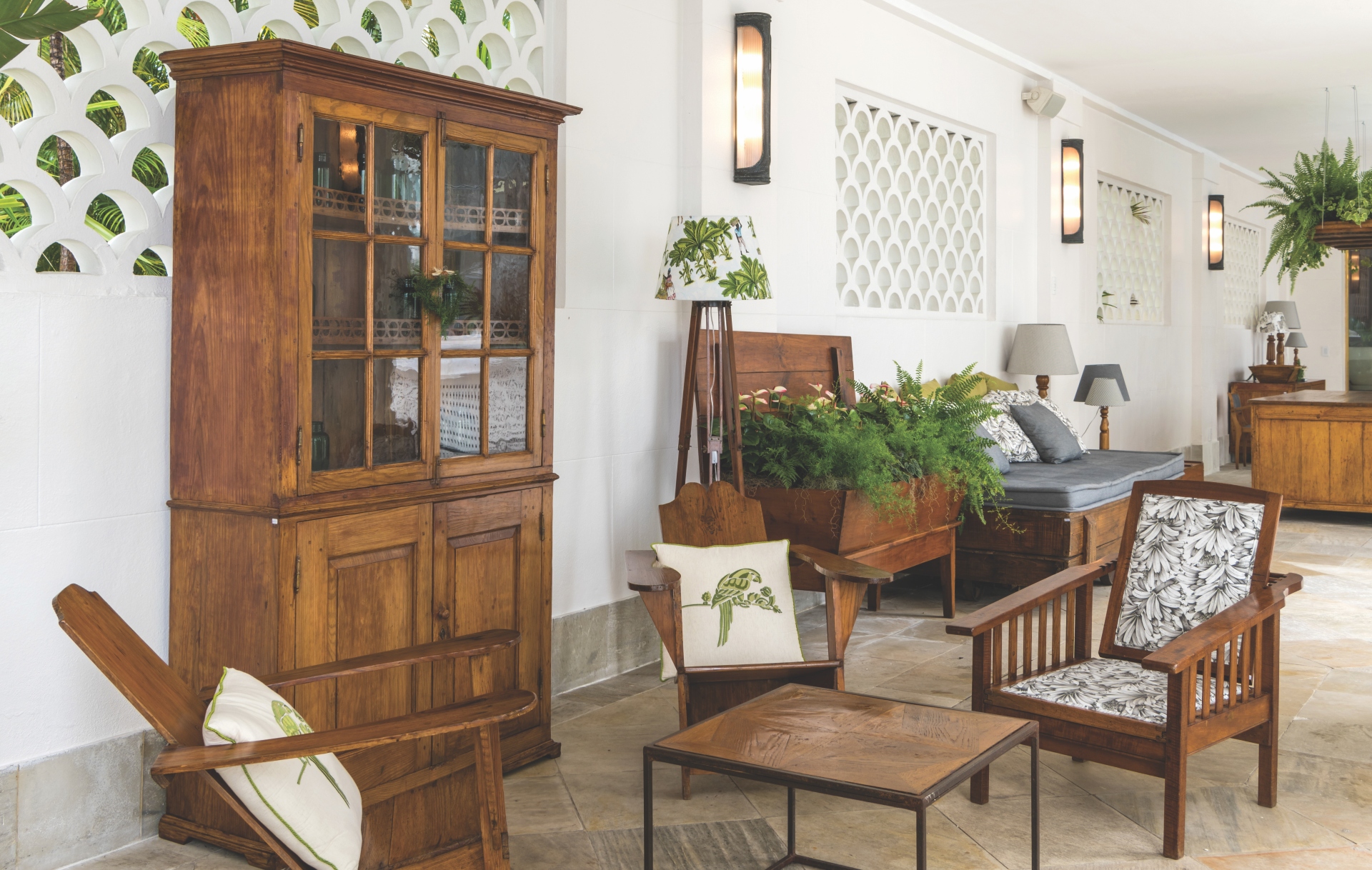
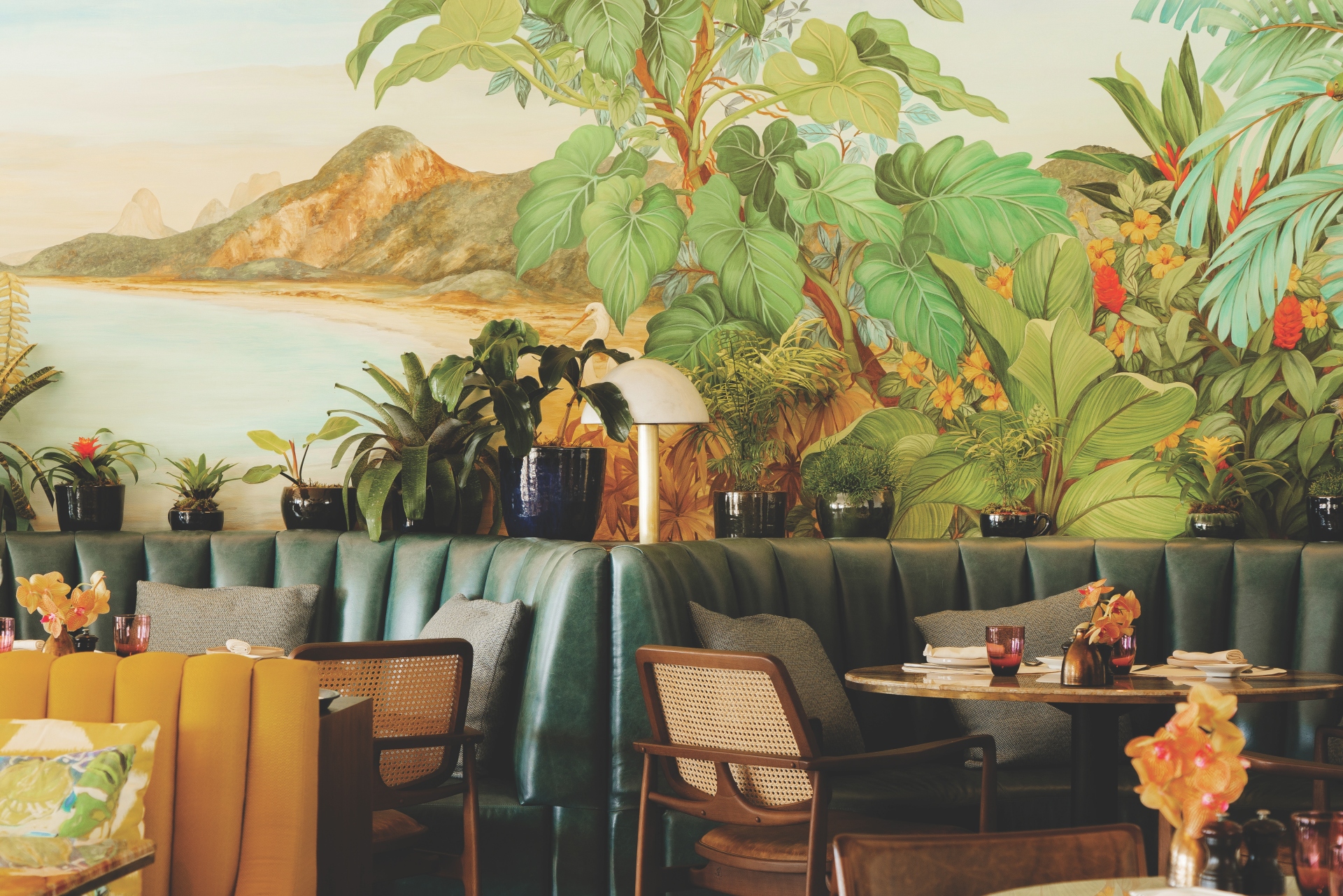
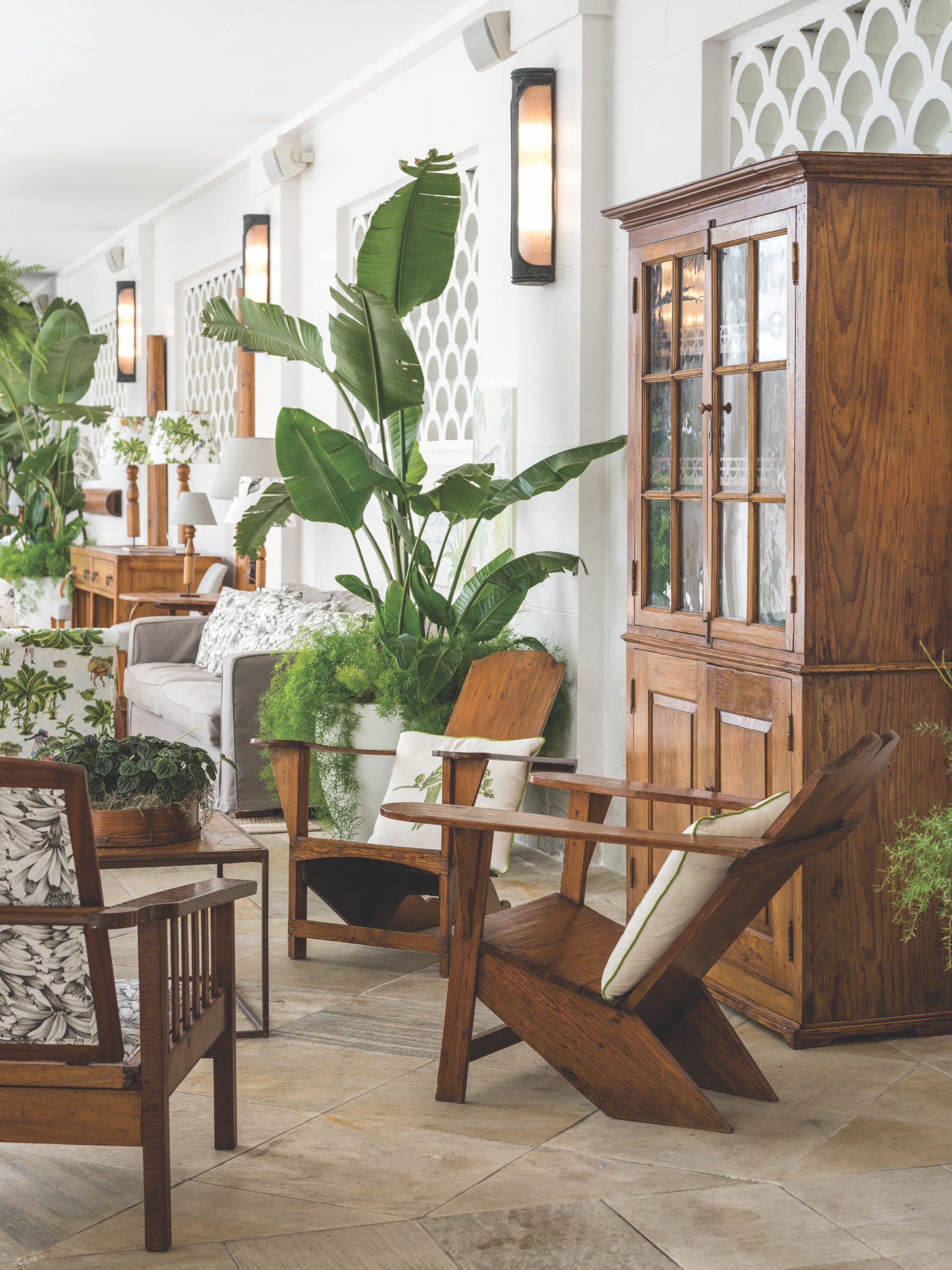
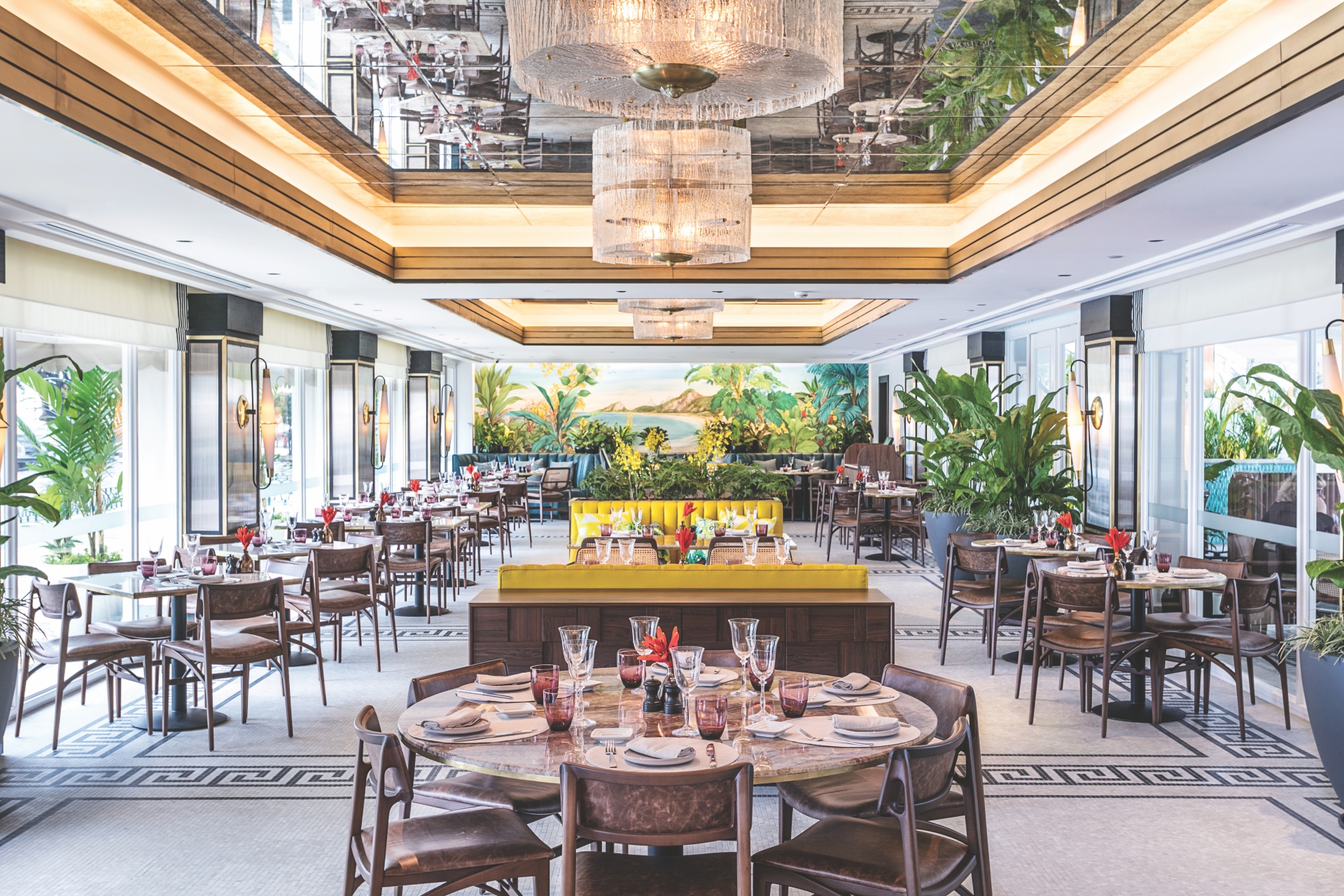
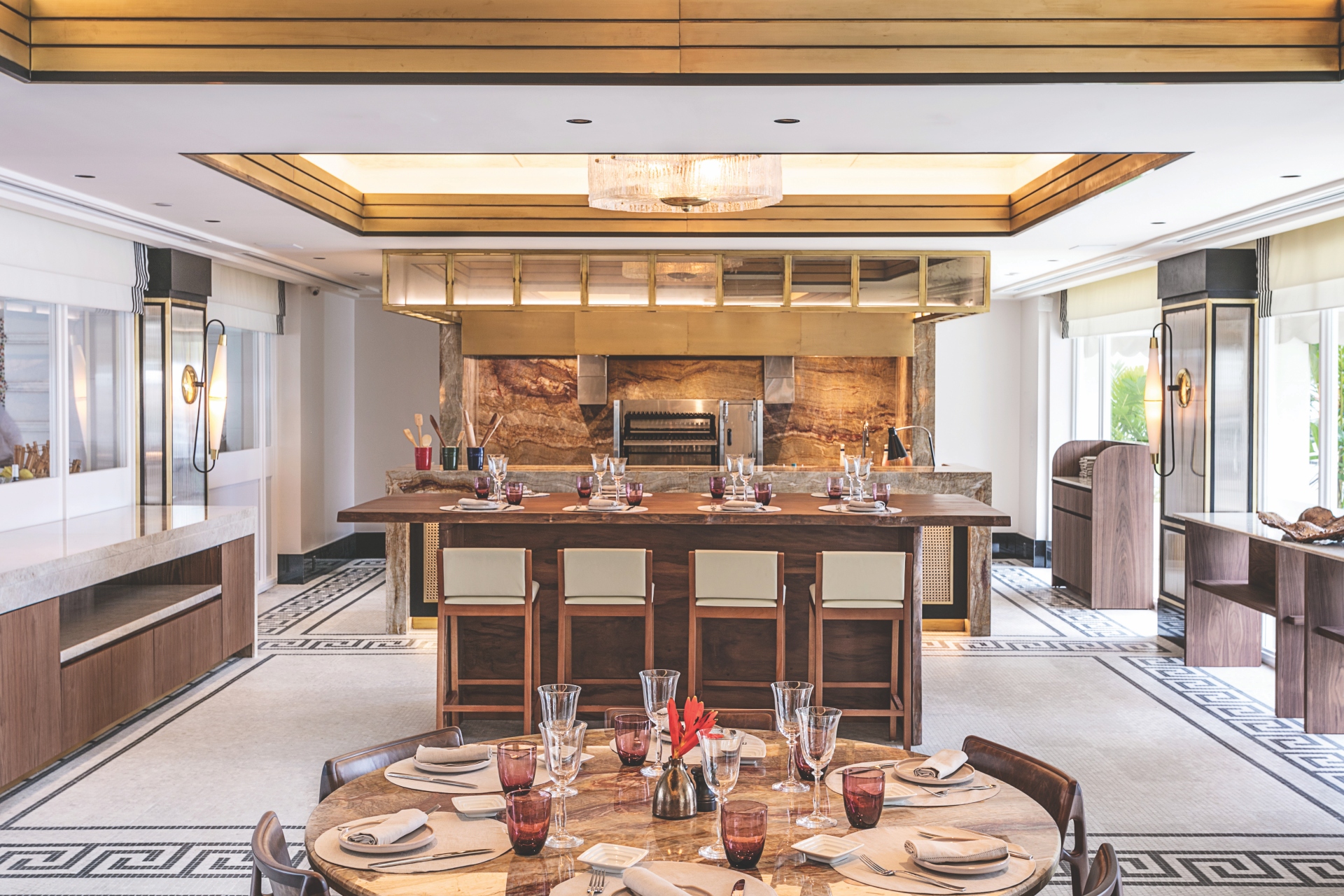
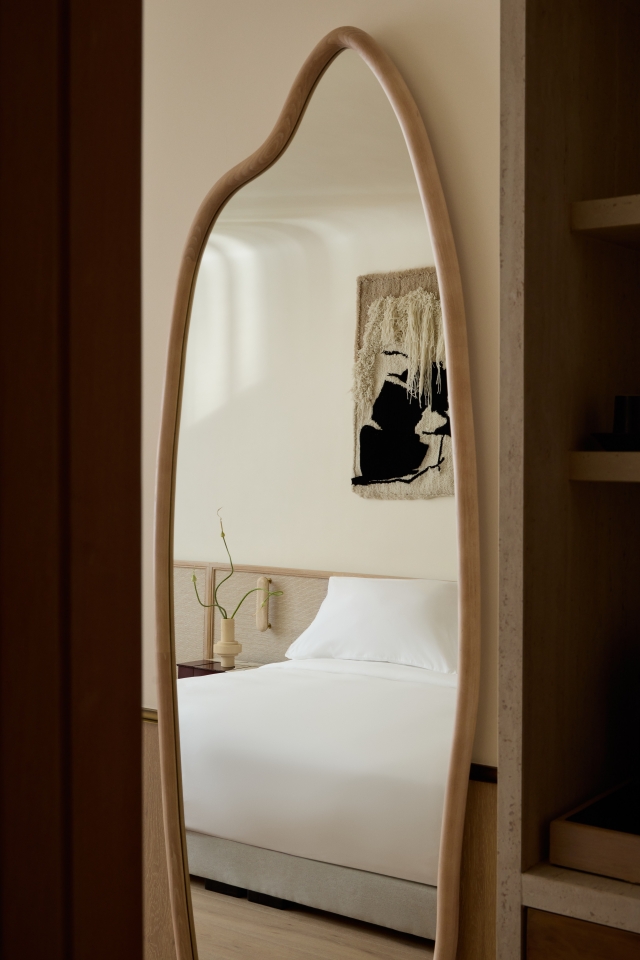
Now, the Copa is entering its next chapter. Following a comprehensive 19-month renovation, the 1948 Pool Wing has been reinvented by Brazilian architect Ivan Rezende, who previously restored the hotel’s historic theatre. Where Gire looked to Europe, Rezende has turned to native Brazilian materials and craft traditions. Honey and tobacco-toned native woods, locally quarried stone, and intricate marquetry by Amazonian artist Maqueson Pereira da Silva sit alongside modernist furniture by Sergio Rodrigues. Even the custom rugs tell a geographical story, with patterns derived from satellite imagery of the Juruá River and the Amazonian canopy.
Reopening in November 2026, the renewed wing features 68 redesigned suites with private balconies, a re-sculpted pool featuring ocean-inspired curves, and the returning Bar do Copa. A five-storey Wellness Club incorporating Latin America’s first Dior Spa adds a modern lifestyle focus to the property.
This latest evolution marks a thoughtful shift. Copacabana Palace was conceived as a European import overlooking a South American beach, but Rio has progressively claimed it over the past century. Through Carnival, music, cinema, and design, local culture has thoroughly woven itself into the hotel’s identity.
The landmark white façade remains unchanged against the Atlantic backdrop, but inside, its narrative continues to evolve - proving that an iconic hotel stays relevant not by standing still, but by thoughtfully absorbing the design, spirit, and cadence of the city around it.
Hotel: Copacabana Palace, A Belmond Hotel
Address: Avenida Atlântica 1702, Copacabana, Rio de Janeiro, Brazil