PODCAST
WHAT MAKES A GOOD CONVERSATION? LOOK NO FURTHER THAN OUR ART OF THE CONVERSATION, FEATURING UNCONVENTIONAL STORIES AND PEOPLE WHO MOVE AND INSPIRE
LISTEN NOW


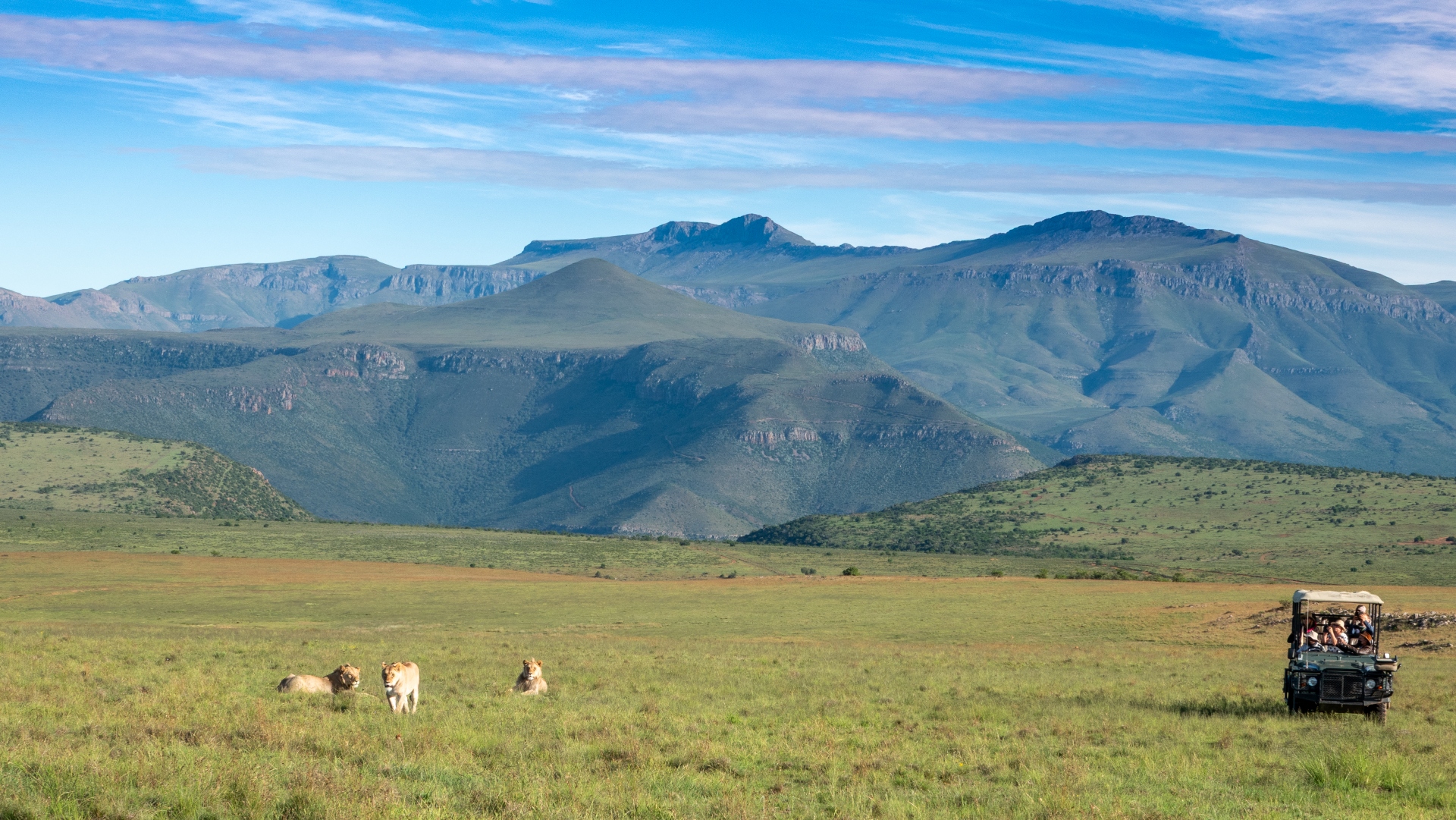
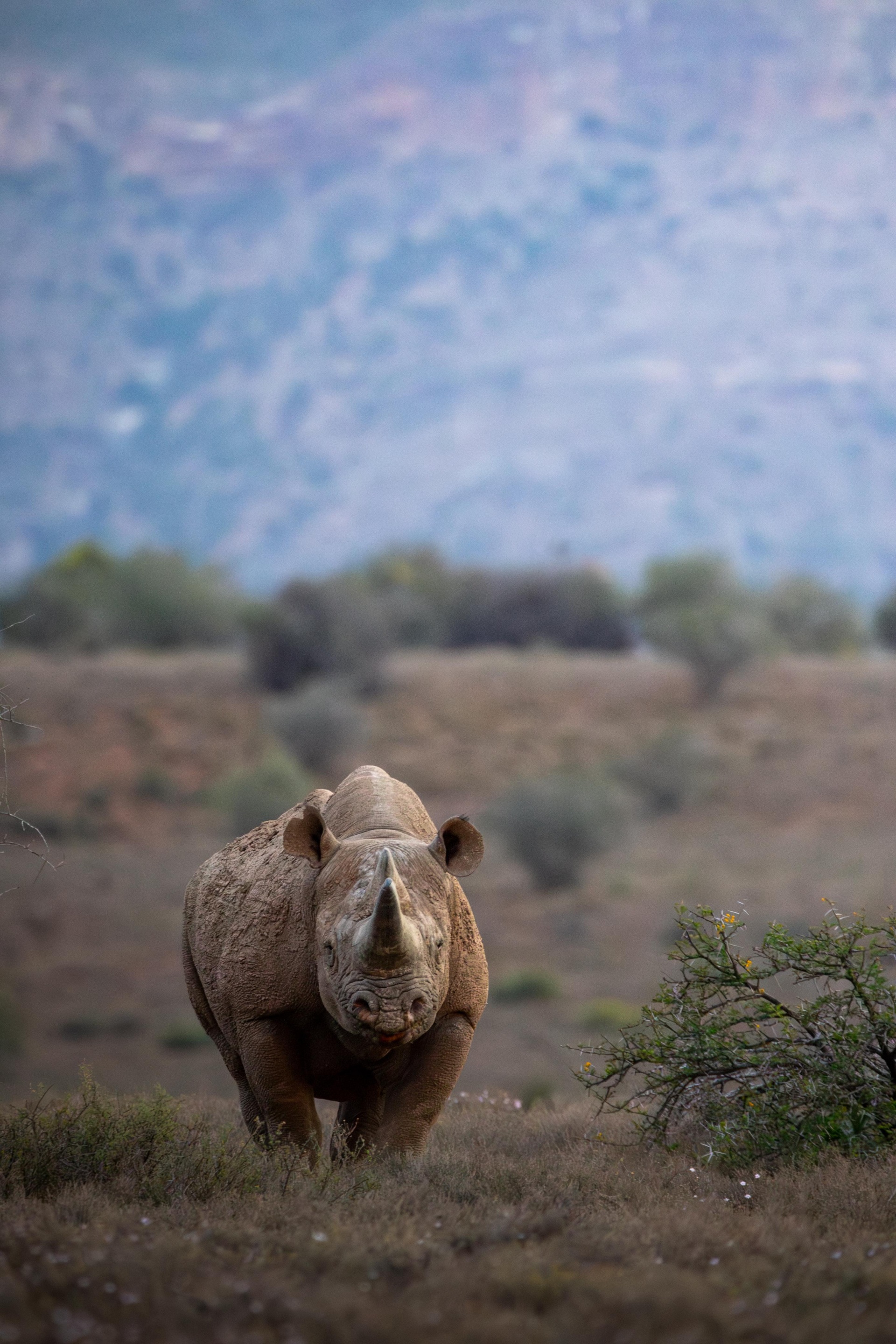
Today, Samara Karoo Reserve stands as a benchmark in South African conservation, where lion, elephant, rhino, and cheetah once again traverse a landscape that had largely surrendered its natural heritage to centuries of agricultural domestication. Yet, to categorize Samara solely as a conservation project feels reductive. It is, in essence, a project that advocates strong design.
The Architecture of Patience
Unlike traditional architecture, where the metrics of success are measured in months or years, landscape restoration unfolds over decades. It requires a willingness to look beyond the immediate to trust in the slow, cyclical processes of ecology. As Sarah Tompkins notes, the restoration here is not an aggressive intervention but an act of removal, stripping away the pressure of overgrazing and allowing time to do its work.
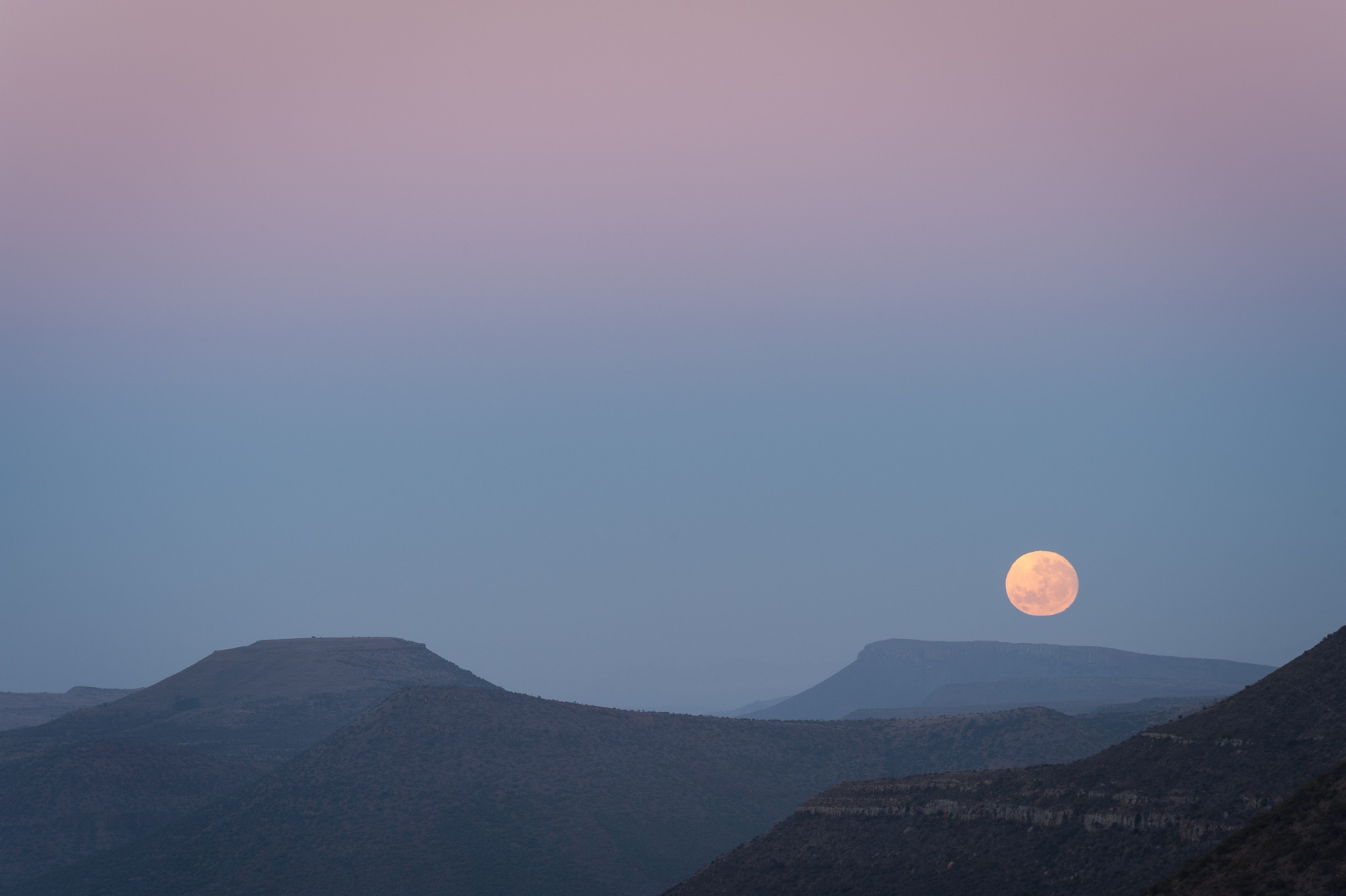
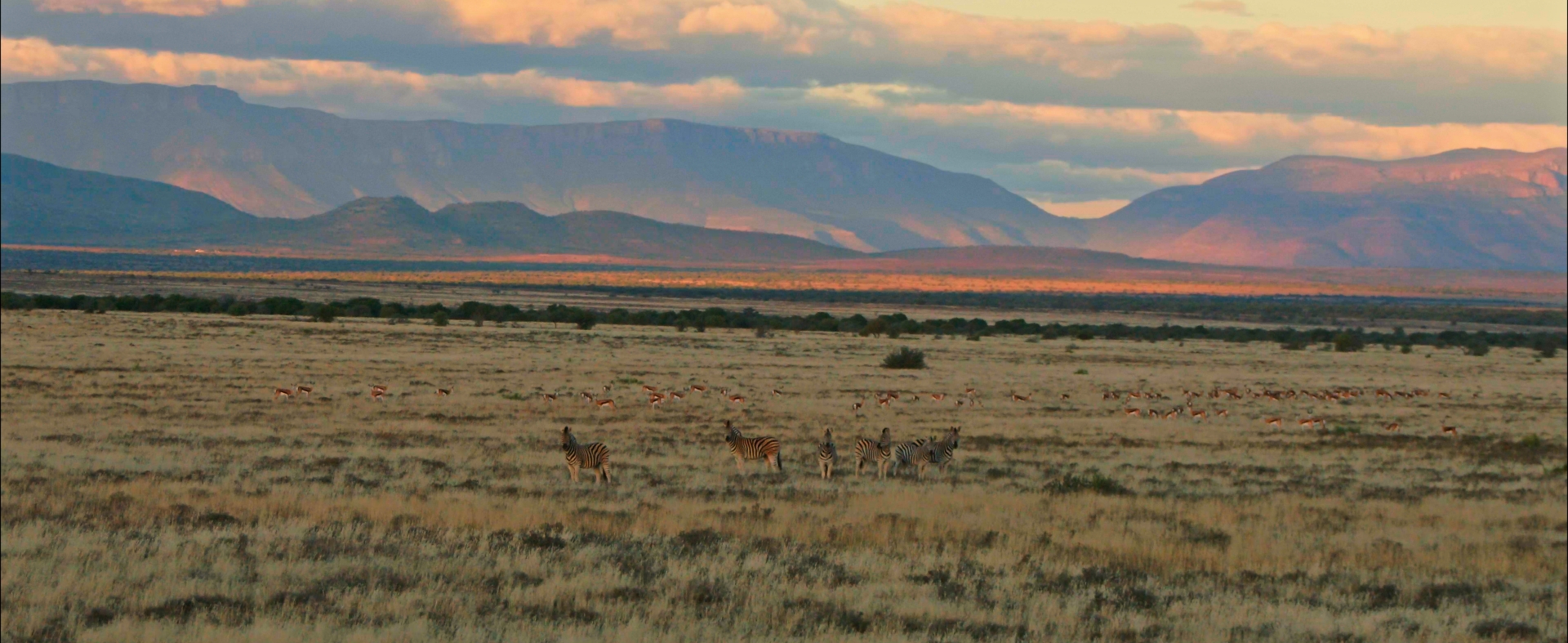
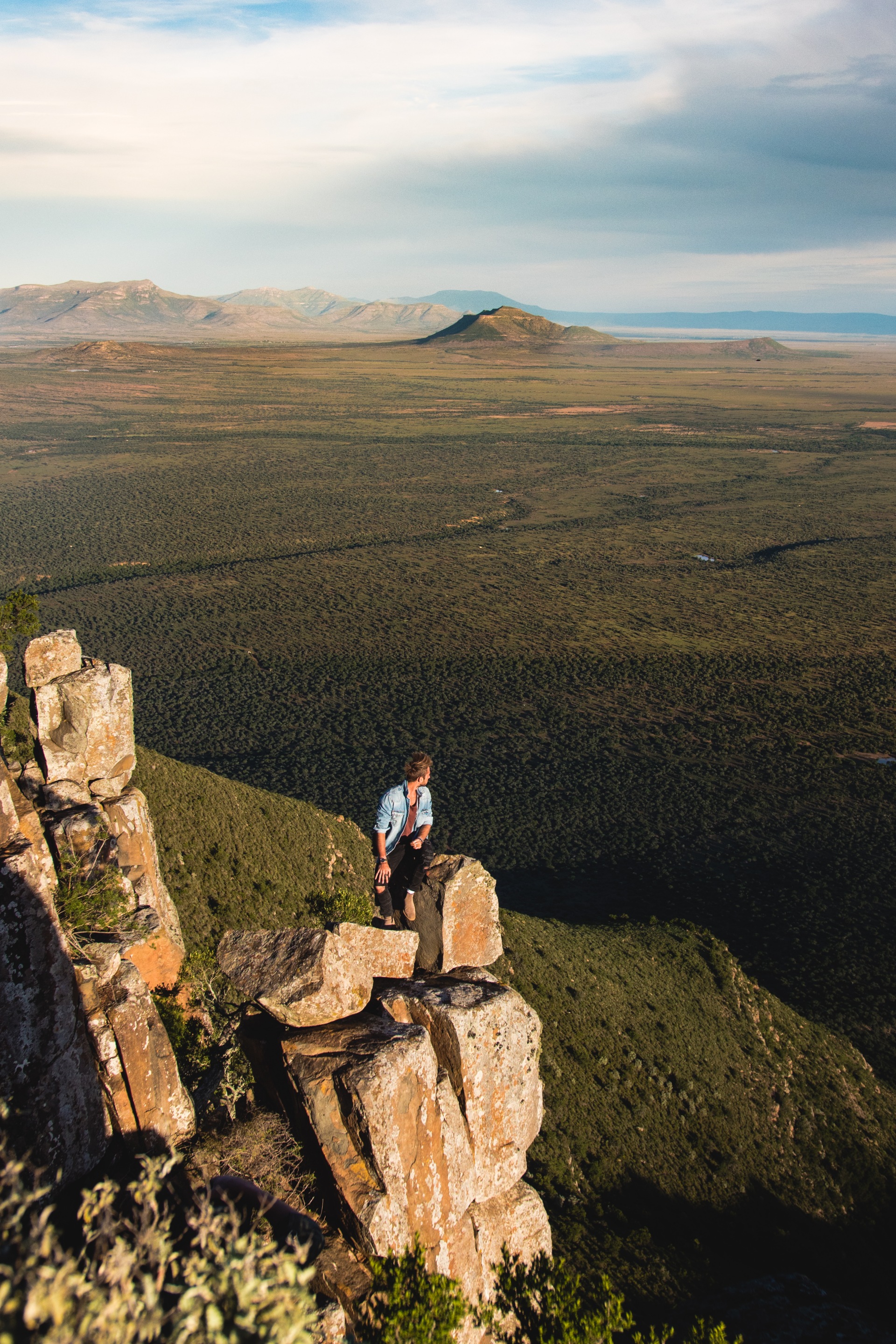
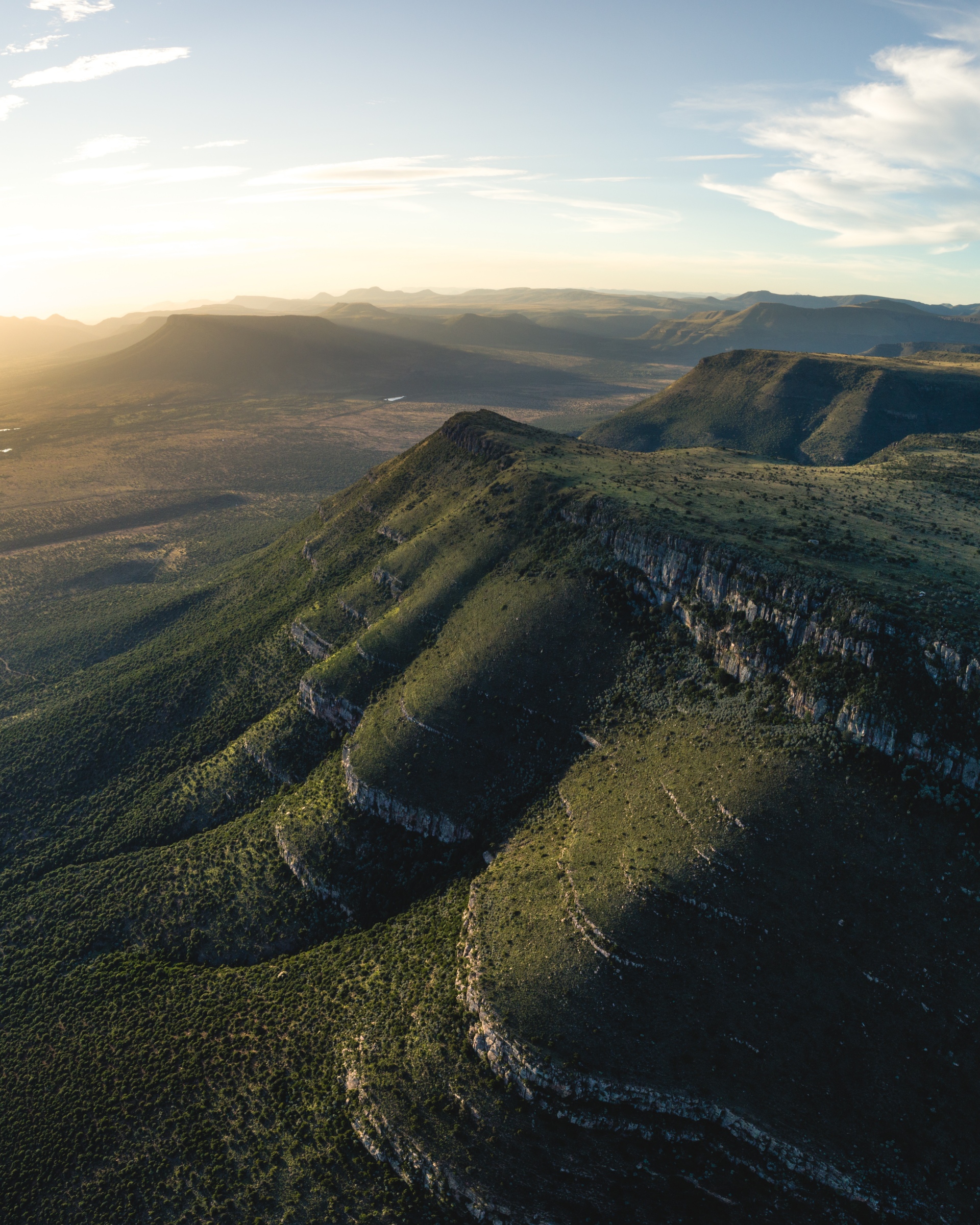
This philosophy of restraint permeates the visitor experience. The Karoo is a landscape that demands a recalibration of the senses. At first glance, it appears sparse - vast plains, distant mountains, and an immense, humbling sky. But to those who linger, the landscape reveals itself to be layered, intricate, and alive.
Framing the Wild
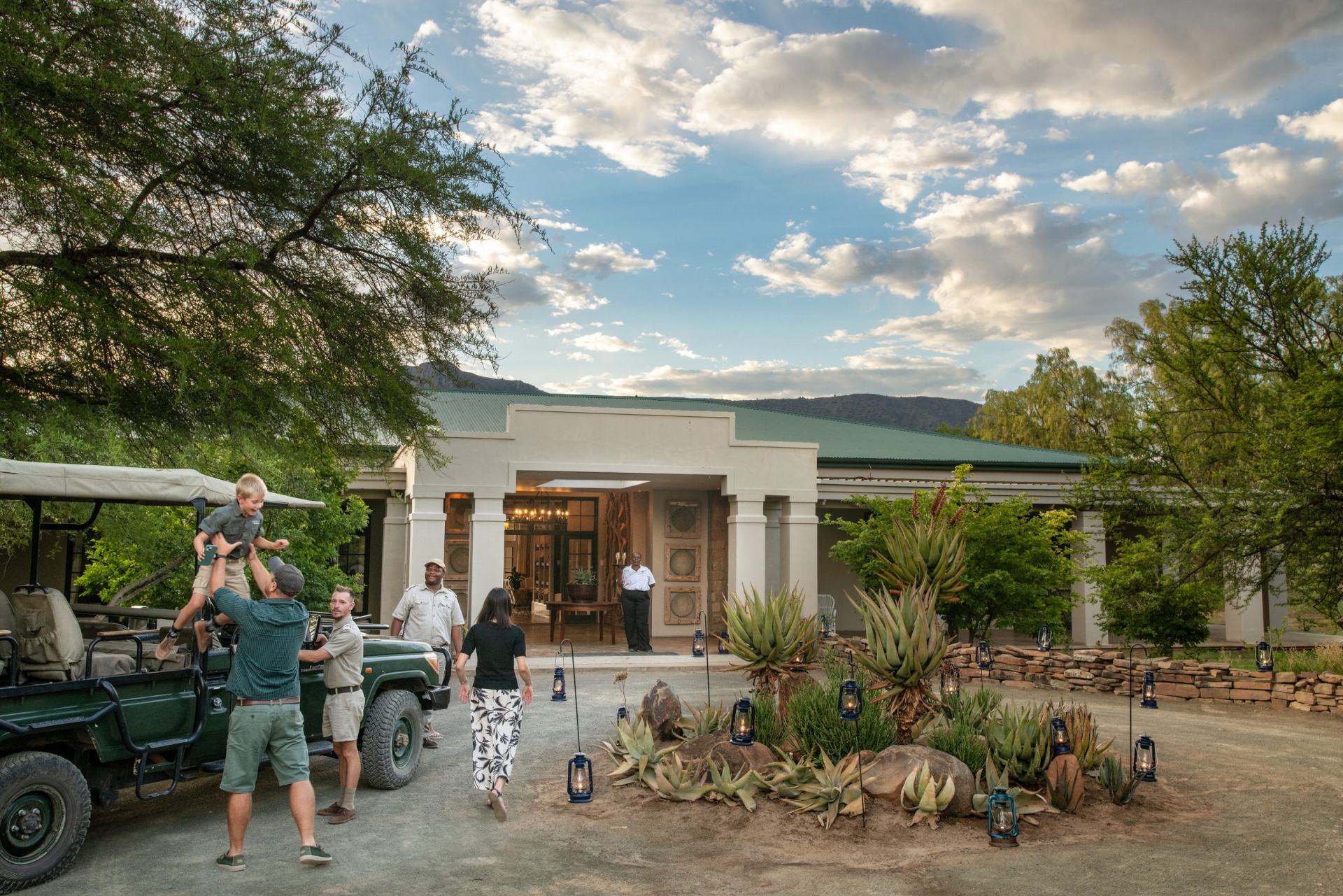
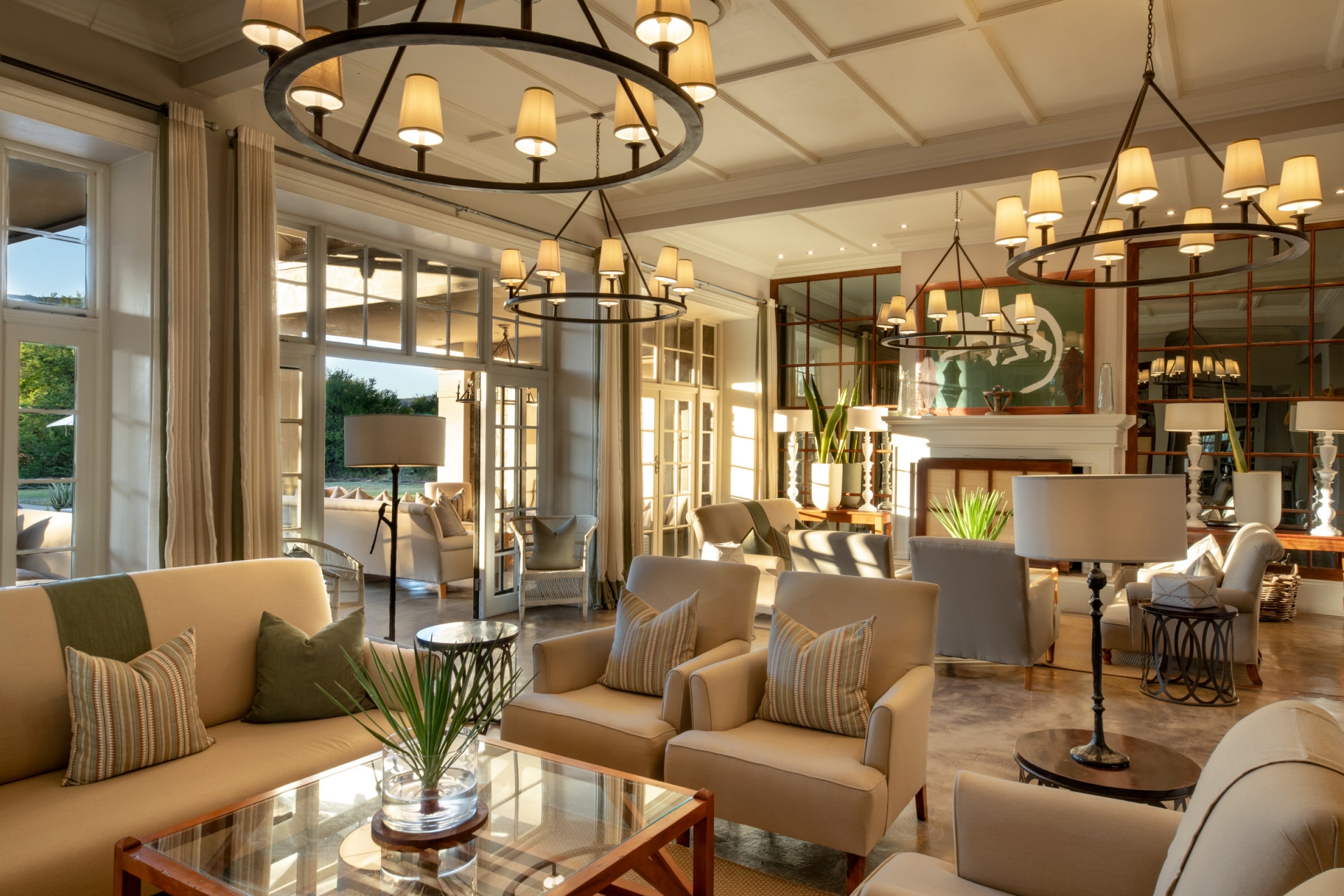
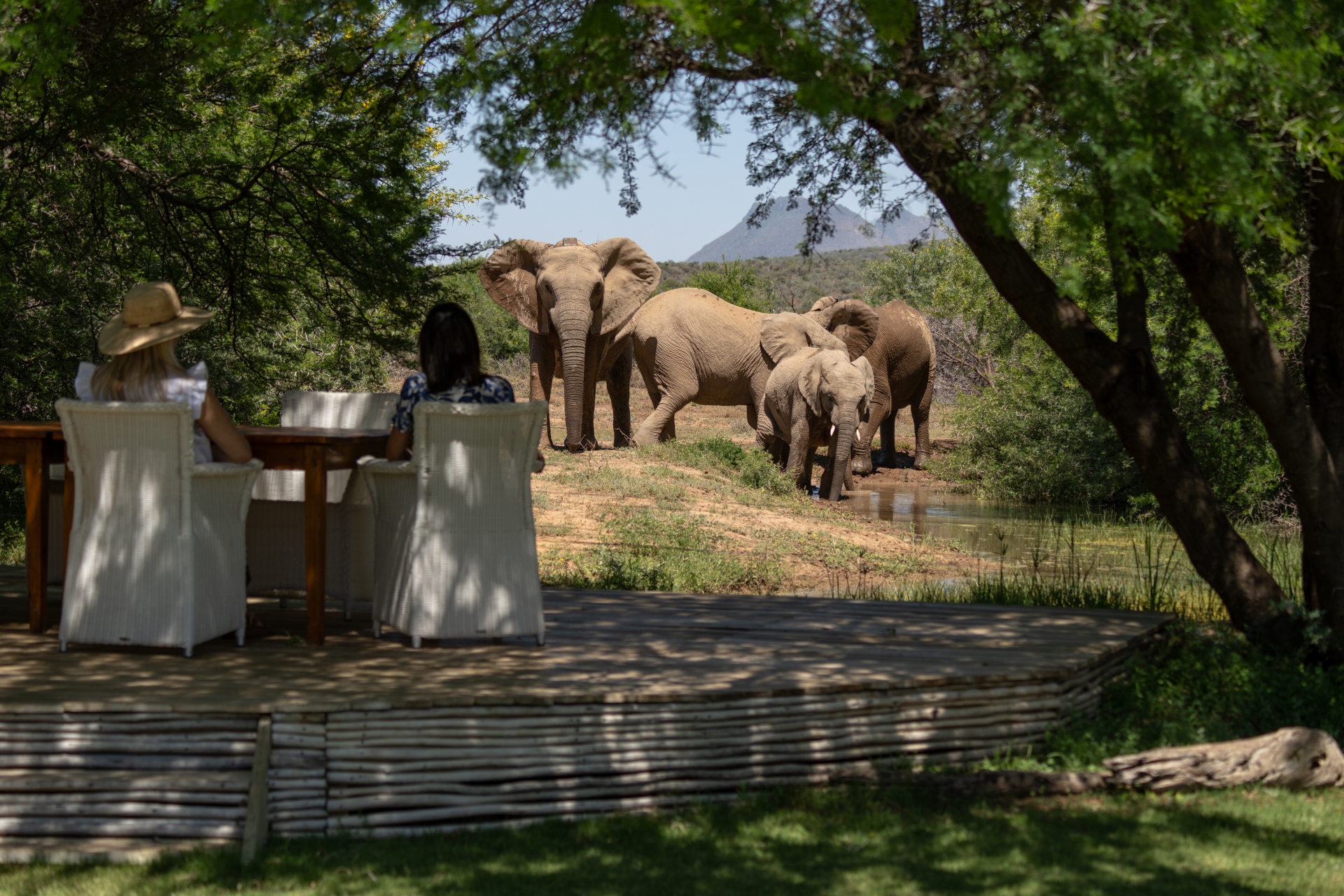
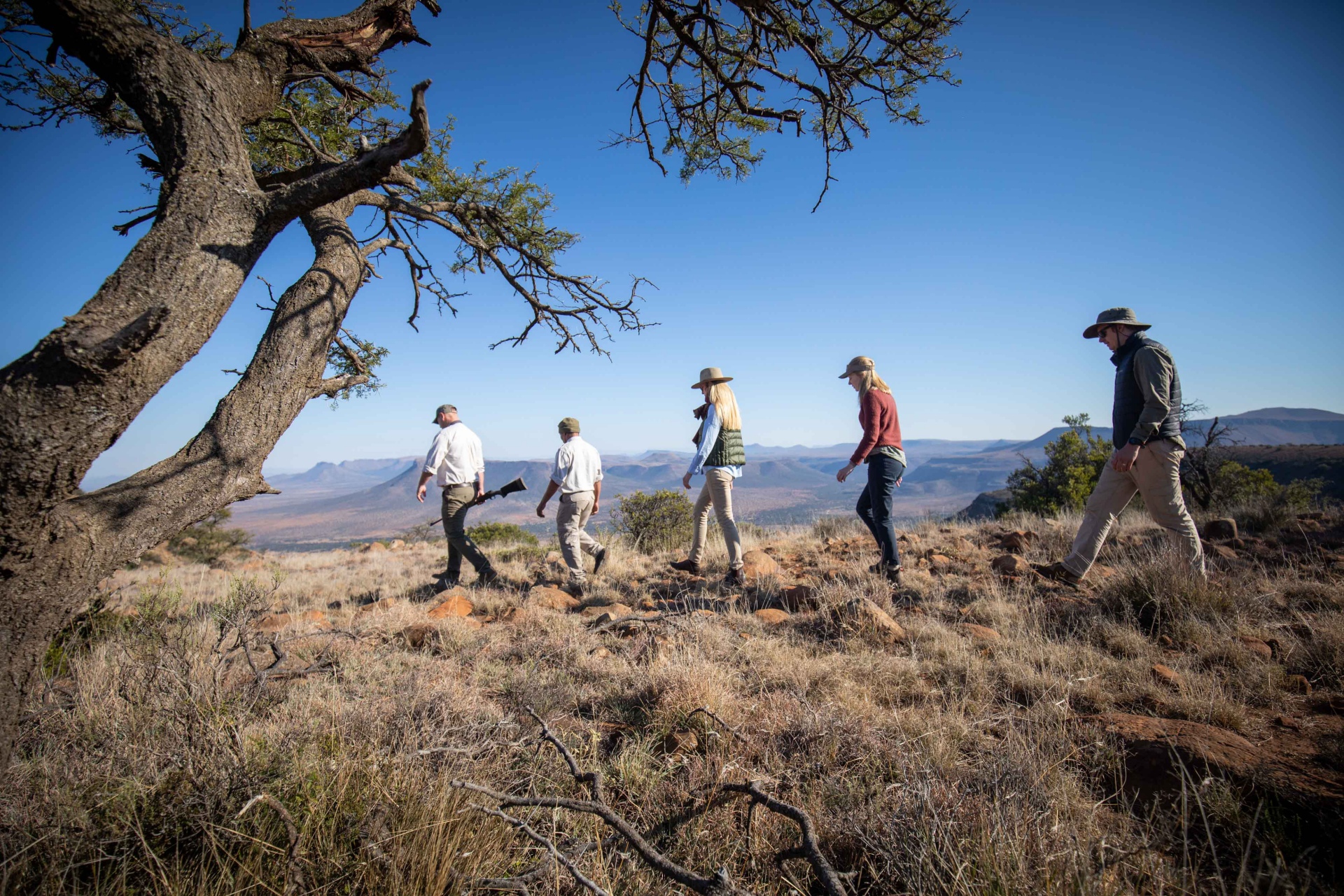
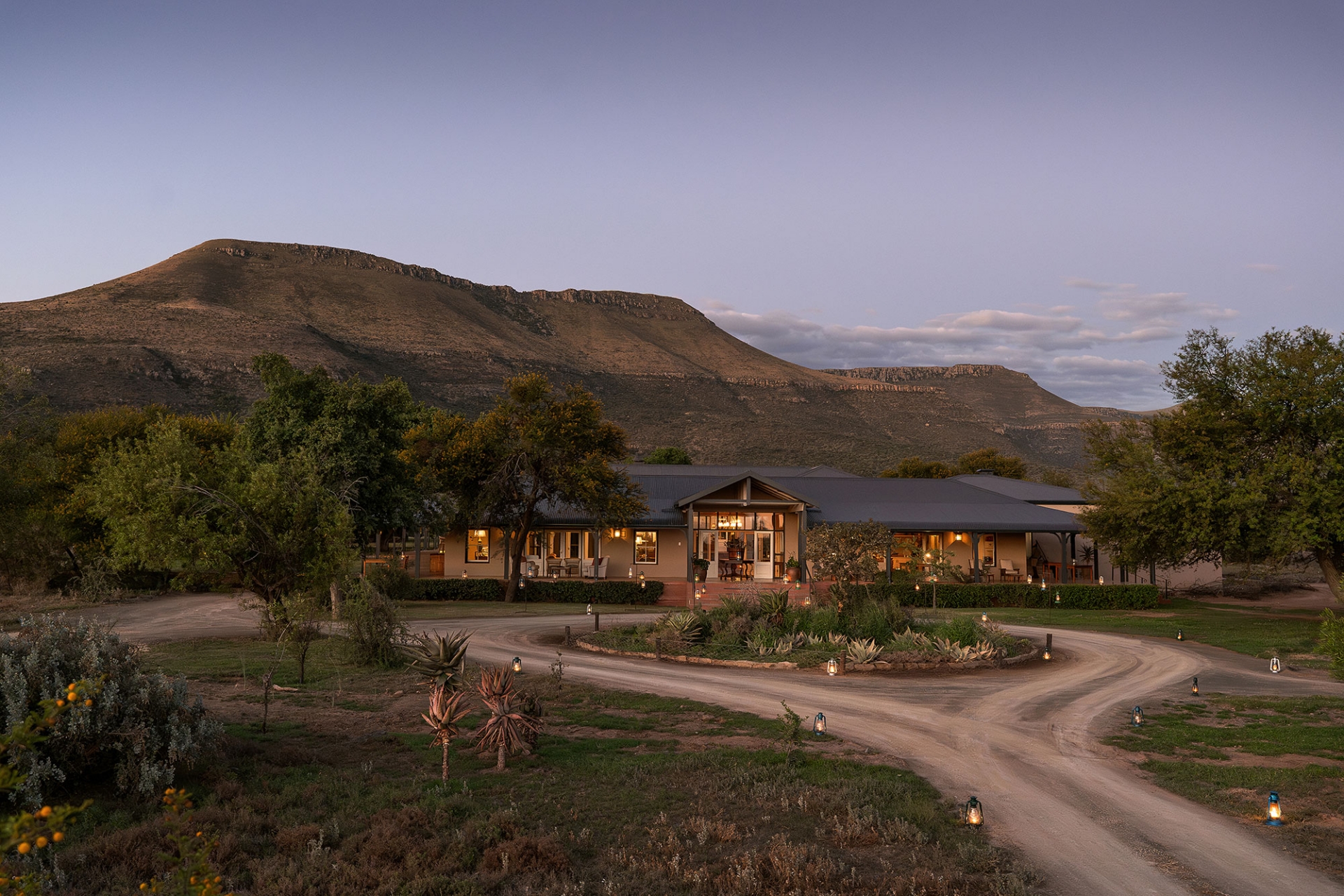
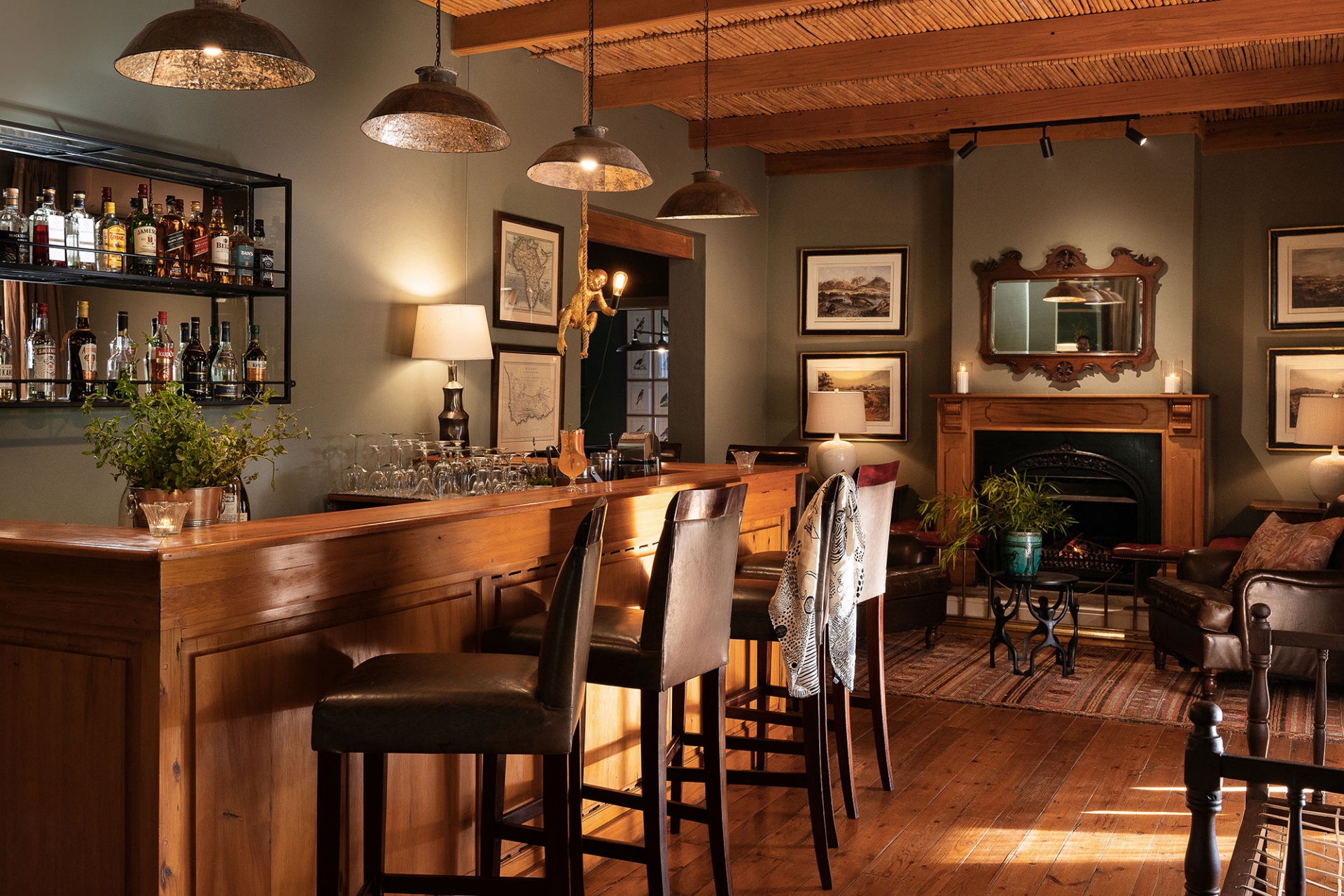
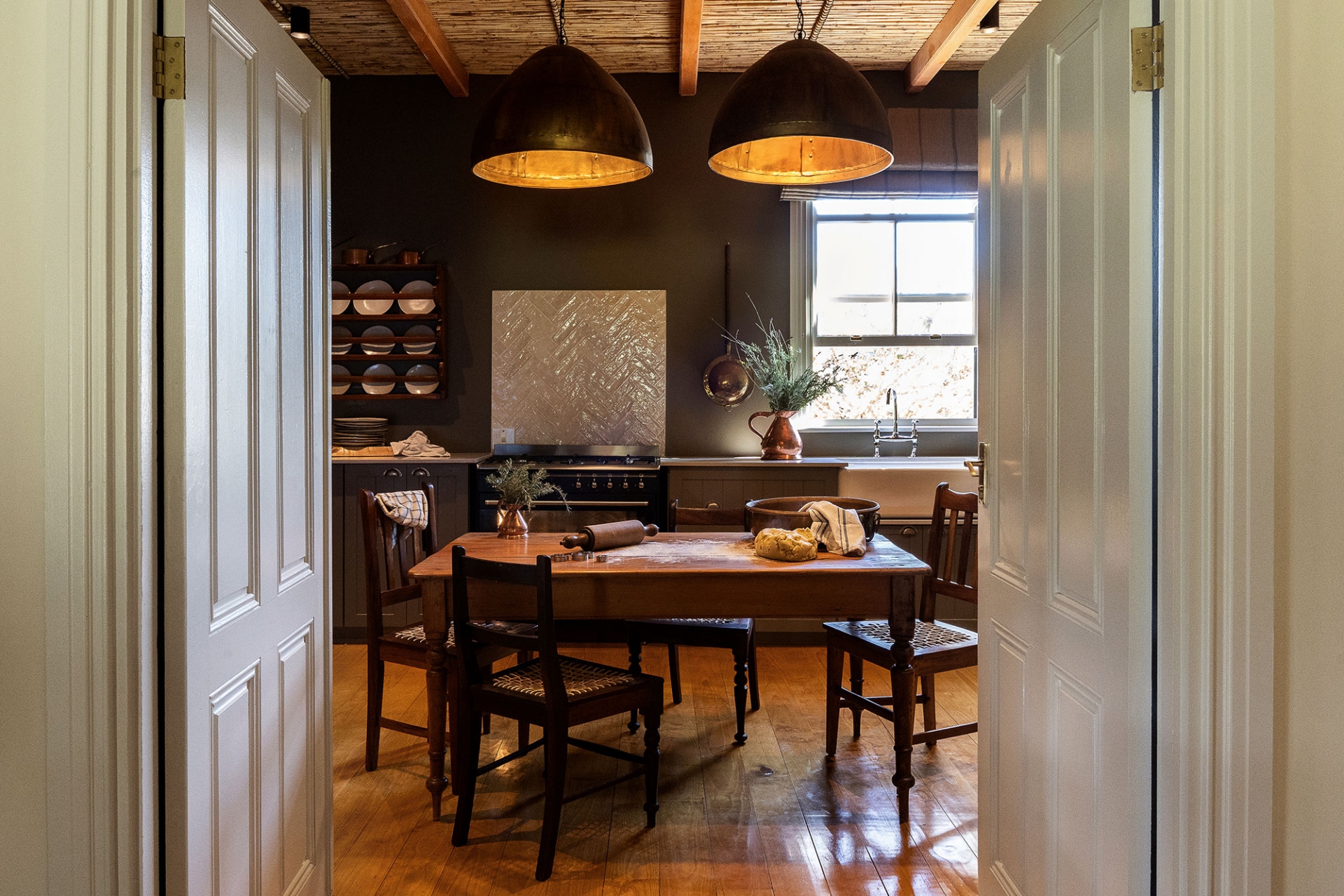
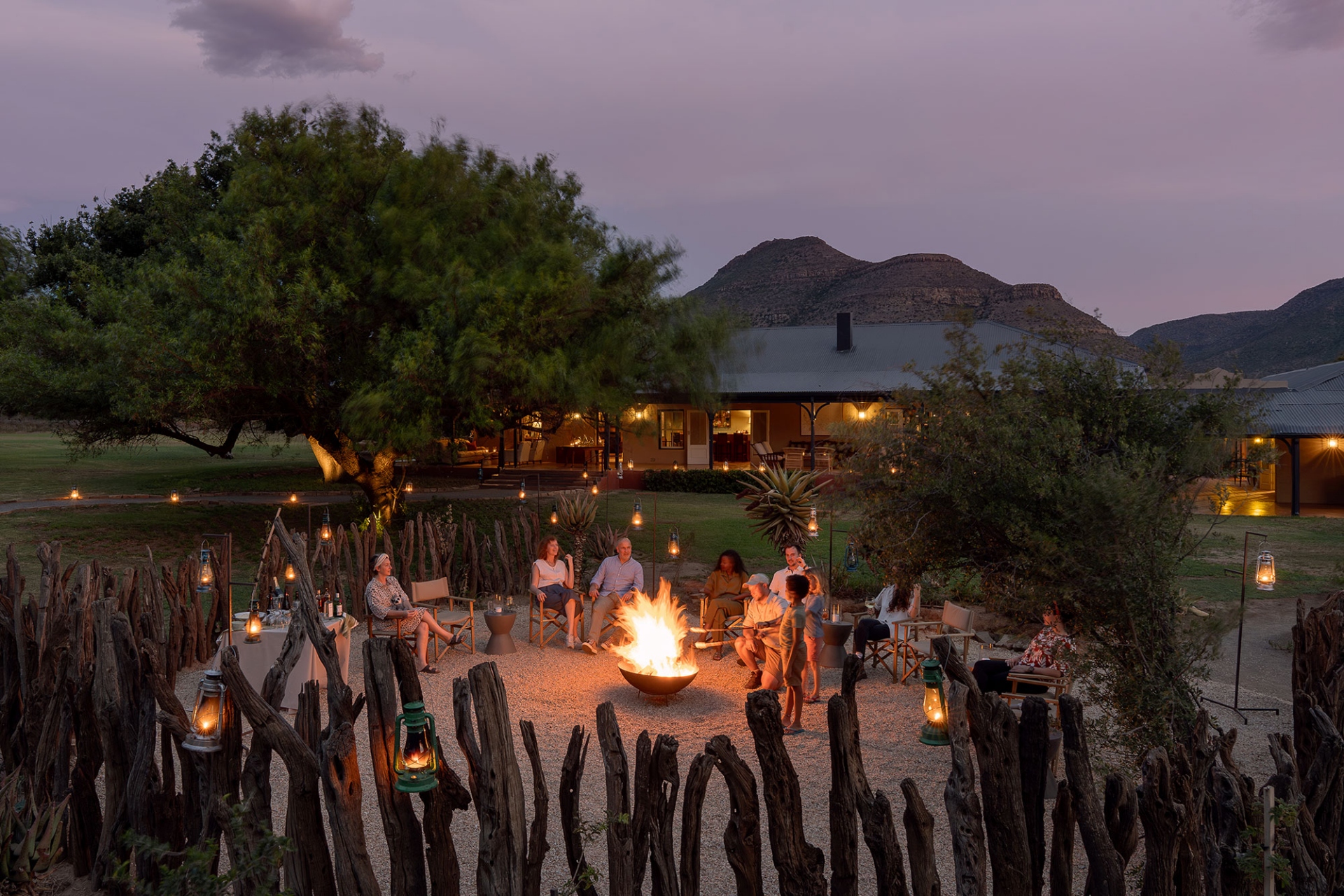
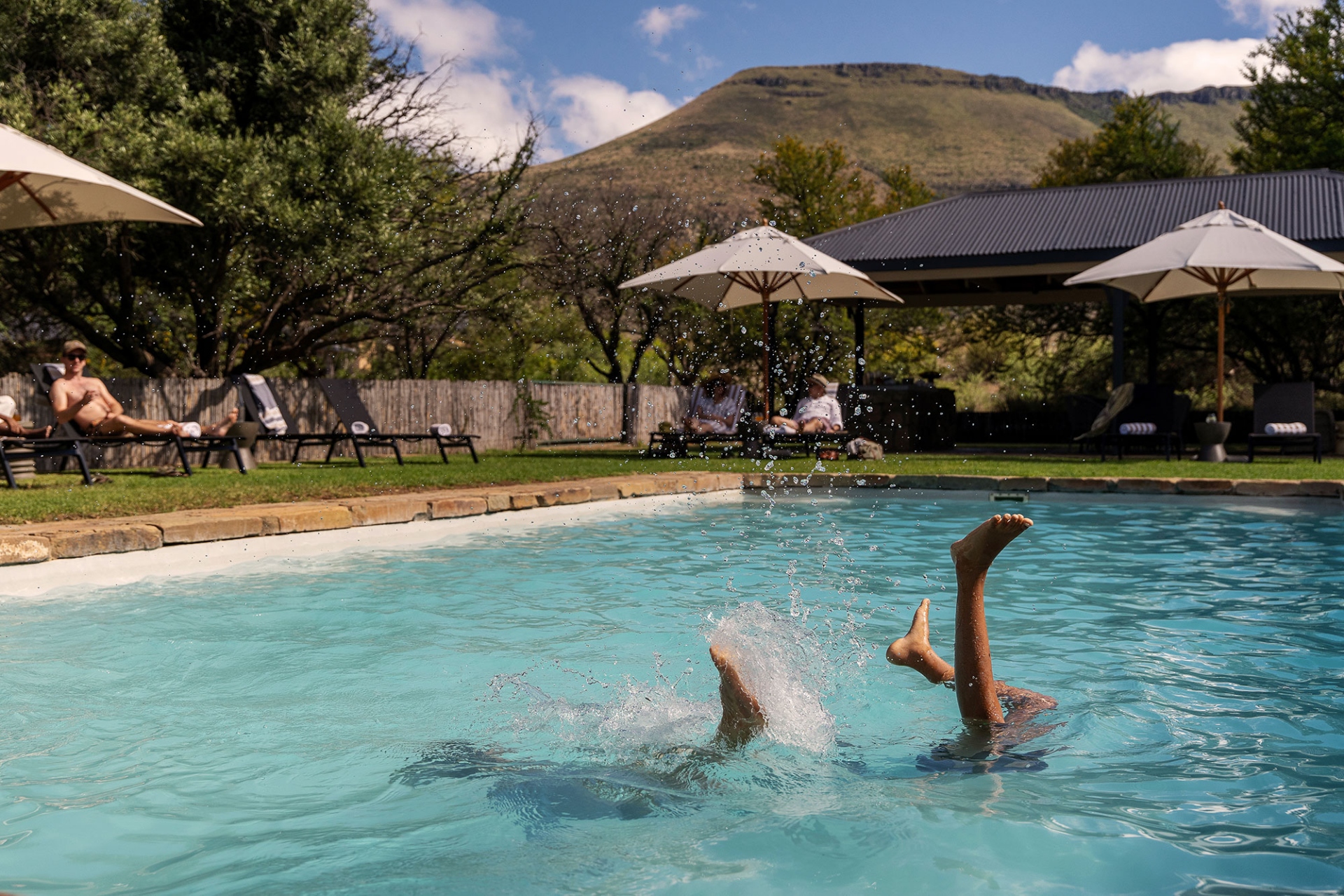
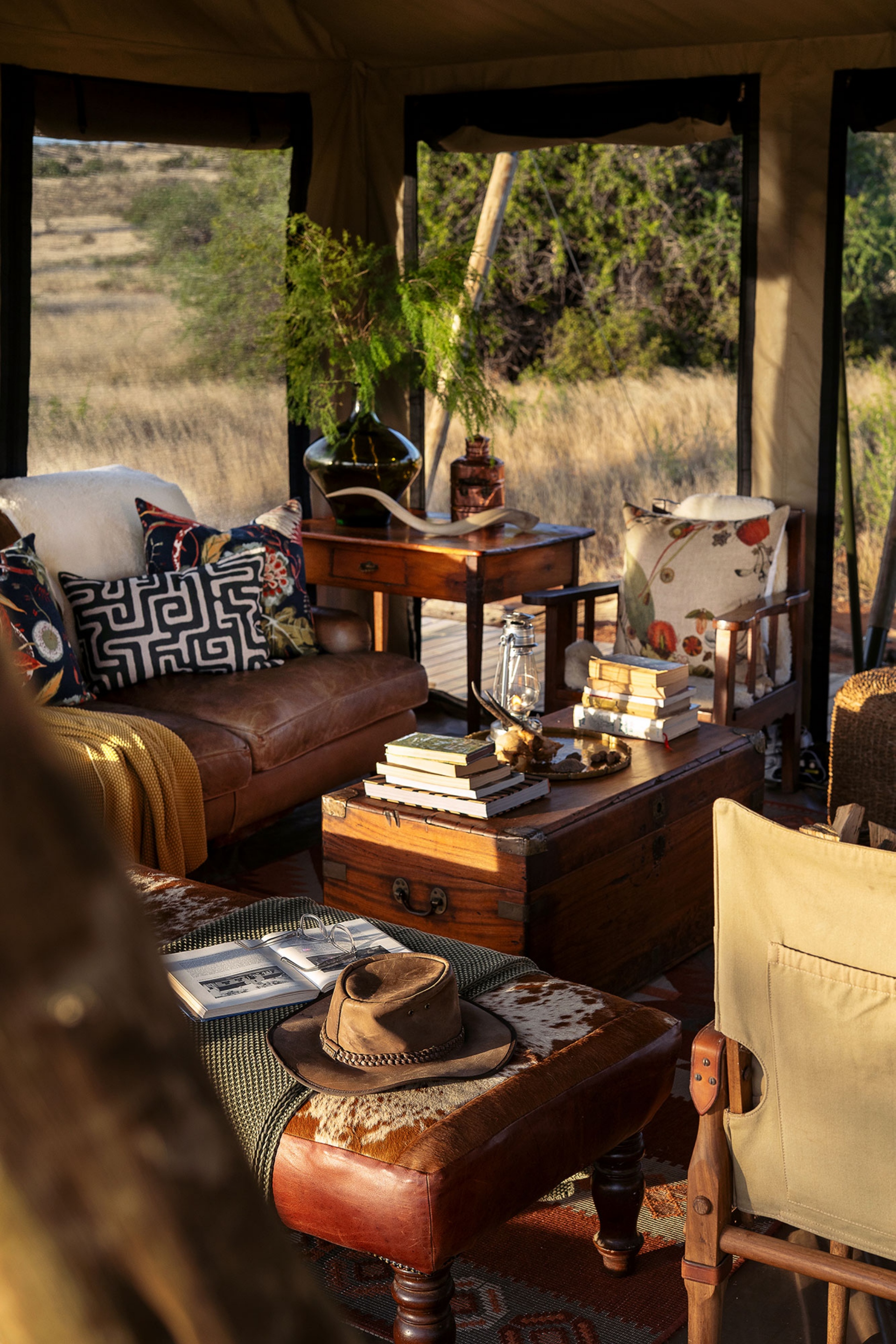
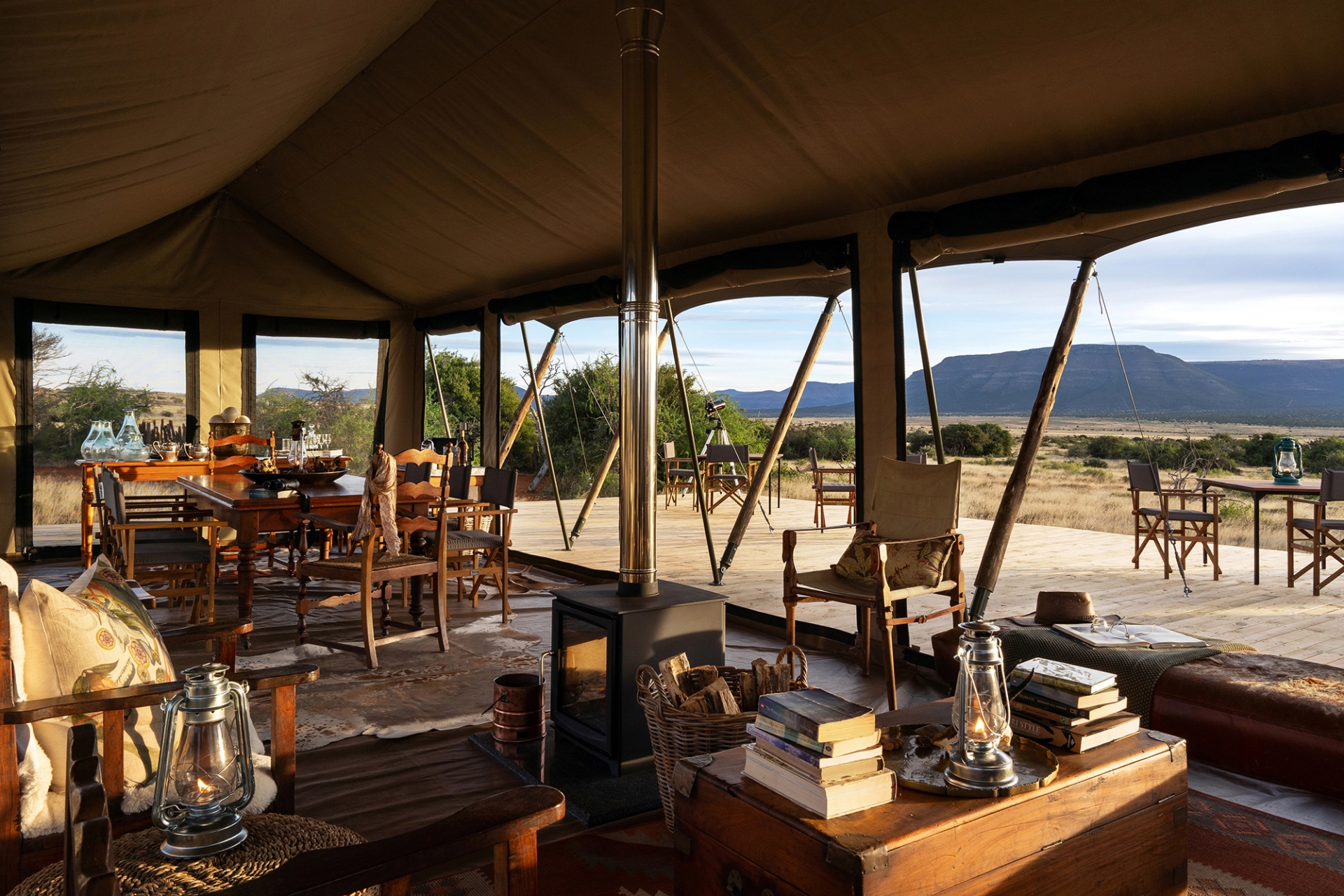
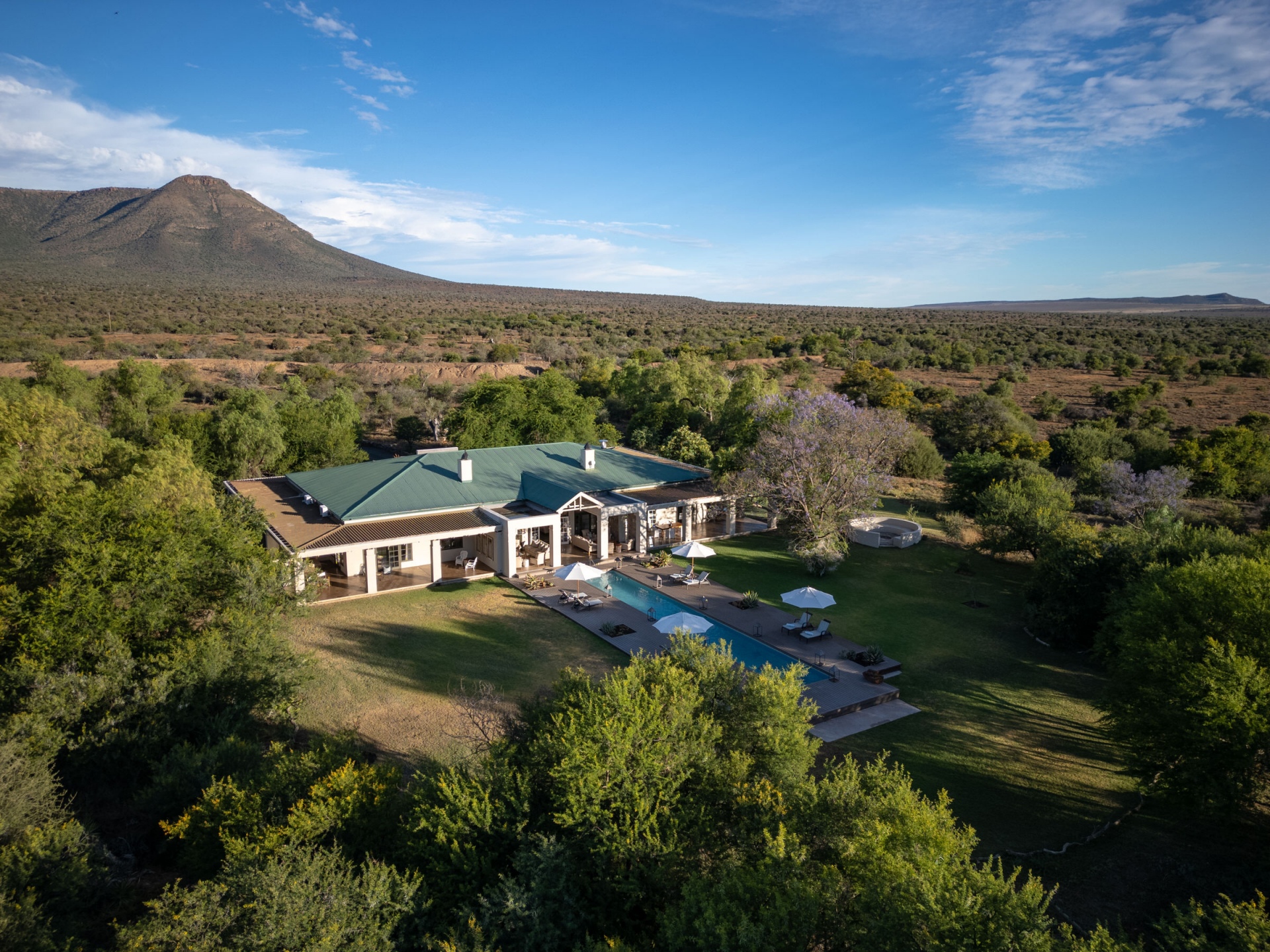
The reserve’s design ethos extends to its built environment. The lodges at Samara avoid the performative spectacle of traditional luxury safari design. Instead, the architecture acts as a lens, quietly directing the eye back toward the ecosystem. At Karoo Lodge, interiors are muted - stone walls, a restrained palette, and apertures carefully positioned to frame the waterhole or the mountains beyond. The architecture does not compete with the view; it participates in it.
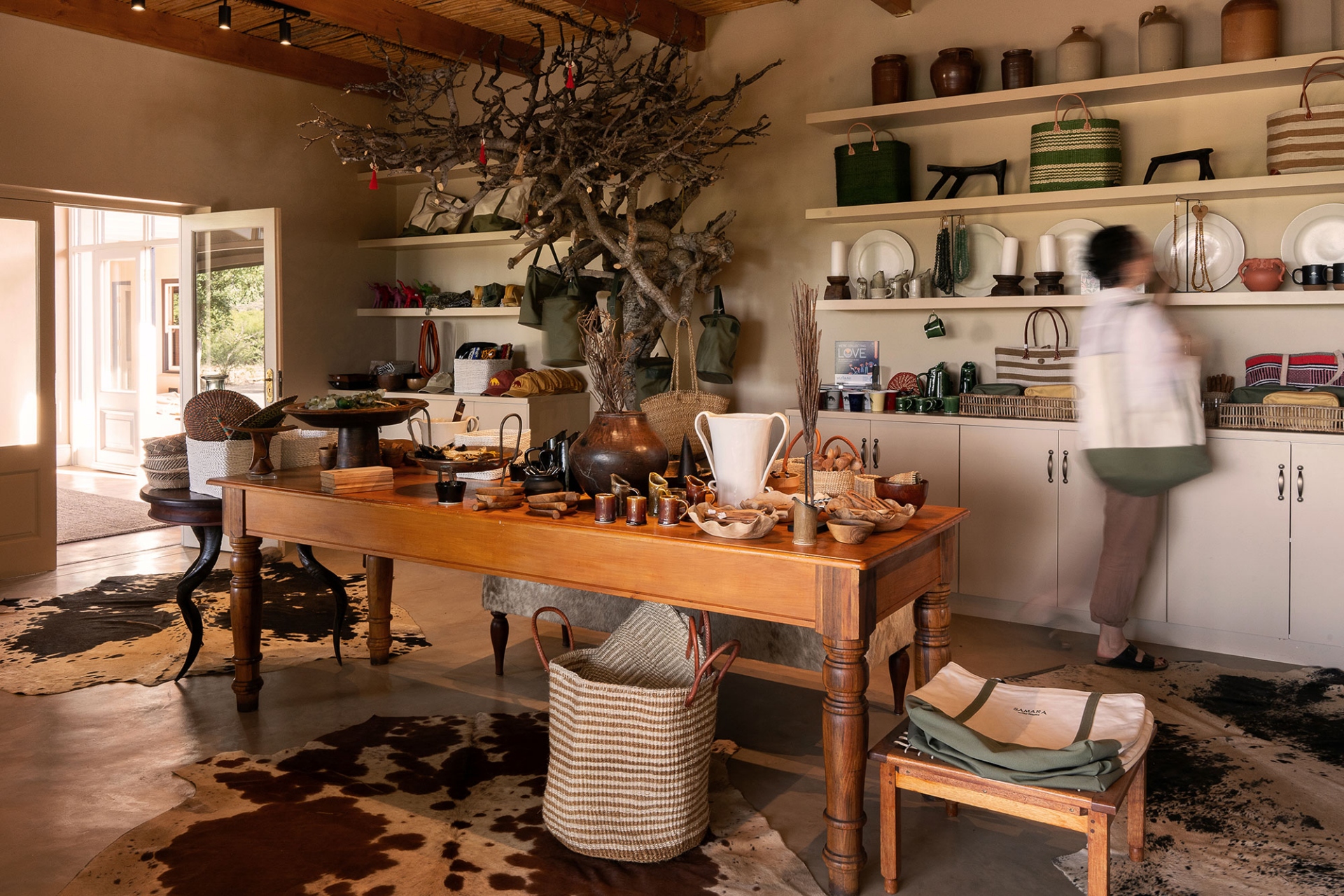
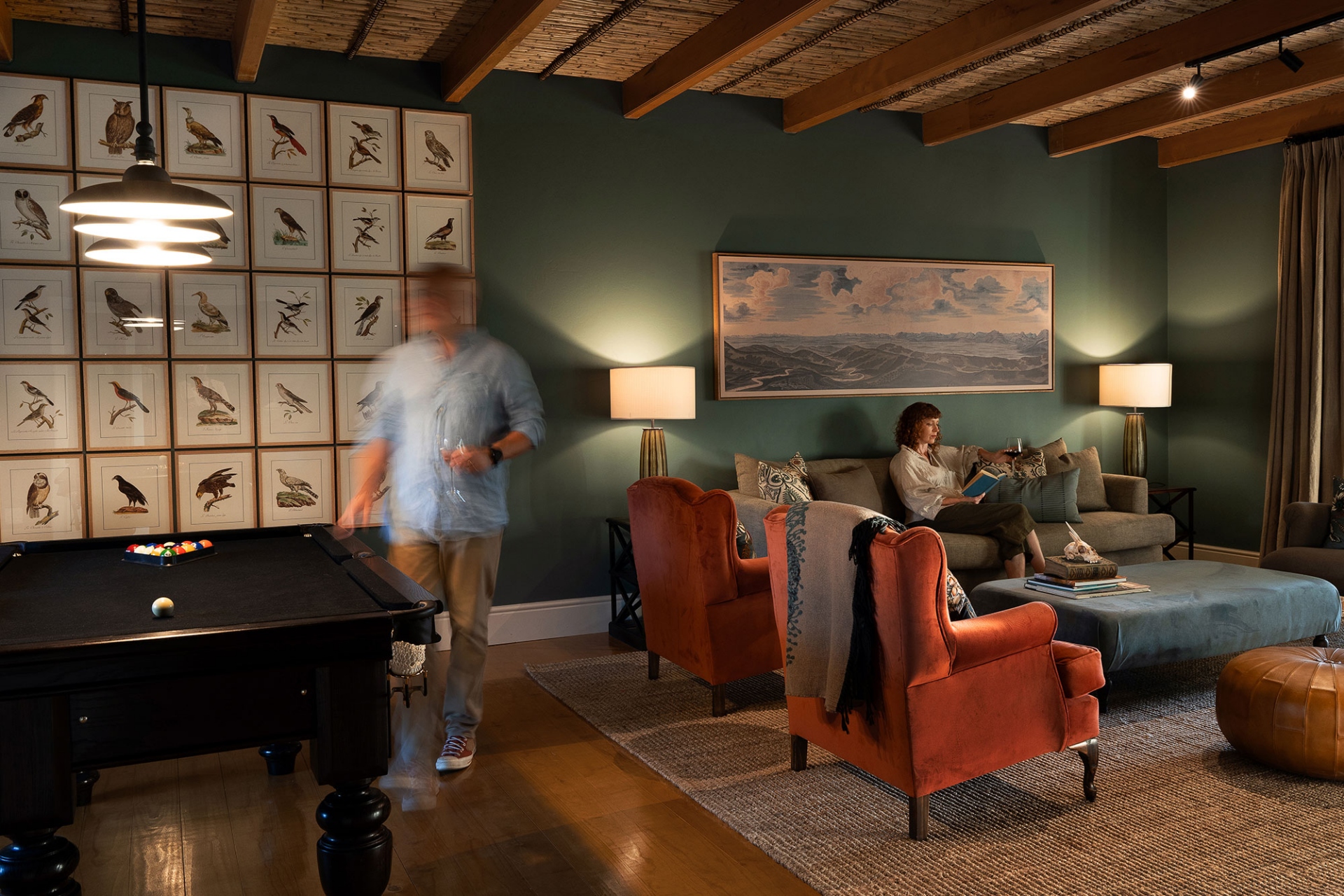
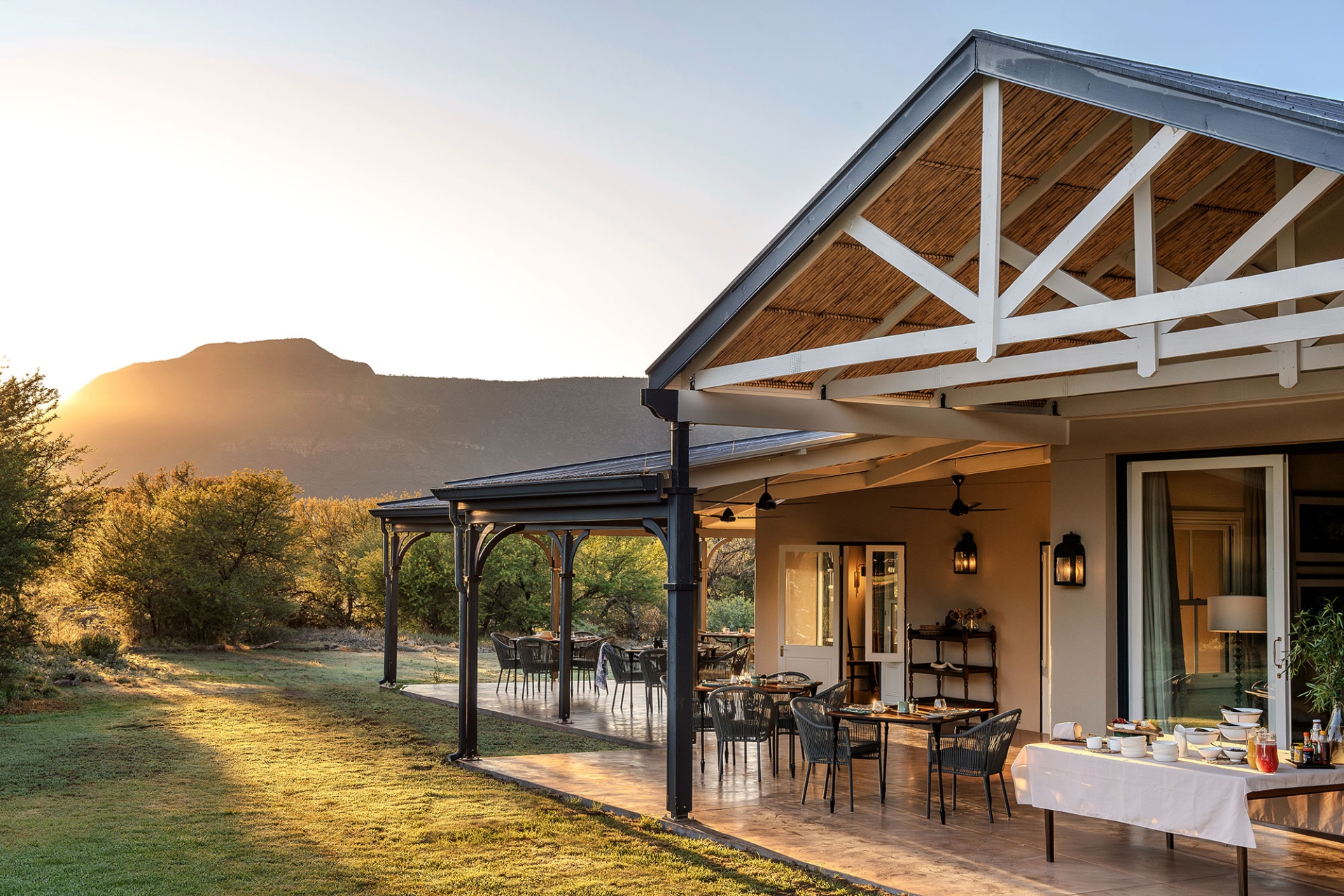
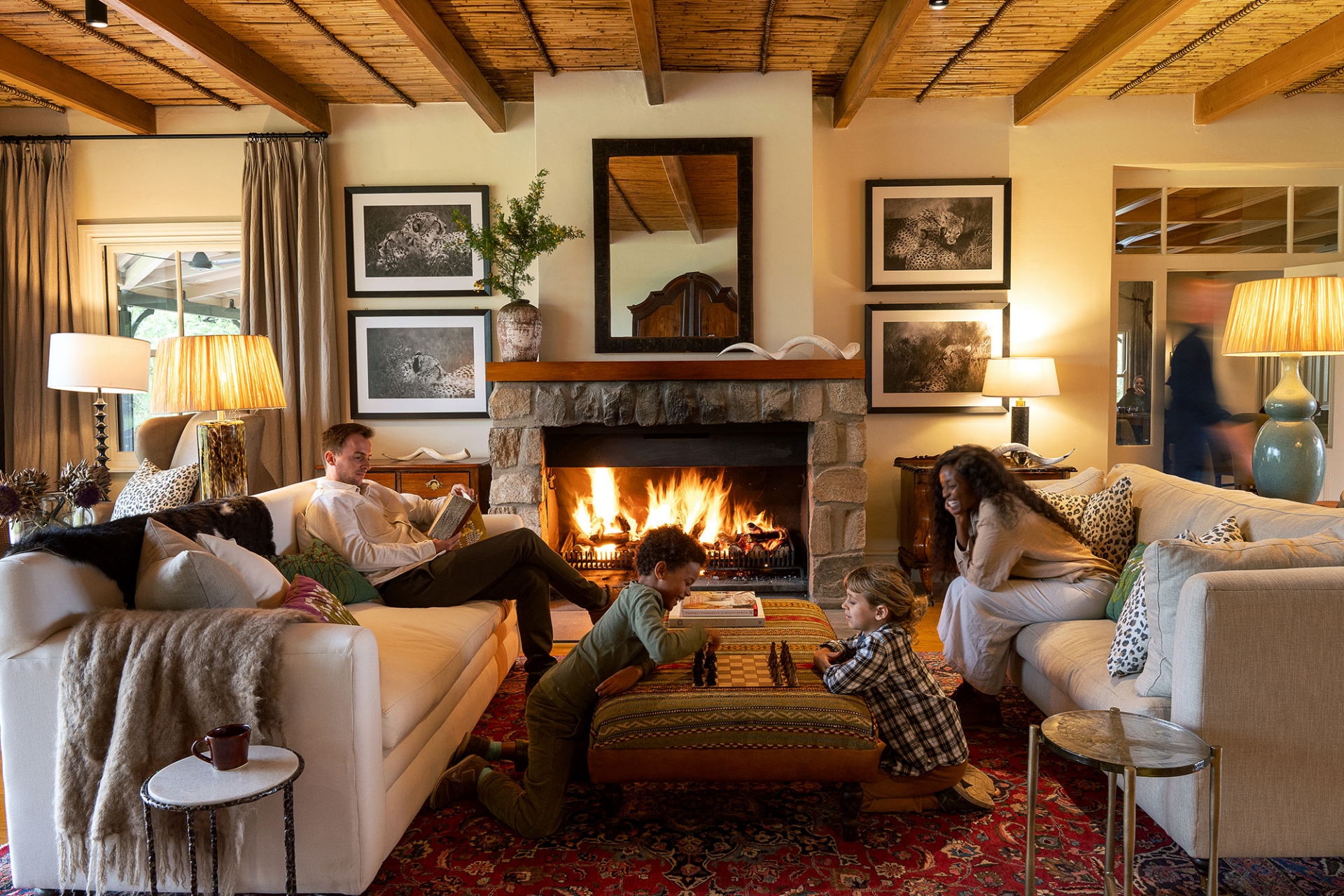
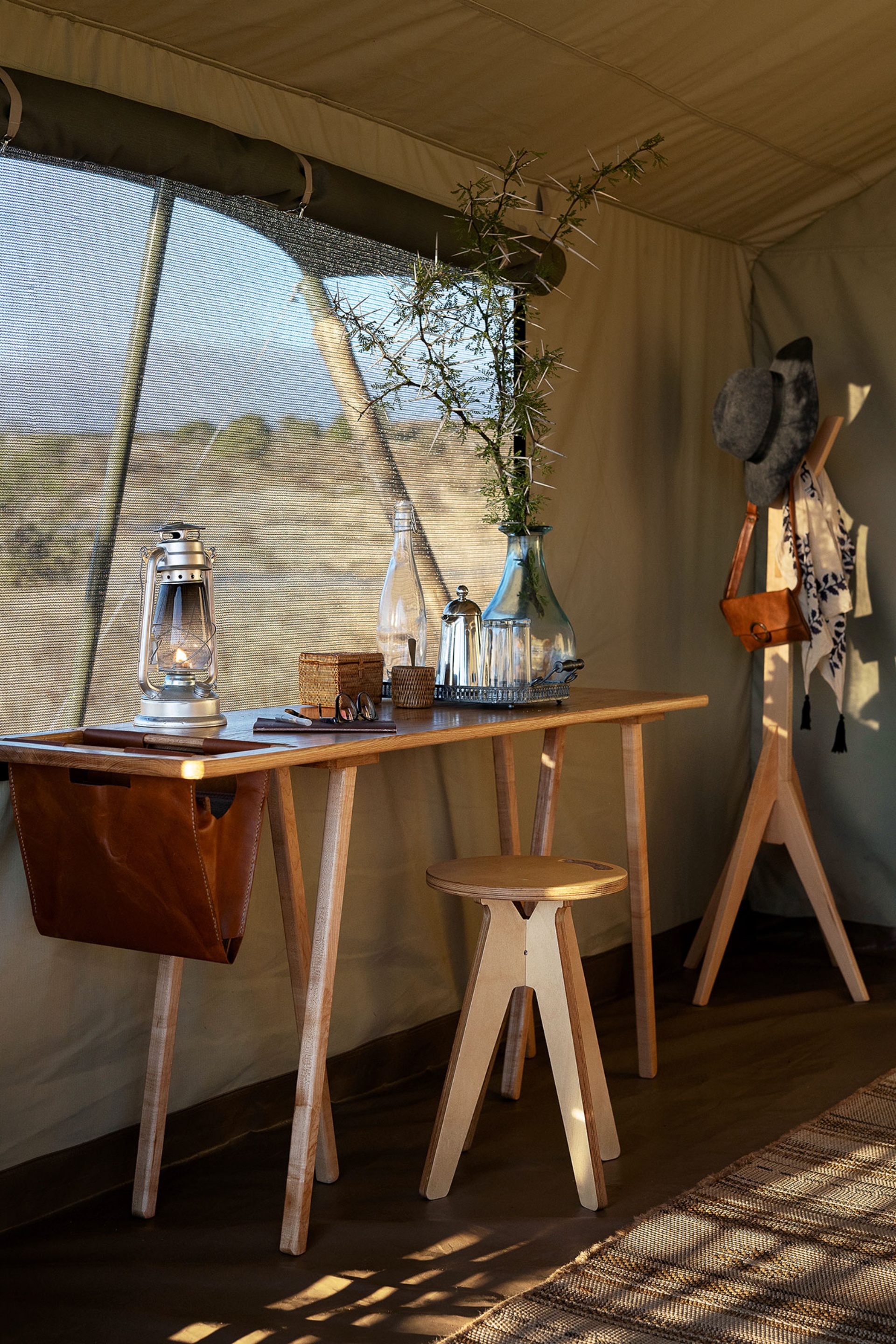
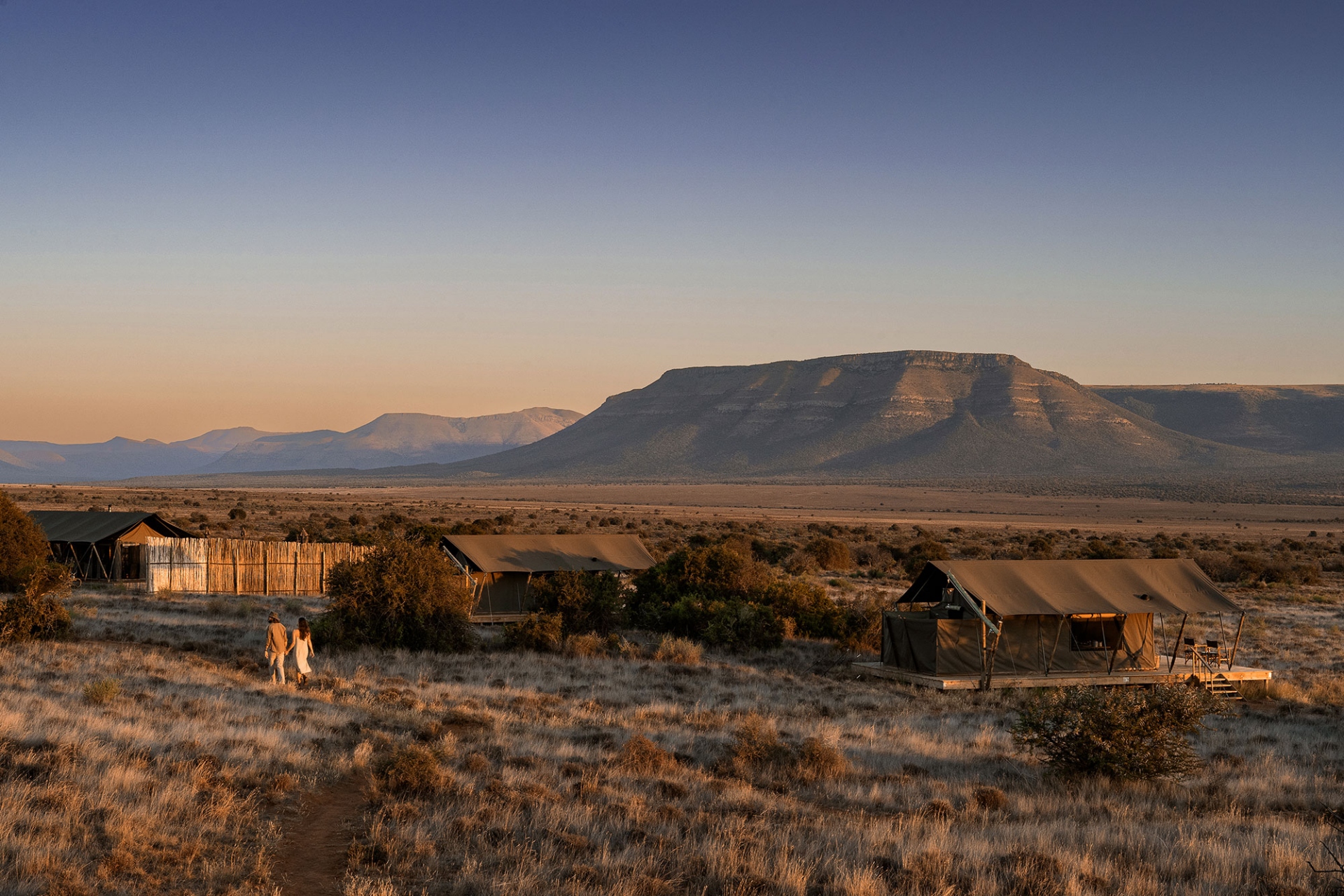
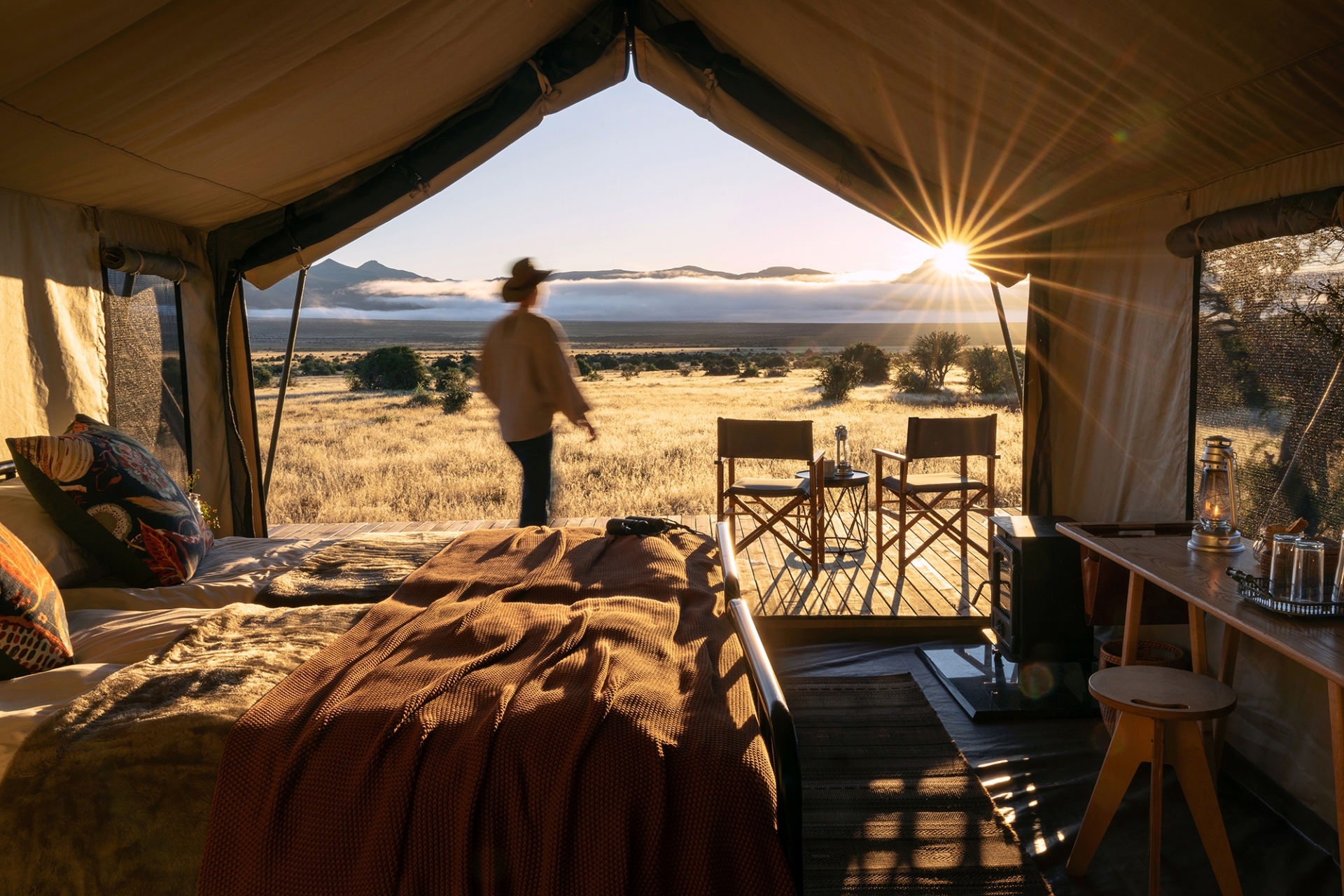
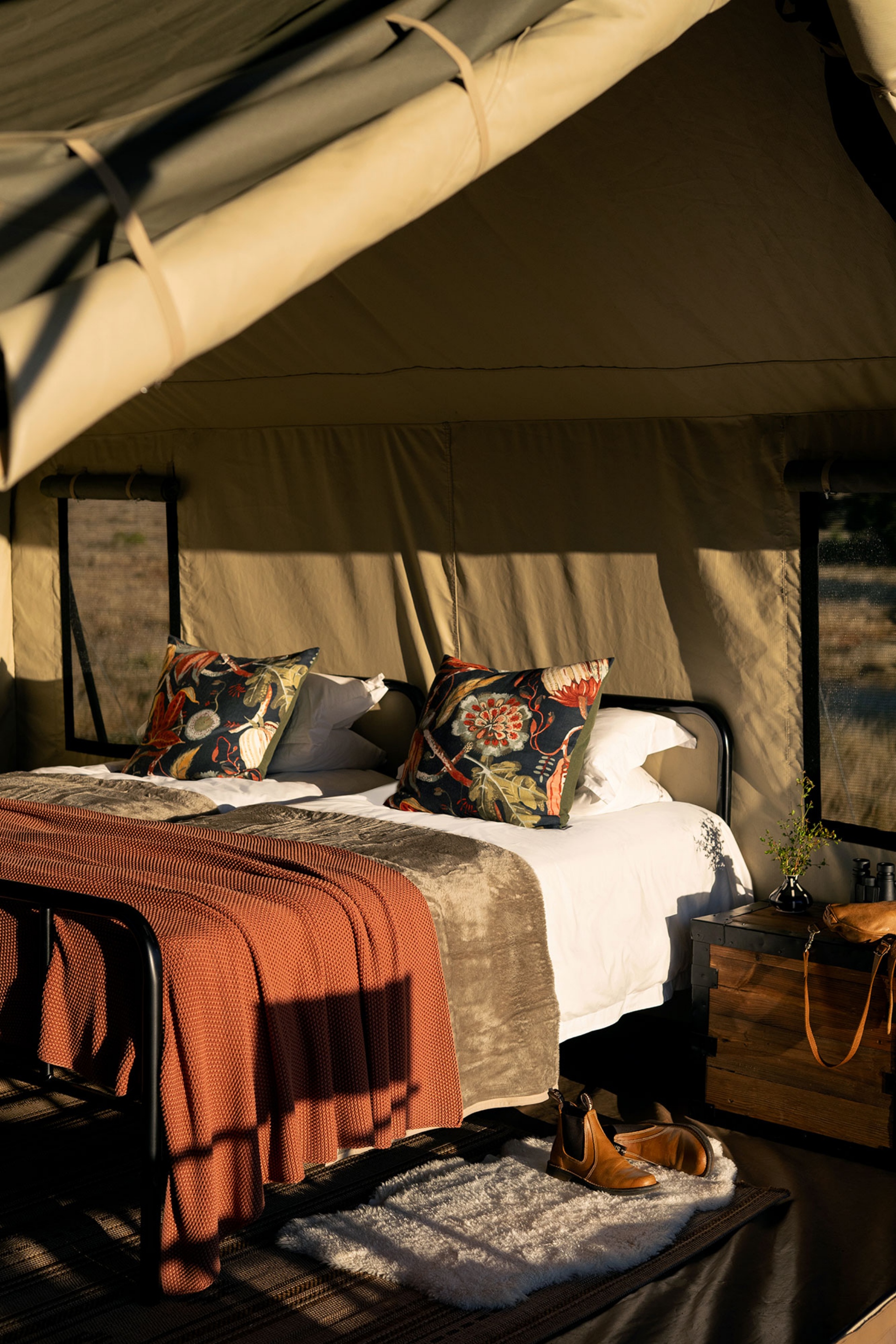
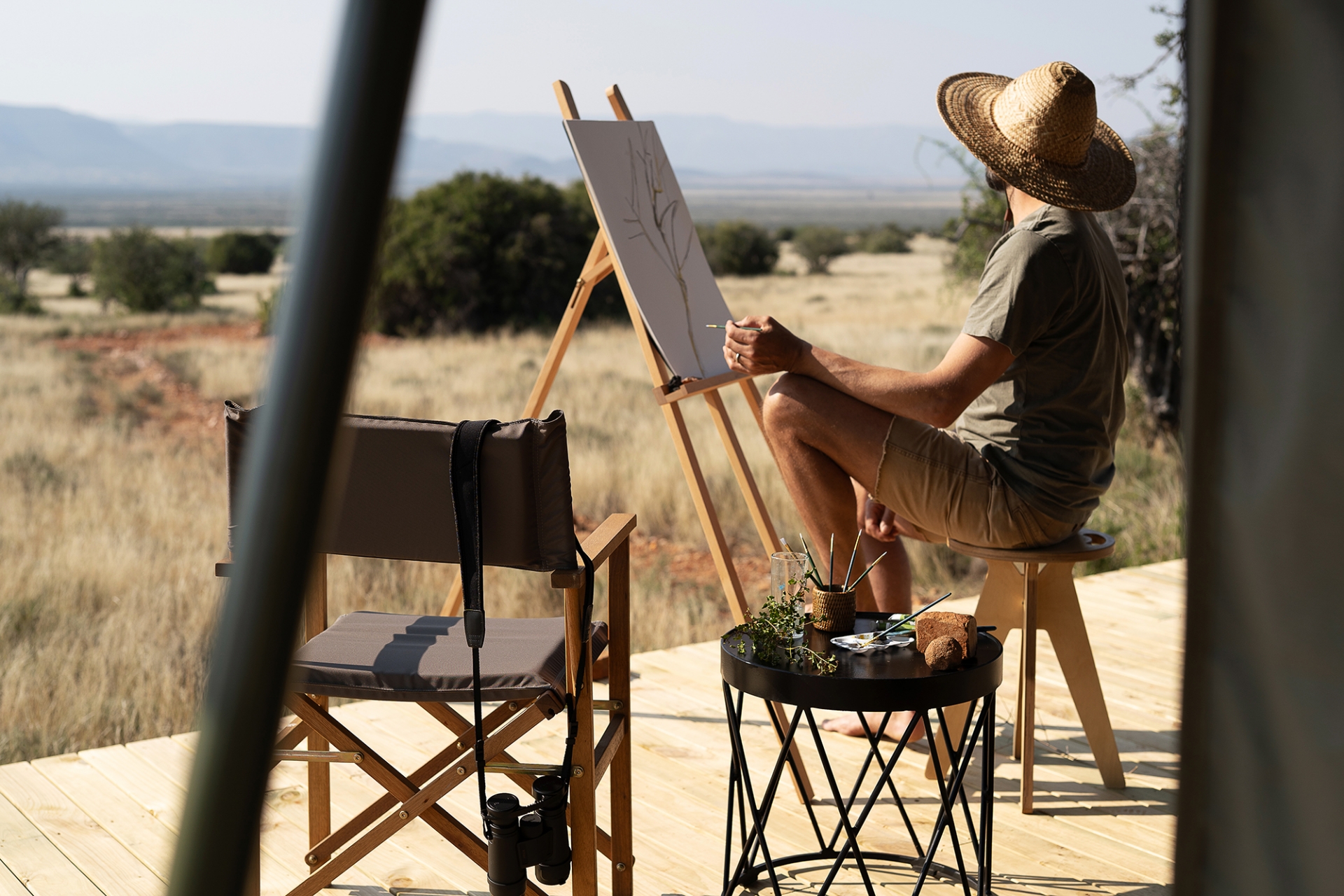
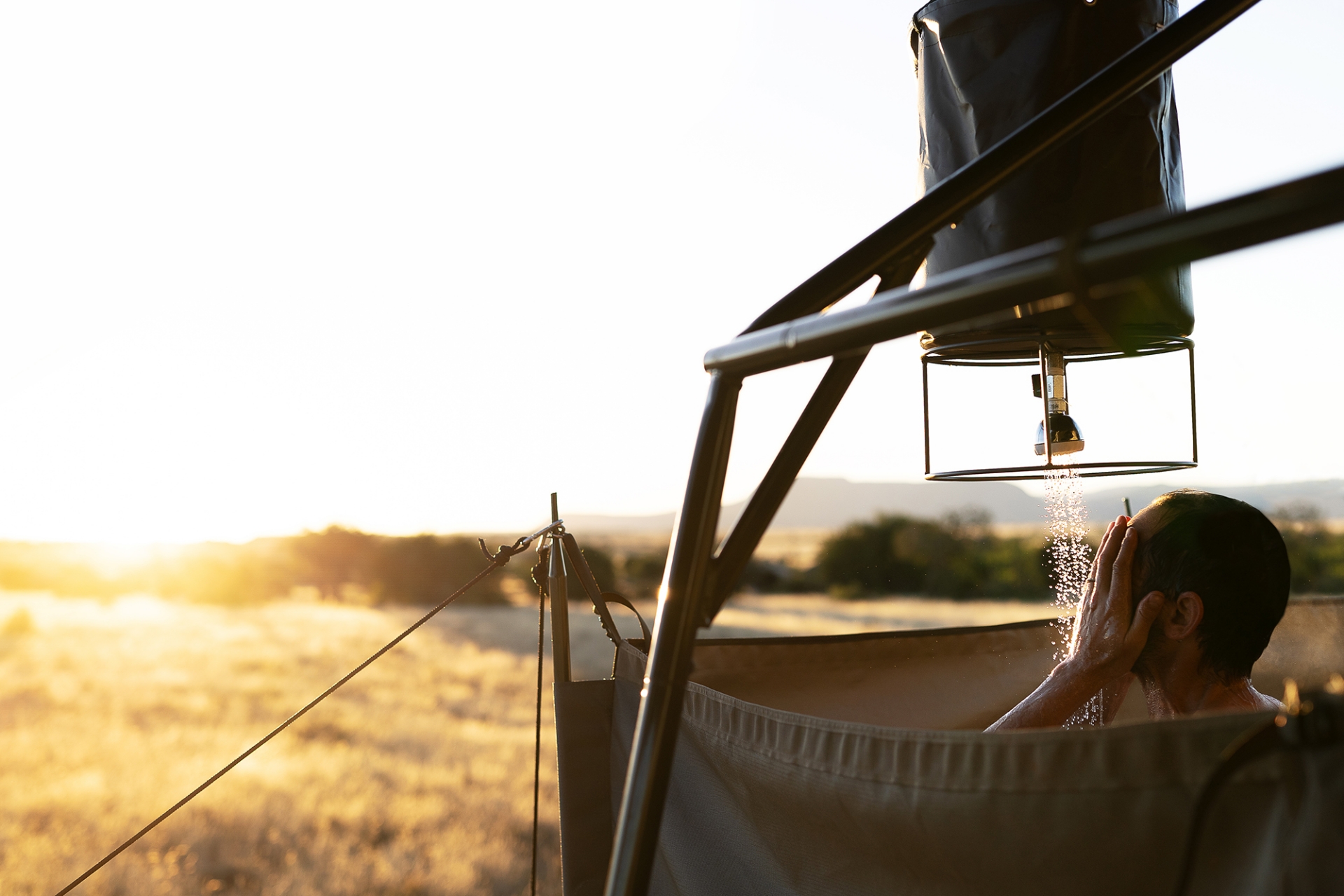
At Plains Camp, the philosophy of subtraction is taken to its logical extreme. With no WiFi, no electricity, and no fences, the camp strips away the assumptions of contemporary travel. Canvas tents sit lightly upon the earth, offering not deprivation, but a rare clarity. It is an experience designed through the removal of clutter.
The Restoration of Attention
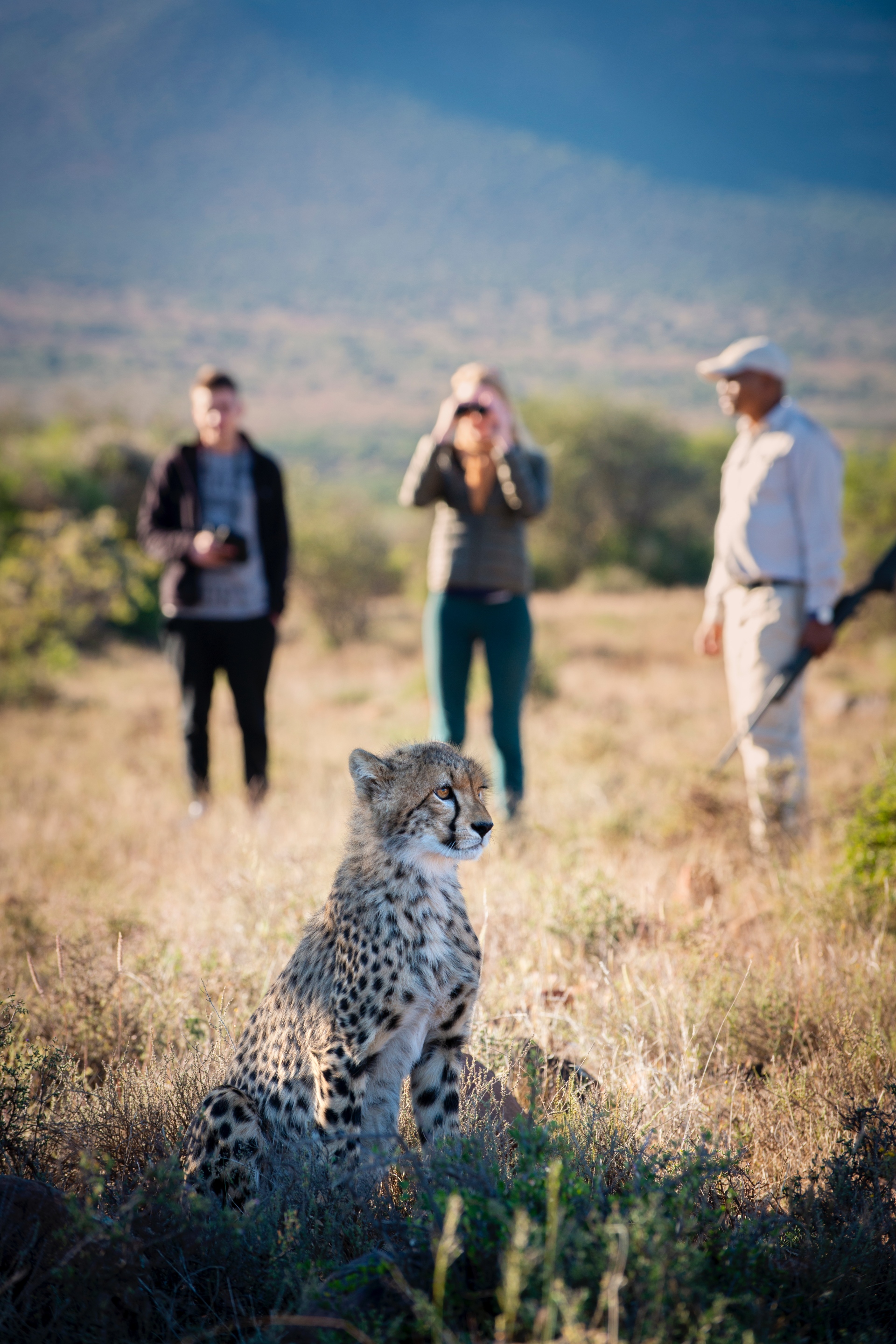
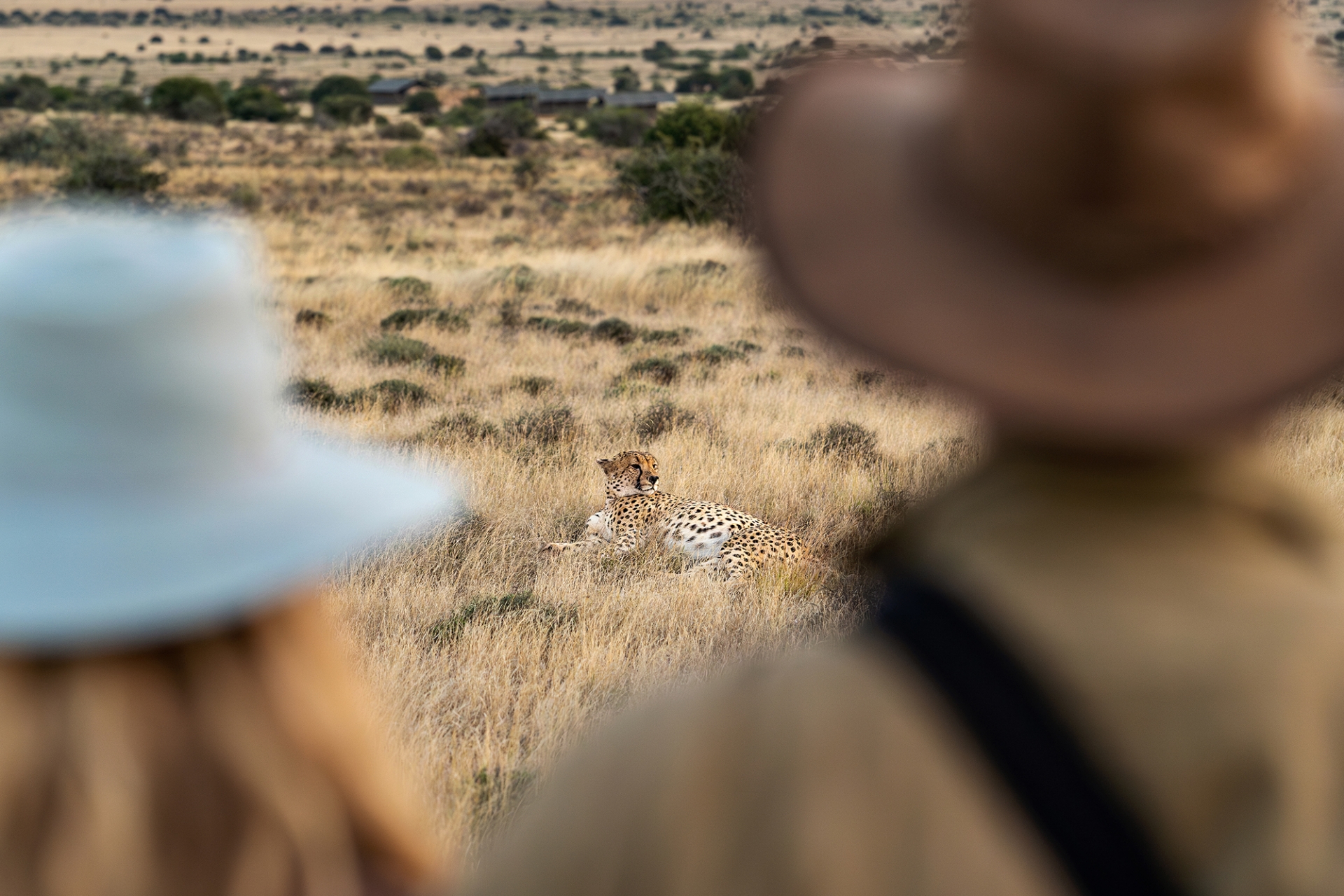
Perhaps the most compelling story at Samara is that of Sibella, the first wild cheetah returned to the Great Karoo in 130 years. Her survival - rising from a brutal attack to raise nineteen cubs - has become the reserve’s defining narrative. Watching her move through the tall grass, one is reminded that restoration is, at its core, an act of belief: the belief that absence is not permanent and that a different future can be imagined.
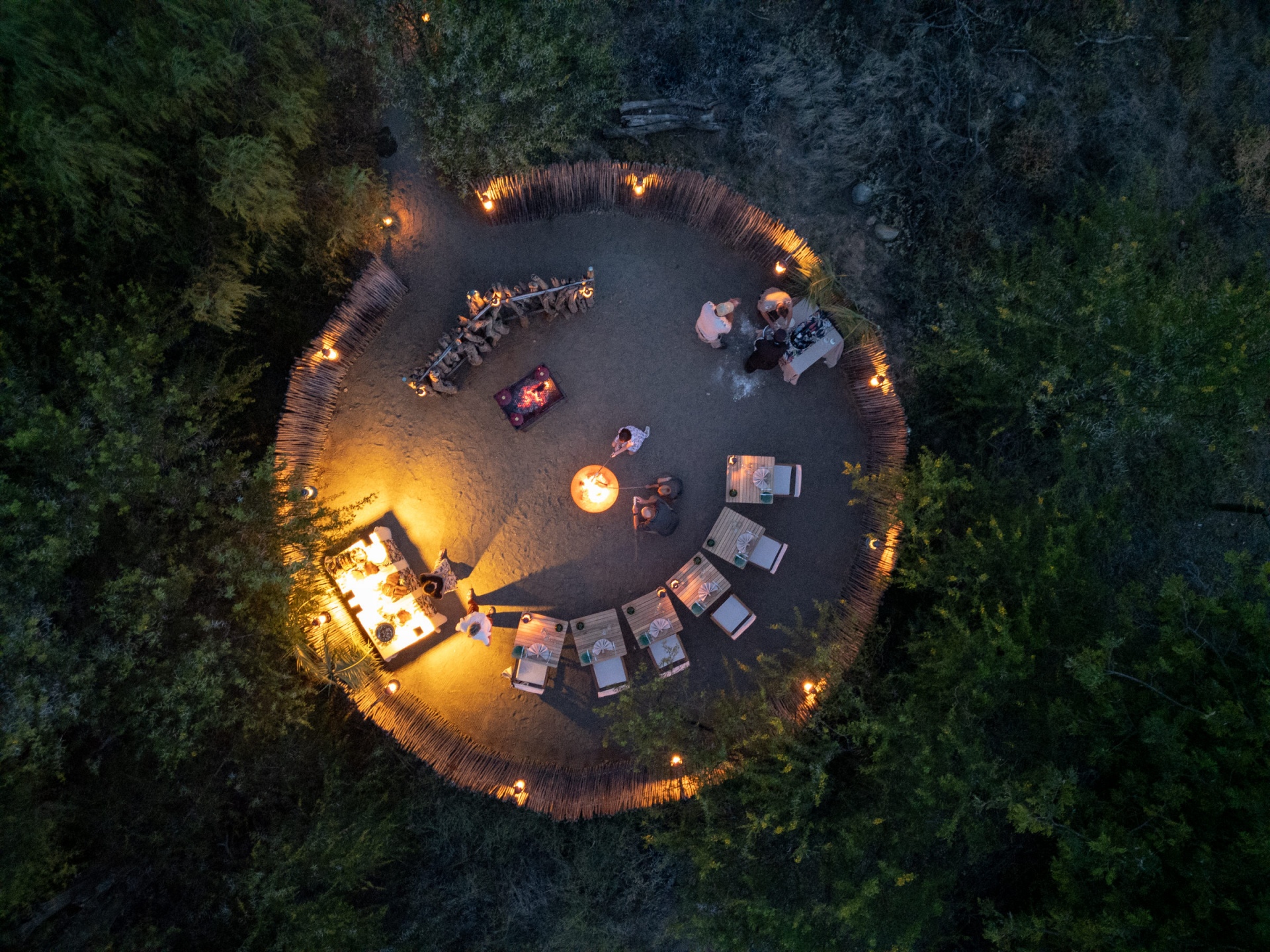
This is the ultimate achievement of Samara. It has not only restored the wildlife; it has restored the act of attention itself. In a culture increasingly fractured by digital distraction, the ability to sit quietly, to track the lazy drag of an elephant’s trunk in the dust, or to observe the weaver bird’s intricate architecture, is perhaps the most valuable design element of all.