PODCAST
WHAT MAKES A GOOD CONVERSATION? LOOK NO FURTHER THAN OUR ART OF THE CONVERSATION, FEATURING UNCONVENTIONAL STORIES AND PEOPLE WHO MOVE AND INSPIRE
LISTEN NOW


Steam hangs heavy in the room before the bath comes into sharp focus. The water, a soft amber, is infused with Cape botanicals - a tactile introduction to the slow, ritualistic pace expected here. Somewhere between the heat, the silence, and the deliberate absence of modern distraction, it becomes easy to forget that just beyond these walls lies one of South Africa’s oldest wine farms, established in 1692.
At the heart of this experience is the Cape Herbal Bath House. It is not, as spa director Claudia explains, a treatment space in isolation, but a "sensory journey" conceived to reset the nervous system. Here, water and scent function as a vernacular—a return to something instinctive, harvested and dried on the farm itself. Dr. Caren Hauptfleisch, the resident phytotherapist, oversees the cultivation of the botanicals used in the spa’s hand-blended scrubs and oils. "They are not simply decoration," Claudia notes. "They are our identity". The estate could easily coast on heritage and wine tourism alone. Instead, Spier is engaged in something more compelling: a regenerative philosophy that treats the landscape not as an asset to be exploited, but as a system to be stewarded.
This becomes clear while walking the Food Garden. Rows of seasonal vegetables sit alongside indigenous medicinal herbs. Runner ducks dart between beds as a natural pest control measure, while chickens move through the landscape in mobile hutches, ensuring the ground is constantly revitalized. Very little here feels separate from the land. Following extensive alien clearing, more than a million indigenous plants have been reintroduced, while water recycling and zero-waste systems quietly shape the daily rhythm.
It is a rare form of transparency; guests are invited to move through the very systems that sustain the farm. This approach extends to the built environment. The grounds feel less like designed space and more like something that has always belonged. Landscape architect Danie Steenkamp describes the goal not as decoration, but as "a deep alignment with its surroundings." The architecture ties the buildings into their environmental context rather than imposing upon them. Rewilding here is ecological, not merely aesthetic; gardeners act as facilitators, "gently tweaking and enabling" rather than controlling.
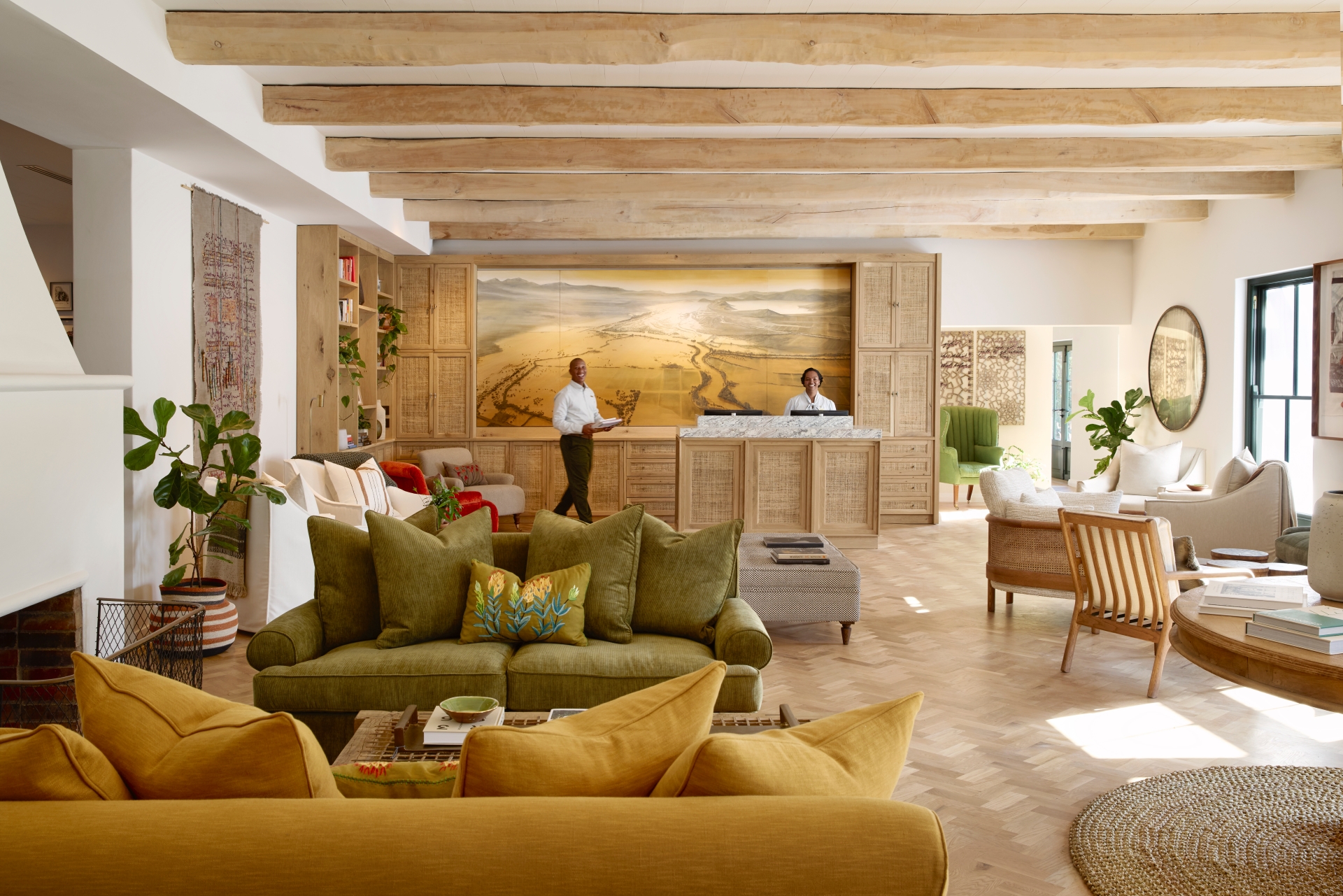
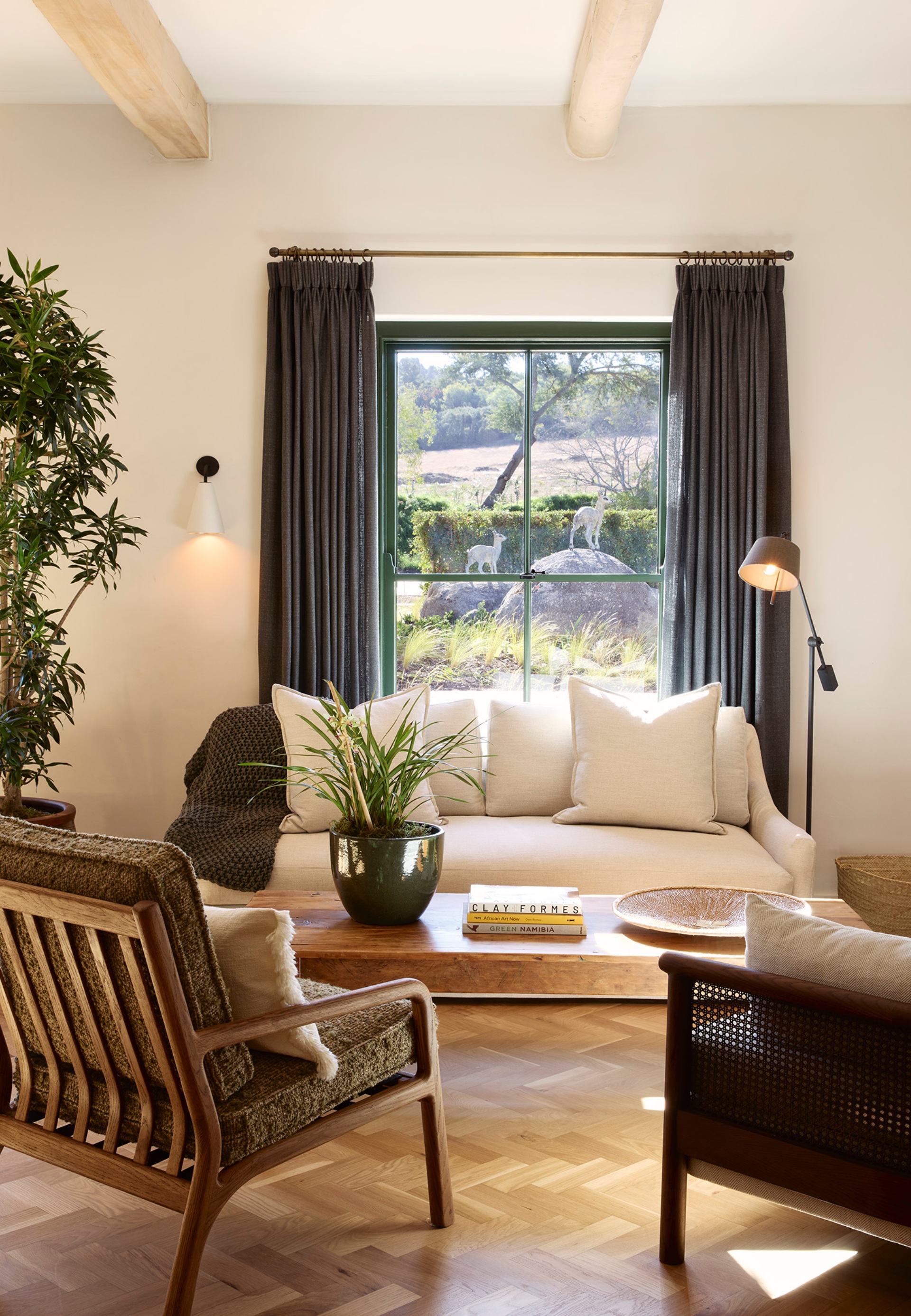
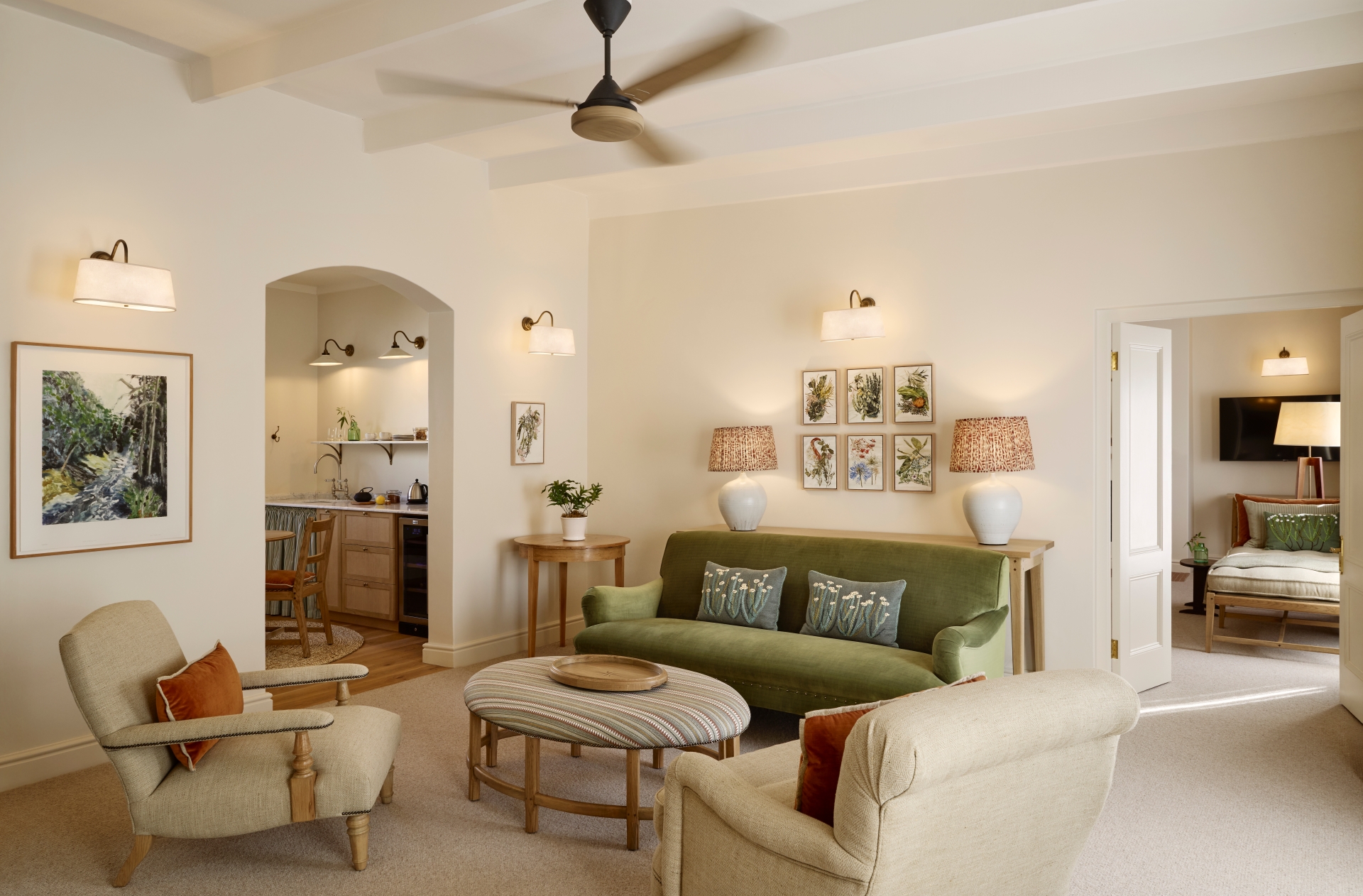
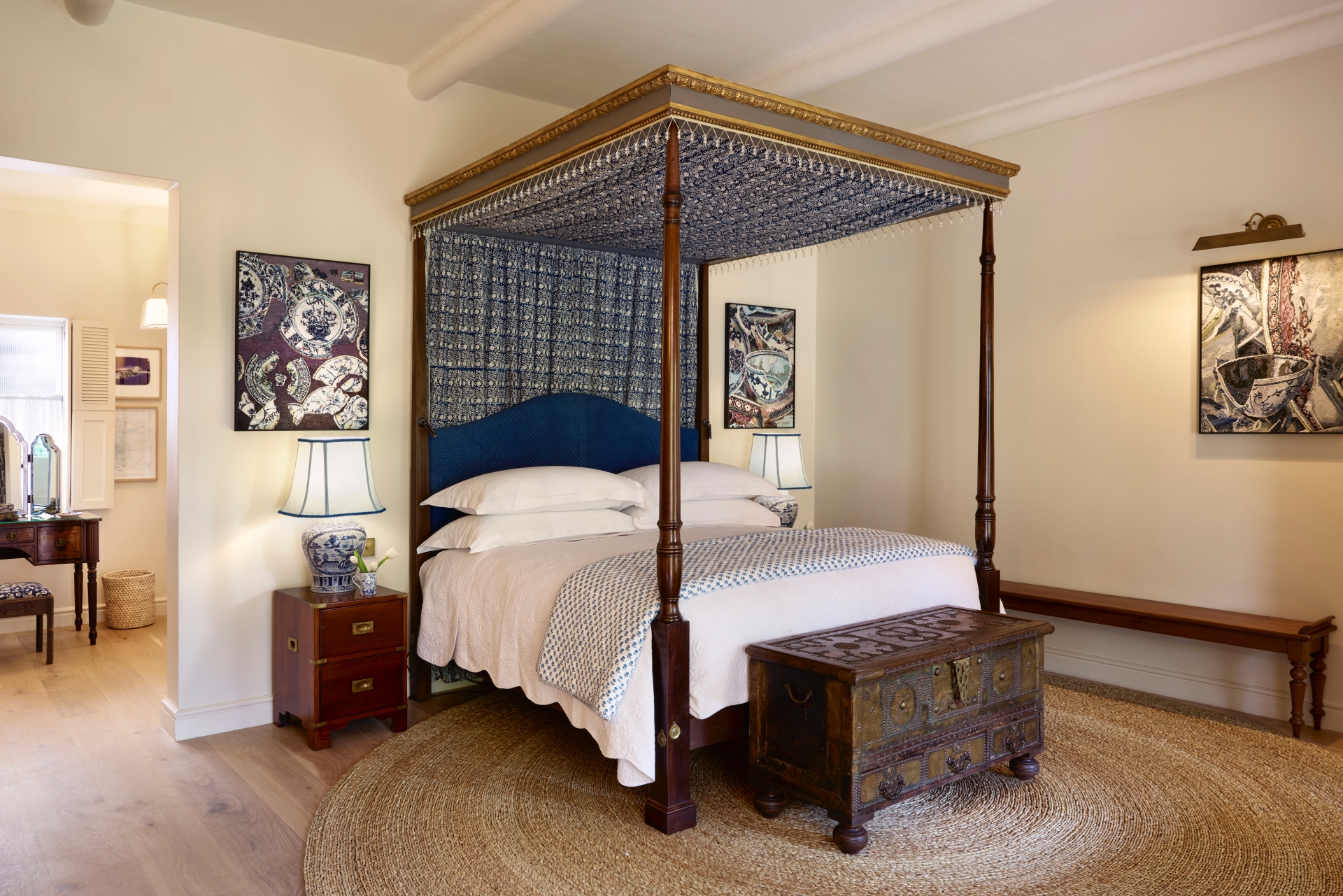
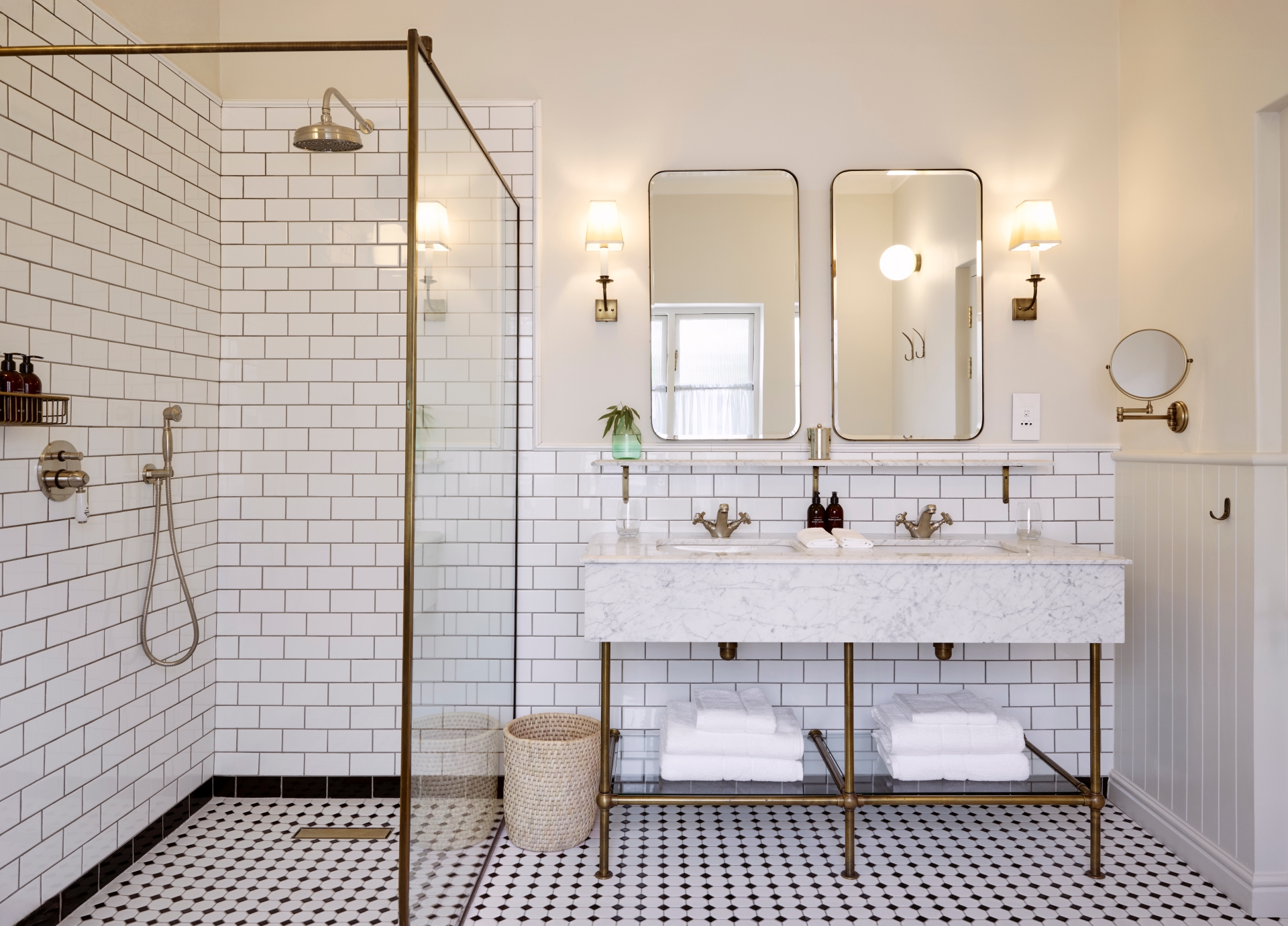
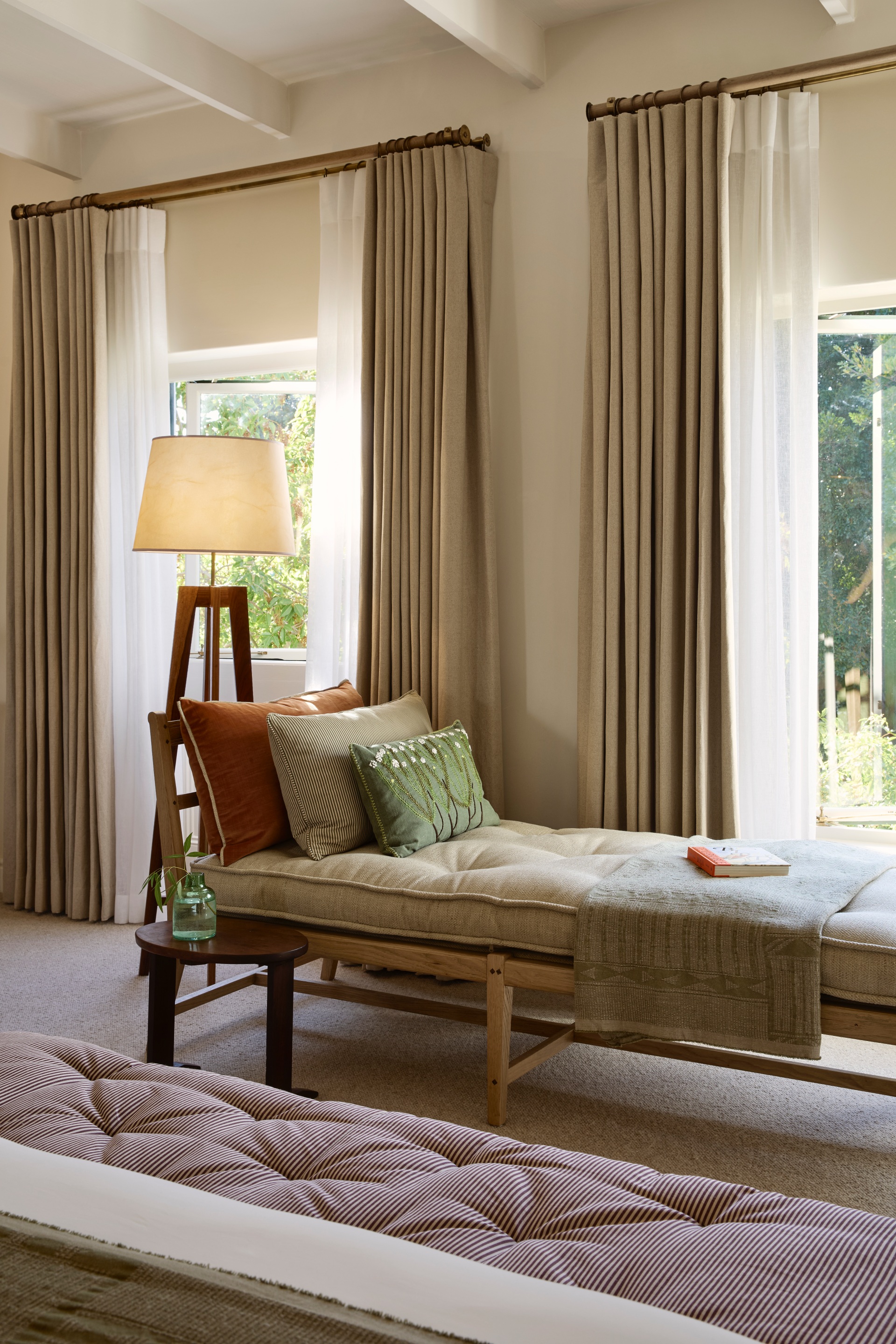
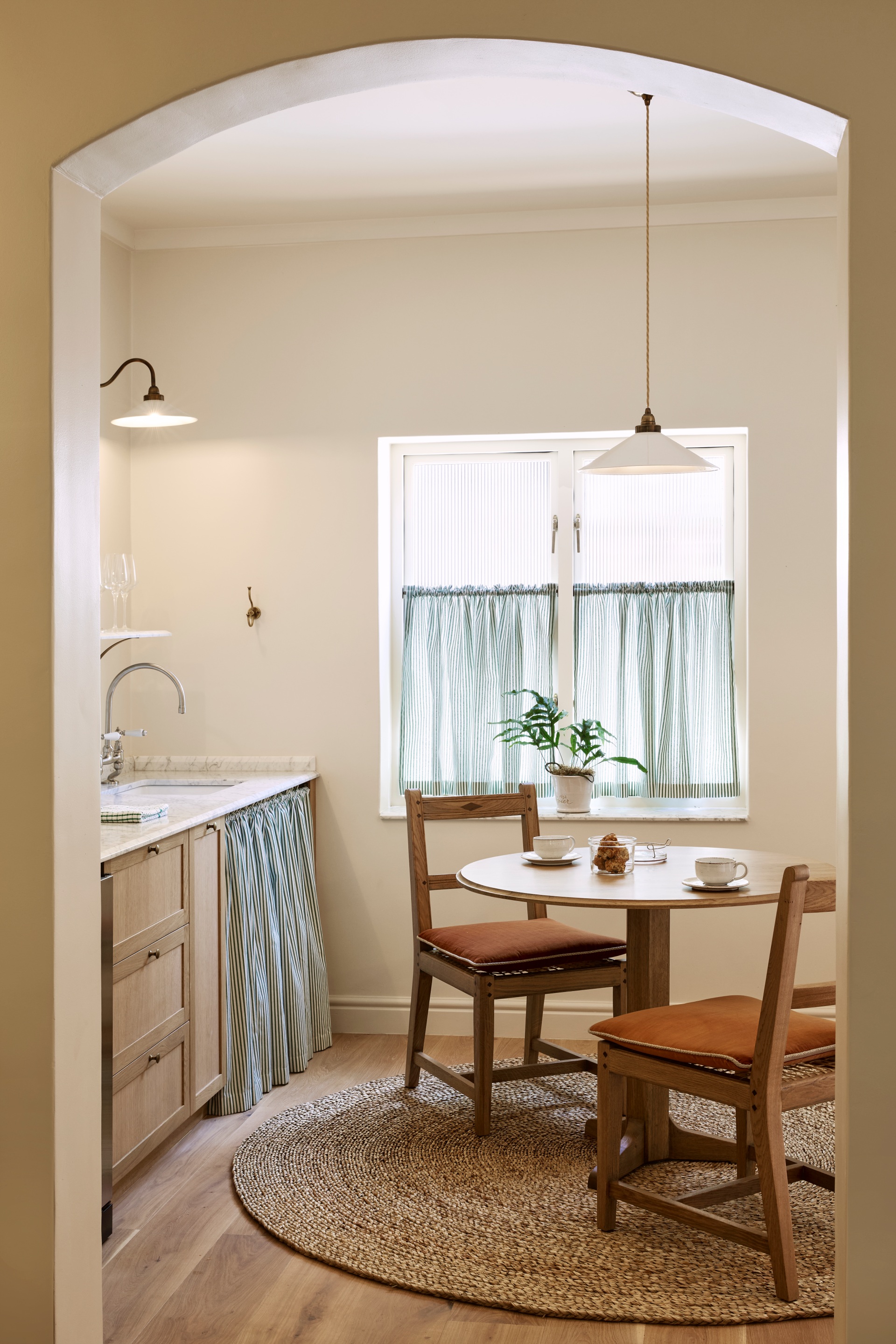
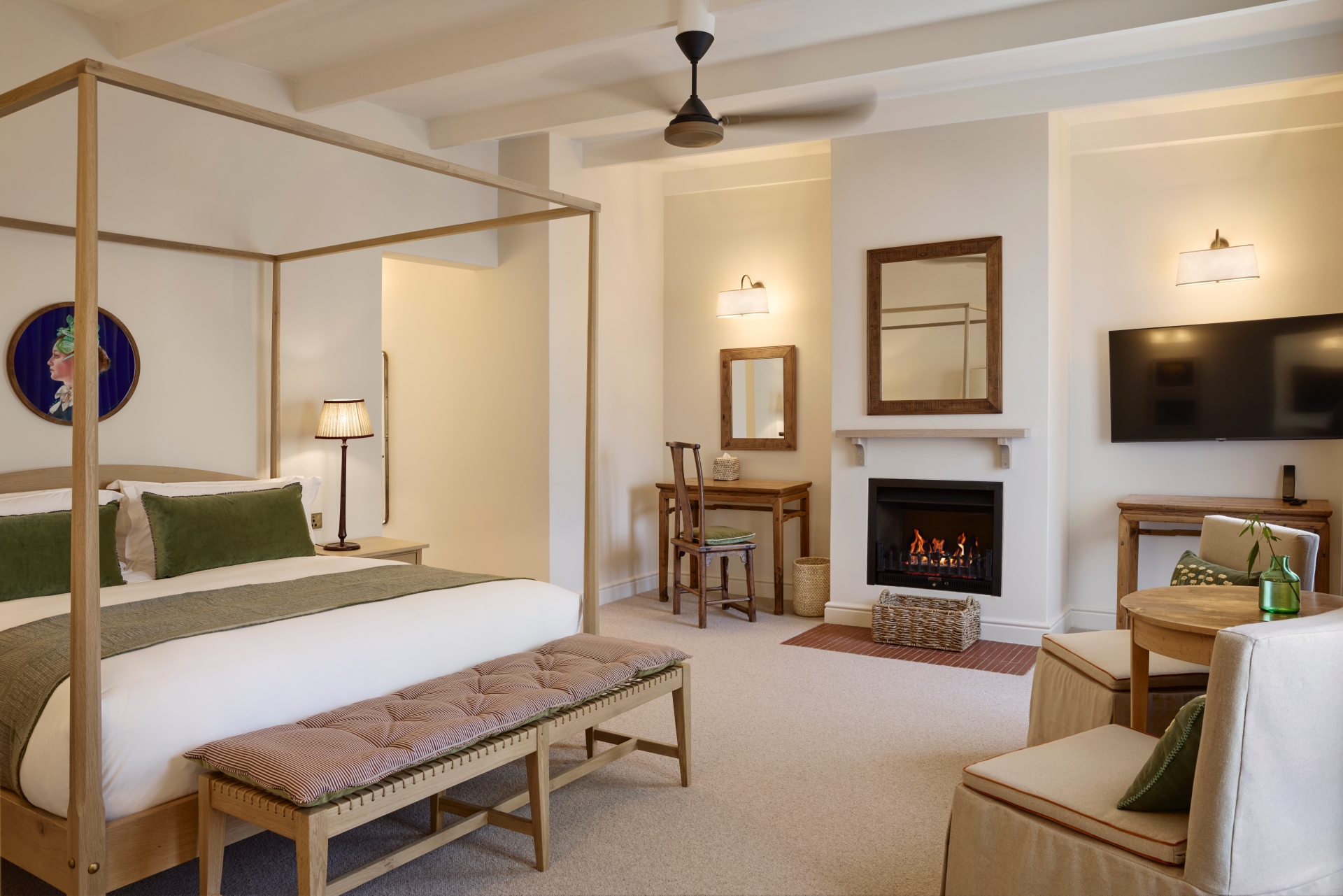
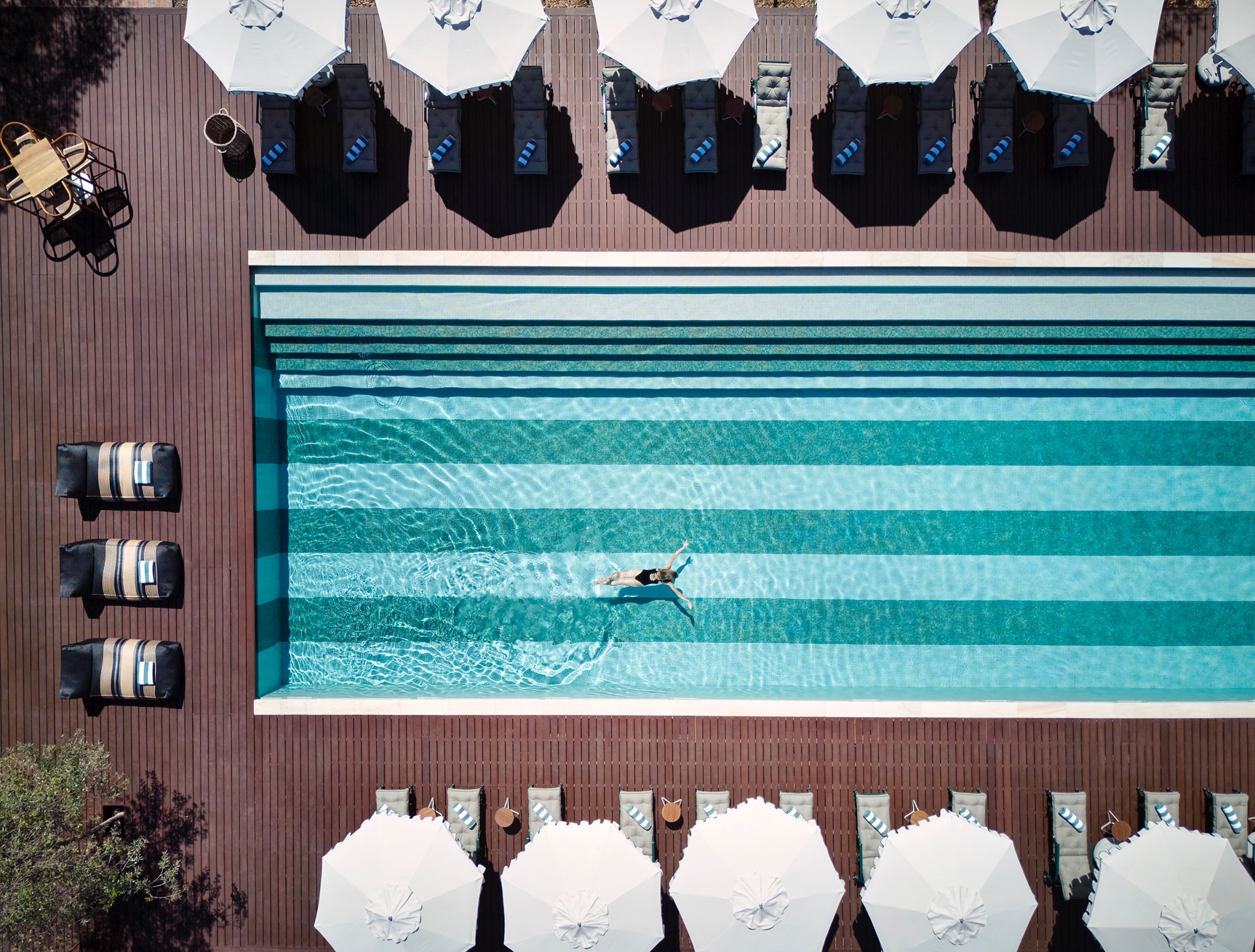
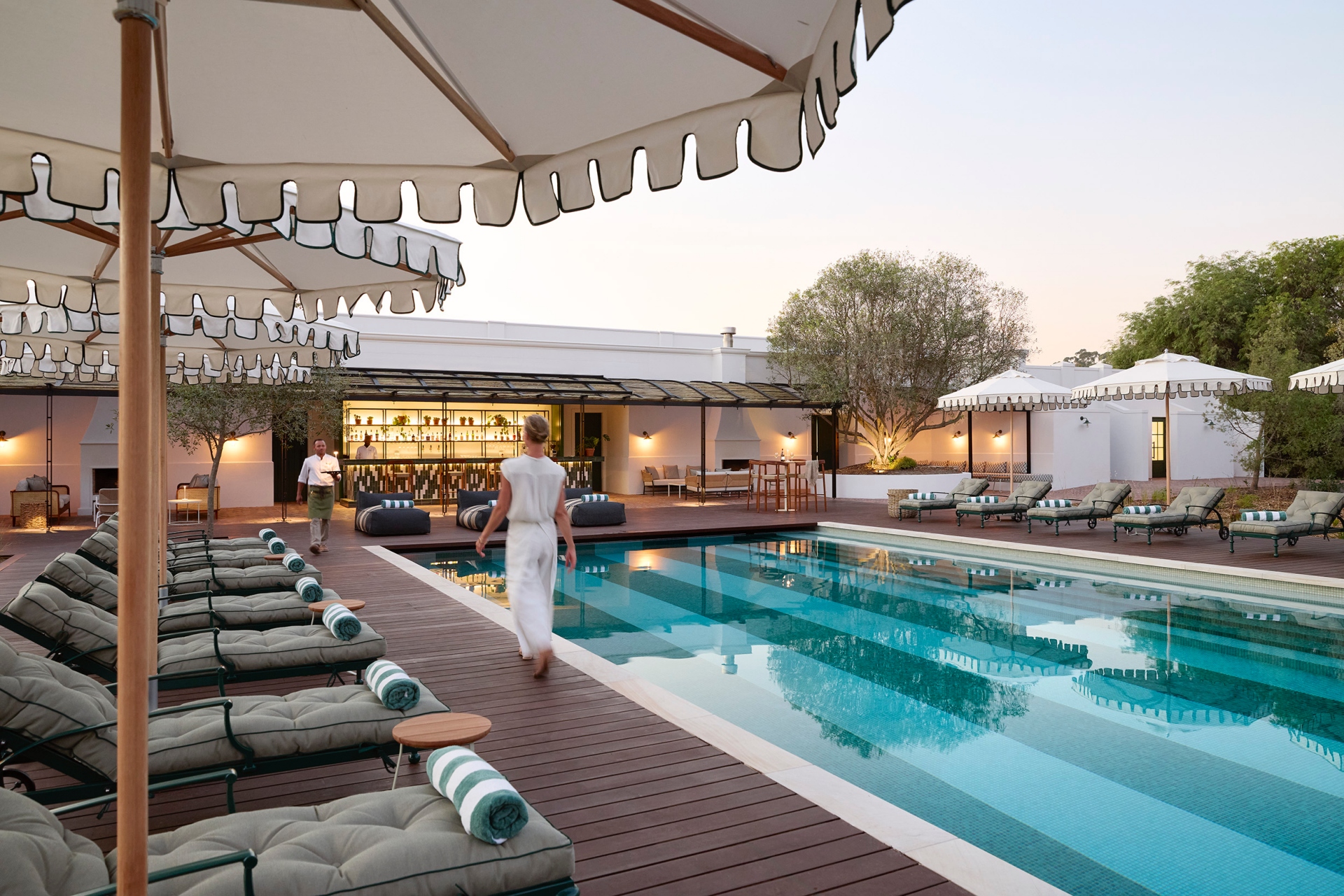
The hotel's redesign reflects this same restraint. Conceived as a contemporary village threaded through gardens and vineyards, it brings together a collective of South African creatives - from the public space reconfiguration by Fusion Design and Architecture to the interiors by Marguerite and Armand Louw. The result is calm and grounded. There is no theatricality here; the lobby flows into intimate bar and lounge spaces that encourage lingering, and even the pool sits quietly within the planting, an extension of the landscape rather than a statement piece.
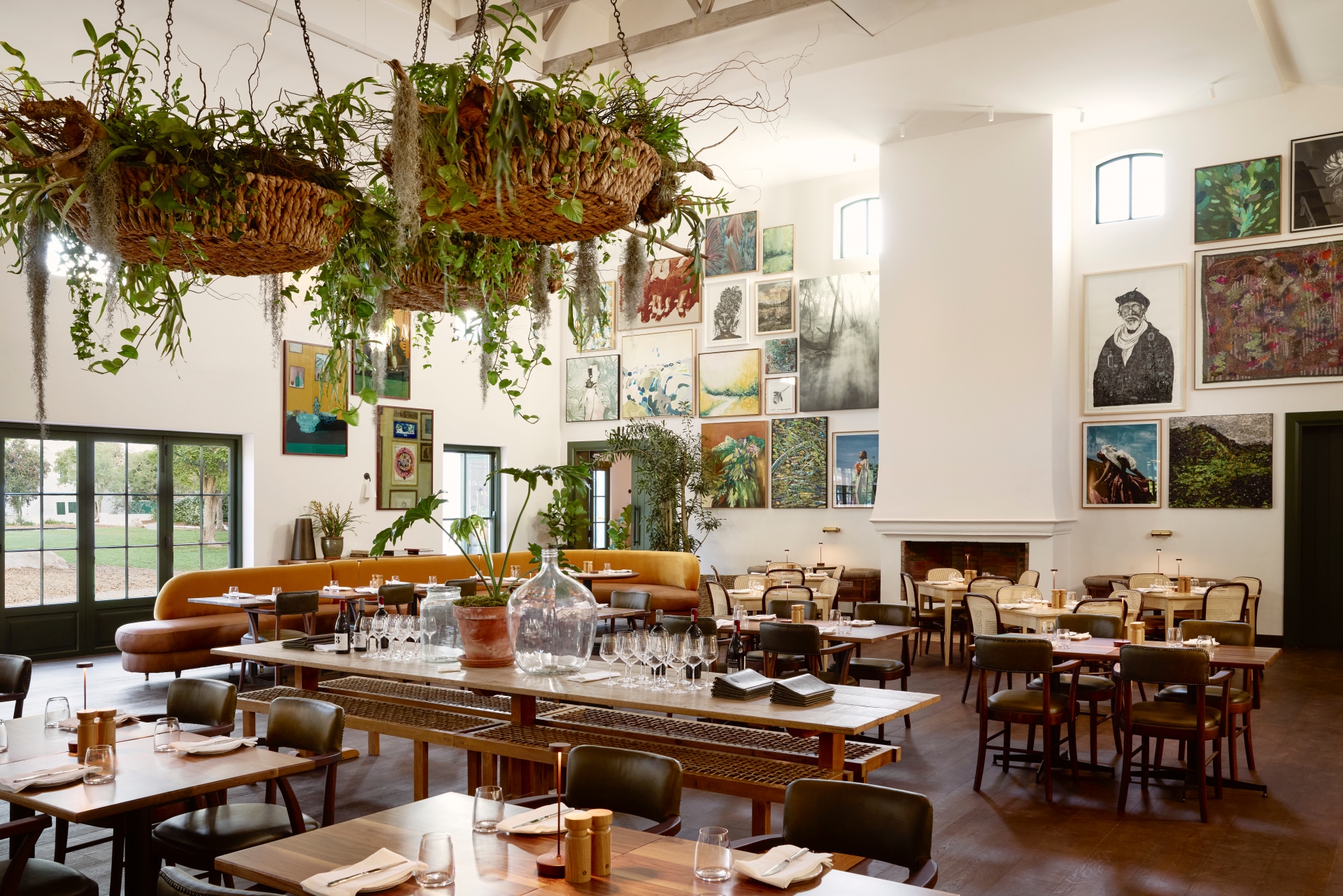
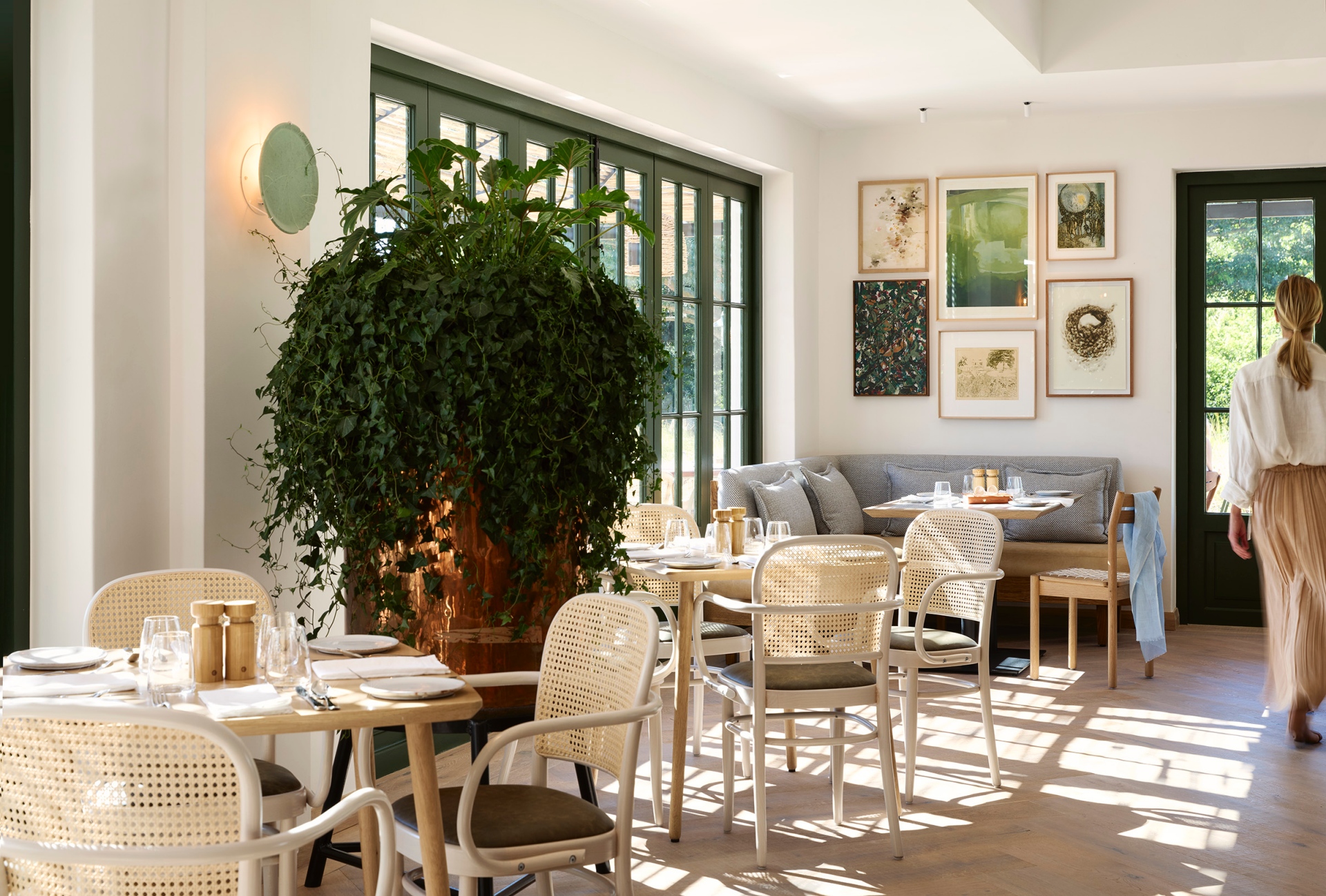
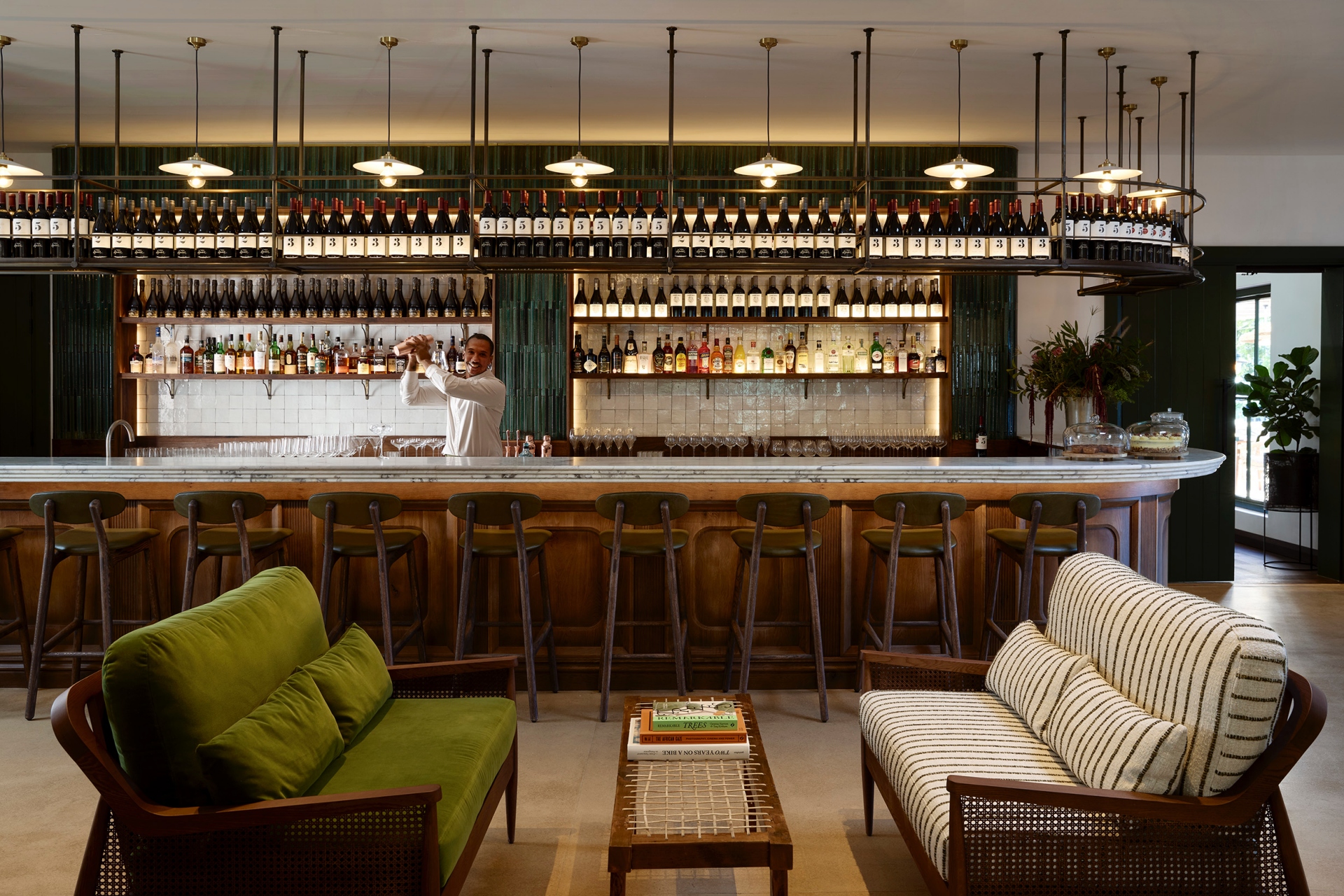
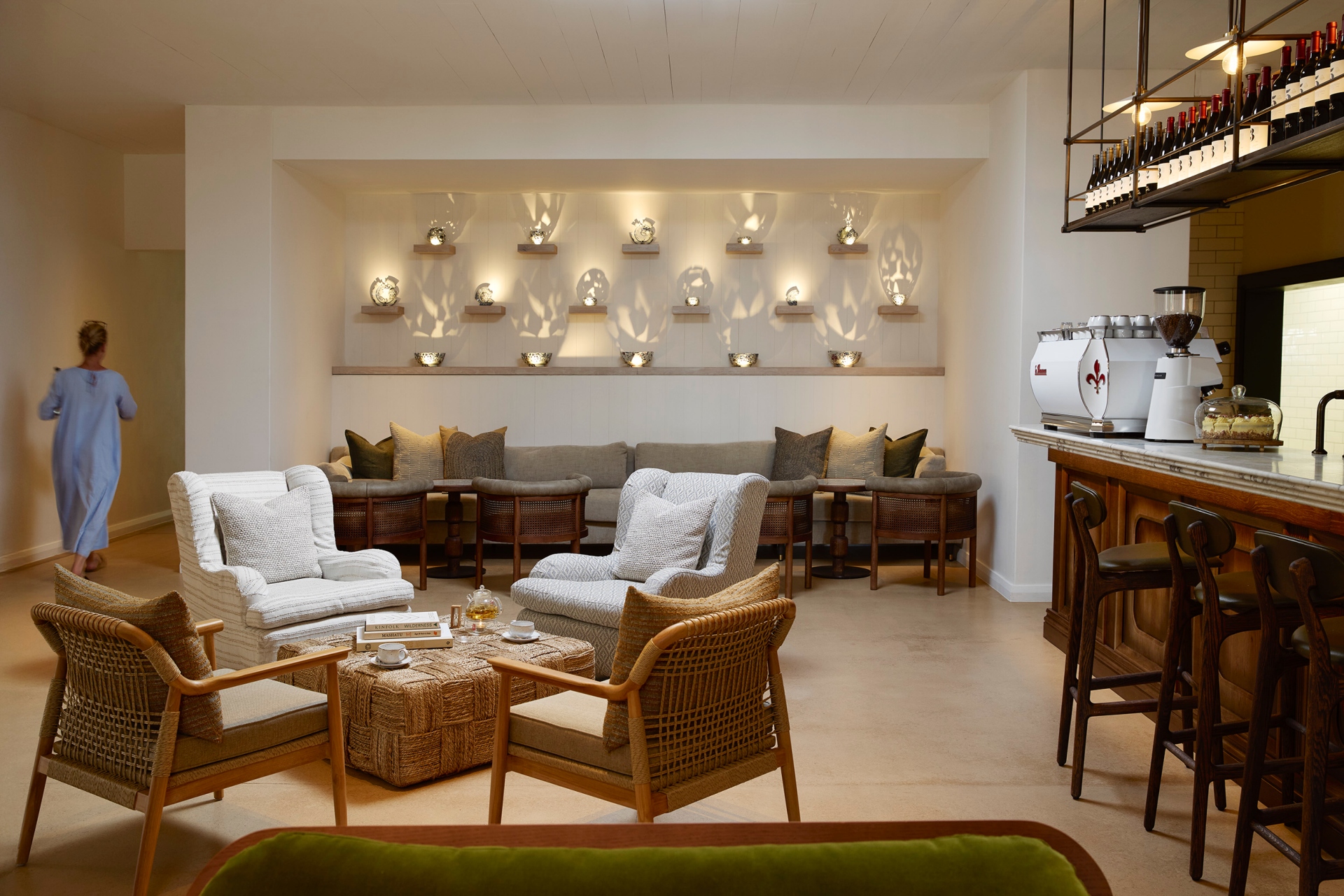
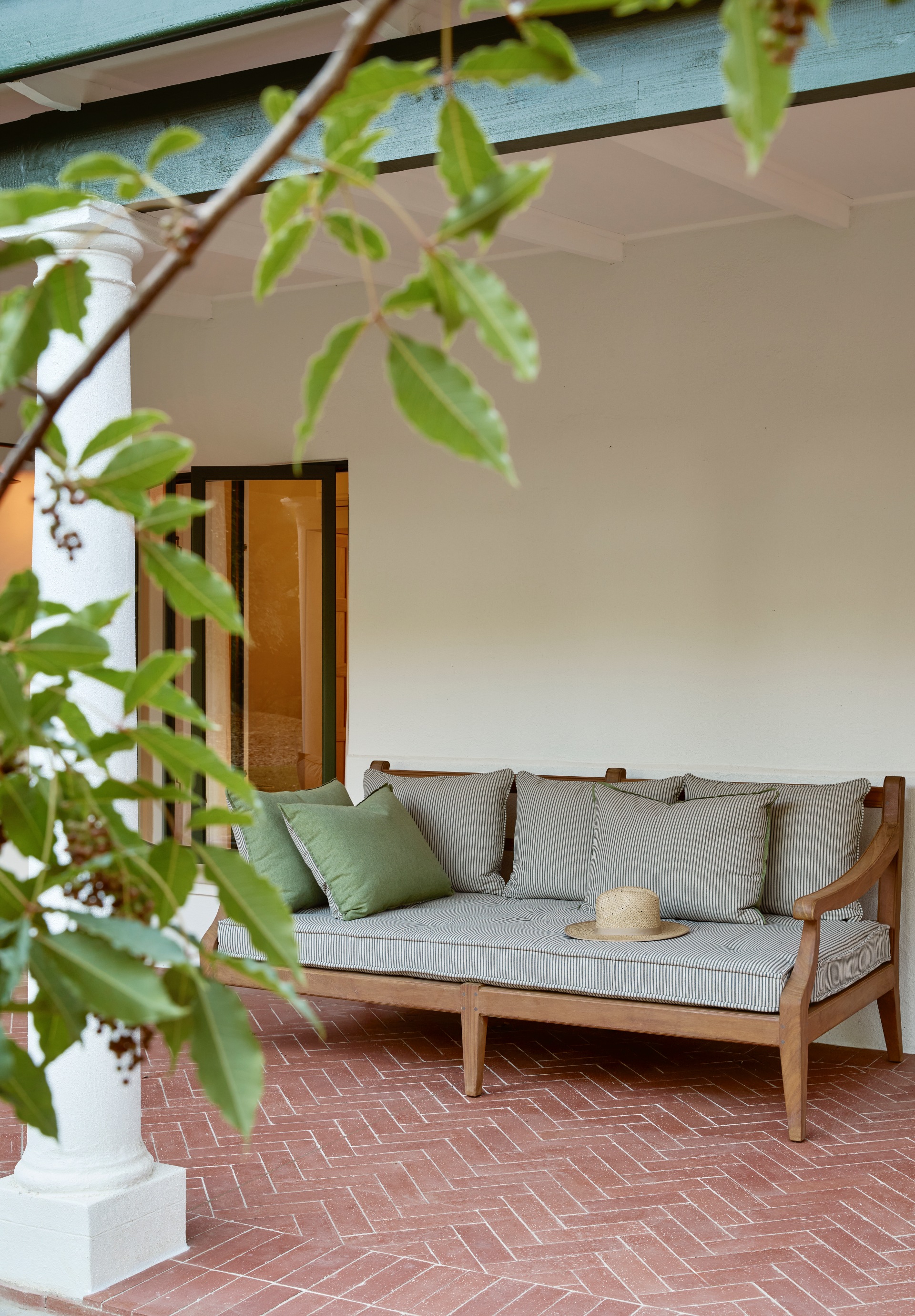
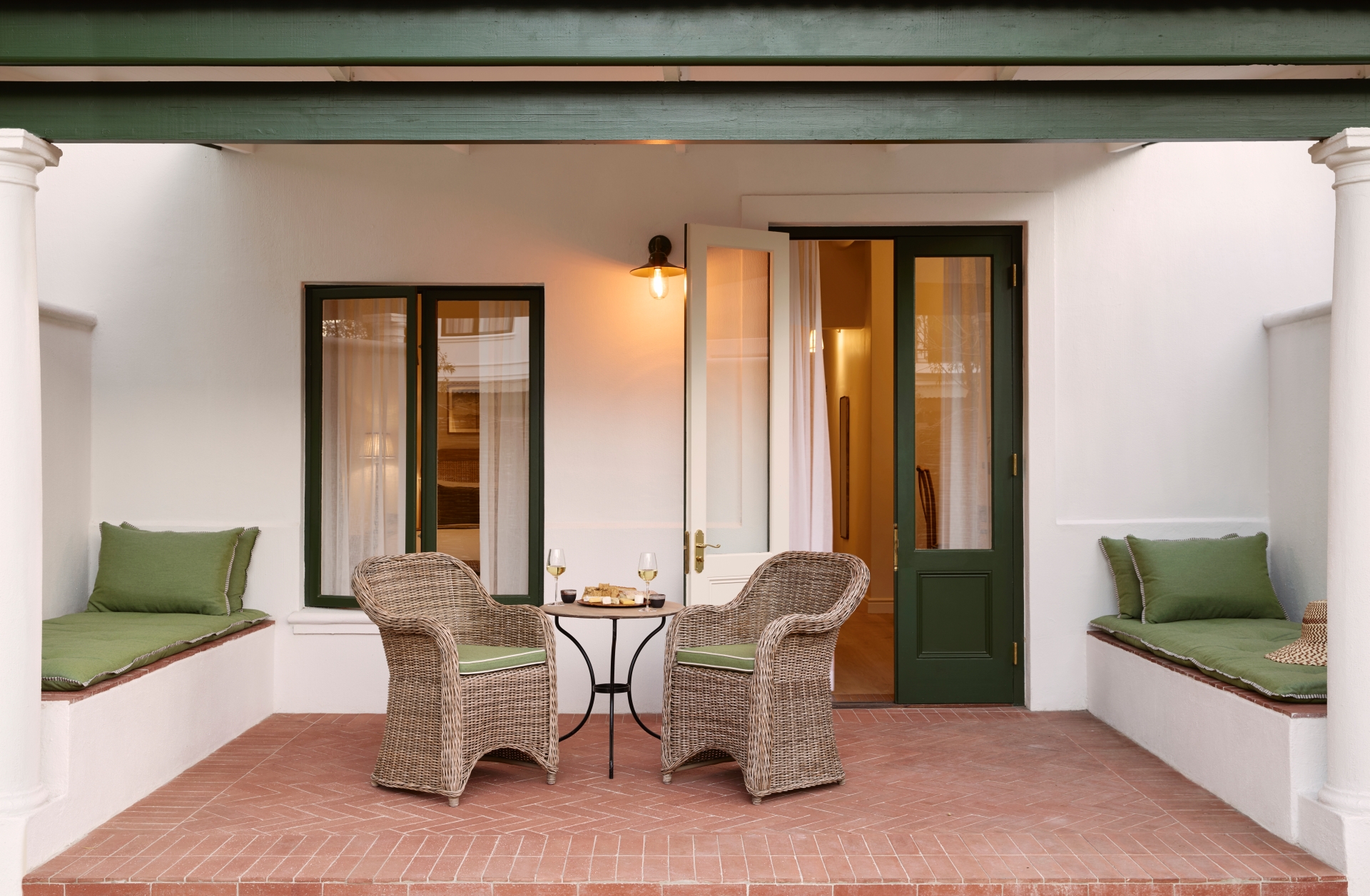
The newly introduced villas, designed by Jacques Erasmus with architecture by Paul Luck of Lightspace, eschew exclusivity for a sense of belonging. They feel like private homes immersed in the estate’s rhythm.
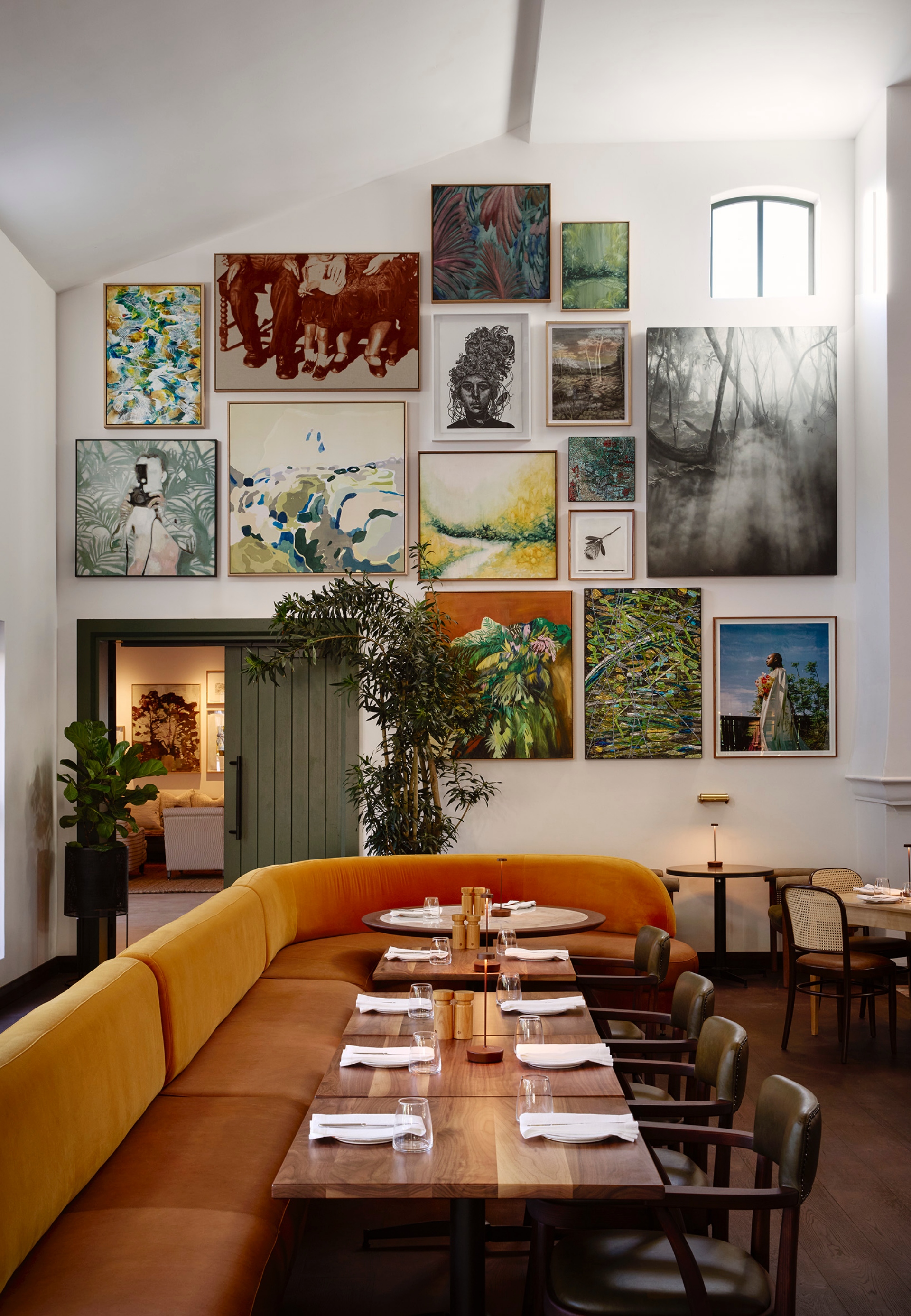
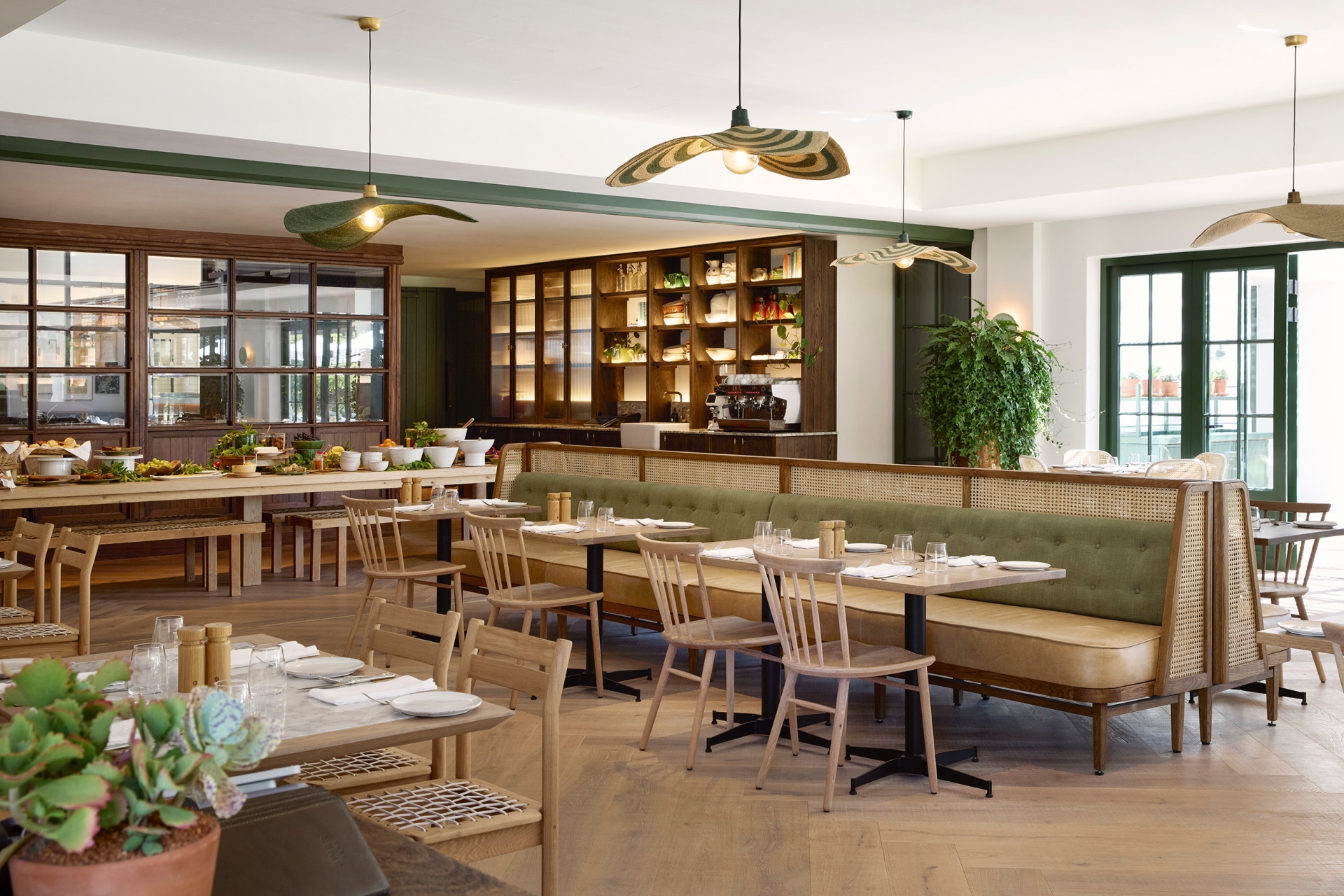
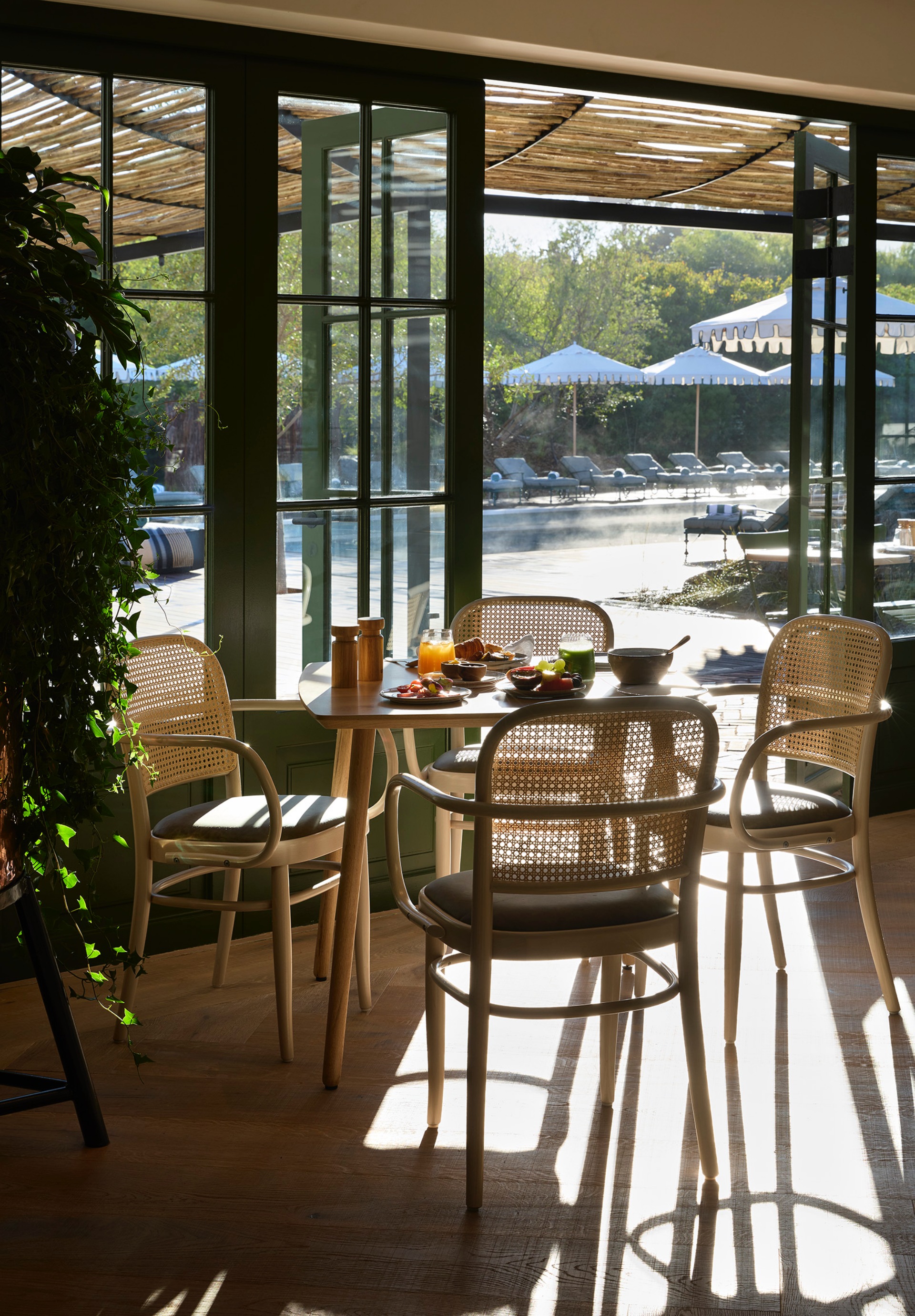
Breakfast the next morning offers a similar clarity: a long harvest table laden with produce grown metres away. Along one wall, glass vessels hold single stems, each tagged with what is currently flowering. It is an evocative reminder of the circularity at work—the land producing, being interpreted through art, and then reappearing in the rituals of the Bath House.
Owner Mariota Enthoven speaks of "slowing down and being nourished in all ways." At first, it sounds like standard hospitality parlance. By the time I leave, the scent of herbs still lingering on my skin, it feels like a literal truth.
Beyond the vineyards, the ducks continue their patrol. The landscapes continue their slow process of regeneration. At Spier, everything, eventually, leads back to the land.