
PODCAST
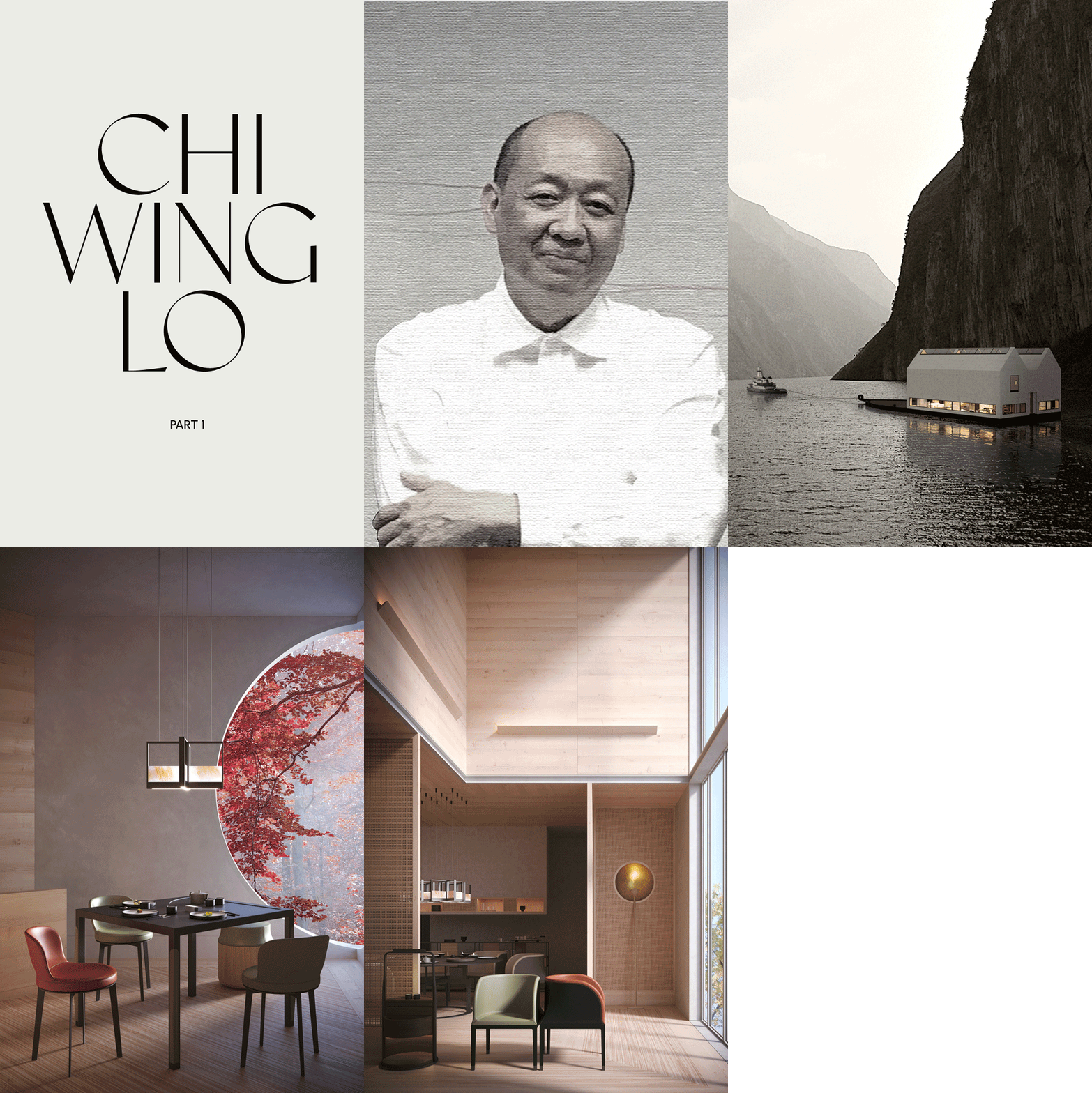
CHI WING LO: THE ARTIST WHO TEACHES US HOW TO LIVE AND ALLOWS US TO SELF REFLECT
LISTEN NOW


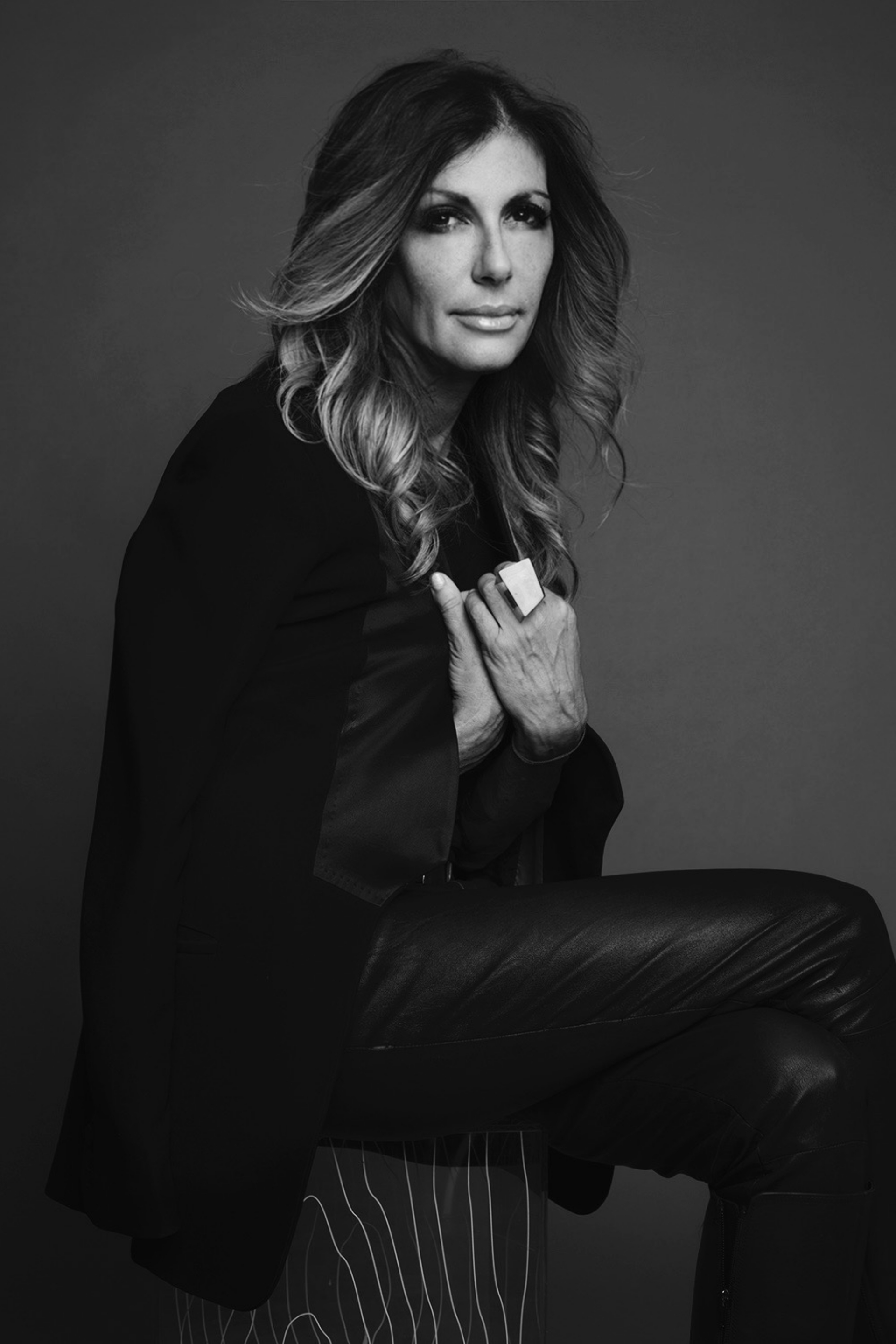
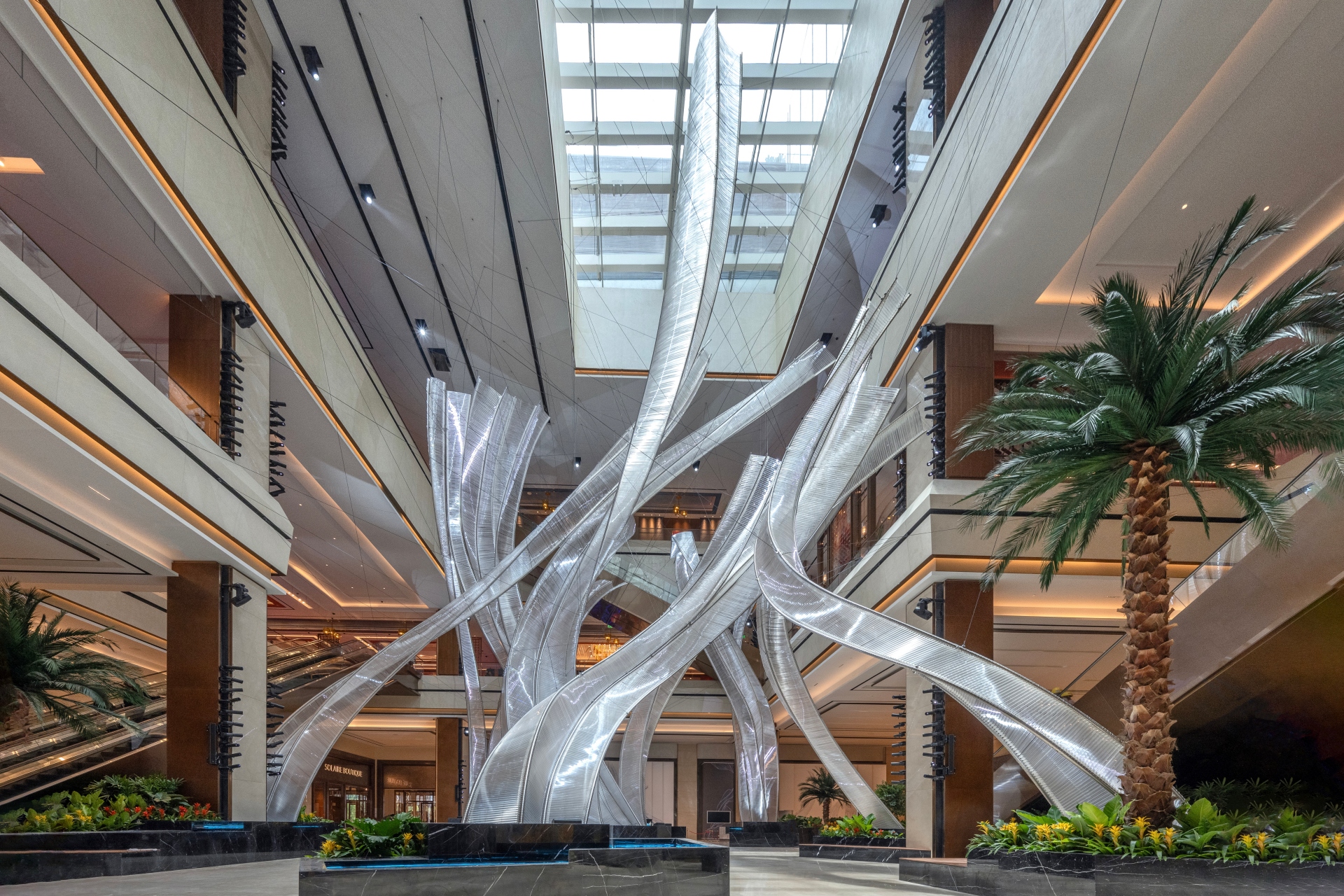
Habitus Design Group is a luxury interior design and advisory studio specialising in world-class integrated resorts, luxury hospitality, and high-end residential projects. Under the leadership of Samantha Drummond, Habitus brings over 30 years of expertise in hospitality and refined design, with an extensive portfolio spanning Asia, Europe, and Australia. Drummond has been instrumental in shaping some of the world’s most iconic destinations, including Marina Bay Sands in Singapore, Solaire Resort & Casino in Manila, Cotai Central in Macau, and Solaire North Resort, home to the world’s largest indoor glass sculpture, The Mangrove. Her dedication to excellence, refined aesthetic, and seamless project management continue to define Habitus’ reputation for delivering timeless, world-class design. Drummond’s portfolio represents over USD 35 billion in international luxury projects, where her strength lies in translating ambitious visions into exceptional realities, ensuring every project embodies innovation, timelessness, and operational excellence. We speak to this female force to discover her passions, her process and what’s next for the company.
Can you chronicle the journey that led you to your career in design?
I actually started in the hospitality industry, running restaurants, bars, and nightclubs when I was younger. I was completely untrained and never had any formal aspirations to be a designer; it just evolved because I loved transforming spaces. I had a great opportunity and worked my way through. Eventually I became more interested in renovating the venues I ran, which led me to open a small interior design firm. I focused on restaurants because that was the industry I knew best. That’s how it all started.
How did your career transition into the advisory and management side of design?
I ended up taking a job in Shanghai and decided not to return to Australia. My business partner took over the Melbourne firm. While on a building site in Shanghai, Las Vegas Sands discovered me and offered me a role overseeing all design in Macau. That’s how I entered the world of advisory and design management, where I had the immense opportunity to work alongside some of the best minds in the world.
After years in advisory, what compelled you to found Habitus Design Group?
I had been an advisor for about 15 years, and while I’m a business person, the corporate advisory world wasn't my ultimate passion. I missed the creative process deeply - my passion is to create environments and opportunities. I felt I couldn't fulfill that while working for big corporations, so I decided to return to consulting and establish Habitus.
What is your approach to growing and managing your team?
We look for people who are like-minded, passionate, and invested. Whether they are young or mature, they need to believe in what we are doing. We operate without ego and no hierarchy; we’re very communicative and work together as a very family-oriented company. My passion is to grow and mentor designers, and I've even made some of my team members shareholders because I want them to grow and ultimately run the company. It’s important to appreciate and reward that level of talent and commitment.
What excites you most about working in Southeast Asia’s hospitality scene right now?
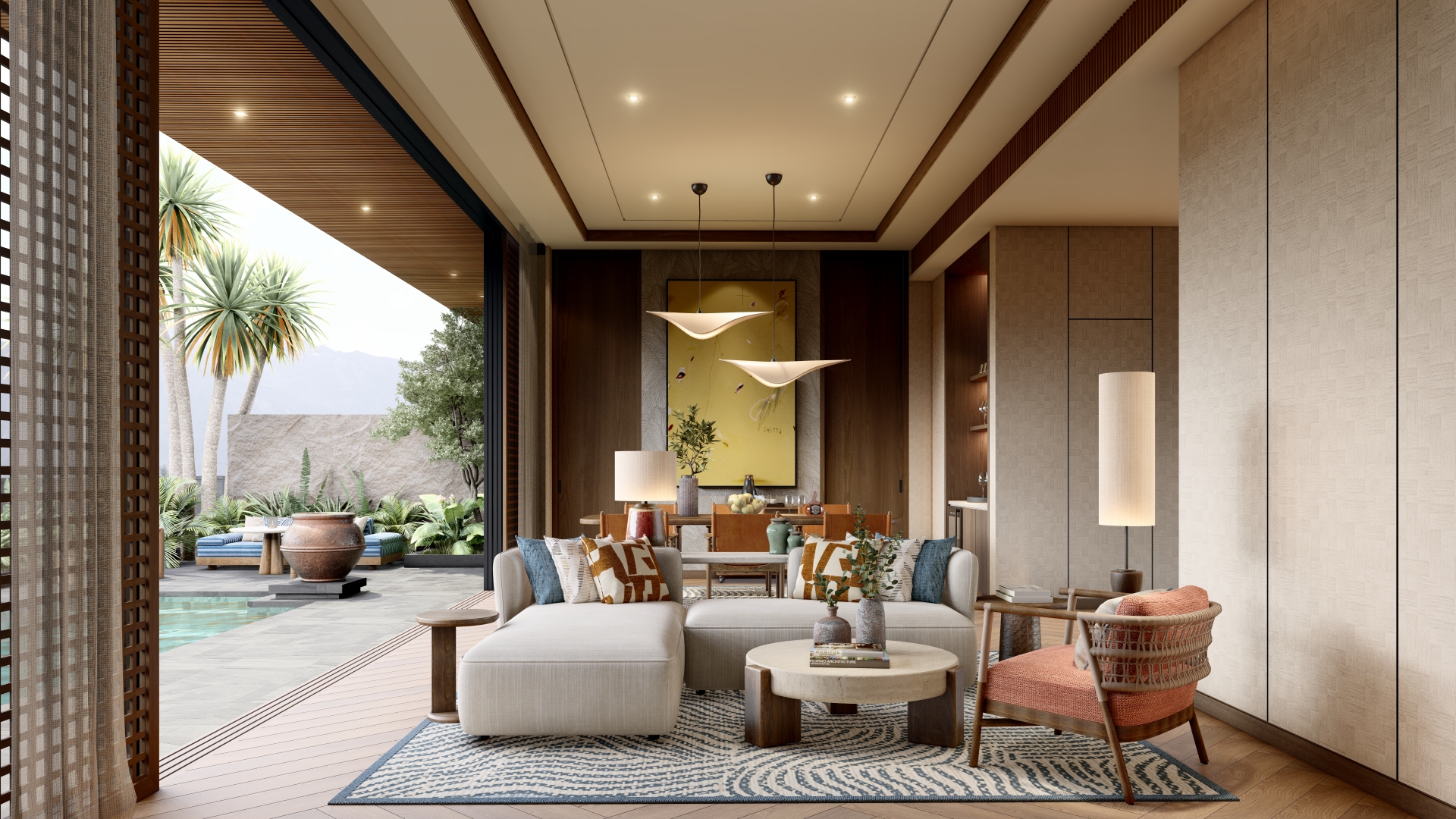
Asia is always dynamic and allows us to push boundaries with design and the type of offering. I find it culturally rich and highly competitive so it encourages us to be the best we can be. There is a lot more growth in the South East Asia market compared to other parts of the globe.
Your projects are iconic - what is the key to creating such successful and memorable spaces?
The most distinctive aspect of our process is that I have never received a formal design brief from any of my clients. The general developer comes to me and asks, "What do we do with this parcel of land?" Therefore, I have to think about the business model first - what is going to be financially successful? We start with a foundation of commercial insight and strategic thinking. You can decorate anything, but if it's not financially successful, it doesn't make you a good designer. Our success is based on making our clients a lot of money. For an integrated resort, you must consider the business model, connectivity, the guest experience, the journey, and the elements of surprise. We don’t have a signature design; my job is to interpret the client’s vision in a way that ensures a spectacular and profitable property.
What do you enjoy most about guiding younger designers as they grow into their own style?
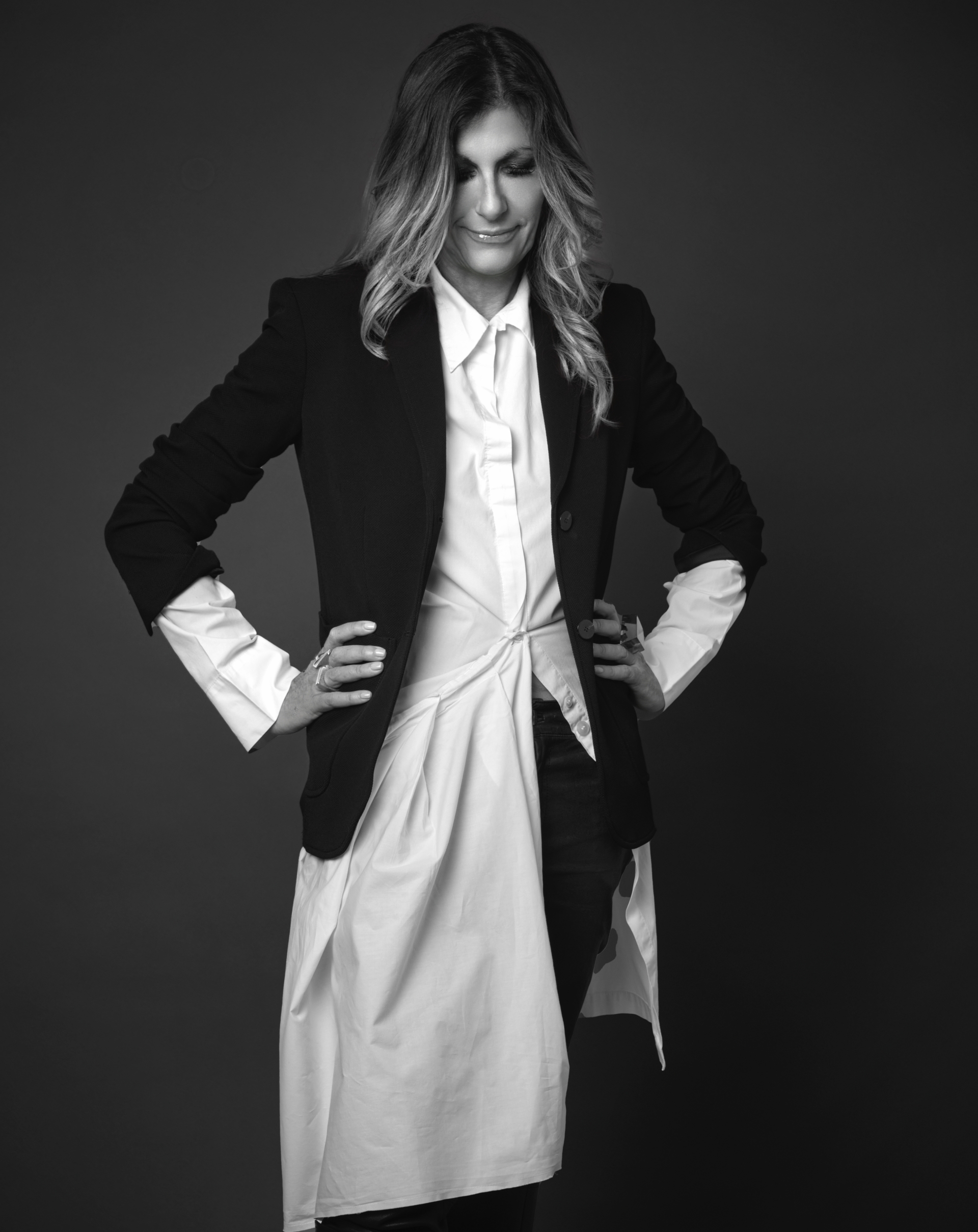
This is the main reason why I set up the firm. My passion was to always provide opportunities for younger designers, mentor them and pass on my knowledge. Many of my team would not have had the opportunity to work on luxury projects and I’m grateful I can provide these experiences to them.
You've championed talent in places like the Philippines. How do you respond to the idea that luxury design can't be executed in certain markets?
When I first started in the Philippines, many people questioned whether luxury design could be done there, often seeing the country only as a production house. I knew there was immense, artistically-inclined talent in the country. There was a lack of luxury design being done locally, and I wanted to be the one to change that perception. My first office was there, and it was important to maintain that identity and prove that if you are good at what you do, you can be based anywhere in the world.
With studios across Asia and Europe, how do you keep ideas flowing smoothly between teams?
Communication and like-minded principals - we all work together without ego and the teams are not just passionate but they are all invested in everything we design.
What new areas are you focusing on and what emerging trends are you embracing?
I'm expanding our focus to encompass the entire guest experience, beyond just the interiors. For a project like the work we are doing with Blackstone in Crown Casino, I’m involved in everything from collateral and staff uniforms to branding and concept creation. I've also started my own accessories line, as styling the space is often overlooked after we hand it over to operations. This year, I am actively steering away from generic technology in design and moving towards more authentic, spiritual, and natural experiences. People are inundated with technology every day and, on vacation, they seek a holistic and authentic experience that allows them to switch off, enjoy nature, and be with themselves. I’m also passionate about working with local artists and craftsmanship to integrate culture into the design, giving each property a unique sense of identity and ensuring cultural authenticity.
Looking back, what project has challenged you the most emotionally or creatively, and how did it reshape your perspective as a designer and leader?
Marina Bay Sands was the project that reshaped me as a person and challenged me on every level. It was complex, compelling, challenging and deeply rewarding but it took all of me and a large team to create and deliver something so complex and iconic.