
PODCAST
CHI WING LO: THE ARTIST WHO TEACHES US HOW TO LIVE AND ALLOWS US TO SELF REFLECT
LISTEN NOW


Following a successful London sale that introduced the family’s broader holdings, this Hong Kong event narrows the focus. It marks Sotheby’s first single-artist auction in Asia, featuring 15 works that span the breadth of Foujita’s output. For those familiar with the artist’s history - his rise in the Montparnasse of the 1920s, his peerage with Modigliani and Picasso, and his defining fusion of Japanese and European sensibilities - this collection offers a rare, comprehensive look at his evolution.
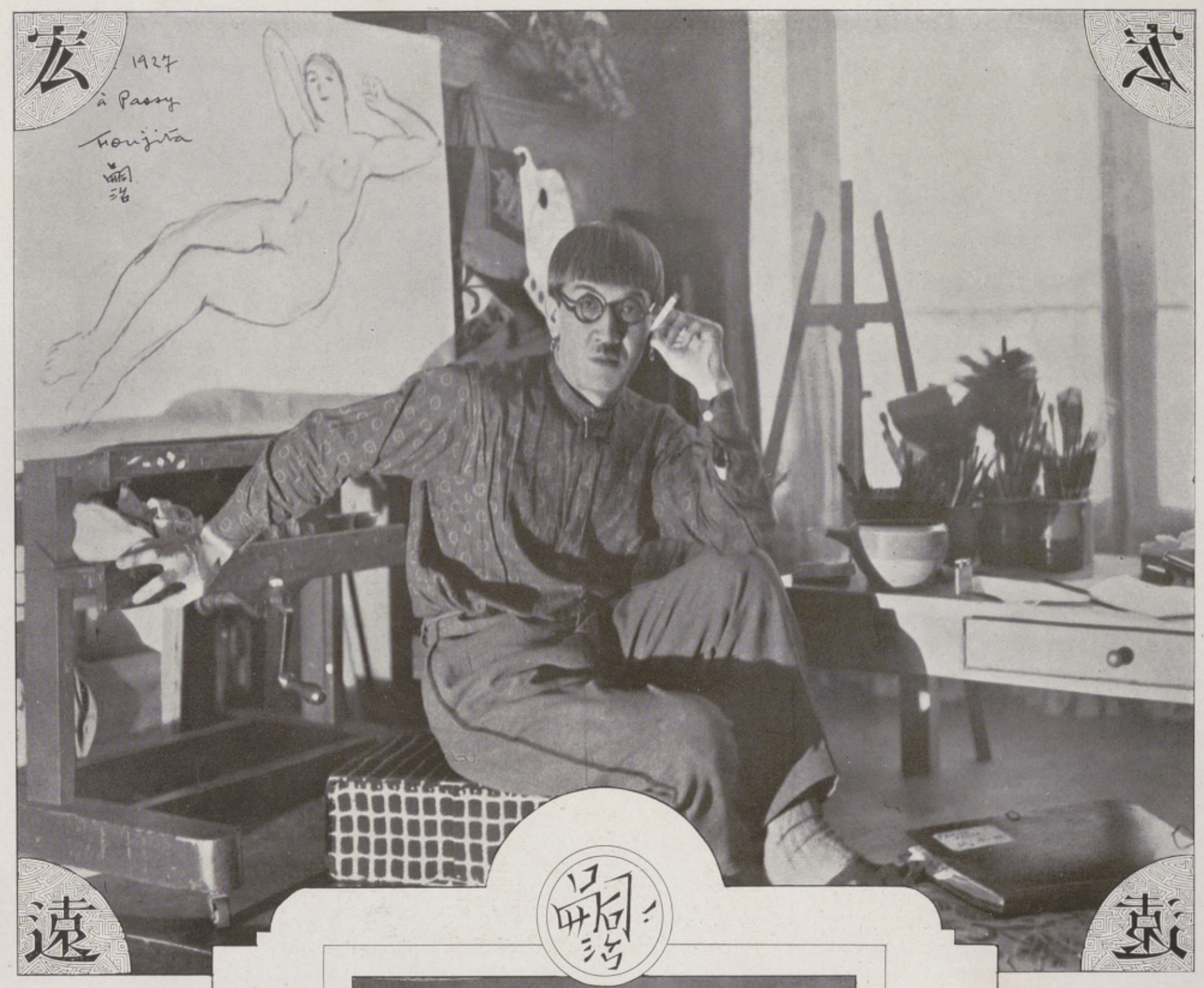
At the center of the auction is Mon portrait (1924), a definitive work from the artist’s most celebrated period. It captures the persona that became inseparable from the man: the bowl haircut, the spectacles, and the pipe. More importantly, it acts as a visual manifesto, balancing the tools of East Asian calligraphy with Western aesthetics. It is a work that captures a pivotal moment of artistic identity, executed with the restraint and precision that characterize his best work.
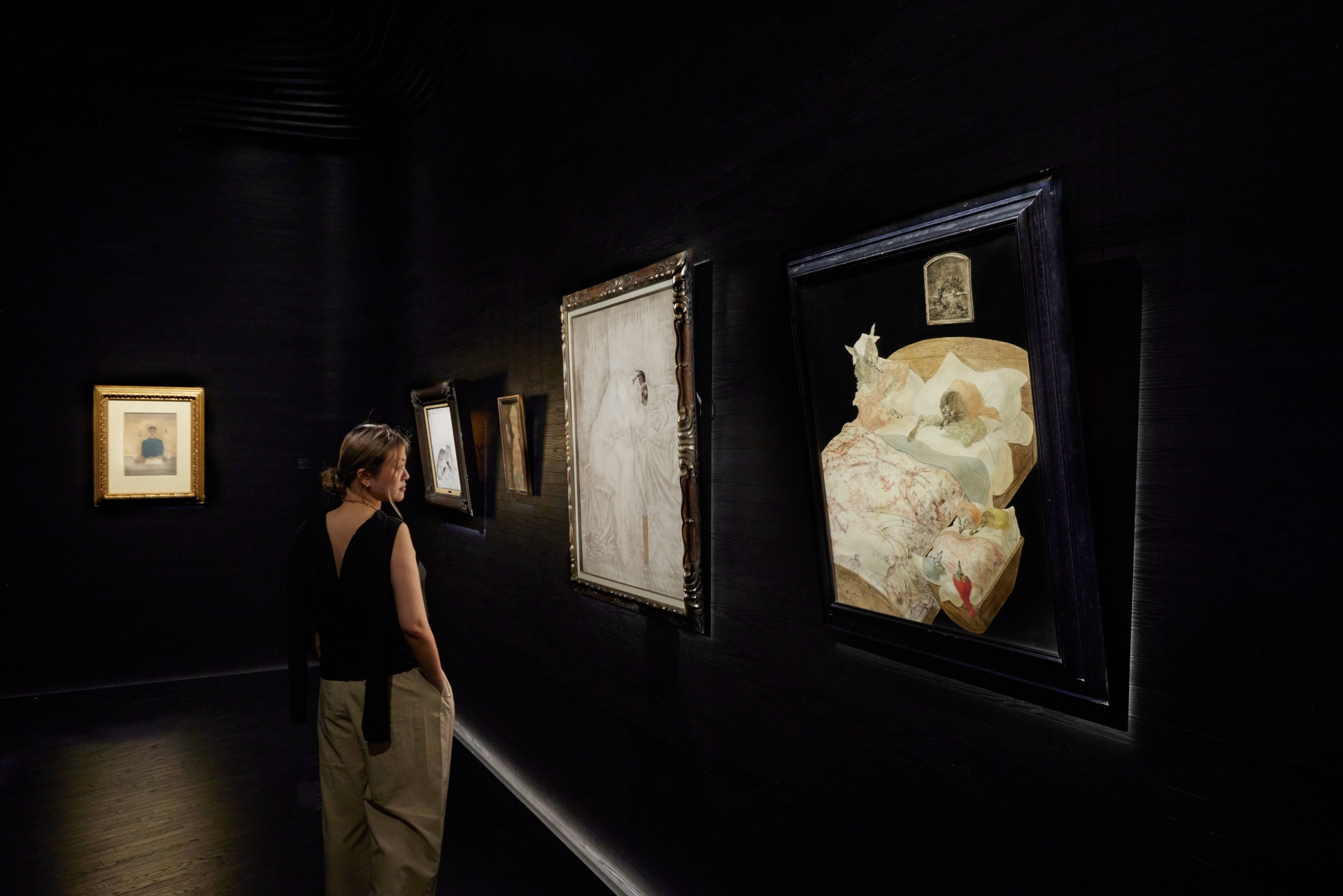
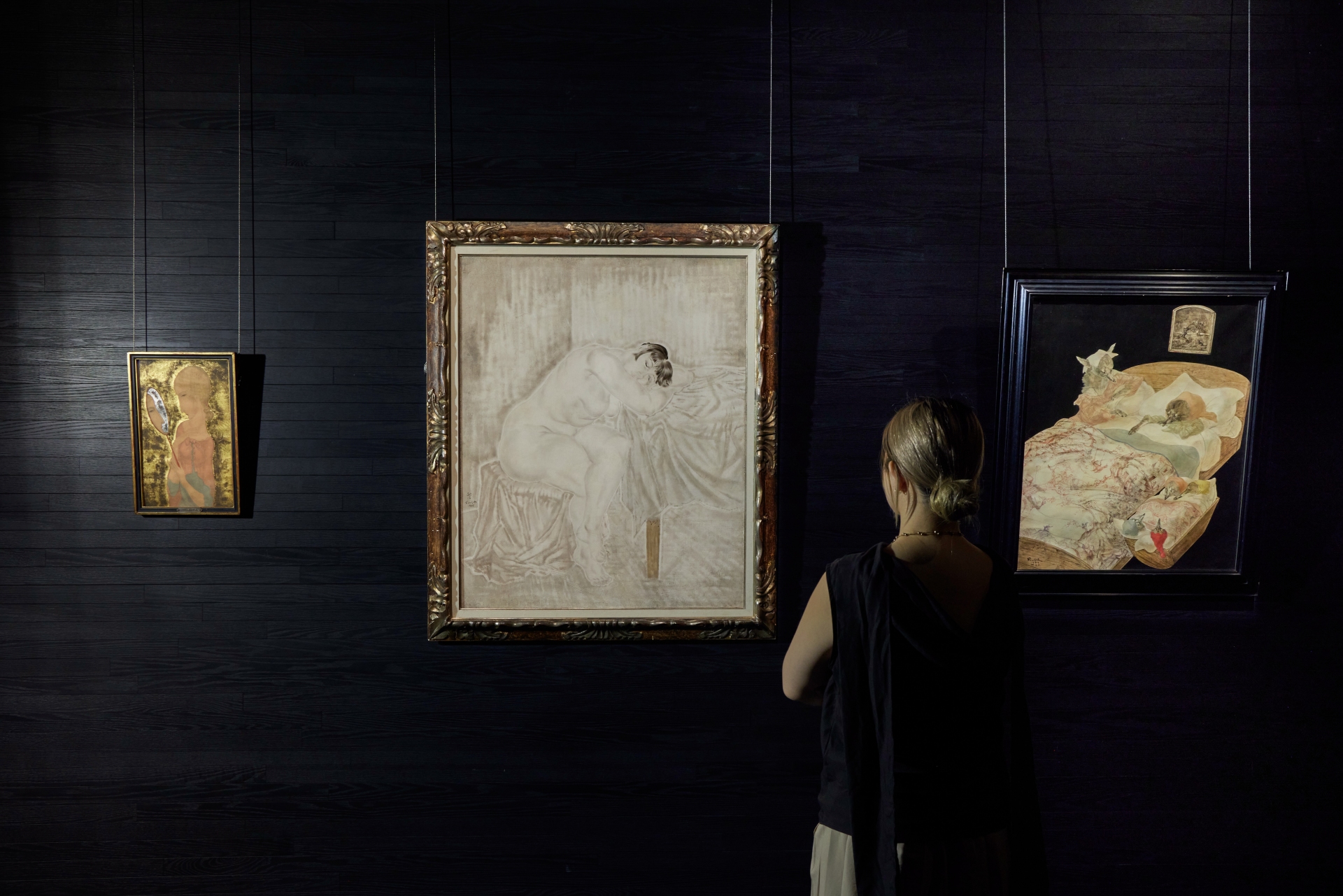
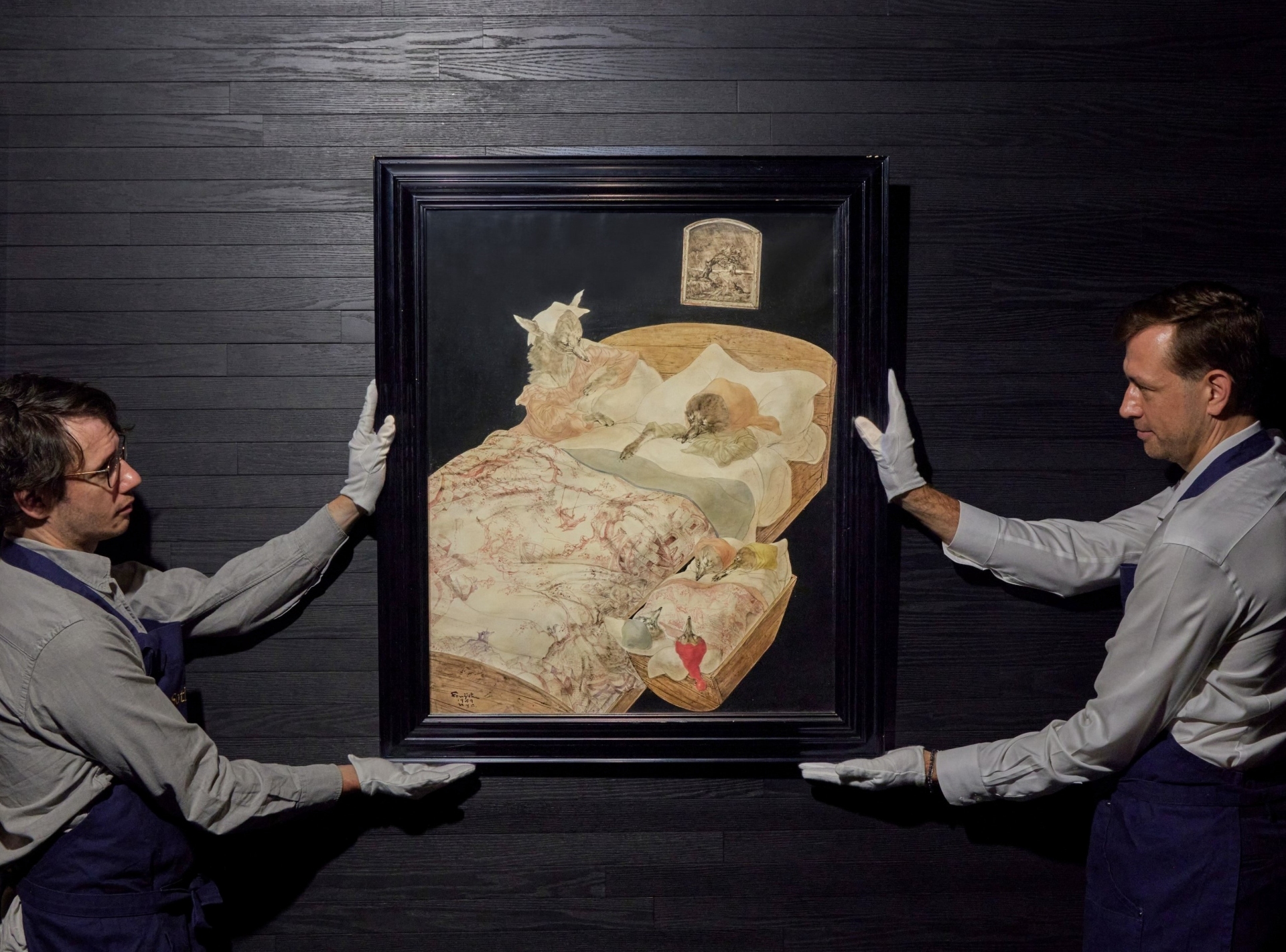
The collection also touches on the more reflective moments of Foujita’s career. Le rêve (Hommage à La Fontaine), painted in New York in 1949, offers a quieter narrative. Created during a period of professional reconstruction following the Second World War, the painting depicts a sleeping fox family with an intimacy that speaks to a search for harmony and shelter. It is one of only four works from this specific series, and its presence in the market provides a rare glimpse into a transformative chapter of the artist's life.
Beyond the headliners, the collection includes works such as Chatte et chaton (1932) and Nu assoupi sur la table (1927), which illustrate the versatility of his medium, from ink wash to oil.
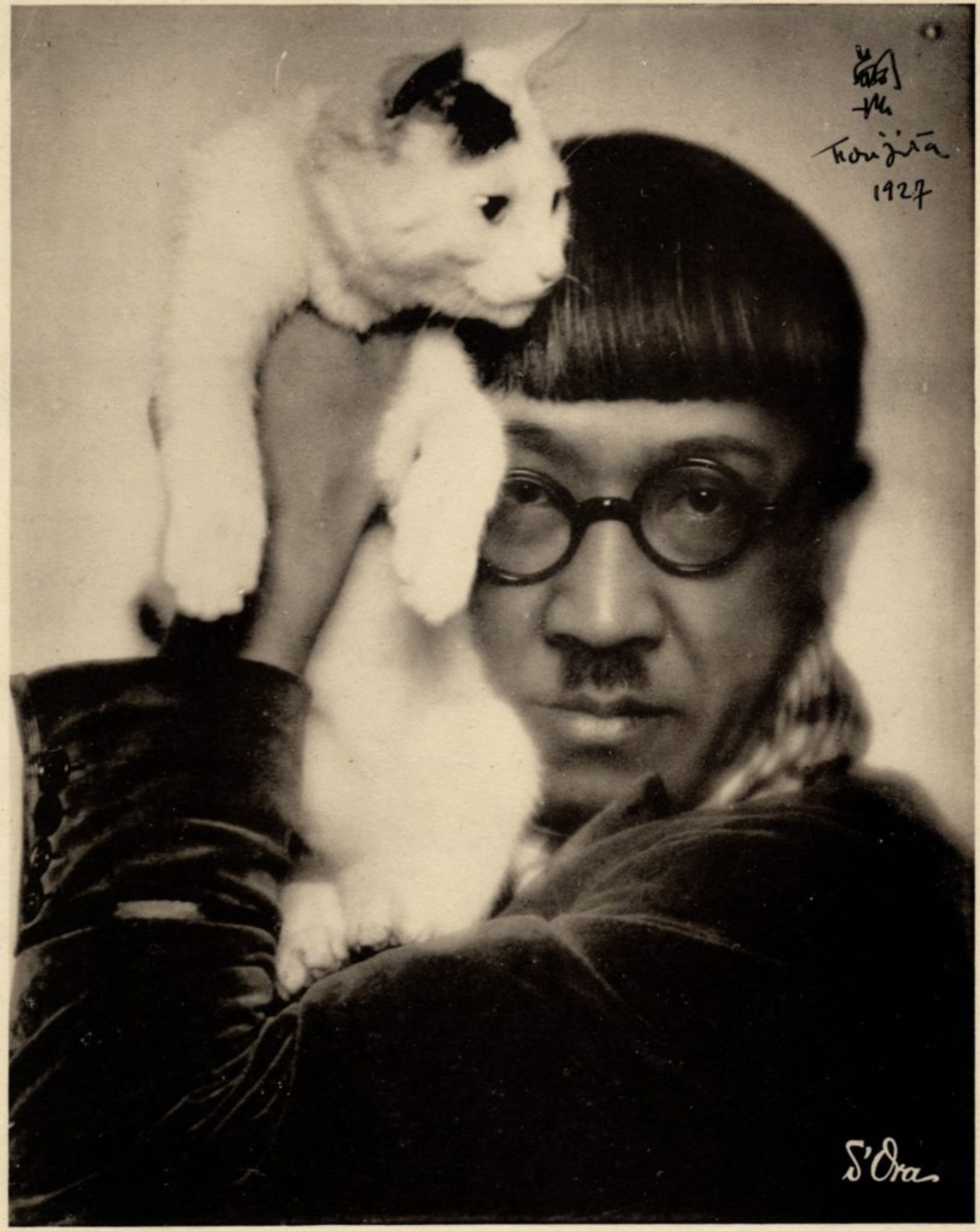
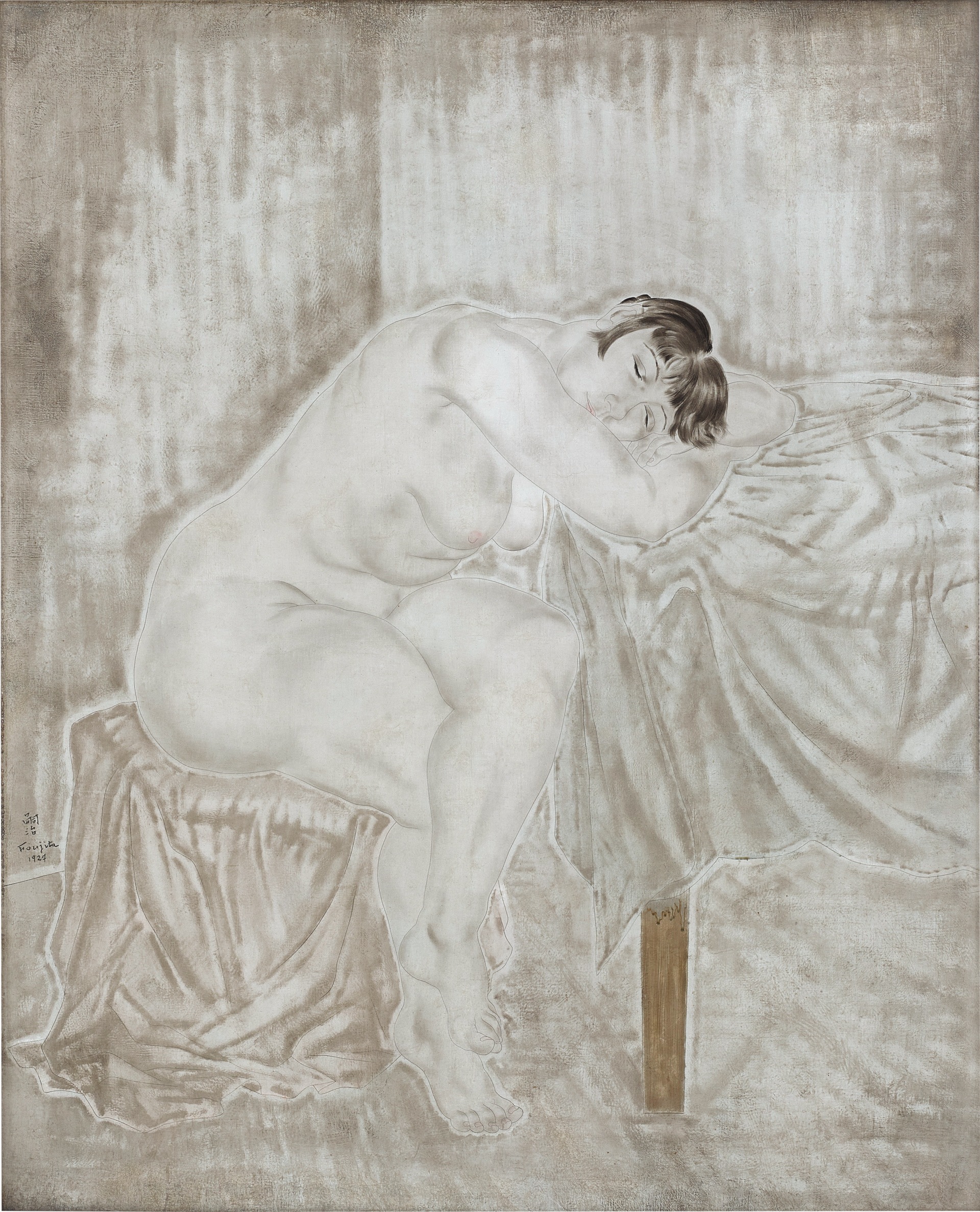
For the Lewis family, the collection began with a single acquisition in 1992 - Madeleine endormie - which set in motion a sustained engagement with Foujita’s oeuvre. Their collection is notable not merely for its scale, but for the discipline of its assembly. As the upcoming auction suggests, the result is a body of work that remains relevant, retaining a character that stands apart even when situated among his contemporaries.
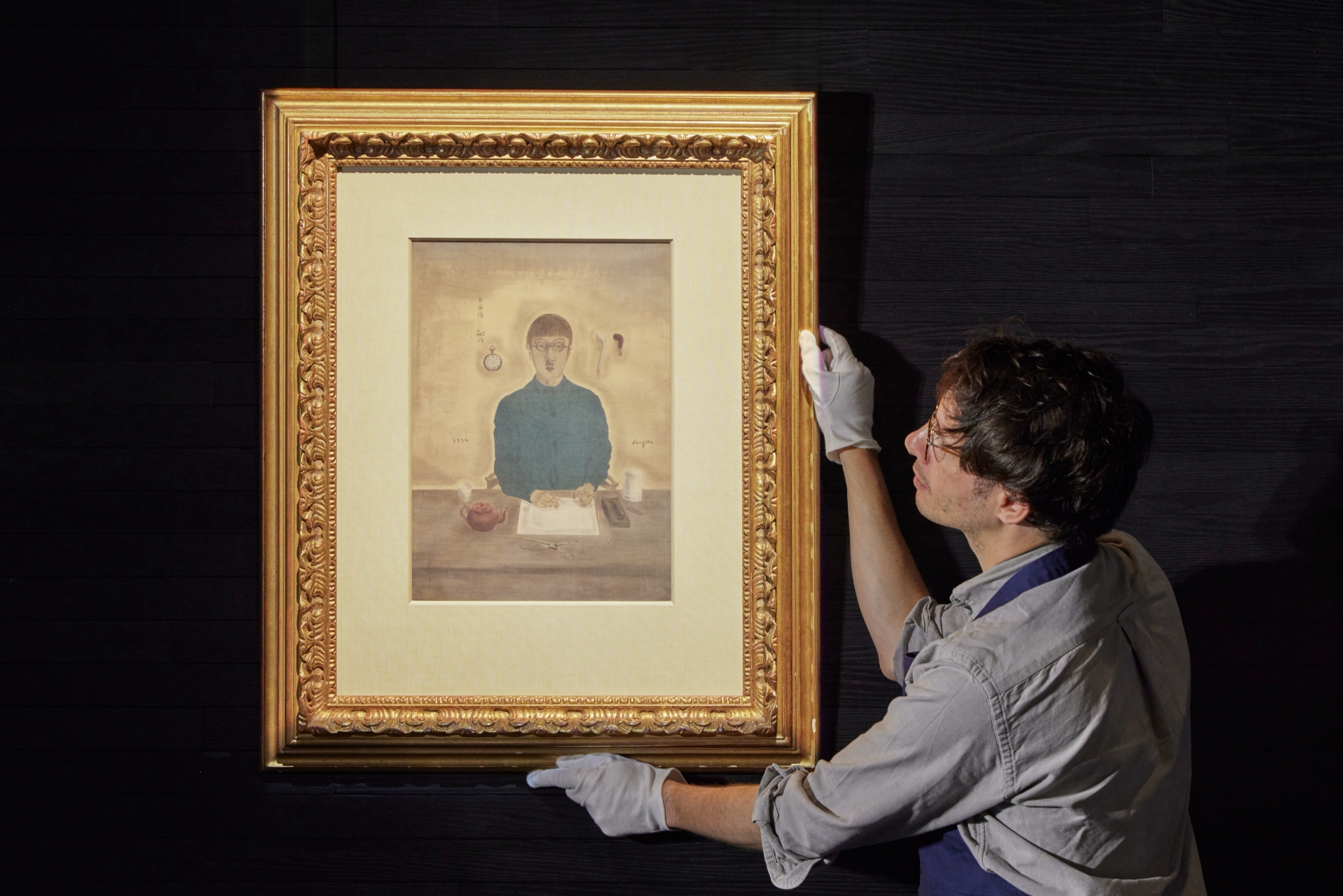
For collectors and historians, the auction offers an opportunity to engage with a career that navigated the complexities of 20th-century art with distinct clarity. It is, perhaps, a reminder of the quiet power of a focused collection—one that traces not just the history of an artist, but the depth of a family’s long-standing fascination.