PODCAST
WHAT MAKES A GOOD CONVERSATION? LOOK NO FURTHER THAN OUR ART OF THE CONVERSATION, FEATURING UNCONVENTIONAL STORIES AND PEOPLE WHO MOVE AND INSPIRE
LISTEN NOW


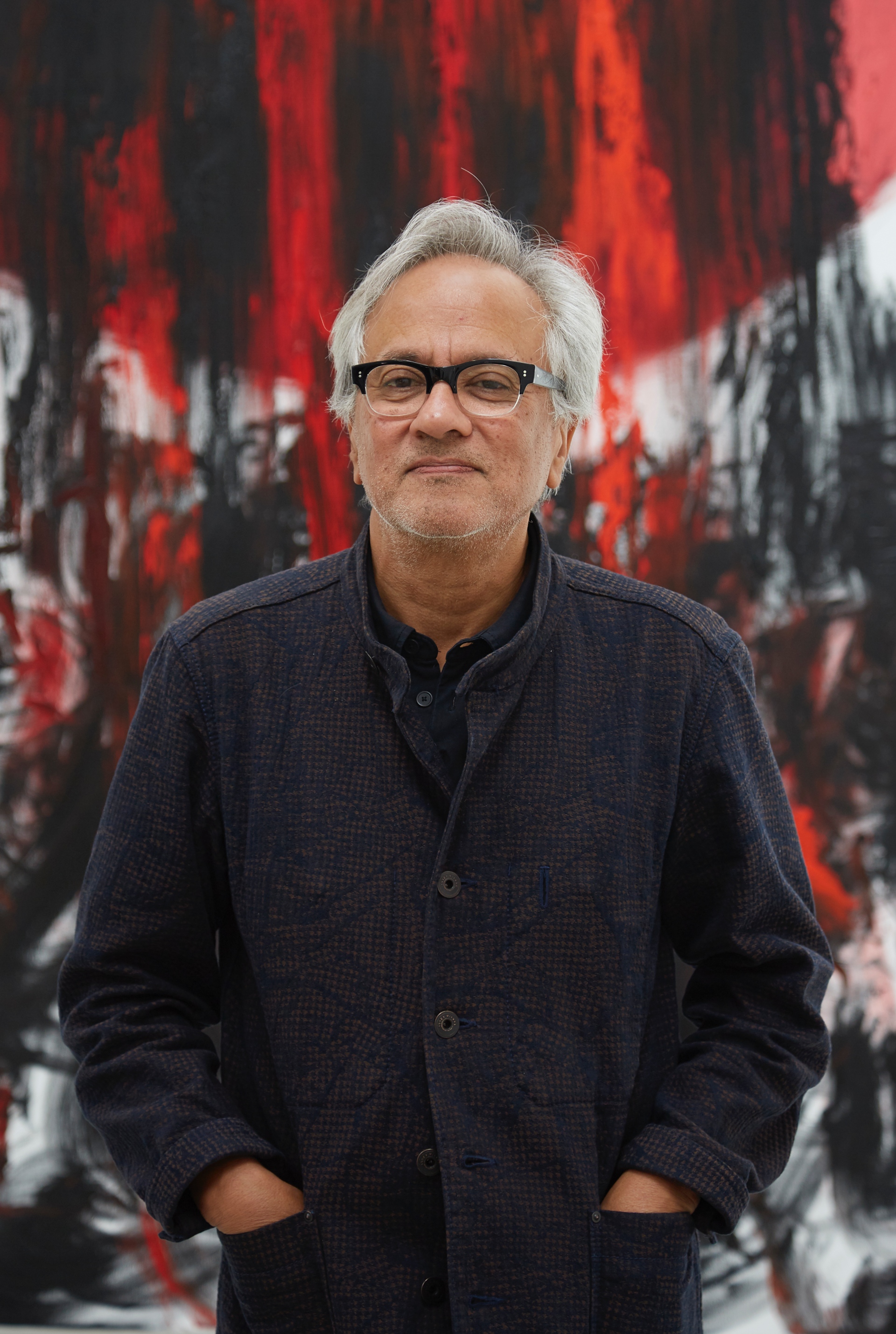
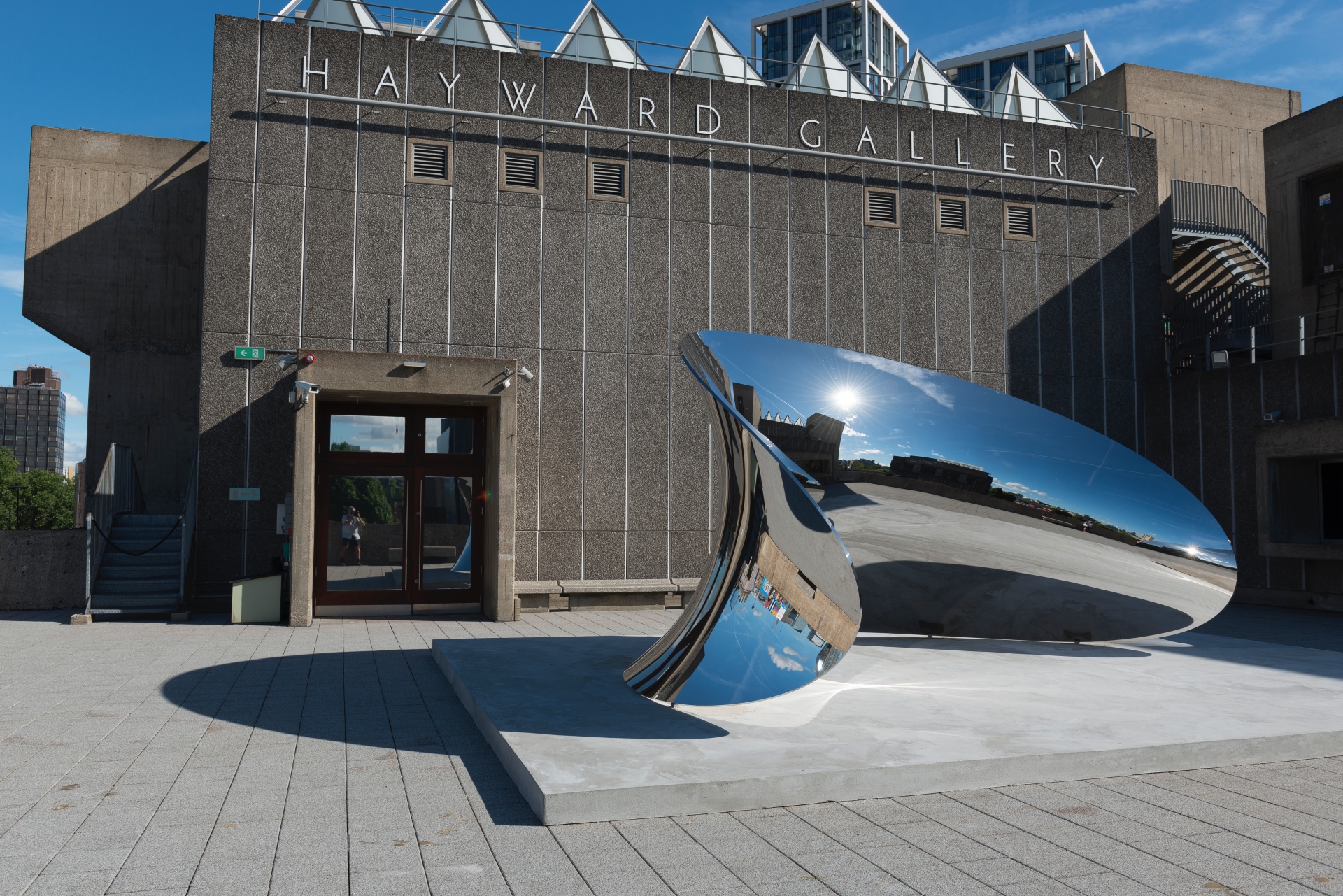
There is a rare, electric synergy when an artist meets a building that refuses to be a silent partner. At the Hayward Gallery, one of Britain’s most uncompromising Brutalist monuments, Anish Kapoor has found a collaborator. Returning nearly three decades after his last major exhibition here, Kapoor presents a body of work that feels remarkably at ease within these concrete volumes, engaging in a physical debate that is as much about the container as it is the contained.
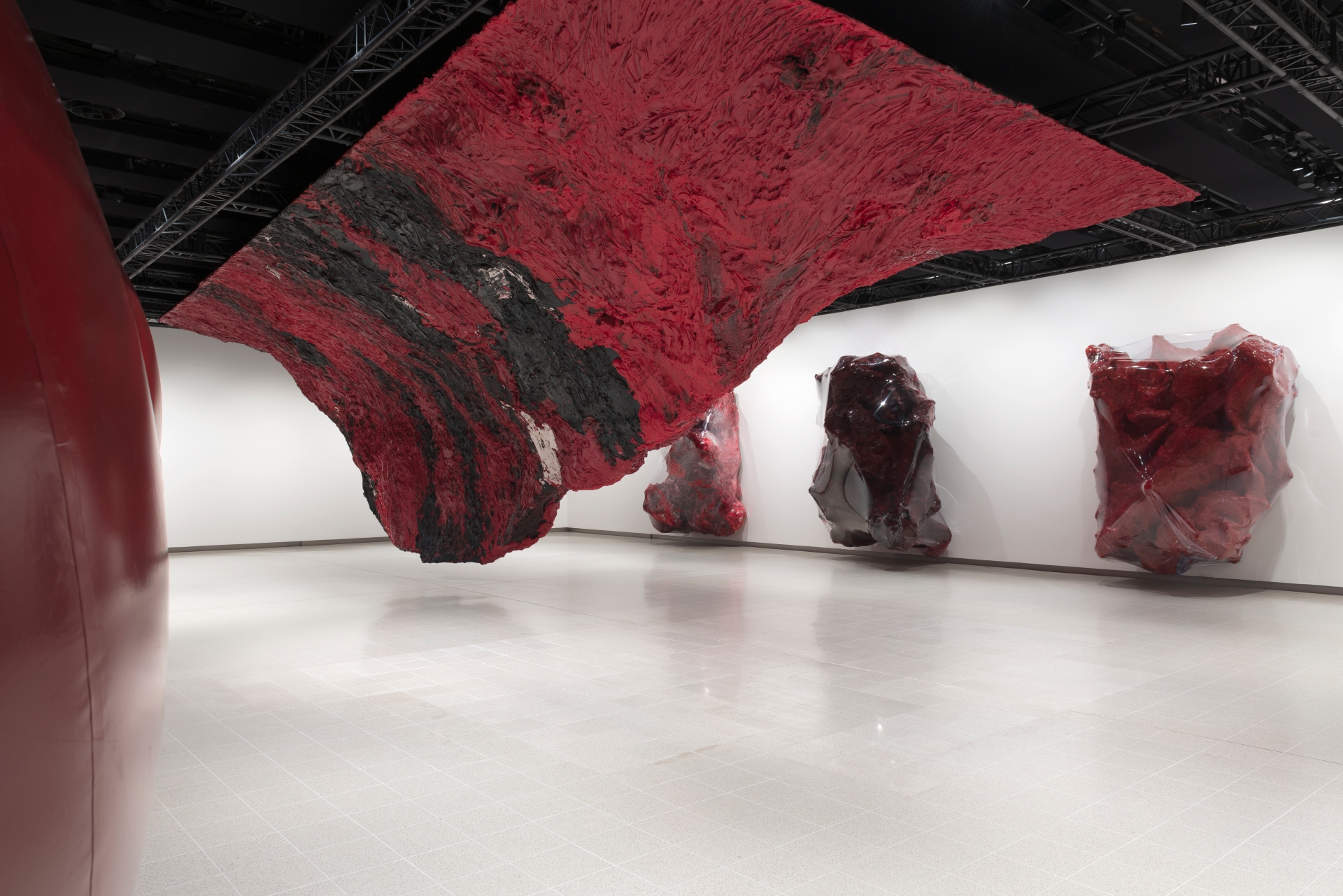
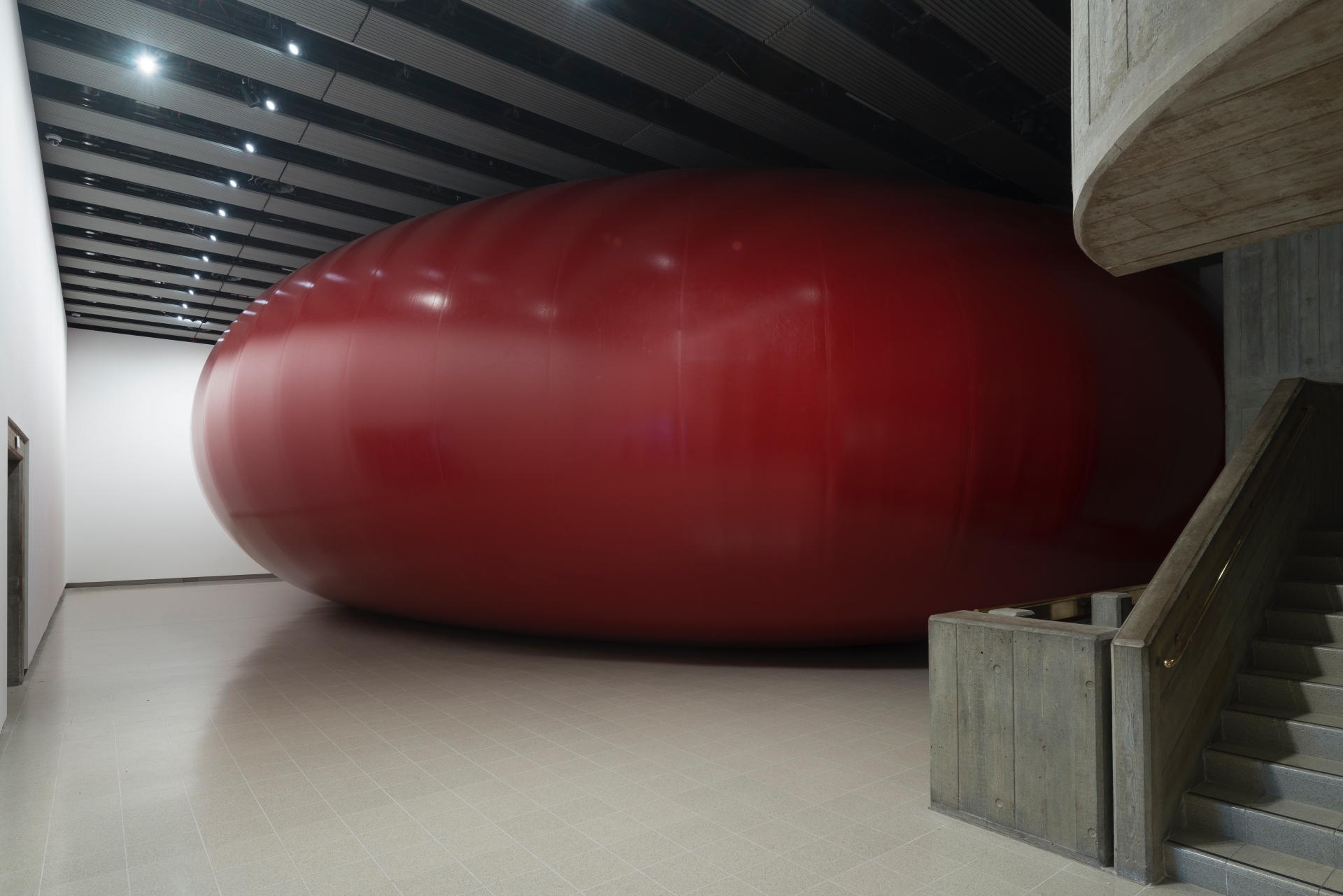
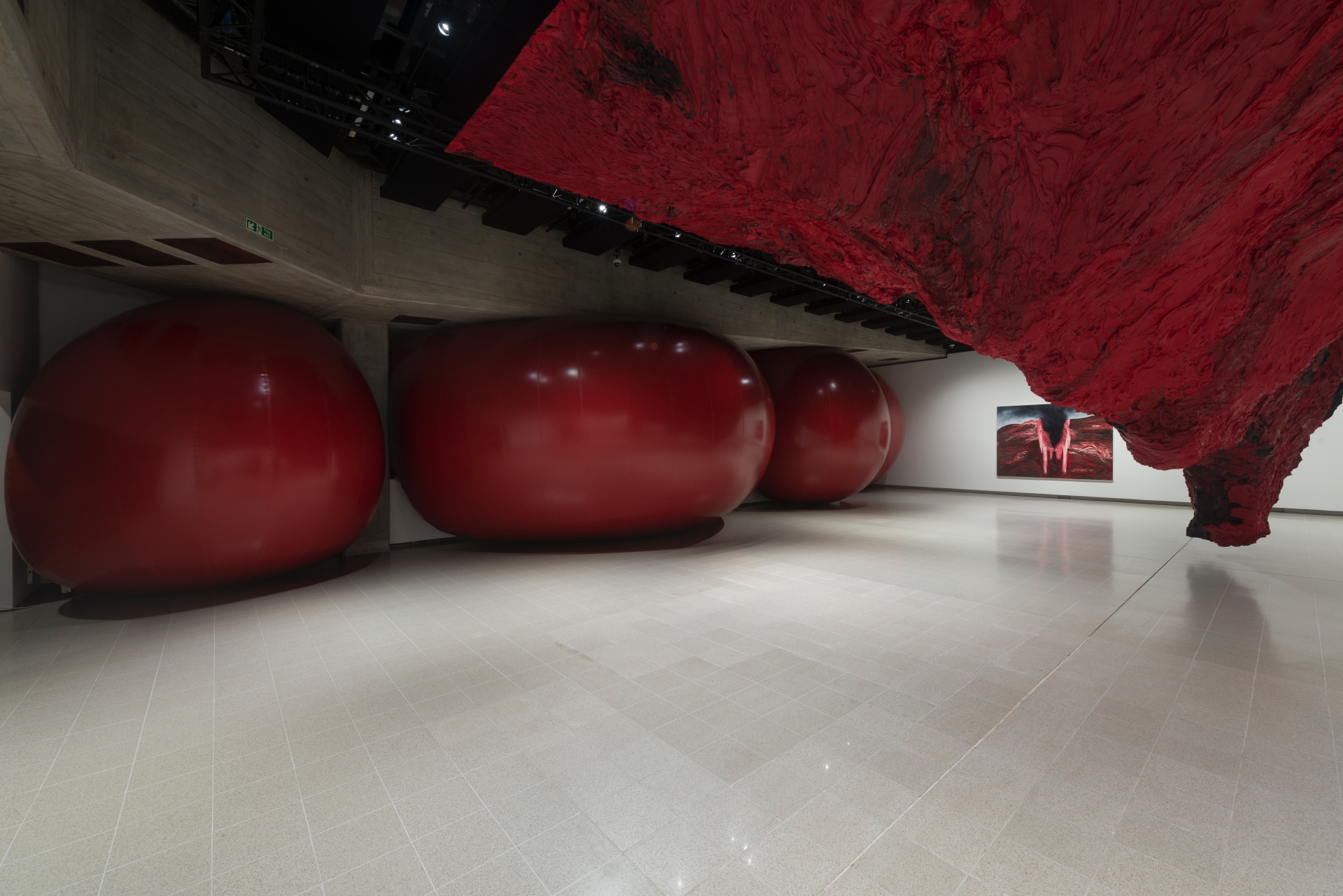
The exhibition’s overture is a visceral confrontation: a giant red membrane, swollen and taut, wedged into the gallery’s corner like a living lung. It presses insistently against the raw, shuttered concrete, creating a tension so strong it seems the architecture itself might buckle under the pressure. This is sculpture as spatial intervention - still expanding, still pushing, a crimson mass that redirects the viewer’s gaze toward the very walls meant to hold it.
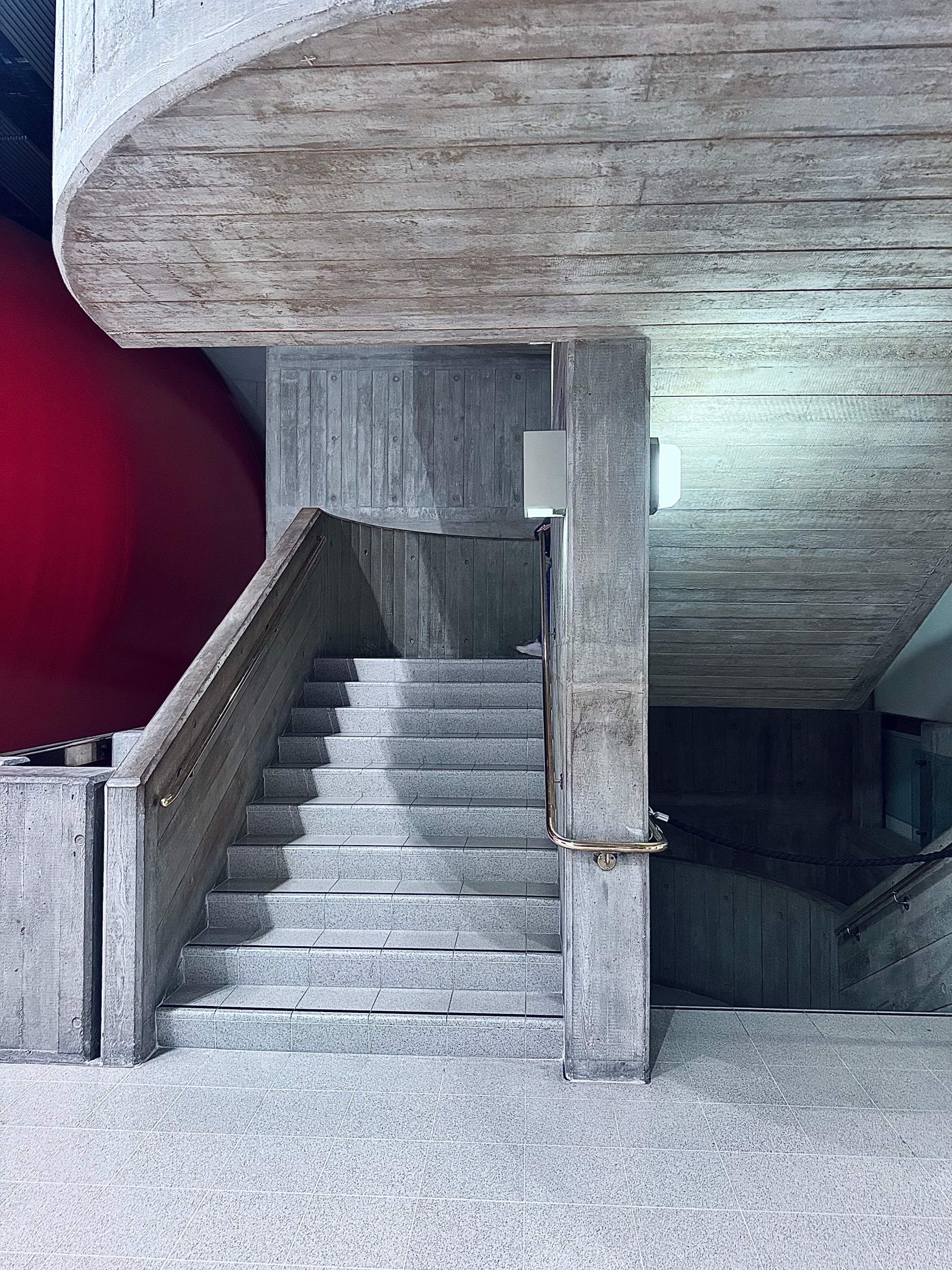
Kapoor masterfully collapses the distance between the art and the observer. His curved surfaces and vibrant skins draw the eye into the tightest corners of the building, forcing an awareness of Hayward's monumental geometry. Almost imperceptibly, the focus shifts; the concrete ceases to be a backdrop and becomes an integral component of the work itself. It is a masterclass in perception, where volume, distance, and gravity are stretched and compressed at the artist’s whim.
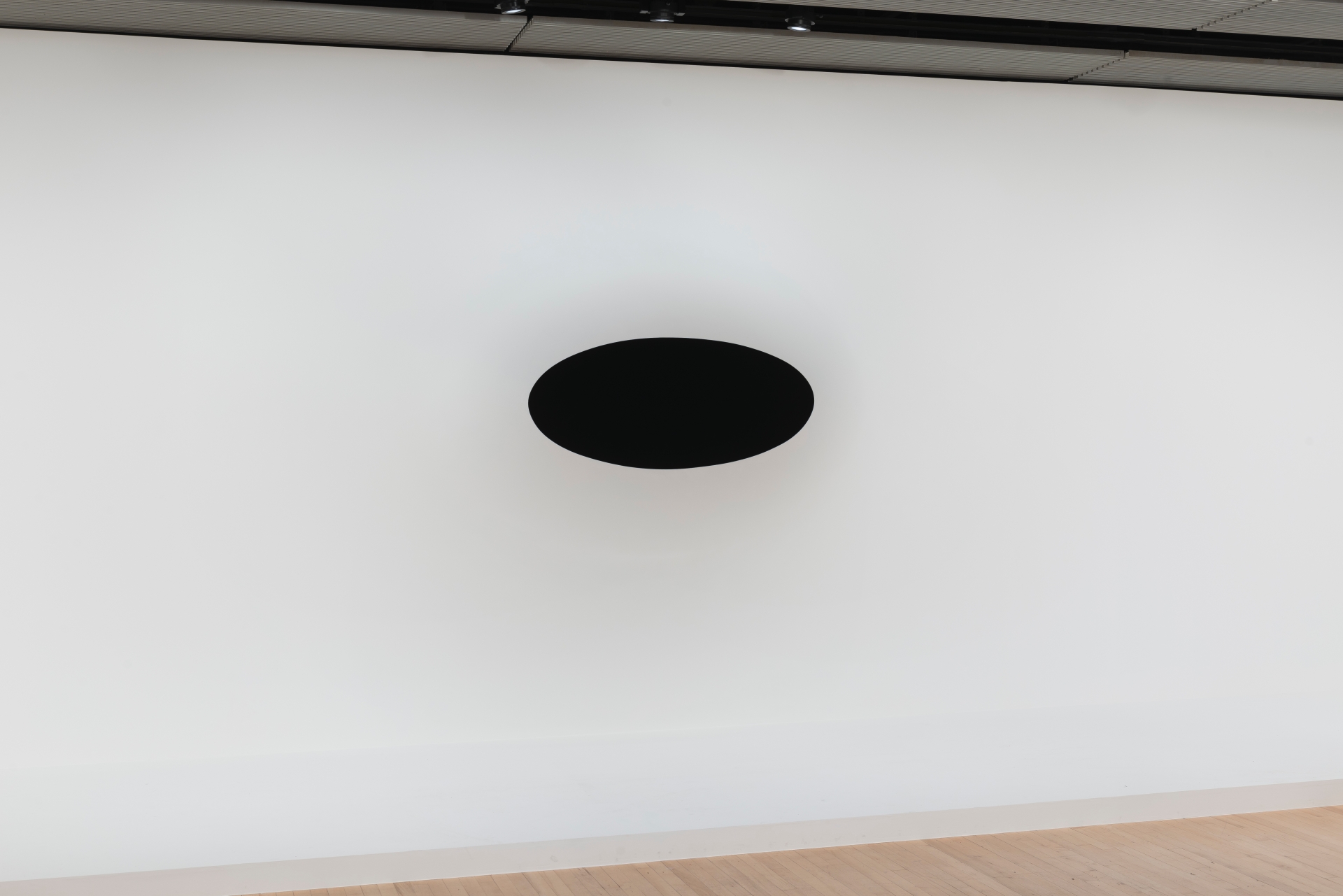
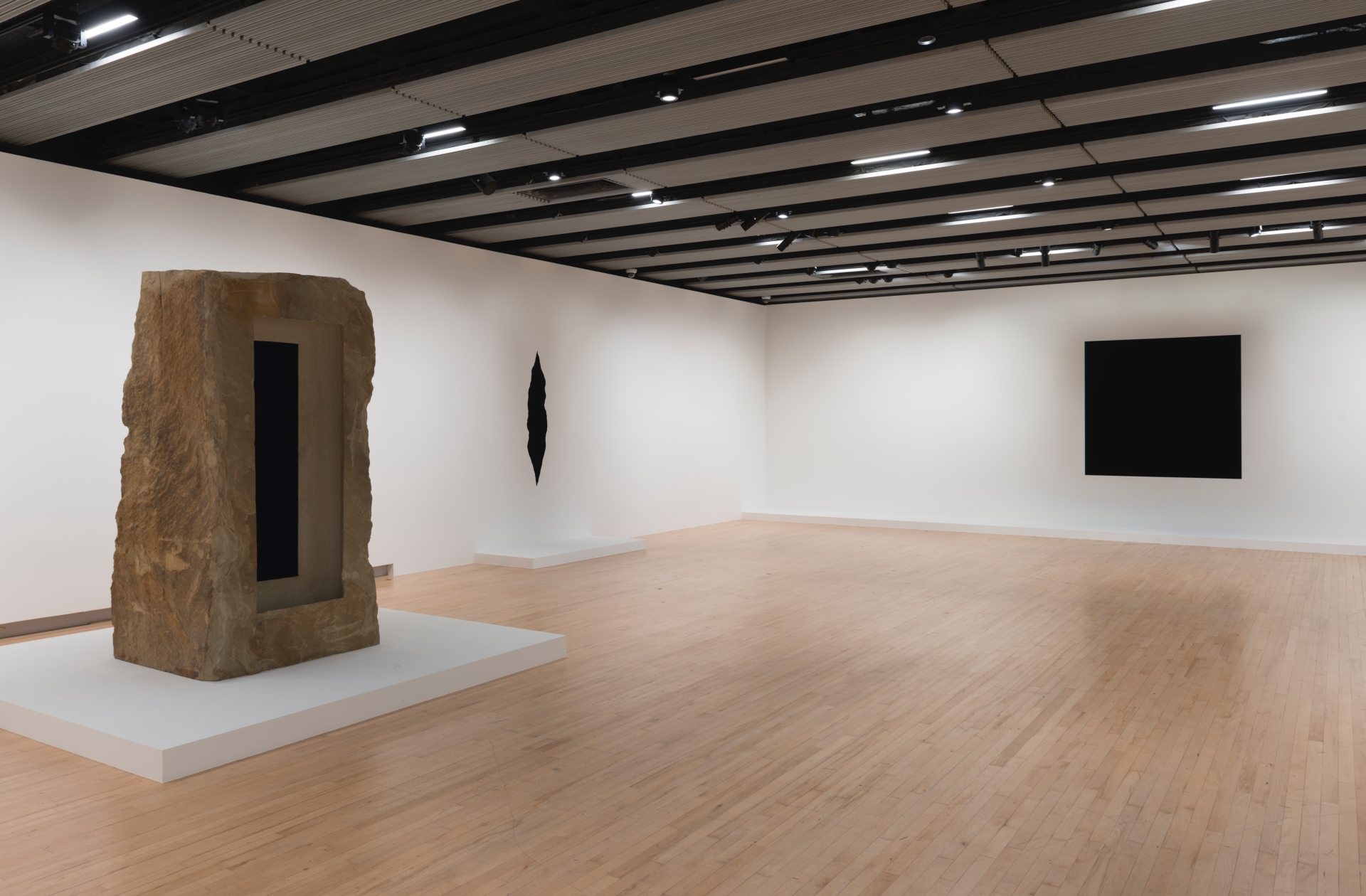
For over forty years, Kapoor has leveraged the power of the 'void' to alter our experience of reality. In the Hayward’s labyrinth of shifting levels and compressed staircases, this dialogue reaches a crescendo. A flat surface suddenly appears to open into a bottomless infinity; a corner becomes a site of immense atmospheric weight. These works haunt the space, transforming the gallery into a landscape of intellectual and sensory exploration.
The voids remain the exhibition’s most enigmatic centers of gravity. They demand a slower pace; visitors do not simply pass by, but hover at the edges, leaning into the darkness with a mixture of surprise and wonder. This is the delight of Kapoor’s alchemy - a mystery that refuses to be captured by the lens. On a screen, these depths appear flat, but in the physical presence of the Hayward, they offer a collective experience of the sublime, where strangers whisper theories and share in the shared impossibility of what they see.
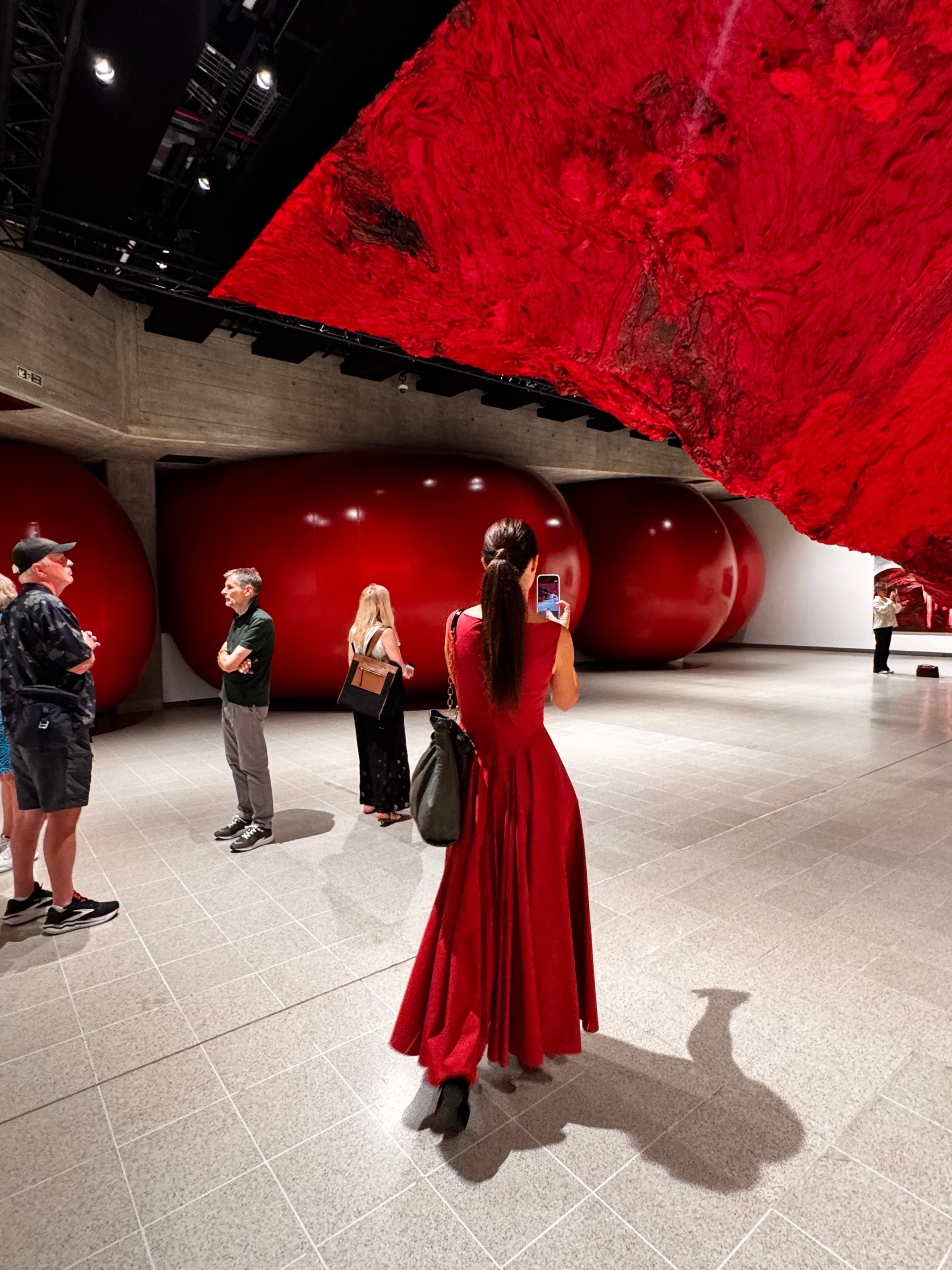
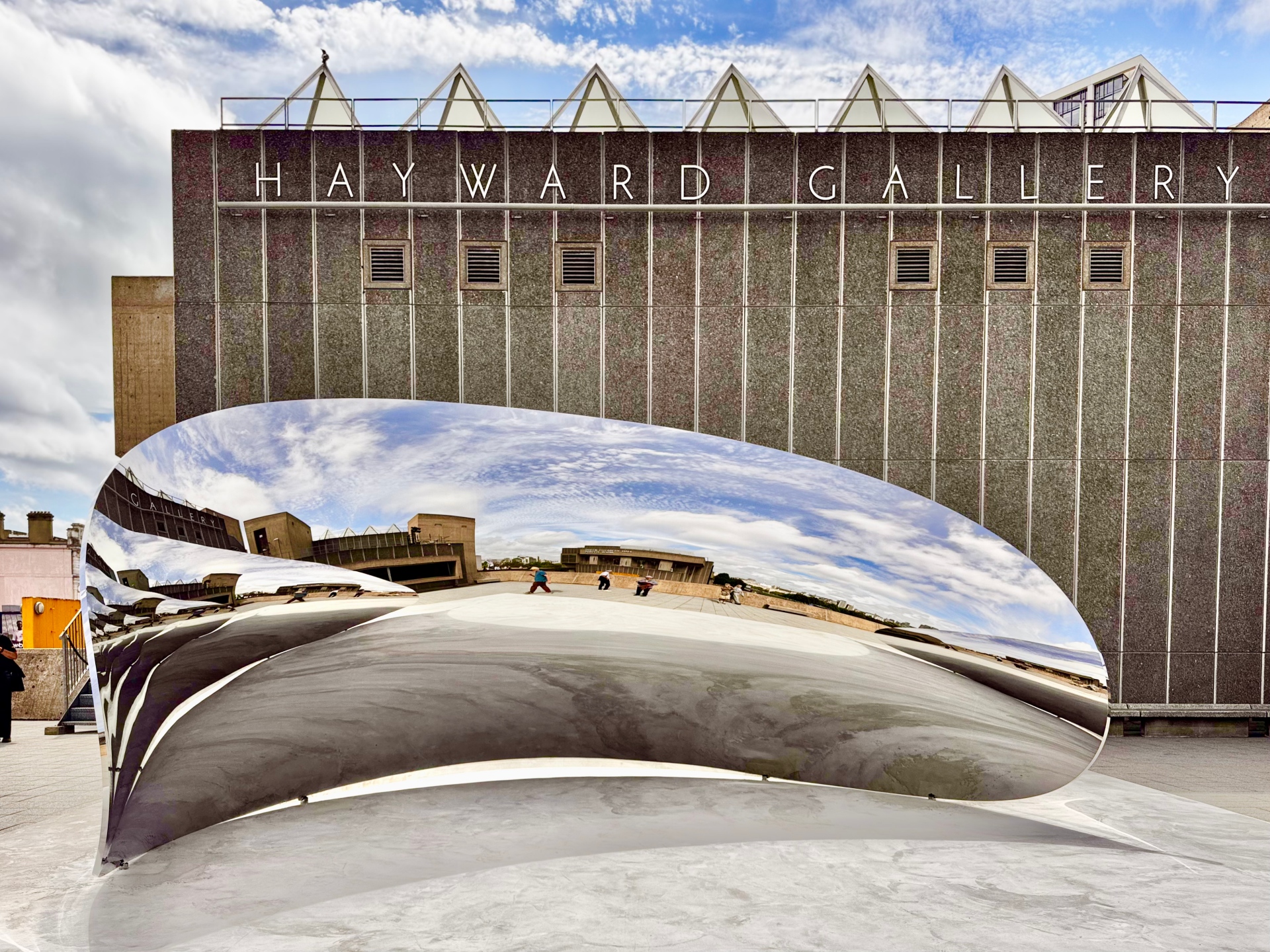
In contrast to the introspective silence of the voids, the mirrored sculptures invite a playful, fragmented theater. Reflections stretch and fold the gallery back onto itself, drawing the audience into the sculpture’s skin. As visitors wave and search for their distorted forms, they become active participants in the artwork’s evolution. This invitation to curiosity is a hallmark of Kapoor’s genius: before he poses profound questions about memory or existence, he first asks us to play.
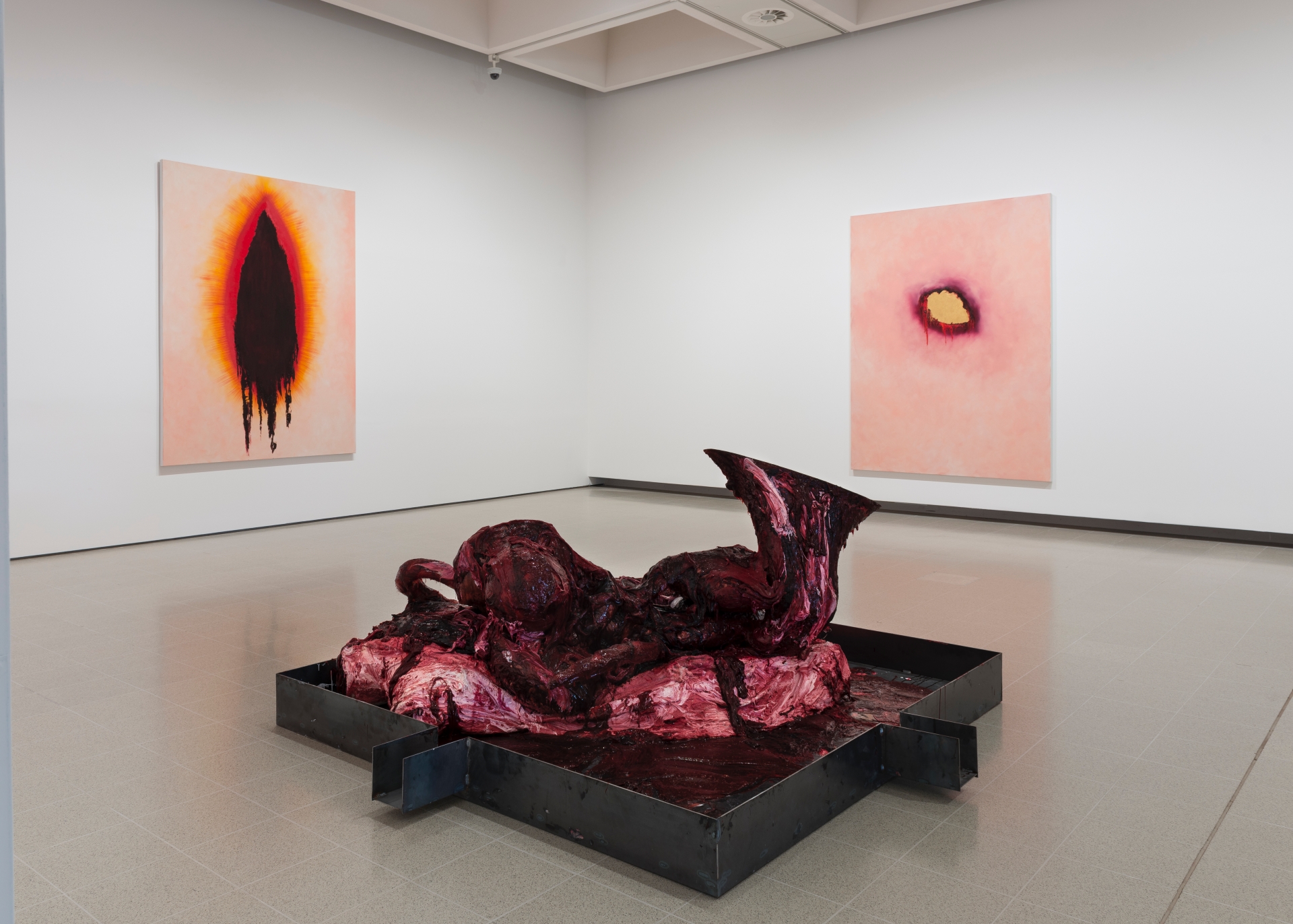
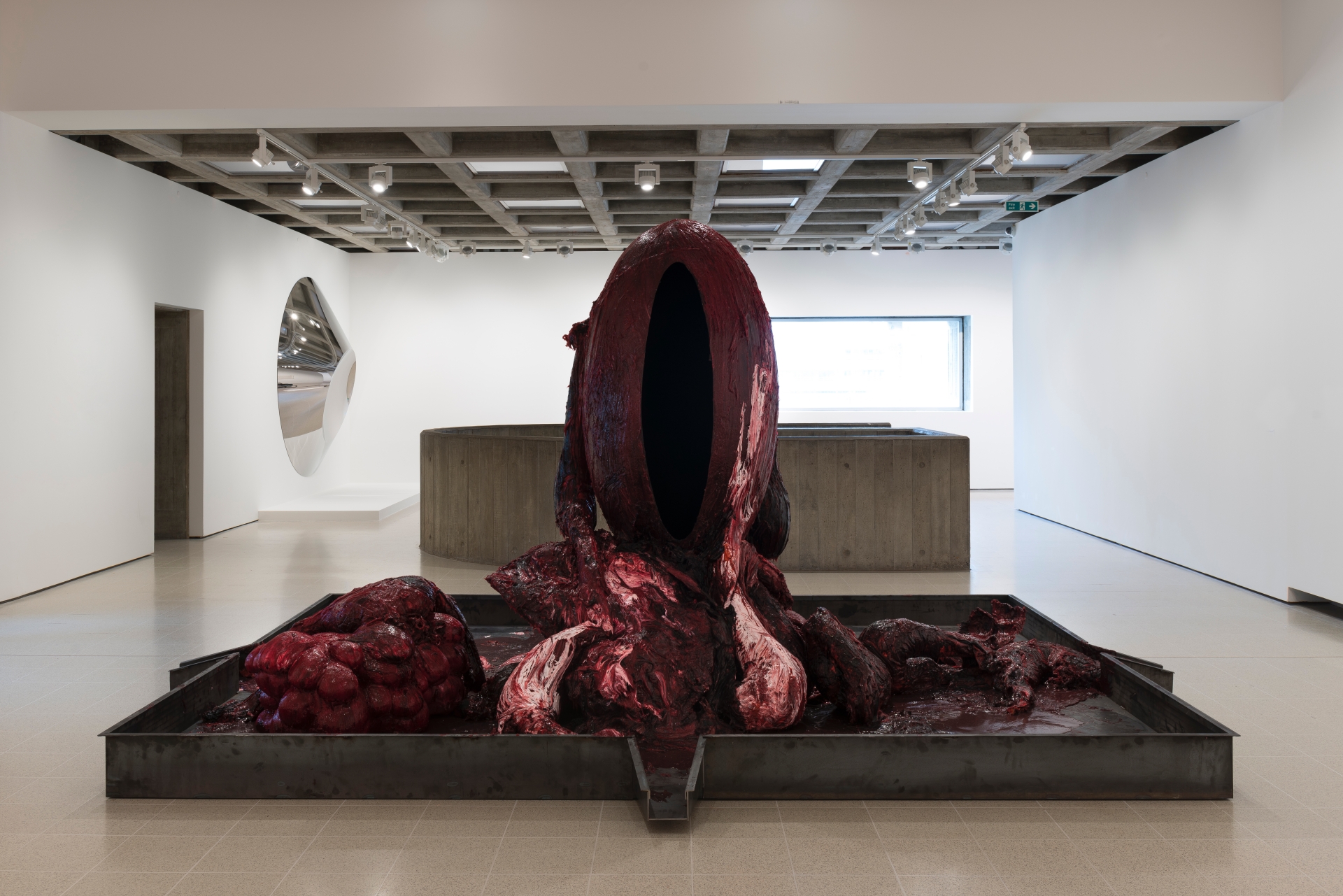
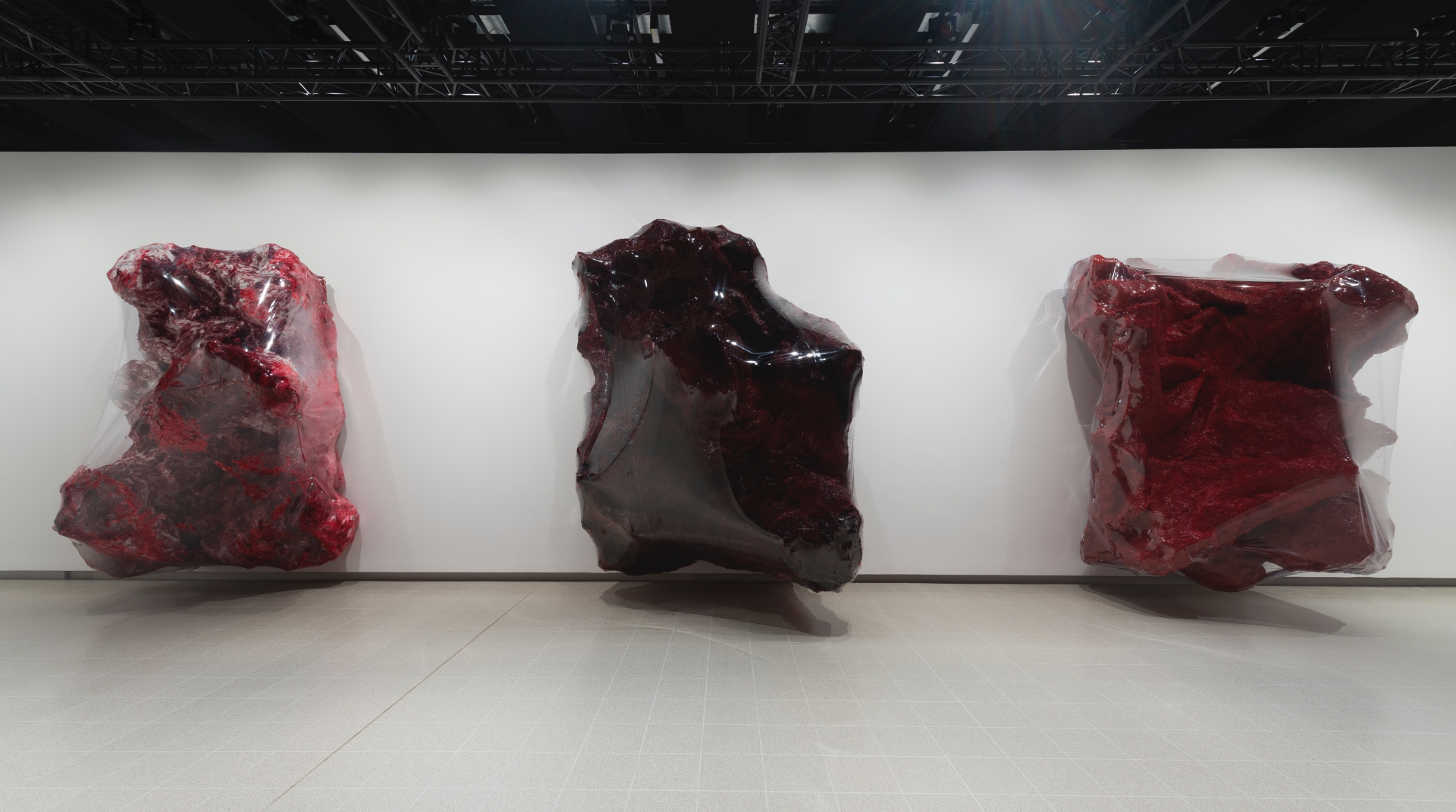
Yet, the mood eventually shifts from the cerebral to the visceral. In the later galleries, the delight of the void gives way to the raw physicality of flesh and birth. Great masses of red silicone slump across steel trays, their pale sinews spilling over edges like fresh wounds. Against the Hayward’s industrial, exposed concrete, these works - such as Mount Moriah at the Gate of the Ghetto and Ha Makom - become staggeringly primal. The architecture heightens their physicality, creating a sacred, if unsettling, space for personal reflection.
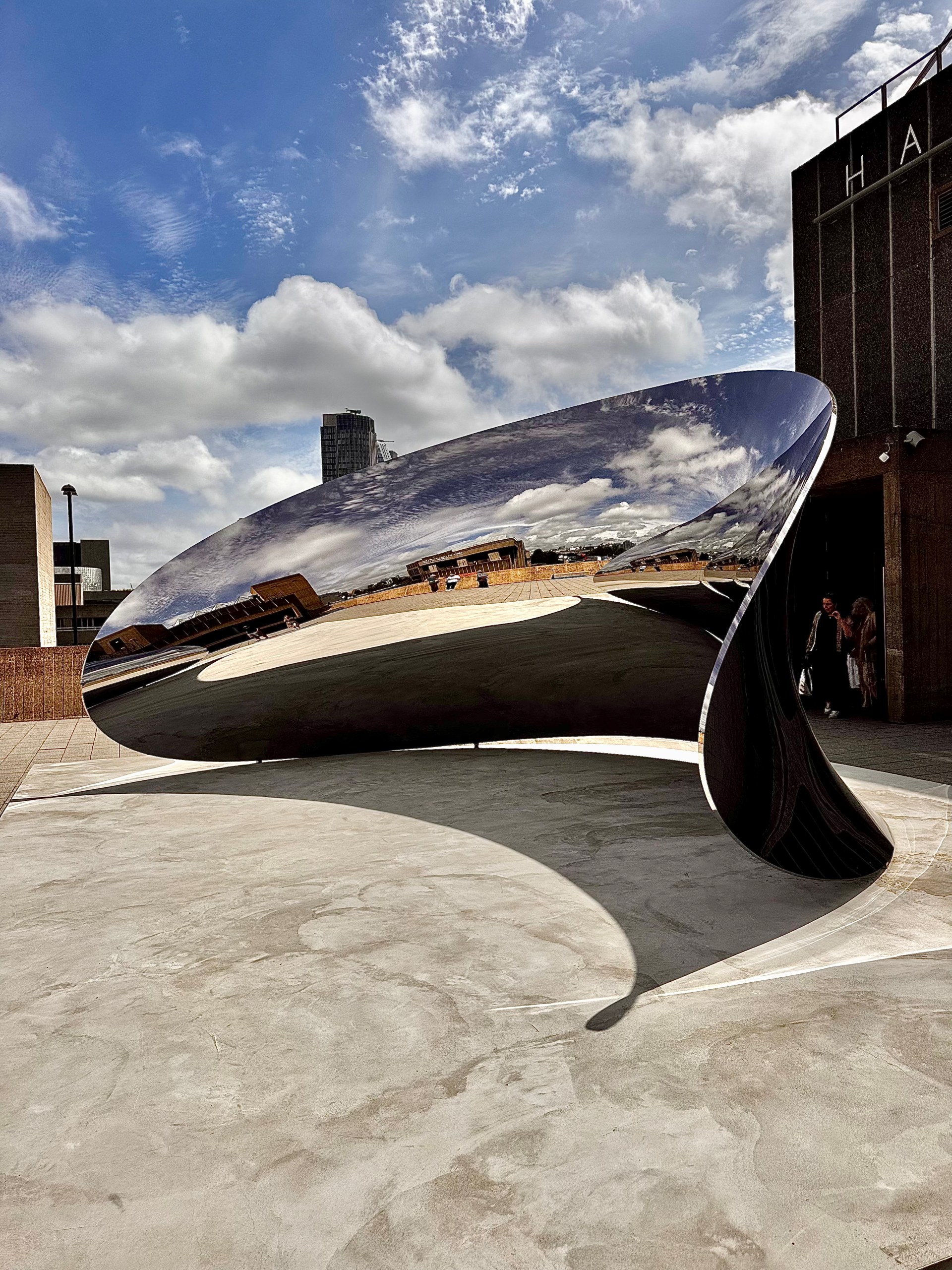
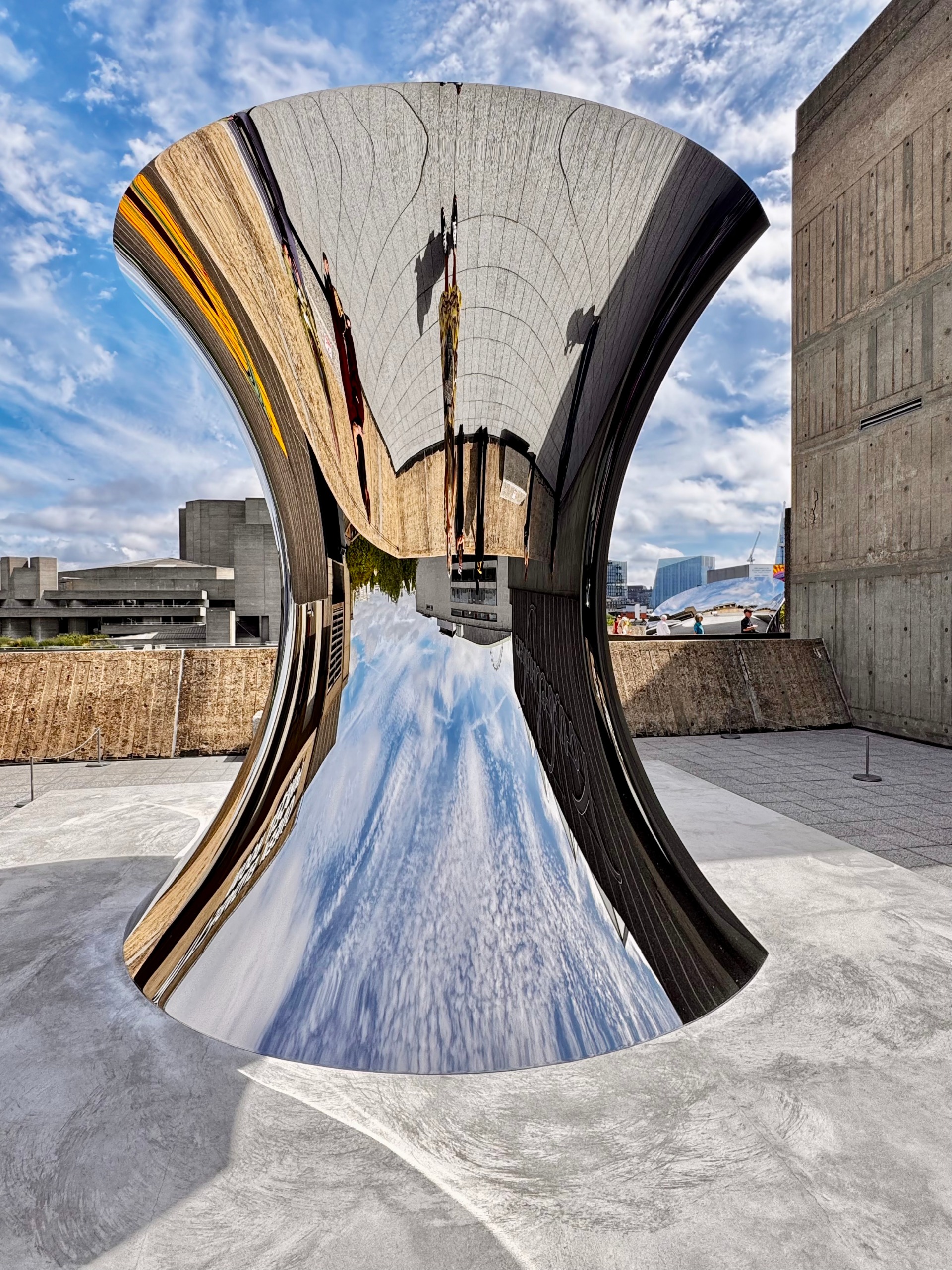
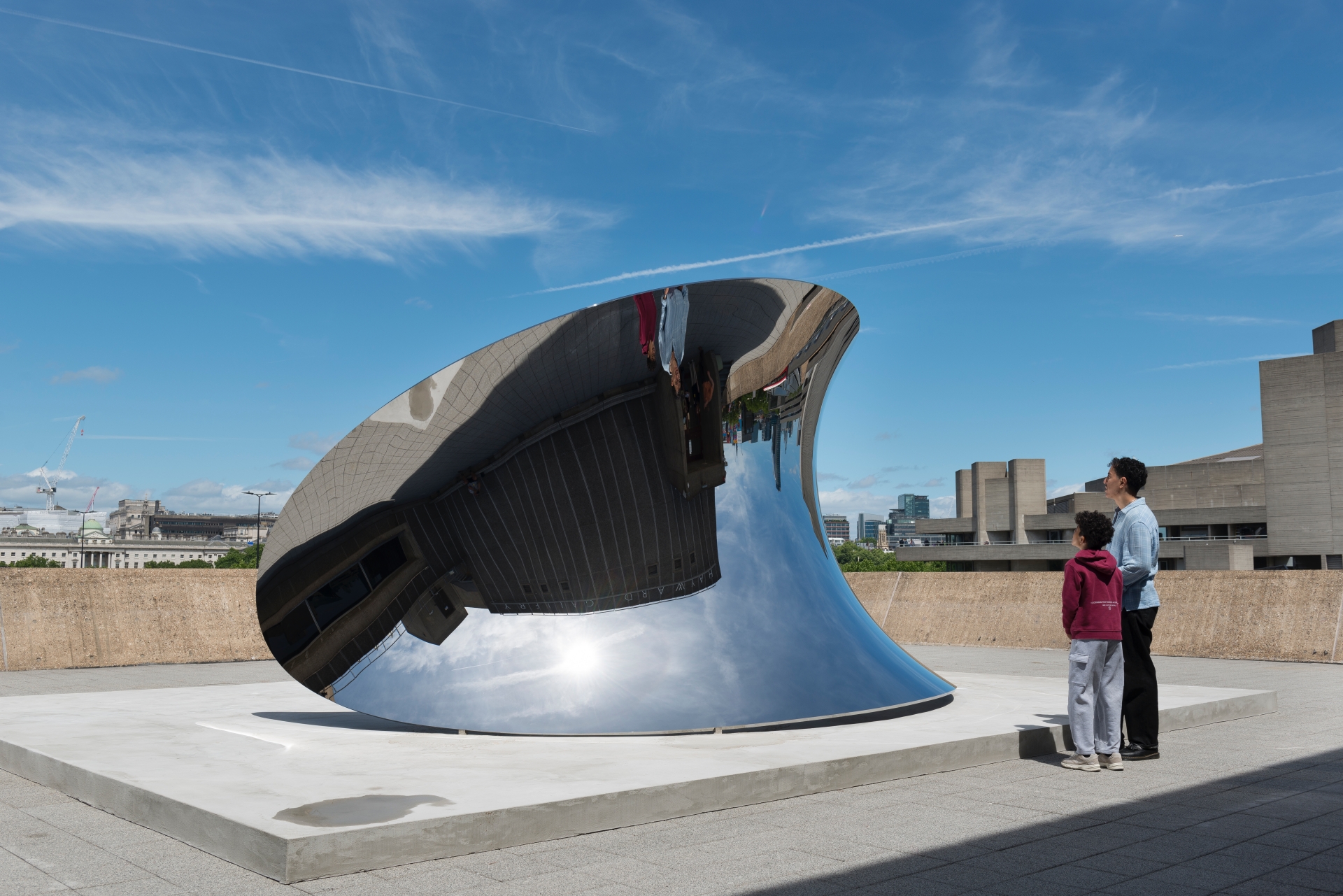
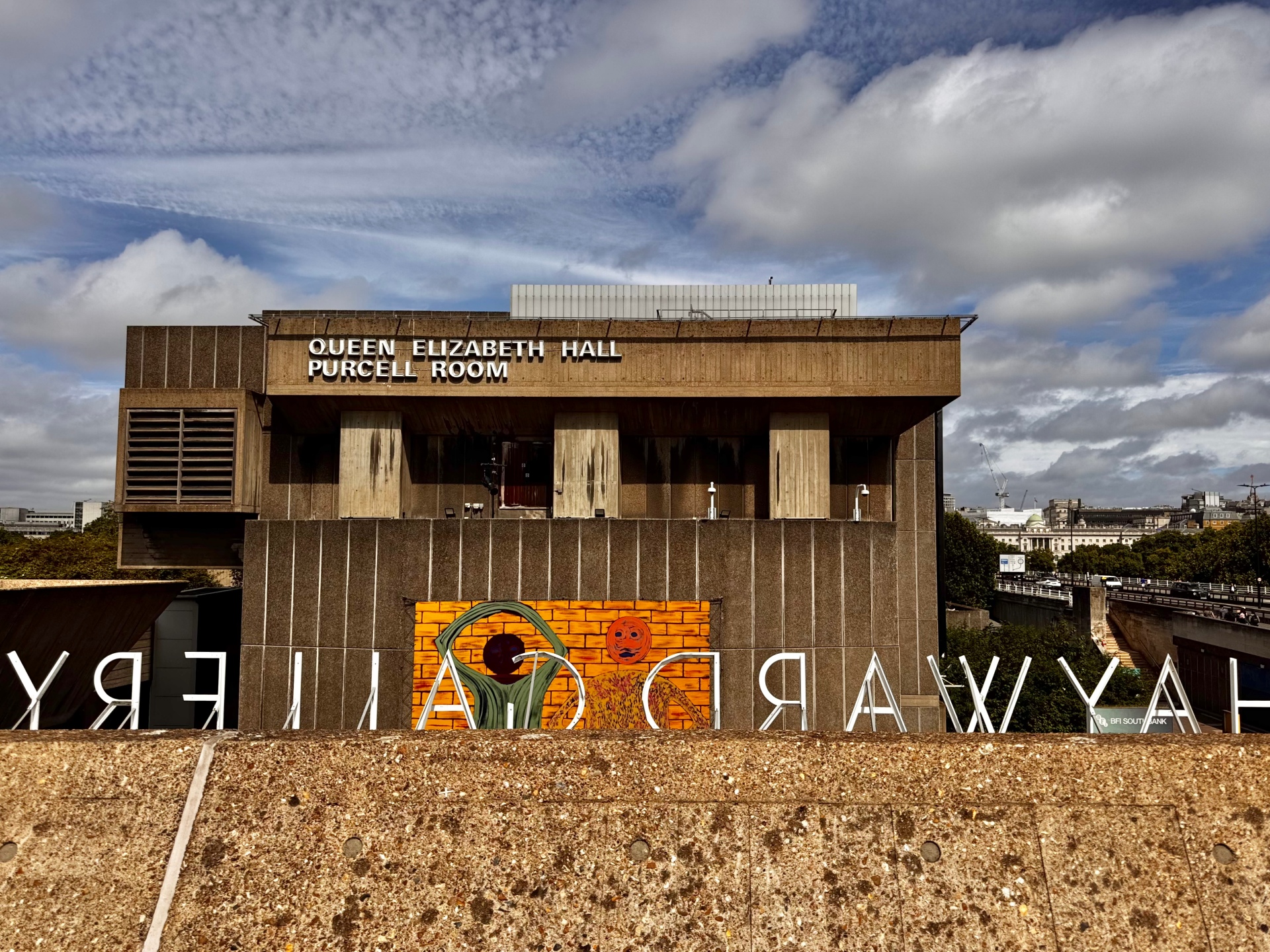
By the exhibition’s conclusion, the boundary between the sculptures and the building has effectively dissolved. One leaves the Hayward with the memory of membranes straining against stone and reflections dissolving into steel, but also with a newfound reverence for the architecture itself. The sculpture makes you look at the building; the building makes you look back at the sculpture.
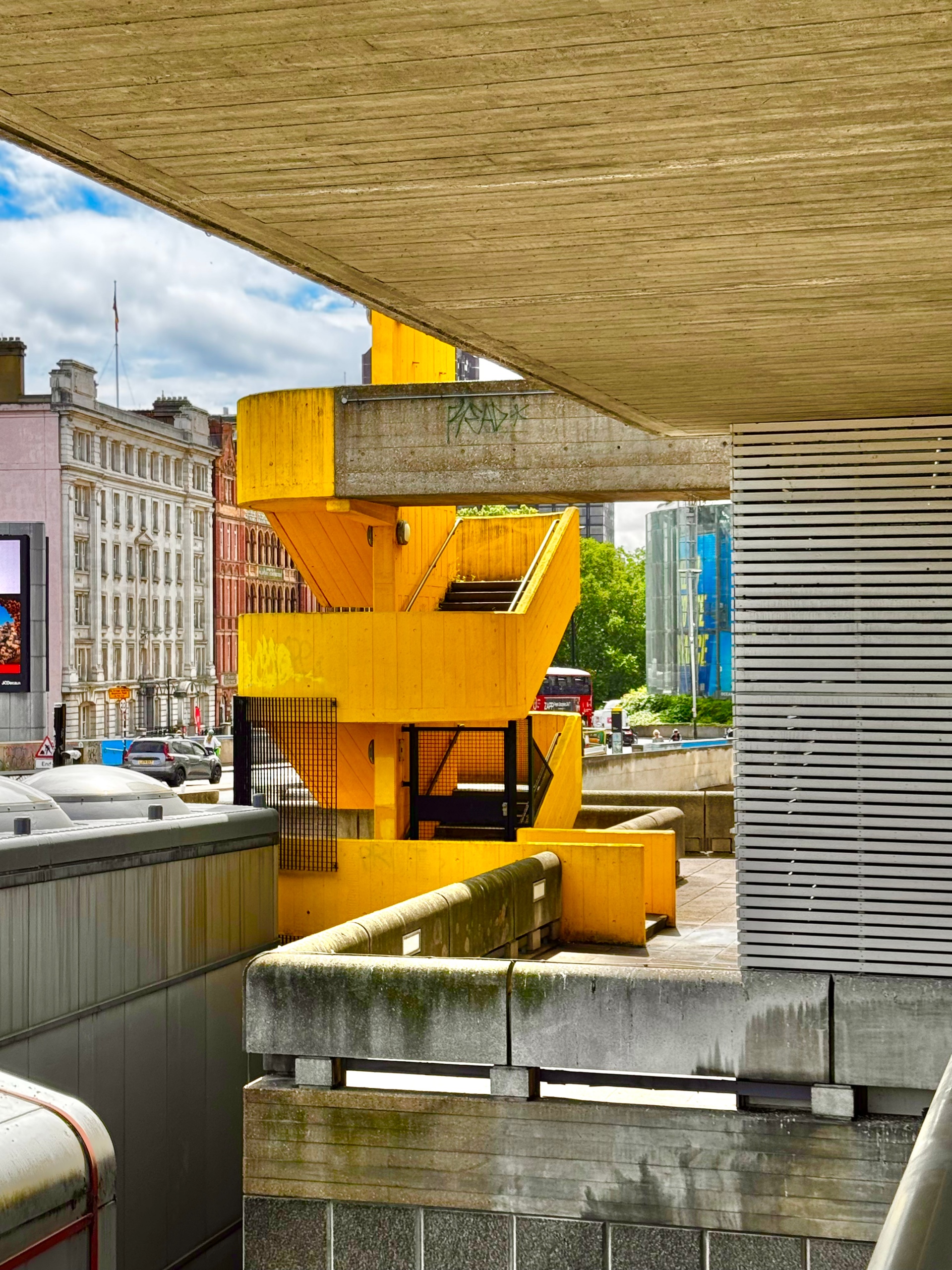
Ultimately, this return to the South Bank is a contemplative reminder of how art can reframe our understanding of the structures we inhabit. You may arrive to see Kapoor, but you depart seeing the Hayward—and perhaps the world—through a lens that is infinitely more profound, textured, and deep.