PODCAST
WHAT MAKES A GOOD CONVERSATION? LOOK NO FURTHER THAN OUR ART OF THE CONVERSATION, FEATURING UNCONVENTIONAL STORIES AND PEOPLE WHO MOVE AND INSPIRE
LISTEN NOW


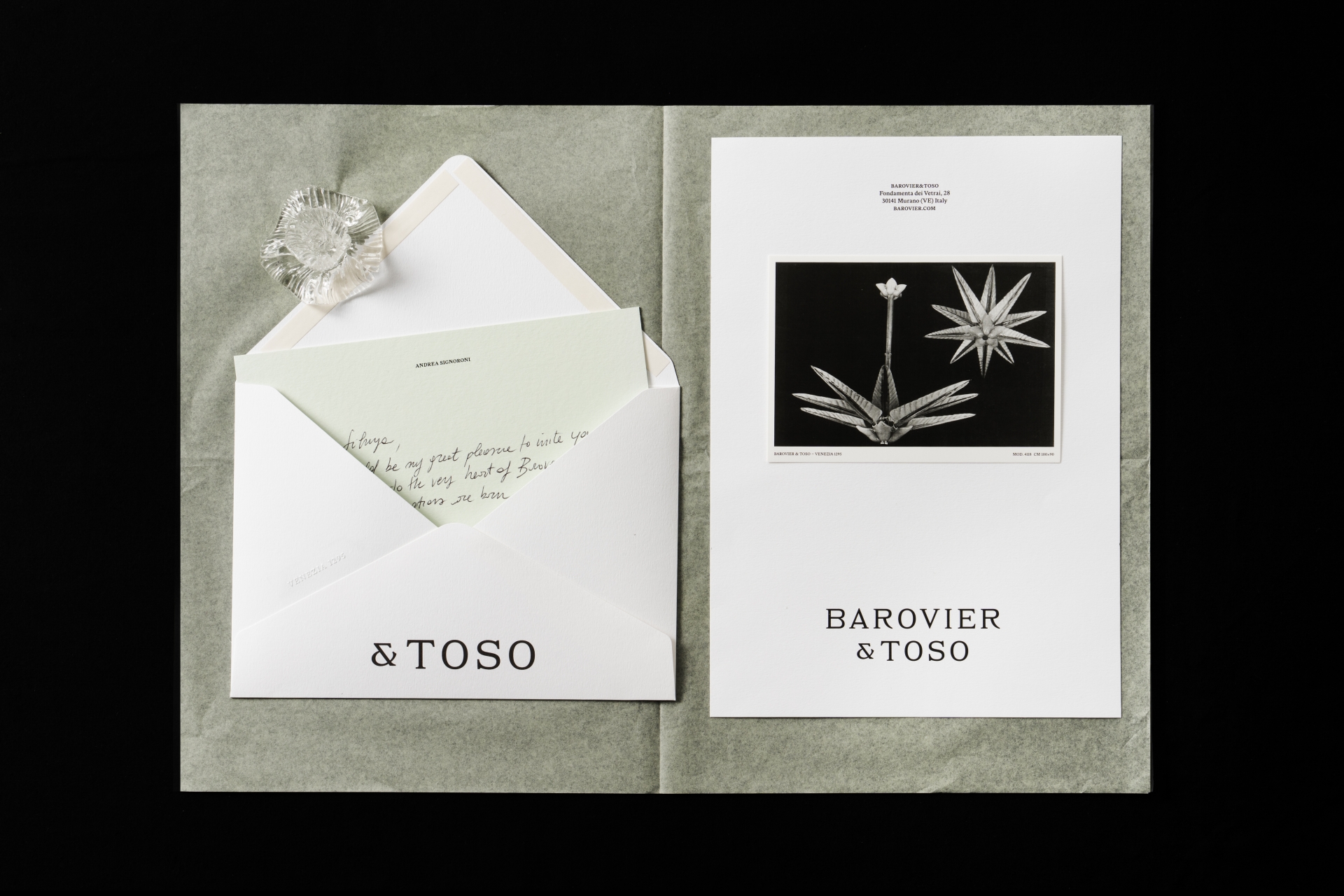
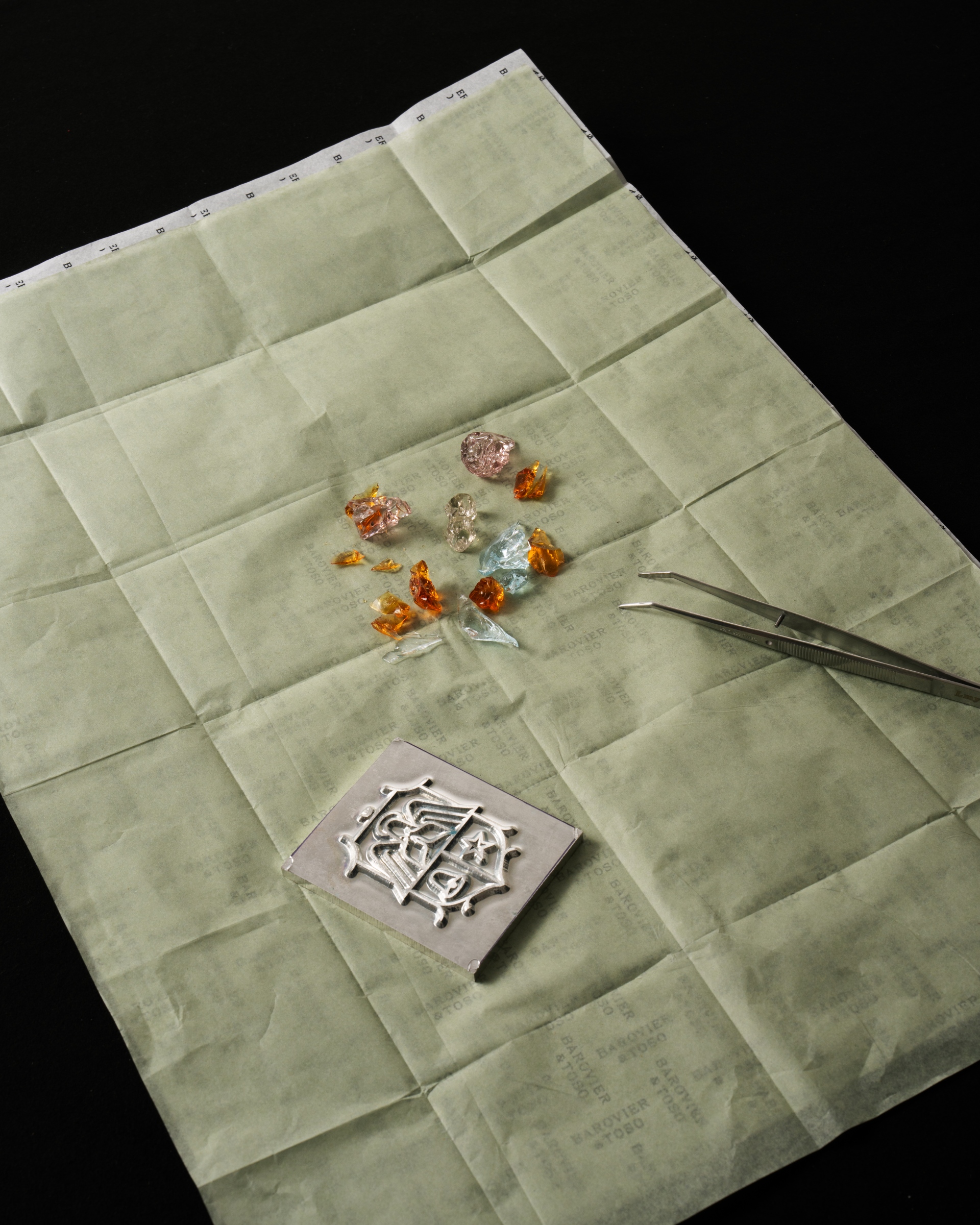
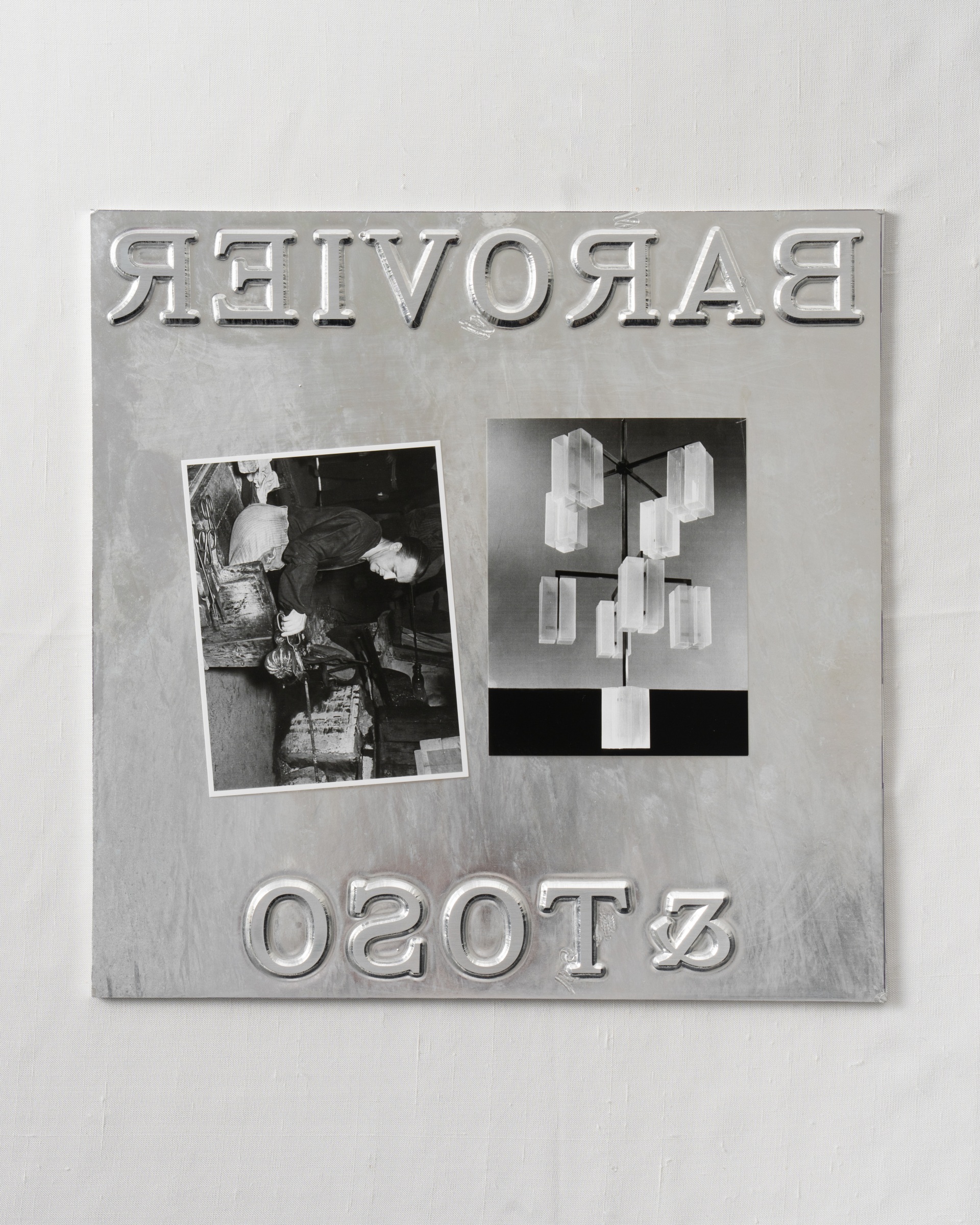
The project takes shape under the leadership of Andrea Signoroni, the Barovier&Toso's first CEO, and Luca Nichetto, appointed Artistic Director in May 2025. Its first concrete outcome is the new visual identity developed by Studio Blanco, alongside the collections presented for the first time in the brand’s showroom on Via Durini.
As a whole, 2026 Chapter 1 embodies an integrated vision that brings together governance, design language, and visual identity. These new synergies mark a decisive chapter for the company, aimed at strengthening the brand’s international presence while reinterpreting Barovier&Toso’s historic excellence through a contemporary lens. Tradition and innovation converge in a single evolutionary process, opening new commercial, aesthetic, and cultural perspectives while preserving the company’s distinctive DNA.
The exhibition path inside the brand’s showroom on Via Durini has been conceived by NICHETTO® as a treasure chest: wings and plinths alternate, separating and at the same time connecting the spaces while creating a play of perspectives, reflections, and harmonies. Light tones and natural materials like white fabric curtains and wooden panels evoke the purity of the material and the world of the furnace, highlighting glass as the absolute protagonist.
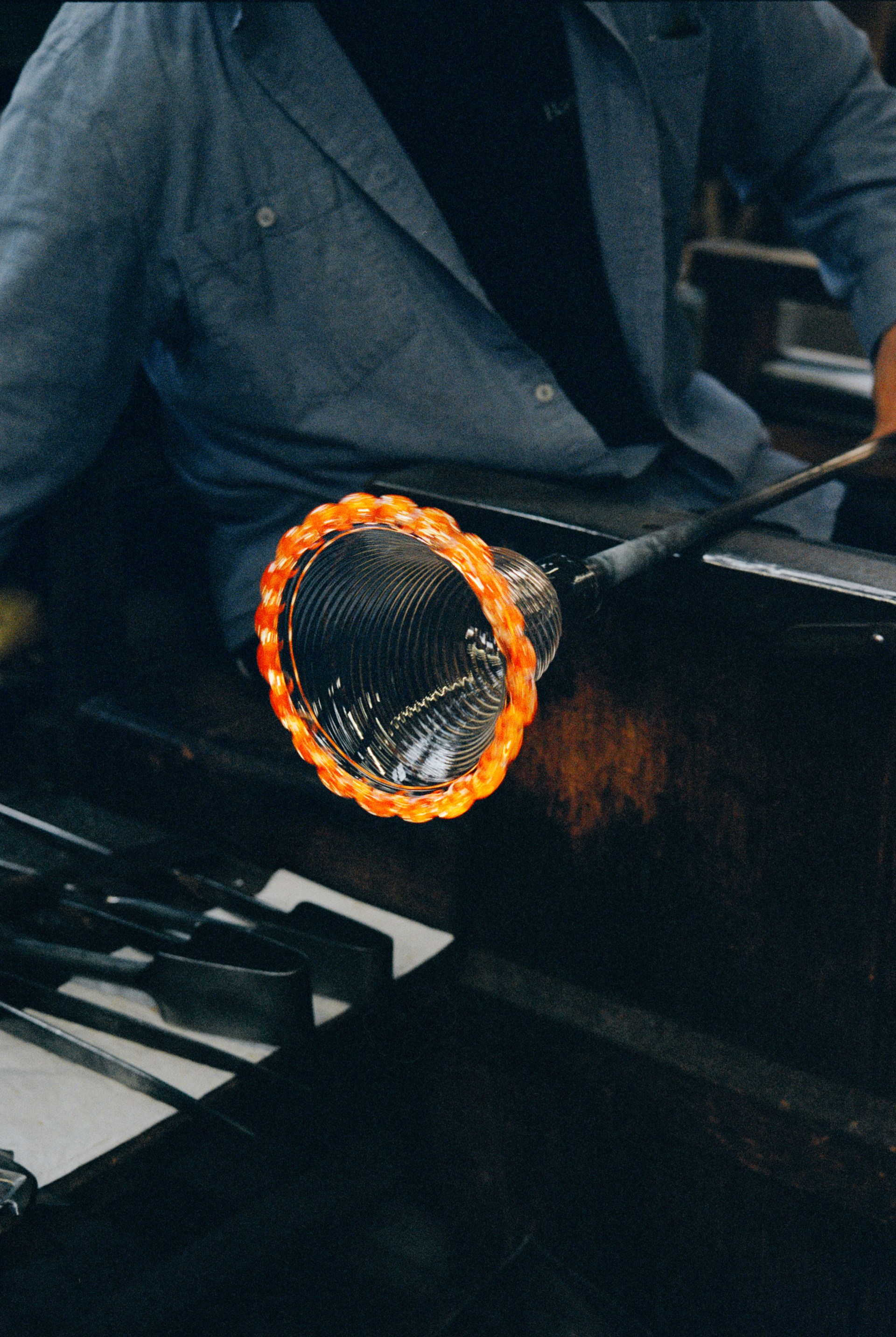
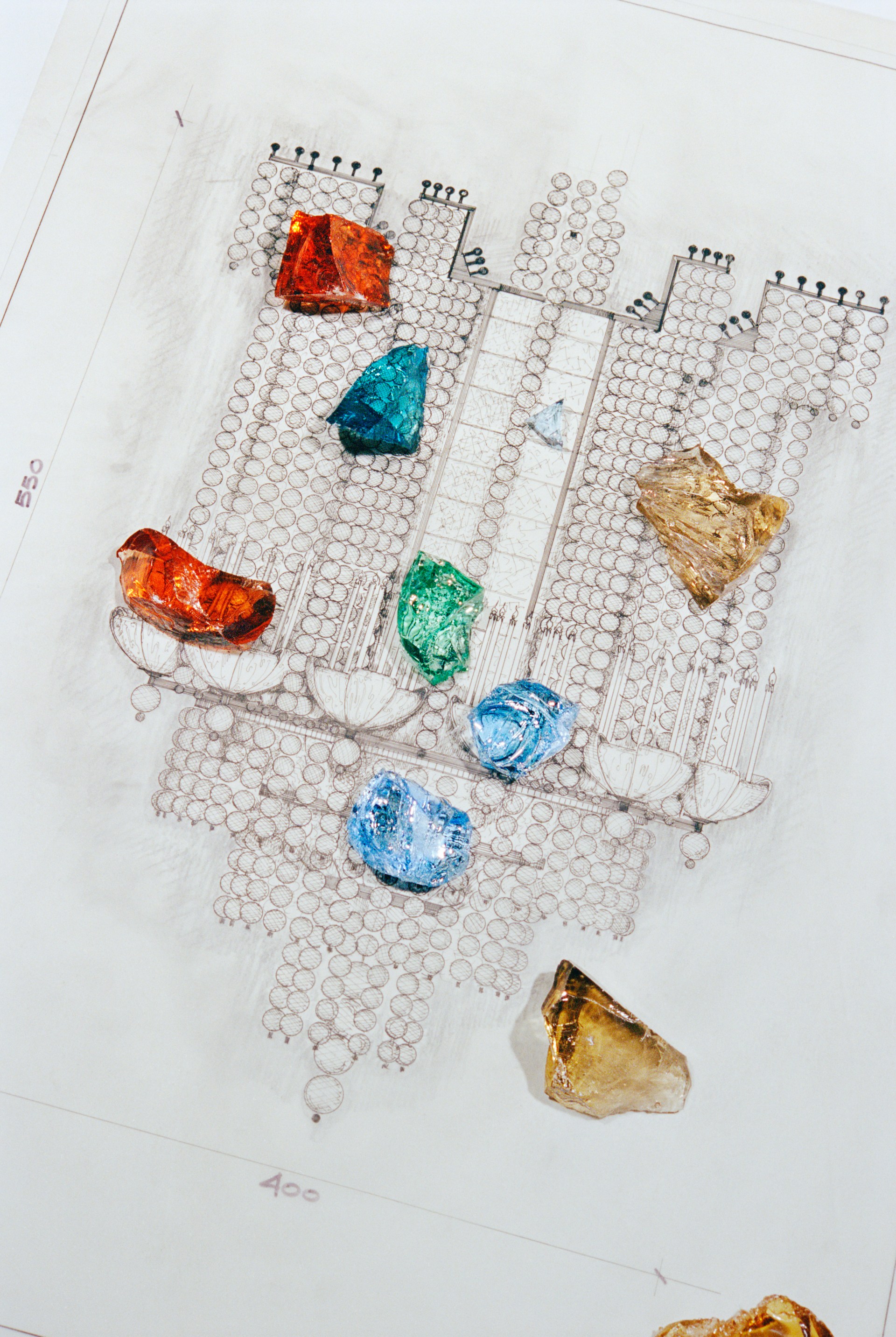
“I imagined this project as a silent dialogue between light and material” says Luca Nichetto. “Being from Murano means carrying an instinctive knowledge of glass, but also an awareness of its historical weight. My ambition is not to celebrate the past nostalgically, but to question how it can evolve. What will the chandelier look like fifty years from now? I believe the answer lies in listening to tradition and transforming it into a language capable of speaking to the global present”.
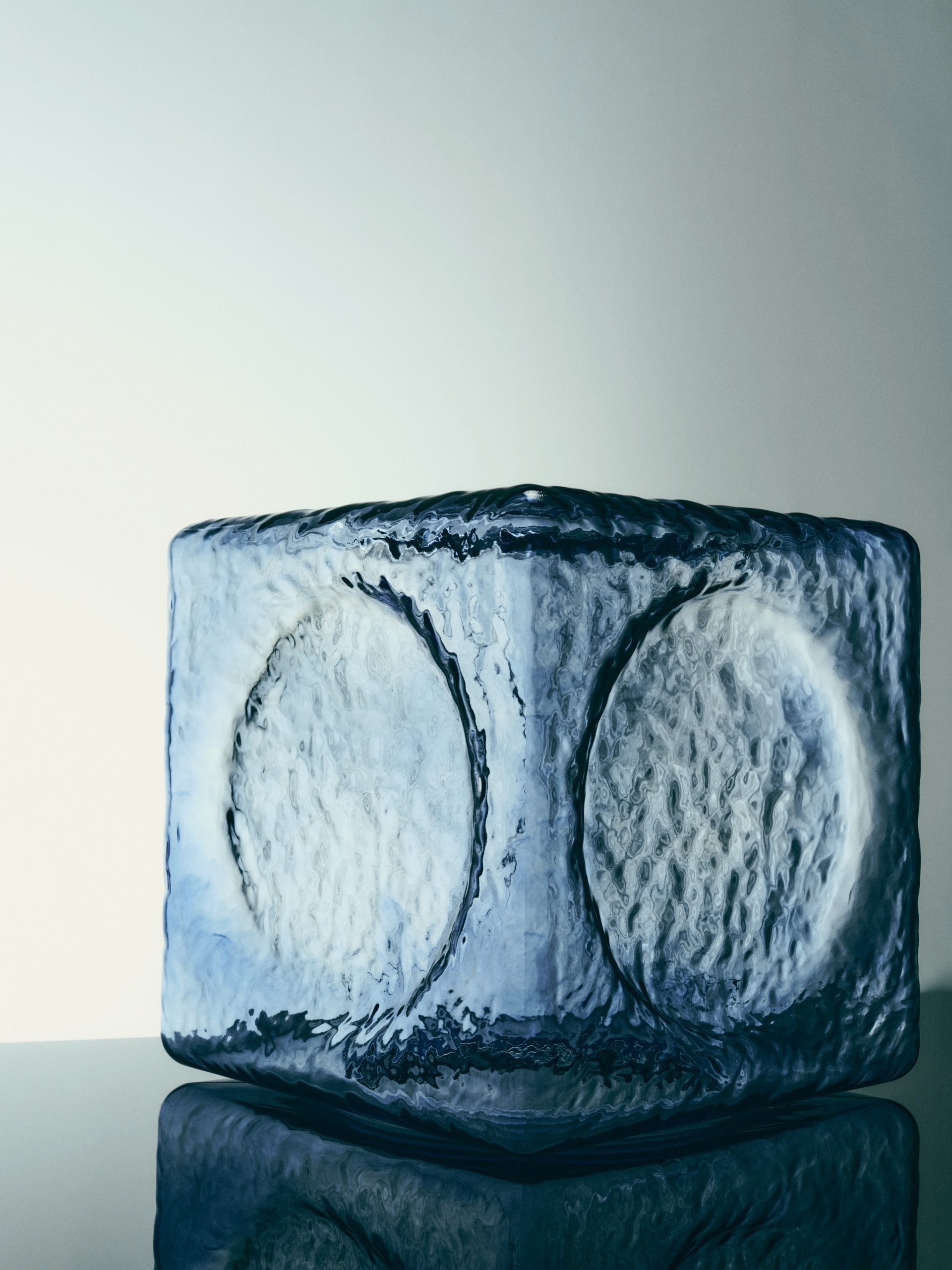
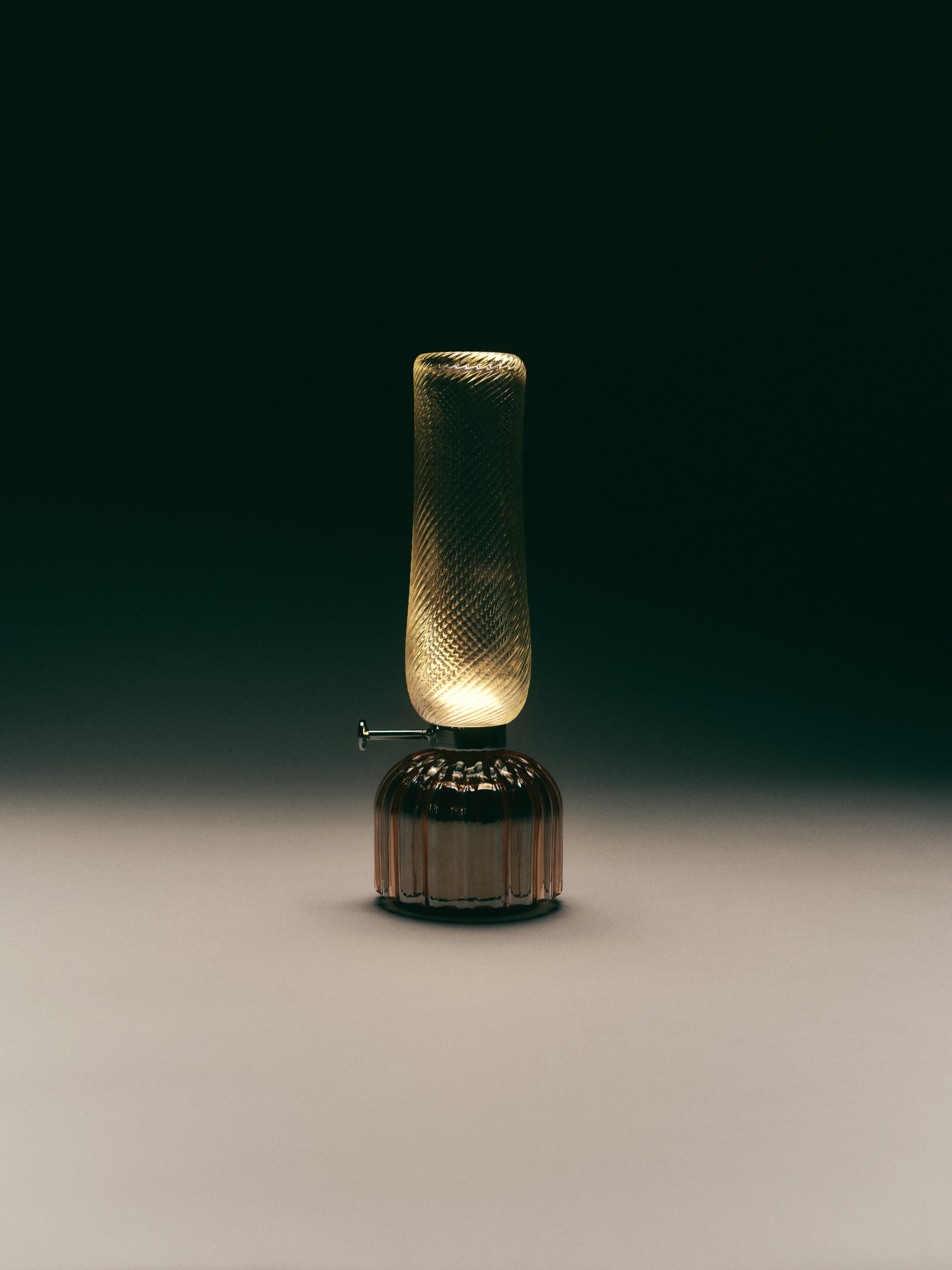
The space opens with Etime, one of NICHETTO®’s new designs: a cubic glass volume born from the meeting of the square and the circle. Designed as a modular element, Etime combines function with sculptural presence, transforming geometry into an essential gesture. In the window display, the Profilo suspension lamp diffuses a soft, harmonious light through its discs featuring opaline spirals of varying diameters. The Aurora table lamp completes the trio of NICHETTO® creations, reinterpreting the tradition of oil lighting in a contemporary key through an integrated technology paired with a ribbed glass body that produces delicate optical vibrations.
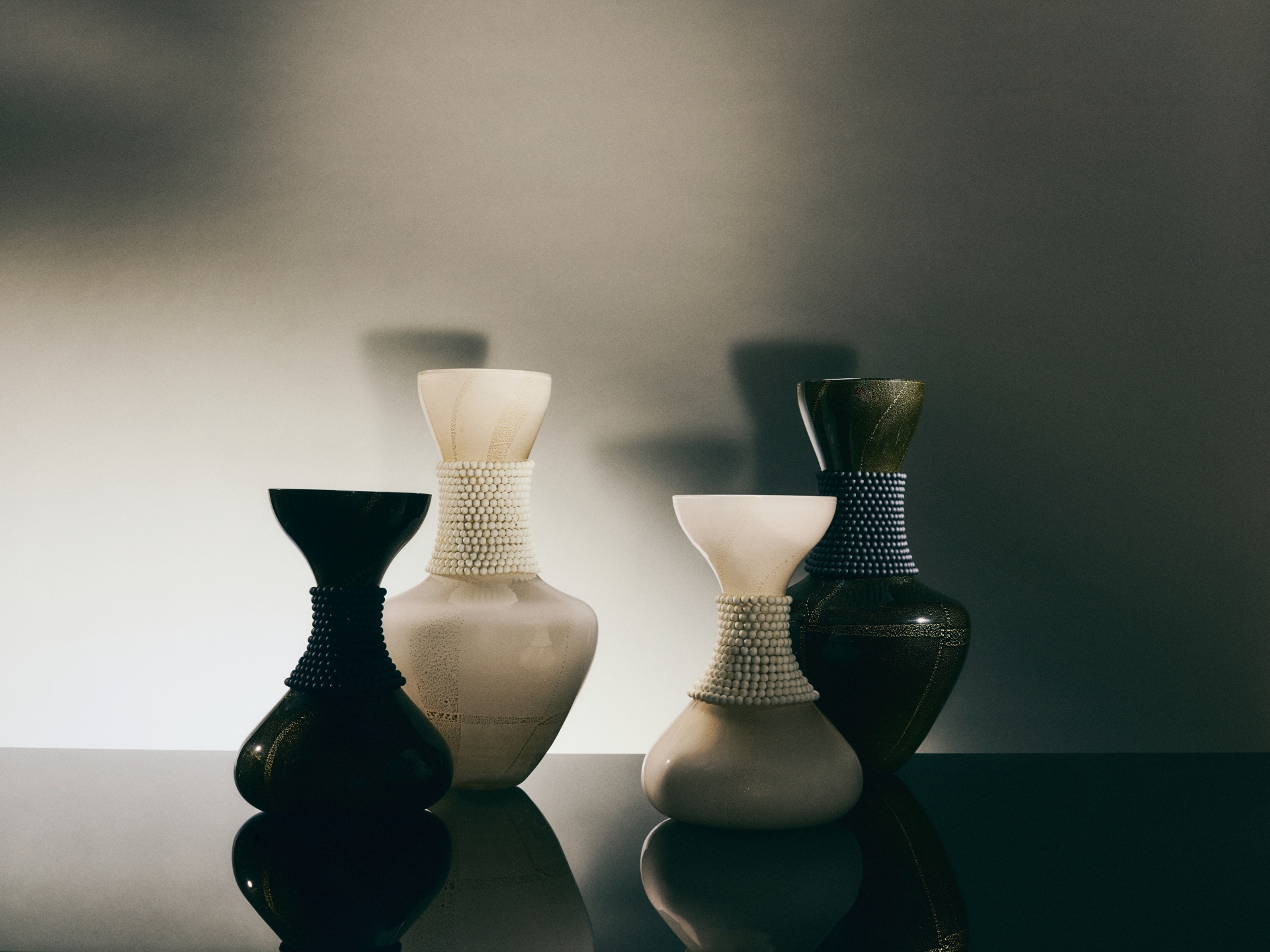
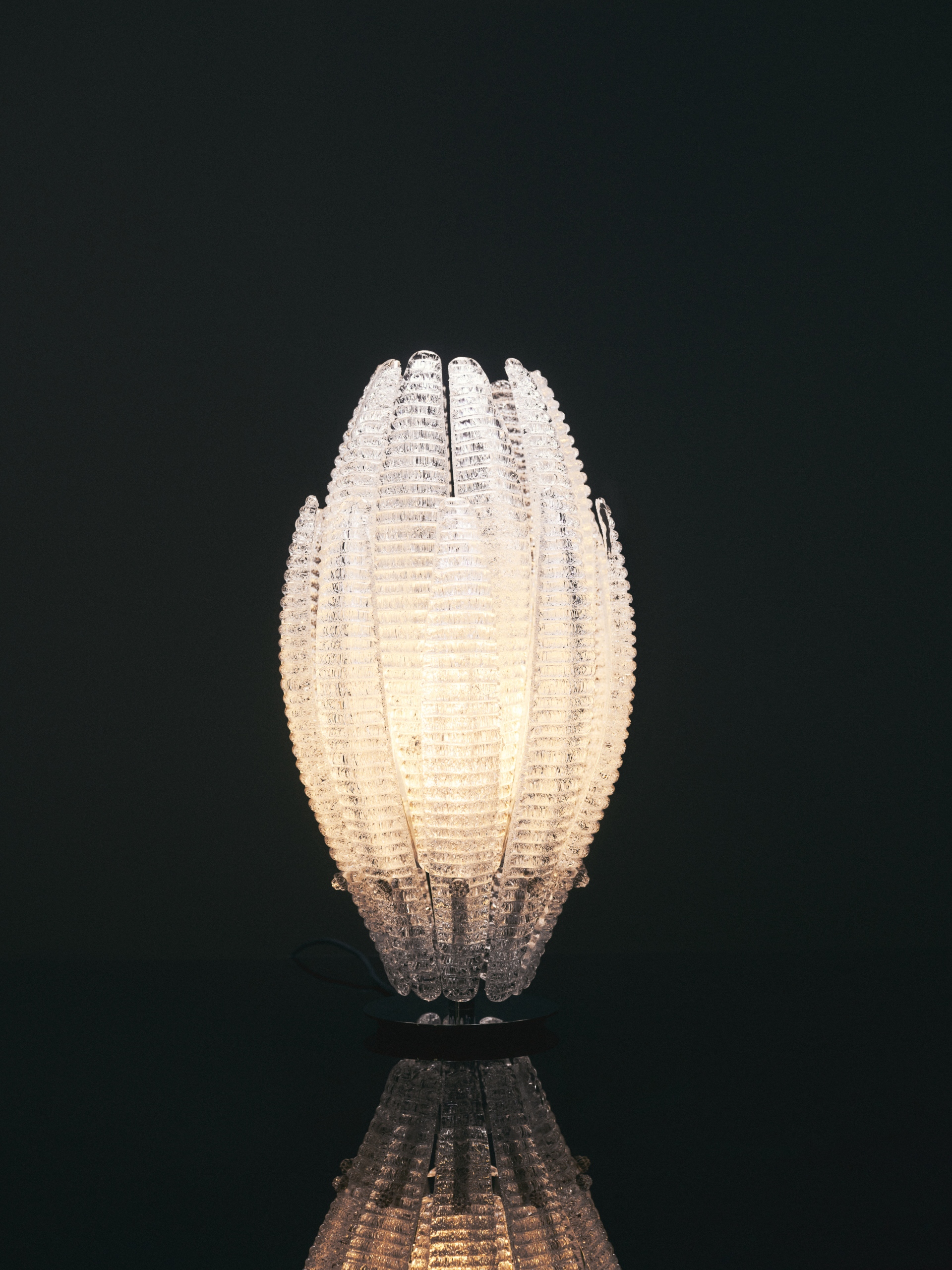
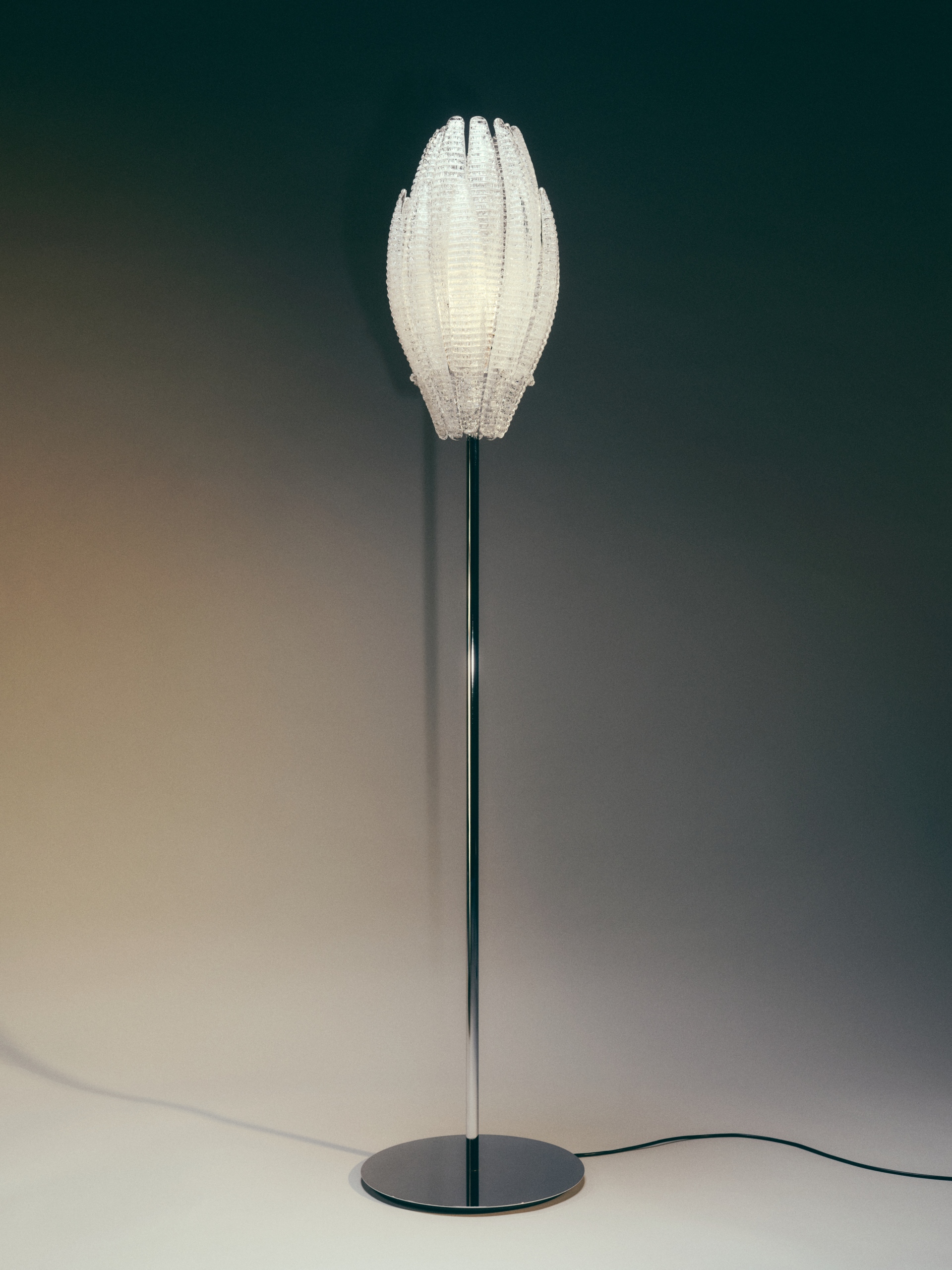
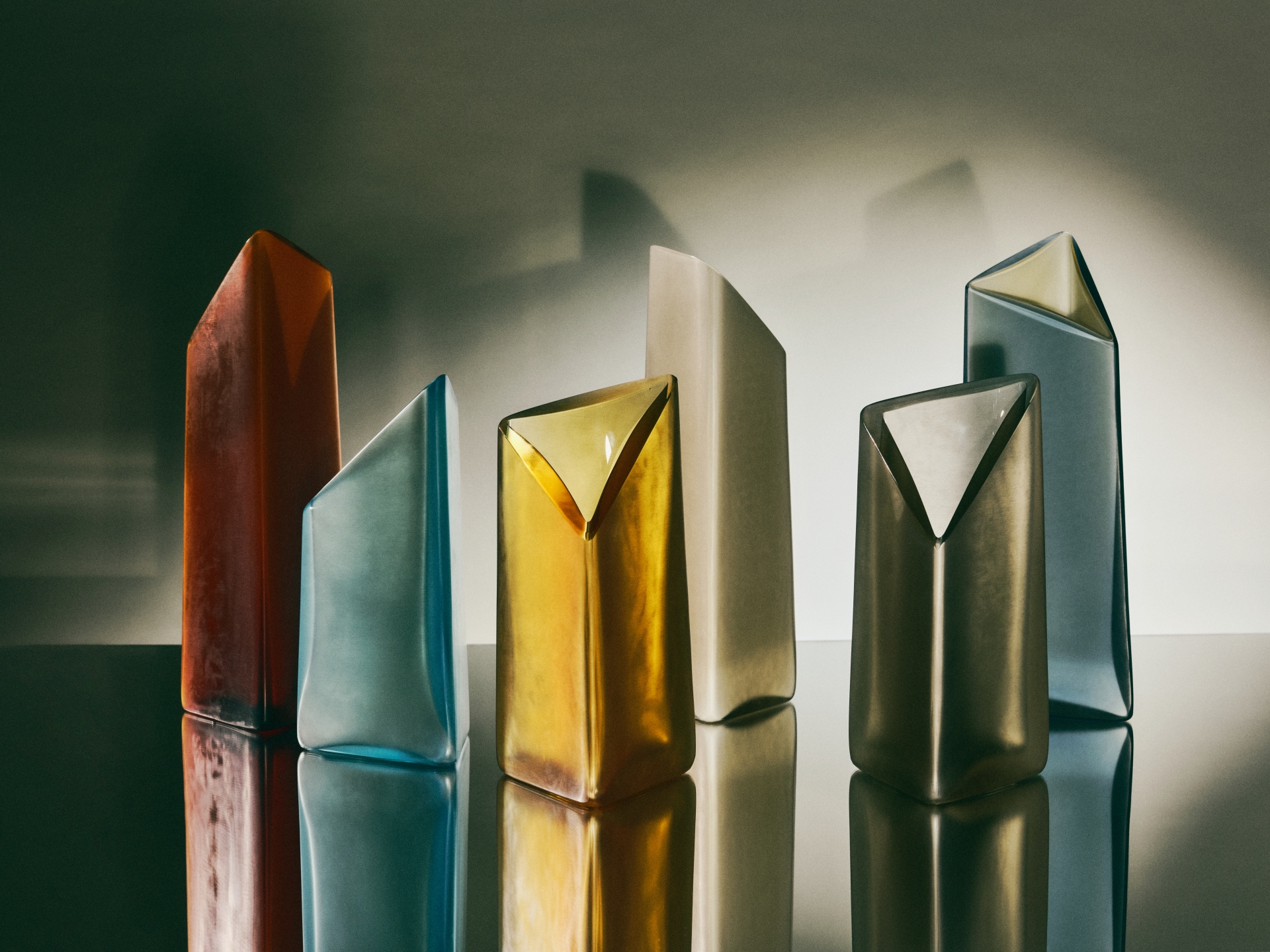
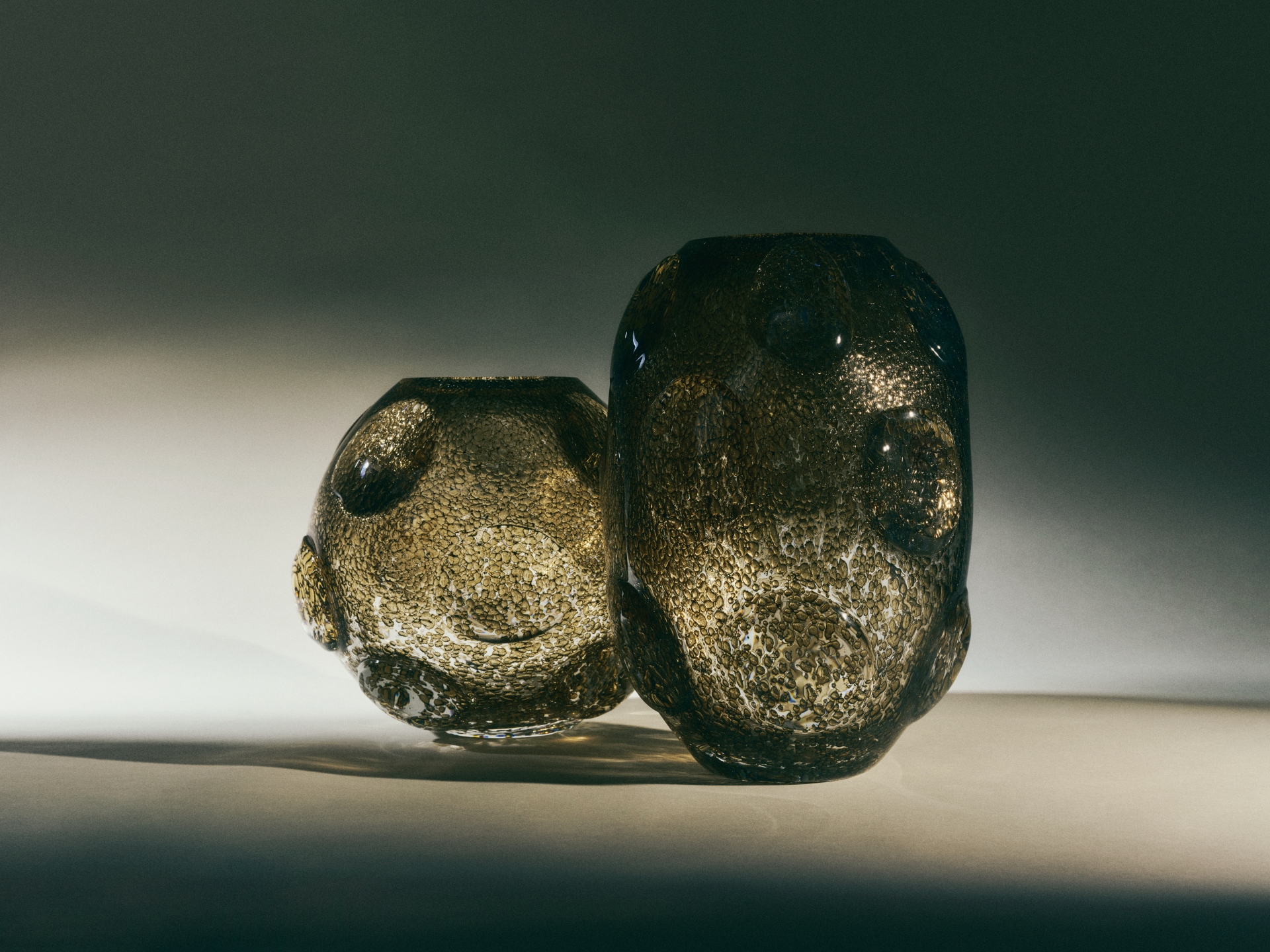
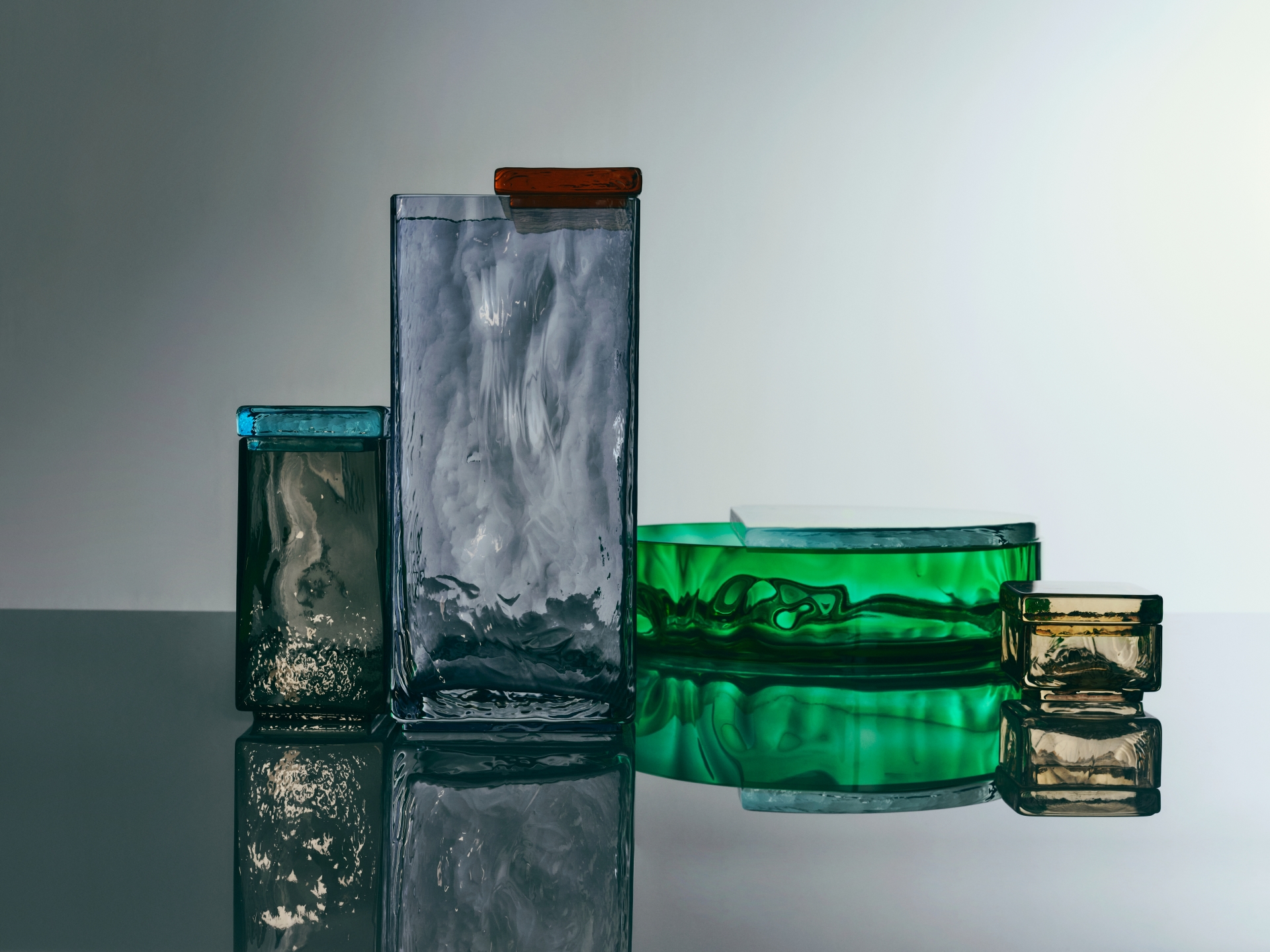
The exhibition continues with further novelties and extensions of existing collections. The new table and floor versions of Agave, designed by García Cumini, emphasize the collection’s vertical tension and material lightness, enhanced by the rugiada technique and a subtle gradient effect created with colored glass granules. Olori, by Studio Lani, celebrates strength and femininity through a series of vases that reinterpret the layered collars of traditional African adornment in an hourglass form. With Kado, Keiji Ashizawa conceives the vase as a small architecture inspired by ikebana: articulated surfaces composed of planes and measured inclinations guide the compositional gesture, while different glassmaking techniques (from incamiciato to fine ground shading) create a delicate balance between material, color, and suspension. The Lithos vases, designed by Emmanuel Babled, explore glass as a geological substance. A reactive mineral powder generates bubbles and inclusions that crystallize into a compact, irregular surface, evoking rock formations and fossil stratifications. Integrated optical lenses amplify the internal morphology, making each piece unique and deeply tactile. Podio, by Claesson Koivisto Rune, introduces a modular system of vases composed of container and lid, crafted using the corteccia technique and cast glass. Their varying proportions allow for stackable compositions that evoke small architectural forms, enhancing both the flower and the vase itself as a display object, hence the name Podio.
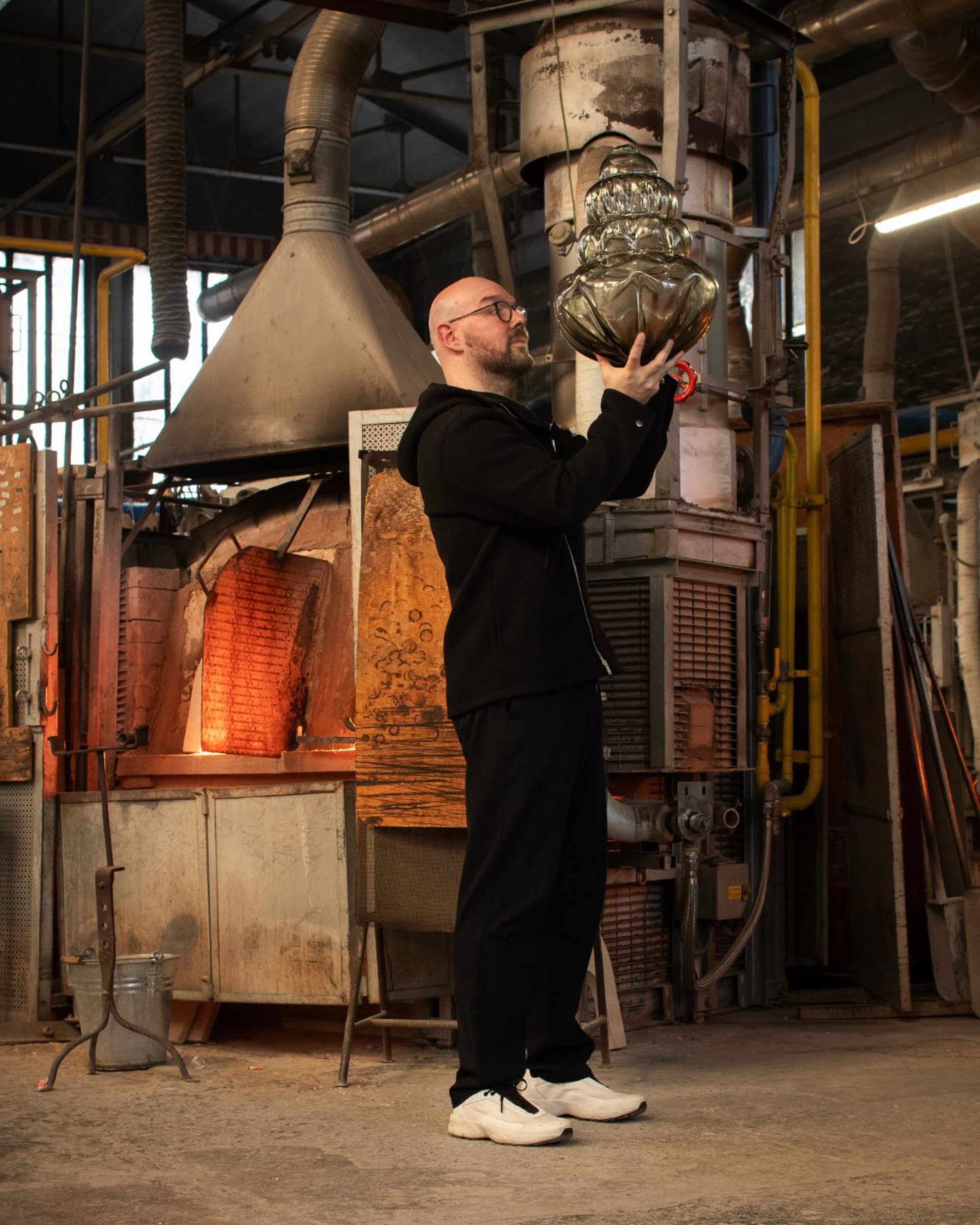
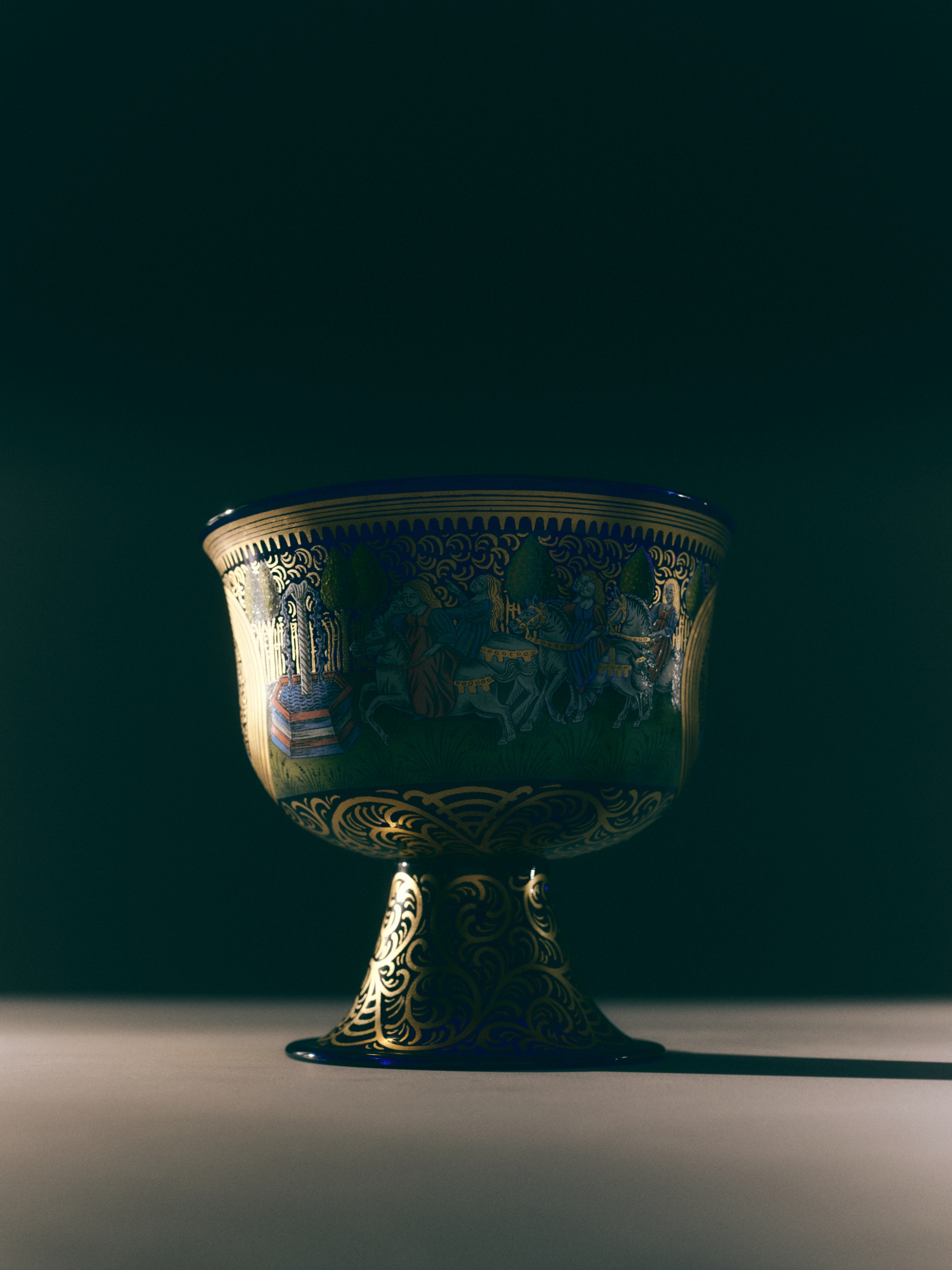
The exhibition concludes with the Coppa Barovier, a masterpiece of the Murano Renaissance created around 1460 and traditionally attributed to Angelo Barovier. Decorated with polychrome enamels and gold on deep blue glass, it is still produced today using the original techniques, preserving a tradition that spans more than five centuries.
“With 2026 Chapter 1, we are inaugurating an important phase of renewal for Barovier&Toso, in which tradition and innovation move forward together with intention and awareness”, says Andrea Signoroni. “This new chapter stems from the desire to strengthen the brand’s historic identity while making it more open, contemporary, and international. Our heritage is not merely a memory, but a living resource from which to draw inspiration for innovation. In this sense, every product and every display is part of a coherent journey, one that reinforces the brand’s position in international markets while imagining new creative possibilities without betraying our artisanal identity”.
NEW PRODUCTS AT MILAN DESIGN WEEK 2026
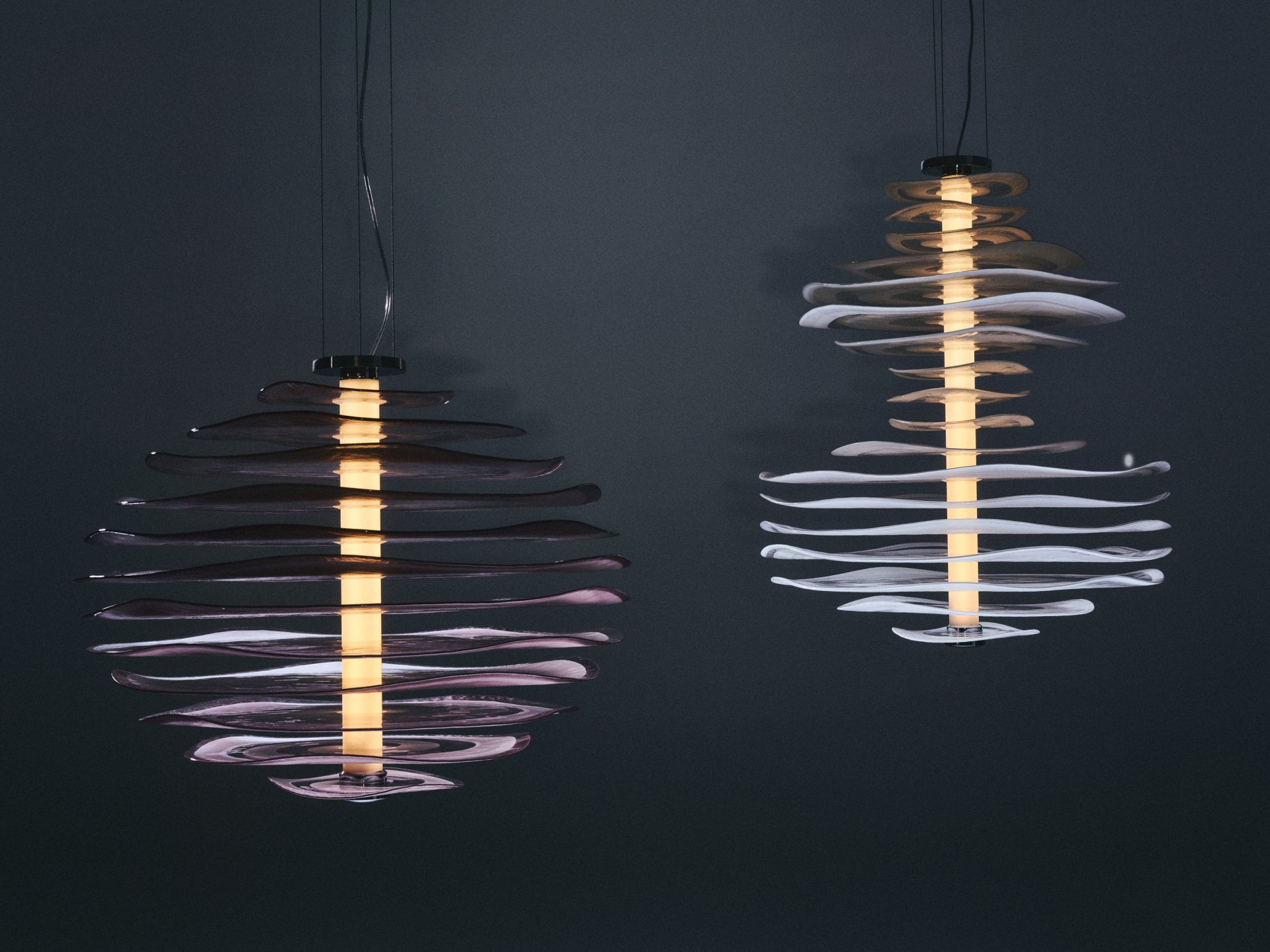
Profilo, design NICHETTO®
A composition of layers shaped by light. The name Profilo refers to the outline the lamp draws in space: a contour that emerges from the overall composition. The structure is built from a sequence of overlapping discs which, when seen from a distance, create clear and recognizable silhouettes - spherical, conical, or reminiscent of a contemporary chandelier. Made using the centrifuged glass technique, each element reveals thickness, material vibration, and subtle organic variations. An opaline spiral runs across the surface, softly diffusing the light and creating a measured, enveloping glow. The lighting technology is seamlessly integrated, allowing light to expand across the surfaces. Available in several configurations, Profilo maintains the same clarity and purity of form in every configuration.
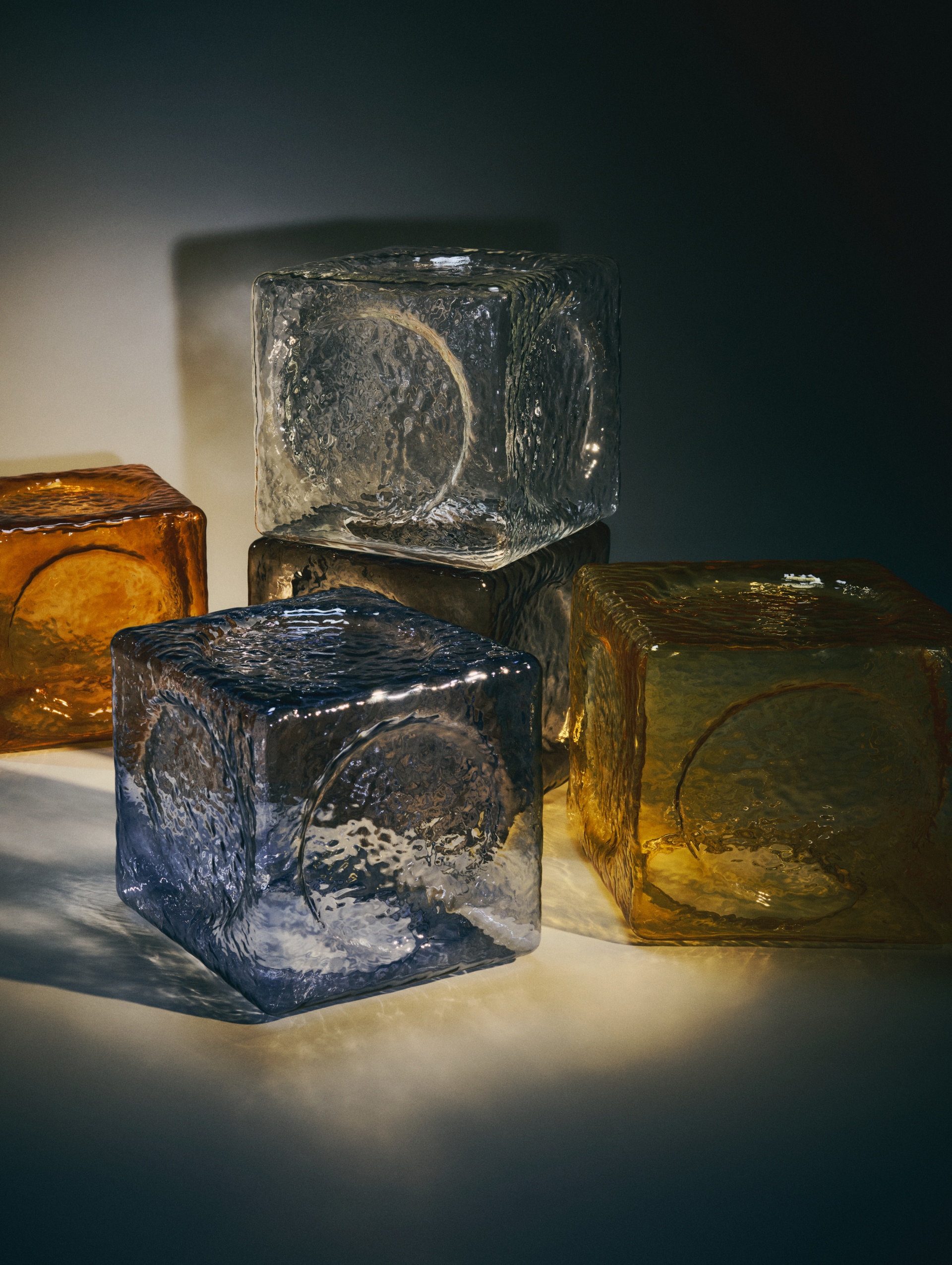
Etime, design NICHETTO®
Born from the desire to expand the company’s portfolio into home accessories, Etime is based on a simple geometric principle: the meeting of square and circle. The cubic volume evokes time as a measurable and ordered structure, while the circular imprint engraved on each face introduces the idea of continuity and flow. Made of mouth-blown glass, Etime functions as a modular element with a strong sculptural presence. Whether displayed individually or combined into larger compositions, it integrates naturally into different contexts while maintaining its formal coherence and expressive intensity. Etime translates an abstract concept into tangible form, using geometry to make a reflection on time visible.
Aurora, design NICHETTO®
Inspired by the historical archive of Barovier&Toso, Aurora reinterprets the traditional oil lamp through a contemporary lens, transforming a gesture rooted in memory into a present-day object. Discreet, invisible lighting technology replaces oil and wick, preserving the intimacy of the ritual while allowing freedom of use. The colored ribbed glass base - molded with sixteen ribs and then blown - is combined with transparent glass diffusers crafted with a dense rigadin ritorto technique, generating refined optical vibrations and material depth. Aurora embodies a balance between tradition and innovation, where light becomes both living memory and contemporary gesture.
Olori, design Studio Lani
In the Yoruba language, Olori means “Queen”: a title that conveys authority, grace, and cultural identity, translated here into a sculptural form that is both essential and powerful. The collection by Studio Lani draws inspiration from traditional Nigerian neck ornaments worn as symbols of belonging and dignity. The hourglass silhouette of the vase body, crafted using the opaline technique with gold leaf, highlights this expressive focal point. Light moves across the surface, revealing rhythm and depth, while a sequence of overlapping satin-finished pearls recalls the Murano tradition of conterie. Olori becomes a celebration of femininity as a quiet yet powerful force, where cultural memory and contemporary design meet in balance.
Agave, design García Cumini
The Agave collection expands with new table and floor versions, crafted using the same leaf module as the wall and ceiling designs already in the catalog. The lamp is inspired by the plant of the same name, a symbol of natural elegance and resilience. Designers García Cumini reinterpret its slender profile and vertical tension, transforming the leaf into a sculptural sign that combines lightness and strength. The surface is defined by the rugiada technique, which creates a vibrant three-dimensional texture. A subtle gradient effect - achieved through the application of colored glass granules - introduces chromatic depth and visual movement. Transparency and density interact within the material, evoking the vitality of the plant in an ongoing dialogue between nature and design.
Kado, design Keiji Ashizawa
The name Kado brings together two meanings: 角 (corner) and 華道 (the art of flower arrangement). Inspired by ikebana, the collection by Keiji Ashizawa explores the balance between form, line, and space within an essential composition. The project consists of three sets characterized by the pairing of a tall vase and a low vase, offered in three color combinations: warm, cool, and neutral. The vase becomes a quiet architecture that guides the gesture and frames the presence of the flower, creating a harmonious dialogue between material and void. The tall vase is crafted using the incamiciato technique, with three layered glass strata that generate a refined chromatic contrast between interior and exterior. The softened surface, achieved through grinding, is finished with an oil treatment that preserves its tactile quality. The low vase, made of transparent colored glass, also undergoes a similar grinding process, resulting in a diffused and restrained presence. In both versions, the material reveals depth and nuance, turning volume into a balance between geometric rigor and visual poetry.
Lithos, design Emmanuel Babled
With Lithos, Emmanuel Babled explores glass as a material capable of retaining time, transforming it into a dense, stratified surface reminiscent of a geological fragment. The product brings Ercole Barovier’s exploration of incorporating different materials into the glass mass into a contemporary context. Within the incandescent mass, a reactive mineral powder generates bubbles and inclusions that crystallize into a compact, irregular skin, evoking rock formations and fossil layers. Integrated optical lenses amplify the internal formations, revealing a complex material landscape. Each vase is unique, shaped by the interaction of fire, chemical reactions, and artisanal mastery, balancing experimentation with contemporary clarity.
Podio, design Claesson Koivisto Rune
Podio is a family of vases designed by Claesson Koivisto Rune and developed in different proportions. Each piece consists of a container and a lid that guides the inclination of the flower while also functioning as a display surface, allowing modular and stackable compositions reminiscent of small architectural structures. The vases are blown using the corteccia technique, used for diffuser modules in lighting, capable of creating lenses and reflections for kaleidoscopic effects. Podio combines formal rigor with compositional freedom, leaving the flower as the central protagonist.
Coppa Barovier
Created around 1460 and traditionally attributed to Angelo Barovier, the Coppa Barovier represents one of the masterpieces of Renaissance Murano glassmaking. Originally conceived as a wedding cup, it combines essential form with rich narrative decoration painted in polychrome enamels and gold on deep blue glass. The scenes depicting the procession toward the Fountain of Youth and the portraits of the newlyweds in the lateral medallions celebrate union and prosperity, intertwining symbolism with exceptional technical skill. Even today, the cup continues to be produced according to the original techniques, preserving an artisanal tradition that spans more than five centuries.
MILANO DESIGN WEEK
BAROVIER & TOSO
2026 CHAPTER 1
20 - 26 APRIL 2026
VIA DURINI 5, 20122 MILAN
PUBLIC OPENING:
MON/TUE: 11AM - 8PM, WED: 11AM - 6PM, THU/SAT: 11AM - 8PM, SUN: 11AM - 5PM
VIA DURINI 5, 20122 MILAN